

Grundinformationen
- Standard-SMILES
CC(=O)[O-].CC(=O)[O-].[Co+2]- InChIKey
QAHREYKOYSIQPH-UHFFFAOYSA-L- Summenformel
- C4H6CoO4
- Durchschnittliche Molmasse
- 177,02 g/mol
- Monoisotopische Masse
- 176,95980367
Überblick
Cobalt acetate is a red-violet crystalline solid. Vinegar-like odor. (USCG, 1999)
Namen und Bezeichner
- Bevorzugter Name
- Cobalt diacetate
- IUPAC
- cobalt(2+) diacetate
Namen und Synonyme
Cobalt(II) acetate71-48-7Cobalt acetateCobalt diacetateBis(acetato)cobaltCobaltous diacetateCOBALTOUS ACETATECobalt(2+) acetateCobalt di(acetate)cobalt(2+) diacetateCobalt acetate (Co(OAc)2)DTXSID6026373
Weitere Namen anzeigen
3XC4P44U7EDTXCID506373CHEBI:85138NSC-78410RefChem:578226lambda2-cobalt(2+) ion diacetate200-755-8cobalt(2+);diacetate
Datenbank-Bezeichner
- CAS
5931-89-5、71-48-7- PubChem CID
- 6277
- DTXSID
DTXSID6026373- ChEBI
CHEBI:85138- UNII
- 3XC4P44U7E
- EC Number
- 200-755-8、227-676-1
- Nikkaji
- J4C
Eigenschaften
Berechnete Struktureigenschaften
- Polarare Oberfläche (TPSA)
- 80,3 Ų
- H-Brücken-Donoren
- 0
- H-Brücken-Akzeptoren
- 4
- Frei drehbare Bindungen
- 0
- Schwere Atome
- 9
- Formalladung
- 0
- Komplexität
- 25,5
Experimentelle und physikochemische Eigenschaften
Chemical ClassesMetals -> Organic Acids, Metal Salts
OdorVinegar-like odor
Density
1.71 at 68 °F (USCG, 1999) - Denser than water; will sink
Intense red monoclinic, prismatic crystals; density 1.705; on heating becomes anhydrous by 140 °C; soluble in water, alcohols, dilute acids, and pentyl acetate; pH of 0.2 molar aqueous solution: 6.8 /Cobalt(2+) acetate tetrahydrate/
Color/Form
Light pink crystals
Pink crystals
Solubility
Readily soluble in water
2.1 parts by wt (of the formula wt)/100 parts methanol by wt at 15 °C
Soluble in alcohol and dilute acids
DecompositionWhen heated to decomp it emits acrid smoke and irritating fumes.
Melting Point
284 °F (USCG, 1999)
298 °C (decomposes)
Food Contact Substances
FCS -> FDA Cumulative Estimated Daily Intake (CEDI)
FCS -> FDA Inventory of Food Contact Substances Listed in 21 CFR
Refractive IndexMol wt: 249.08; Index of refraction: 1.542 /Tetrahydrate/
Physical Description
Cobalt acetate is a red-violet crystalline solid. Vinegar-like odor. (USCG, 1999)
Liquid; Dry Powder
Light-pink solid; [Merck Index] Pink crystals, soluble in water; [MSDSonline]
Stability/Shelf LifeStable under recommended storage conditions.
Relative Evaporation RateEvaporation of cobaltous acetate tetrahydrate at 20 °C is negligible
Sicherheit und Regulatorisches
GHS-Klassifizierung
GHS Classification
Danger
H317: May cause an allergic skin reaction [Warning Sensitization, Skin]
P203, P233, P260, P261, P271, P272, P273, P280, P284, P302+P352, P304+P340, P318, P321, P333+P317, P342+P316, P362+P364, P391, P403, P405, and P501 (click each P-code to see the statement)
Danger
H317 (100%): May cause an allergic skin reaction [Warning Sensitization, Skin]
P203, P233, P260, P261, P271, P272, P273, P280, P284, P302+P352, P304+P340, P318, P321, P333+P317, P342+P316, P362+P364, P391, P403, P405, and P501 (click each P-code to see the statement)
Gefahrenhinweise
Regulatory Information
Chemical: Acetic acid, cobalt(2+) salt
Hazard Traits - Carcinogenicity; Reproductive Toxicity; Respiratory Toxicity
Acetic acid, cobalt(2+) salt (2:1) is listed on the EPA's Chemical Data Reporting (CDR) system. Manufacturers and importers of Acetic acid, cobalt(2+) salt (2:1) are required to report information about their production and use of this chemical to the EPA under the Toxic Substances Control Act (TSCA). (40 eCFR Part 711)
Status: Active Update: 21-10-2021 https://echa.europa.eu/registration-dossier/-/registered-dossier/14769
Substance: Cobalt(II) diacetate
Cobalt (II) acetate: Does not have an individual approval but may be used under an appropriate group standard
Other Safety InformationIMAP assessments - Soluble cobalt (II) and salts: Human health tier II assessment
Fire HazardsSpecial Hazards of Combustion Products: Toxic cobalt oxide fumes may form in fire. (USCG, 1999)
Health HazardsInhalation causes shortness of breath and coughing; permanent disability may occur. Ingestion causes pain and vomiting. Contact with eyes causes irritation. Contact with skin may cause dermatitis. (USCG, 1999)
Hazards SummaryAn eye irritant; [CAMEO] May cause skin sensitization and asthma after prolonged contact; [CHEMINFO] Harmful if swallowed; May cause skin sensitization; [MSDSonline] See Cobalt.
FDA Requirements
Cobaltous acetate is an indirect food additive for use only as a component of adhesives.
Trace minerals added to animal feeds. These substances added to animal feeds as nutritional dietary supplements are generally recognized as safe when added at levels consistent with good feeding practice. All substances listed may be in anhydrous or hydrated form. Cobalt acetate is included on this list.
Reactive GroupSalts, Basic
Reactivity Profile
Salts, basic, such as COBALT ACETATE, are generally soluble in water. The resulting solutions contain moderate concentrations of hydroxide ions and have pH's greater than 7.0. They react as bases to neutralize acids. These neutralizations generate heat, but less or far less than is generated by neutralization of the bases in reactivity group 10 (Bases) and the neutralization of amines. They usually do not react as either oxidizing agents or reducing agents but such behavior is not impossible.
Atmospheric Standards
Listed as a hazardous air pollutant (HAP) generally known or suspected to cause serious health problems. The Clean Air Act, as amended in 1990, directs EPA to set standards requiring major sources to sharply reduce routine emissions of toxic pollutants. EPA is required to establish and phase in specific performance based standards for all air emission sources that emit one or more of the listed pollutants. Cobaltous acetate is included on this list.
Air and Water ReactionsWater soluble. Deliquescent
Other Hazardous ReactionsEvaporation at 20 °C is negligible; a harmful concentration of airborne particles can, however, be reached quickly when dispersed.
Toxic Combustion ProductsSpecial hazards arising from the substance or mixture: Carbon oxides, cobalt/cobalt oxides.
Sicherheit und Schutzausrüstung
First AidINHALATION: move to fresh air; if breathing has stopped, begin artificial respiration.
Exposure Control and Personal ProtectionBiological Exposure Indices (BEI) [ACGIH] - Cobalt in urine = 15 ug/L; sample at end of shift at end of workweek;
Fire Fighting Procedures
Suitable extinguishing media: Use water spray, alcohol-resistant foam, dry chemical or carbon dioxide.
Advice for firefighters: Wear self-contained breathing apparatus for firefighting if necessary.
In case of fire in the surroundings: use appropriate extinguishing media. /Tetrahydrate ("The recommendations on this Card also apply to Cobalt (II) acetate anhydrous (CAS 71-48-7).")/
Storage Conditions
Keep container tightly closed in a dry and well-ventilated place. Hygroscopic. Storage class (TRGS 510): Non-combustible, acute toxic Cat.3 / toxic hazardous materials or hazardous materials causing chronic effects
Separated from strong oxidants. Well closed. /Tetrahydrate ("The recommendations on this Card also apply to Cobalt (II) acetate anhydrous (CAS 71-48-7).")/
Cleanup Methods
ACCIDENTAL RELEASE MEASURES: Personal precautions, protective equipment and emergency procedures: Use personal protective equipment. Avoid dust formation. Avoid breathing vapors, mist or gas. Ensure adequate ventilation. Evacuate personnel to safe areas. Avoid breathing dust. Environmental precautions: Prevent further leakage or spillage if safe to do so. Do not let product enter drains. Discharge into the environment must be avoided. Methods and materials for containment and cleaning up: Pick up and arrange disposal without creating dust. Sweep up and shovel. Keep in suitable, closed containers for disposal.
Liquid material spills can be copiously flushed with water and channeled to a treatment system or holding tank for reclamation or proper disposal. Spills of dry material can be removed by vacuuming or wet mopping. Some spills can be removed by hosing, first with a mist of water to dampen the spilled material and then with a more forceful stream that flushes it into a holding tank or other facility for handling contaminated water. Work surfaces or contaminated clothing should never be cleaned by dry sweeping or blowing with pressurized hoses. Recovery systems used to reclaim waste metals should comply with federal, state, and local regulations. All waste materials generated in the handling of cobalt-containing substances should be disposed of in compliance with federal, state, and local regulations. /Cobalt and cobalt salts/
Disposal Methods
SRP: Recycle any unused portion of the material for its approved use or return it to the manufacturer or supplier. Ultimate disposal of the chemical must consider: the material's impact on air quality; potential migration in air, soil or water; effects on animal, aquatic and plant life; and conformance with environmental and public health regulations. If it is possible or reasonable use an alternative chemical product with less inherent propensity for occupational harm/injury/toxicity or environmental contamination.
Product: Offer surplus and non-recyclable solutions to a licensed disposal company. Contact a licensed professional waste disposal service to dispose of this material. Dissolve or mix the material with a combustible solvent and burn in a chemical incinerator equipped with an afterburner and scrubber; Contaminated packaging: Dispose of as unused product.
Sweep spilled substance into containers; if appropriate, moisten first to prevent dusting. (Extra personal protection: P2 filter respirator for harmful particles.) Do NOT let this chemical enter the environment. /Tetrahydrate ("The recommendations on this Card also apply to Cobalt (II) acetate anhydrous (CAS 71-48-7).")/
Preventive Measures
SRP: The scientific literature for the use of contact lenses by industrial workers is inconsistent. The benefits or detrimental effects of wearing contact lenses depend not only upon the substance, but also on factors including the form of the substance, characteristics and duration of the exposure, the uses of other eye protection equipment, and the hygiene of the lenses. However, there may be individual substances whose irritating or corrosive properties are such that the wearing of contact lenses would be harmful to the eye. In those specific cases, contact lenses should not be worn. In any event, the usual eye protection equipment should be worn even when contact lenses are in place.
SRP: Local exhaust ventilation should be applied wherever there is an incidence of point source emissions or dispersion of regulated contaminants in the work area. Ventilation control of the contaminant as close to its point of generation is both the most economical and safest method to minimize personnel exposure to airborne contaminants. Ensure that the local ventilation moves the contaminant away from the worker.
ACCIDENTAL RELEASE MEASURES: Personal precautions, protective equipment and emergency procedures: Use personal protective equipment. Avoid dust formation. Avoid breathing vapors, mist or gas. Ensure adequate ventilation. Evacuate personnel to safe areas. Avoid breathing dust. Environmental precautions: Prevent further leakage or spillage if safe to do so. Do not let product enter drains. Discharge into the environment must be avoided.
Precautions for safe handling: Avoid contact with skin and eyes. Avoid formation of dust and aerosols. Further processing of solid materials may result in the formation of combustible dusts. The potential for combustible dust formation should be taken into consideration before additional processing occurs. Provide appropriate exhaust ventilation at places where dust is formed.
For more Preventive Measures (Complete) data for Cobaltous acetate (11 total), please visit the HSDB record page.
Minimum Risk LevelChronic Inhalation: 0.0001 mg/m3 (L134)
Intermediate Oral: 0.01 mg/kg/day (L134)
Threshold Limit Values (TLV)
0.02 [mg/m3], as Co
8 hr Time Weighted Avg (TWA): 0.02 mg/cu m. /Cobalt and inorganic compounds, as Co/
Peak Exposure Recommendation: Transient increases in workers' exposure levels may exceed 3 times the value of the TLV-TWA level for no more than 15 minutes at a time, on no more than 4 occasions spaced 1 hour apart during a workday, and under no circumstances should they exceed 5 times the value of the TLV-TWA level. In addition, the 8-hour TWA is not to be exceeded for an 8-hour work period. /Cobalt and inorganic compounds, as Co/
A3: Confirmed animal carcinogen with unknown relevance to humans. /Cobalt and inorganic compounds, as Co/
Biological Exposure Index (BEI): Determinant: cobalt in urine; Sampling Time: end of shift at end of workweek; BEI: 15 ug/L. Notation: The determinant is nonspecific, since it is also observed after after exposure to other chemicals. /Cobalt and inorganic compounds, including cobalt oxides but not combined with tungsten carbide/
Biological Exposure Index (BEI): Determinant: cobalt in urine; Sampling Time: end of shift at end of workweek; BEI: None. Notation: The determinant is nonspecific, since it is also observed after exposure to other chemicals. Biological monitoring should be considered for this compound based on the review; however, a specific BEI could not be determined due to insufficient data. /Cobalt with tungsten carbide/
Personal Protective Equipment (PPE)
Dust respirator; rubber gloves; goggles or face shield; protective clothing (USCG, 1999)
Eye/face protection: Face shield and safety glasses. Use equipment for eye protection tested and approved under appropriate government standards such as NIOSH (US) or EN 166(EU).
Skin protection: Handle with gloves.
Body Protection: Complete suit protecting against chemicals. The type of protective equipment must be selected according to the concentration and amount of the dangerous substance at the specific workplace.
Respiratory protection: Where risk assessment shows air-purifying respirators are appropriate use a full-face particle respirator type N100 (US) or type P3 (EN 143) respirator cartridges as a backup to engineering controls. If the respirator is the sole means of protection, use a full-face supplied air respirator. Use respirators and components tested and approved under appropriate government standards such as NIOSH (US) or CEN (EU).
Local exhaust or breathing protection. Protective gloves. Protective clothing. Safety goggles, or eye protection in combination with breathing protection. /Tetrahydrate ("The recommendations on this Card also apply to Cobalt (II) acetate anhydrous (CAS 71-48-7).")/
Toxikologische Informationen
TreatmentTreatment of cobalt poisoning is symptomatic. (L29)
Health EffectsExposure to high amount of cobalt can cause heart, lung, kidney, and liver damage. Skin contact is known to result in contact dermatitis. Cobalt may also have mutagenic and carcinogenic effects. (L29, L30)
Environmental Fate
ATMOSPHERIC FATE: Inorganic cobalt compounds are nonvolatile and released into the atmosphere in particulate form(1). Particulate-phase cobalt compounds are removed from the air by wet and dry deposition(SRC). Cobalt has been detected in atmospheric deposition(2) and in rain-snow precipitation(3).
Adverse EffectsSkin Sensitizer - An agent that can induce an allergic reaction in the skin.
Exposure RoutesInhalational (L29) ; oral (L29) ; dermal (L29)
Toxicity Summary
IDENTIFICATION AND USE: Cobaltous acetate is a solid. It is used as a bleaching agent and drier for lacquers, varnishes; in anodizing; and as a catalyst for oxidation and esterification. Mineral supplement in cattle feed. HUMAN EXPOSURE AND TOXICITY: Acute human exposure led to vomiting, severe pain and tenderness in epigastrium, pain in limbs with marked weakness, hematemesis, and occult blood in stools. DNA strand breaks accumulated and repair was inhibited in irradiated HeLa cells exposed to cobaltous acetate. ANIMAL STUDIES: Following administration to rats by gastric intubation acute effects included sedation, diarrhea, and decreased body temperature. Gross pathology exam revealed hemorrhages and dystrophic changes in the liver, kidney, and heart. Oral exposure in rats led to increase in the hemoglobin and hematocrit as well as in the plasma proteins. There was significant hyperglycemia and also significant changes in the lipid parameters such as triglycerides and cholesterol. The neurological signs were observed in rats after acute cobaltous acetate intoxication under mild ischemic conditions. It was not reported to be teratogenic in hamsters or rats. Oxidative DNA base damage has been described.
Cobalt is believed to exhibit its toxicity through a oxidant-based and free radical-based processes. It produces oxygen radicals and may be oxidized to ionic cobalt, causing increased lipid peroxidation, DNA damage, and inducing certain enzymes that lead to cell apoptosis. Cobalt has also been shown to block inorganic calcium channels, possibly impairing neurotransmission. Cobalt can also chelate lipoic acids, impairing oxidation of pyruvate or fatty acids. In addition, cobalt may inhibit DNA repair by interacting with zinc finger DNA repair proteins, and has also been shown to inhibit heme synthesis and glucose metabolism. Cobalt may activate specific helper T-lymphocyte cells and interact directly with immunologic proteins, such as antibodies (IgA and IgE) or Fc receptors, resulting in immunosensitization. (L29)
Signs and SymptomsCobalt inhalation can cause asthma-like breathing problems. Skin contact is known to result in contact dermatitis, which is characterized by irritation and rashes. Ingesting large amounts of cobalt may cause nausea and vomiting. (L2090)
Human Toxicity Excerpts
/HUMAN EXPOSURE STUDIES/ Repeated or prolonged contact may cause skin sensitization. Repeated or prolonged inhalation exposure may cause asthma. Lungs may be affected by repeated or prolonged exposure. The substance may have effects on the heart, thyroid, bone marrow, when ingested.
/HUMAN EXPOSURE STUDIES/ The substance is irritating to the eyes, the skin and the respiratory tract. /cobalt (II) acetate tetrahydrate/
/SIGNS AND SYMPTOMS/ Gastric disturbance, symptoms occurring shortly after leaving work, involving inhalation of dry powdered cobalt acetate ... included vomiting, severe pain and tenderness in epigastrium, pain in limbs with marked weakness and on 3rd day some hematemesis, occult blood in stools.
/SIGNS AND SYMPTOMS/ ...a man grinding cobalt in a /poorly/ ventilated room /developed/ the symptoms /which/ were predominantly gastric but also included hematuria.
For more Human Toxicity Excerpts (Complete) data for Cobaltous acetate (6 total), please visit the HSDB record page.
Artificial Pollution Sources
Cobaltous acetate's production and use in the manufacture of drying agents for inks, paints and varnishes, in anodizing(1-3), as a catalyst, and as a mineral supplement in animal feed additives(2,4) may result in its release to the environment through various waste streams(SRC).
Carcinogen Classification2B, possibly carcinogenic to humans. (L135)
Environmental BioconcentrationFood Chain Concentration Potential of cobaltous acretate tetrahydrate: Bioconcentration of 200-1000 fold only under constant exposure. Not significant in spill condition(1).
Volatilization from Water/SoilEvaporation of cobaltous acetate tetrahydrate at 20 °C is negligible(1).
Regulatorische Informationen
FDA Requirements
Cobaltous acetate is an indirect food additive for use only as a component of adhesives.
Trace minerals added to animal feeds. These substances added to animal feeds as nutritional dietary supplements are generally recognized as safe when added at levels consistent with good feeding practice. All substances listed may be in anhydrous or hydrated form. Cobalt acetate is included on this list.
Atmospheric Standards
Listed as a hazardous air pollutant (HAP) generally known or suspected to cause serious health problems. The Clean Air Act, as amended in 1990, directs EPA to set standards requiring major sources to sharply reduce routine emissions of toxic pollutants. EPA is required to establish and phase in specific performance based standards for all air emission sources that emit one or more of the listed pollutants. Cobaltous acetate is included on this list.
Chemie und Industrie
Pharmakologische Informationen
Metabolism/Metabolites
Cobalt is absorbed though the lungs, gastrointestinal tract, and skin. Since it is a component of the vitamin B12 (cyanocobalamin), it is distributed to most tissues of the body. It is transported in the blood, often bound to albumin, with the highest levels being found in the liver and kidney. Cobalt is excreted mainly in the urine and faeces. (L29)
Absorption, Distribution and Excretion
Absorption from the GI tract in rats was found to vary between 11 and 34% depending on administered dose value. The highest concn was found in the liver, a low concn was noted in the kidney, pancreas, and spleen.
The substance can be absorbed into the body by inhalation of its aerosol and by ingestion. /Tetrahydrate ("The recommendations on this Card also apply to Cobalt (II) acetate anhydrous (CAS 71-48-7).")/
Verwendung und Herstellung
Uses
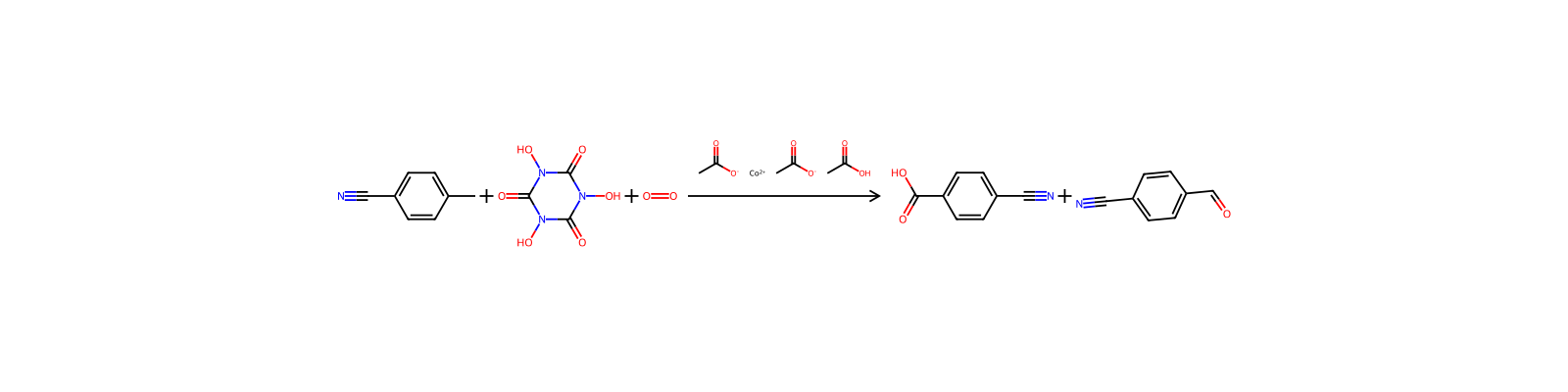
Used as a bleaching agent, drier for coatings, catalyst, and foam stabilizer; Also used in sympathetic inks, feed additives, and in anodizing; [HSDB]
Painting (Pigments, Binders, and Biocides) [Category: Paint]
Bleaching agent and drier for lacquers, varnishes; in anodizing; catalyst for oxidation and esterification; foam stabilizer for malt beverages.
Sympathetic inks, paint and varnish driers, catalyst, anodizing, mineral supplement in feed additives, foam stabilizer.
Cobalt (II) acetate can be used as antidote for cyanide poisoning. Major used include: foam stabilizer for malt beverages; bleaching agent and drier for lacquers, varnishes; anodizing agent; catalyst for oxidation and esterification (A597, T66).
U.S. Production
2023: 8,500,000 - <10,000,000 lb
(1972) PROBABLY GREATER THAN 4.54X10+5 G
(1975) PROBABLY GREATER THAN 4.54X10+5 G
Non-confidential 2012 Chemical Data Reporting (CDR) information on the production and use of chemicals manufactured or imported into the United States. Chemical: Acetic acid, cobalt(2+) salt (2:1). National Production Volume: 1,000,000 - 10,000,000 lb/yr.
Consumer UsesCatalyst
Industry UsesProcessing aids not otherwise specified
Methods of Manufacturing
Action of acetic acid on cobalt carbonate with subsequent crystallization.
Prepared commercially from cobaltous hydroxide or carbonate and an excess of dilute acetic acid. ... Prepn from powdered cobalt and acetic acid.
Formulations/Preparations
Technical, pure crystals, CP /chemically pure/.
Liquid, crystal grades; soln and crystal form, technical and reagent grade
Household ProductsInformation on 1 consumer products that contain Cobalt acetate in the following categories is provided:
General Manufacturing Information
Petrochemical Manufacturing
Acetic acid, cobalt(2+) salt (2:1): ACTIVE
Acetic acid, cobalt salt (1:?): ACTIVE
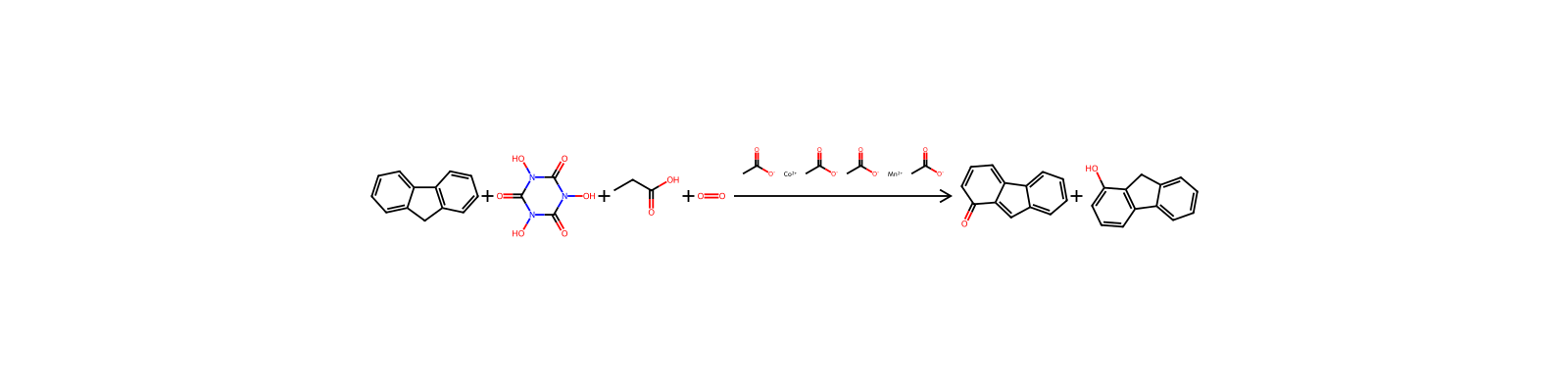
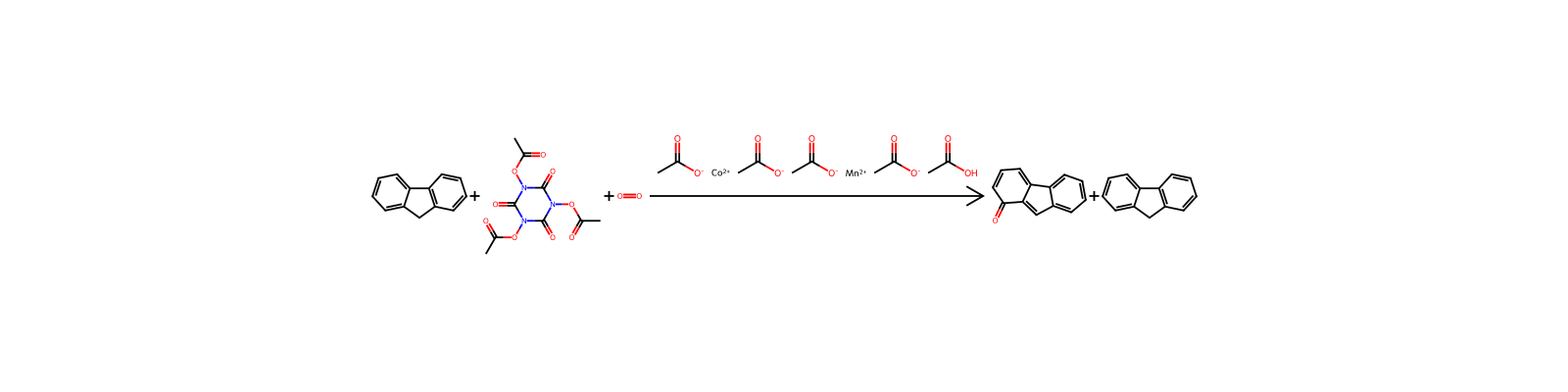
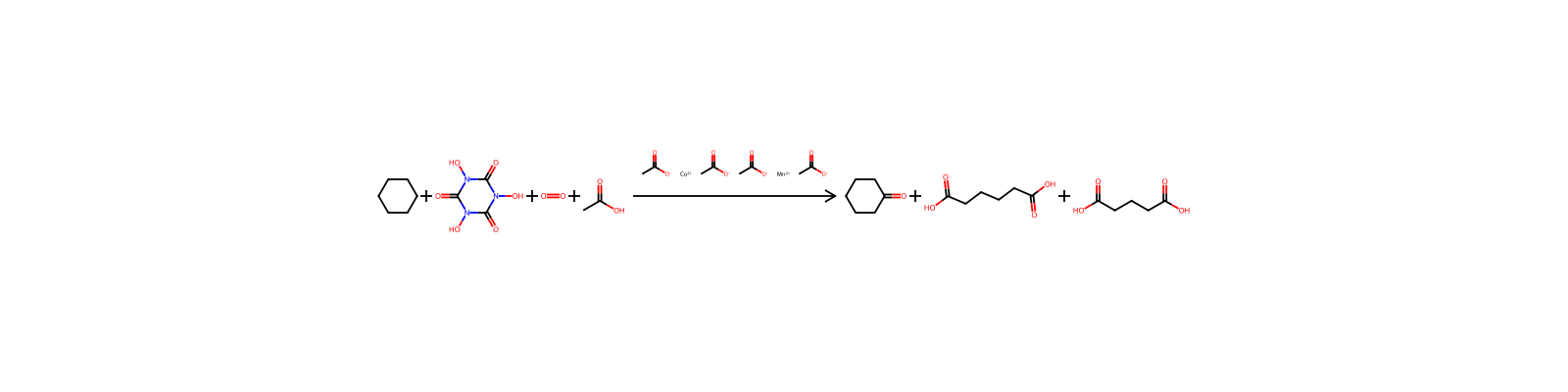
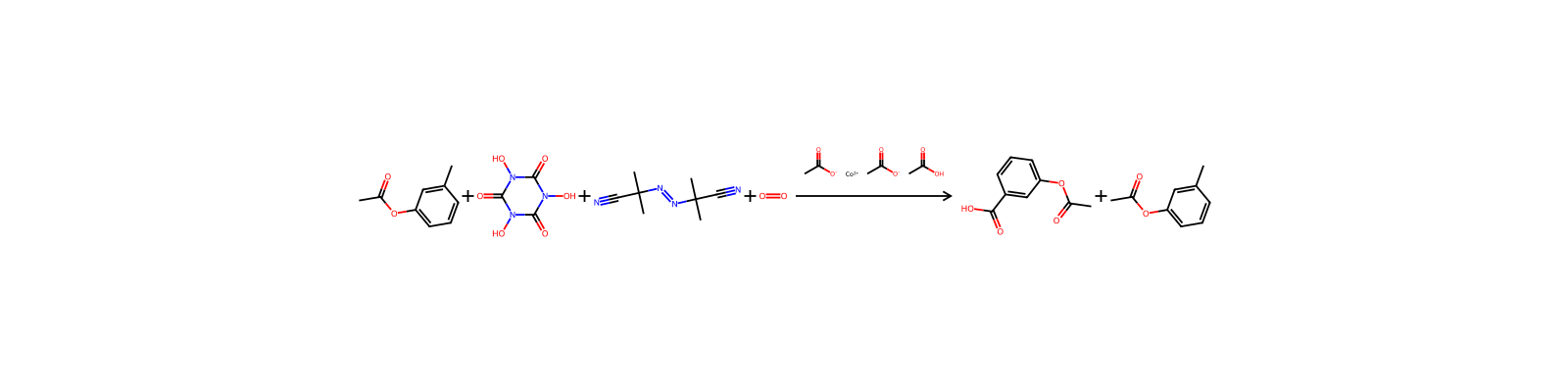
Zugehörige Reaktionen
145


Verknüpfte Notizen
Wird geladen…