StartseiteMCPWorkbenchSkills
StartseiteWorkbenchBenachrichtigungenMein Bereich
llms.txt · MCP-AnleitungDatenschutz · Nutzungsbedingungen · Supportv1.8.0
  1. Startseite
  2. /Verbindung

Iodoethane

HCID 6340
Neue NotizNeue ReaktionAnfrage stellen
Druckvorschau

Daten werden ergänzt – lade die Seite später neu, um den aktuellen Stand zu sehen

GrundinformationenÜberblickNamen und BezeichnerEigenschaftenSicherheit und RegulatorischesChemie und IndustrieZugehörige ReaktionenNotizen zur Verbindung
TeilstruktursucheÄhnliche Strukturen suchen

Grundinformationen

CAS
75-03-6
Standard-SMILES
CCI
InChIKey
HVTICUPFWKNHNG-UHFFFAOYSA-N
Summenformel
C2H5I
Durchschnittliche Molmasse
155,97 g/mol
Monoisotopische Masse
155,9436

Überblick

Iodoethane is an iodoalkane that is ethane substituted by an iodo group. It derives from a hydride of an ethane.

Namen und Bezeichner

Bevorzugter Name
Iodoethane
IUPAC
iodoethane
Englischer Name
Ethyl iodide
Summenformel
C2H5I
Molmasse
0

Namen und Synonyme

Iodoethane75-03-6ETHYL IODIDEEthane, iodo-MonoiodoethaneHydriodic etherEthyljodidJodethanethane iodide59PO05D39LNSC-8825DTXSID9058783
Weitere Namen anzeigen
CHEBI:42487RefChem:148527DTXCID1047730200-833-1ethyliodide1-Iodoethaneiodo-ethaneC2H5I

Datenbank-Bezeichner

CAS
75-03-6
PubChem CID
6340
DTXSID
DTXSID9058783
ChEBI
CHEBI:42487
UNII
59PO05D39L
EC Number
200-833-1
Nikkaji
J1.436B

Eigenschaften

Berechnete StruktureigenschaftenWird ergänzt

XLogP
2,1
Polarare Oberfläche (TPSA)
0 Ų
H-Brücken-Donoren
0
H-Brücken-Akzeptoren
0
Frei drehbare Bindungen
0
Schwere Atome
3
Formalladung
0
Komplexität
2,8

Experimentelle und physikochemische Eigenschaften

Chemical ClassesOther Classes -> Halogenated Aliphatics, Saturated
SpringerMaterials PropertiesCoriolis coupling
LogP2.0
Density · 2 Einträge

Relative density (water = 1): 1.936

1.948 @ 15°C

SolubilitySolubility in water, g/100ml at 20 °C: 0.4
Flash Point61 °C c.c.
Boiling Point · 2 Einträge

72 °C

72.4 °C @760 [mm Hg]

Melting Point · 2 Einträge

-108 °C

-108 °C

Vapor DensityRelative vapor density (air = 1): 5.4 (calculated)
Vapor Pressure · 3 Einträge

Sicherheit und Regulatorisches

Sicherheitsangaben dienen nur zur Orientierung und ersetzen weder das Sicherheitsdatenblatt (SDB) des Lieferanten noch geltende Vorschriften oder eine fachliche Bewertung.

GHS-Klassifizierung

GHS Classification · 4 Einträge

Danger

H226 (18.5%): Flammable liquid and vapor [Warning Flammable liquids]

P203, P210, P233, P240, P241, P242, P243, P260, P261, P264, P264+P265, P270, P271, P272, P280, P284, P301+P317, P302+P352, P303+P361+P353, P304+P340, P305+P351+P338, P317, P318, P319, P321, P330, P332+P317, P333+P317, P337+P317, P342+P316, P362+P364, P370+P378, P403, P403+P233, P403+P235, P405, and P501 (click each P-code to see the statement)

Aggregated GHS information provided per 130 reports by companies from 21 notifications to the ECHA C&L Inventory. Each notification may be associated with multiple companies.

Gefahrenhinweise

Regulatory Information · 4 Einträge

Chemical: Ethane, iodo-

Ethane, iodo- is listed on the EPA's Chemical Data Reporting (CDR) system. Manufacturers and importers of Ethane, iodo- are required to report information about their production and use of this chemical to the EPA under the Toxic Substances Control Act (TSCA). (40 eCFR Part 711)

REACH registered substance: Iodoethane (EC: 200-833-1)

Iodoethane: Does not have an individual approval but may be used under an appropriate group standard

Fire HazardsFlammable. Above 61 °C explosive vapour/air mixtures may be formed.
Hazards Summary · 1 Eintrag

Causes lung changes and flaccid paralysis without anesthesia in subcutaneous lethal-dose studies of mice; [RTECS] A skin, eye, and respiratory tract irritant; May have CNS effects (lowering of consciousness); Can be absorbed through skin; [ICSC] An irritant that may cause serious eye injury; May cause skin sensitization; Harmful by ingestion, inhalation, and skin absorption; [Alfa Aesar MSDS] See Ethyl chloride and Ethyl bromide,

Chemical Dangers

Chemie und Industrie

Pharmakologische Informationen

Metabolism/Metabolites1-iodoethane has known human metabolites that include ethylglutathione.

Verwendung und Herstellung

UsesHas been used for the determination of cardiac output; [REPROTOX]
U.S. Production2023: 31,870 lb
Industry UsesCatalyst
General Manufacturing Information · 2 Einträge

Plastics Material and Resin Manufacturing

Ethane, iodo-: ACTIVE

Zugehörige Reaktionen

5.694
Reaktionsaufzeichnung erstellen
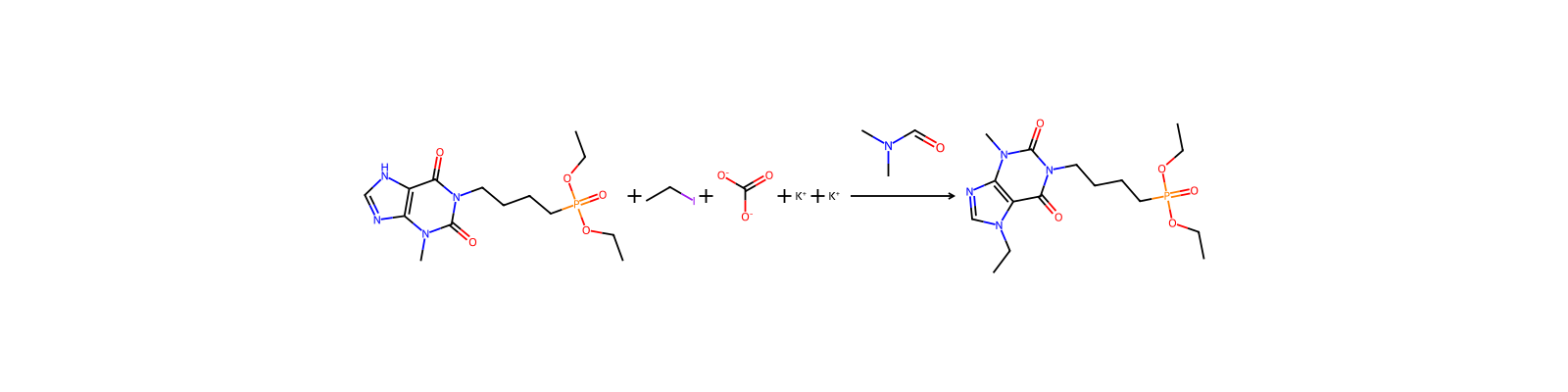
Reaktionsgleichung von HRID 1811
HRID 1811als Eduktuspto-grants-1998_03
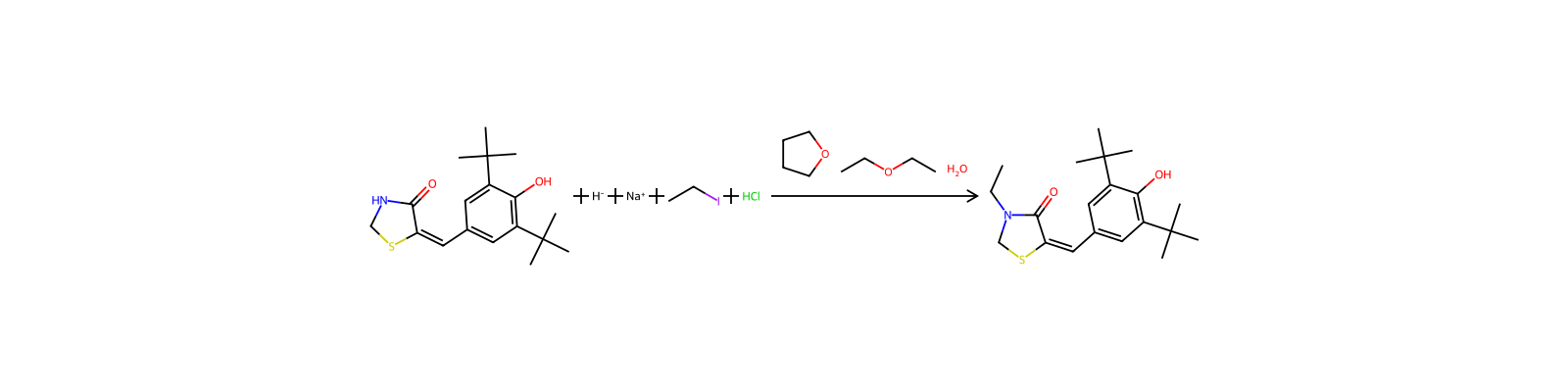
Reaktionsgleichung von HRID 1849
HRID 1849als Eduktuspto-grants-1998_03
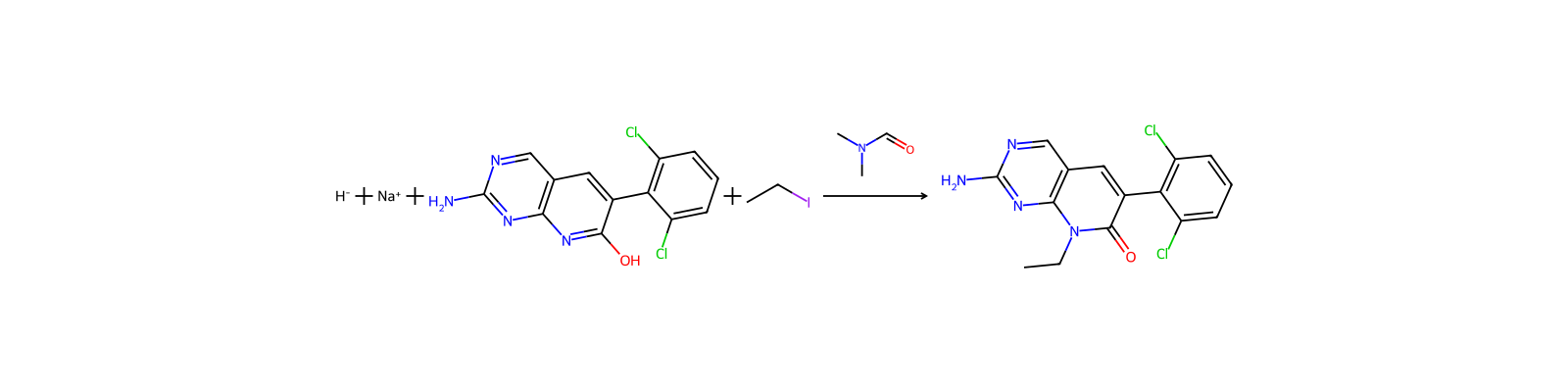
Reaktionsgleichung von HRID 1862
HRID 1862als Eduktuspto-grants-1998_03
Reaktionsgleichung von HRID 1870
HRID 1870als Eduktuspto-grants-1998_03
Reaktionsgleichung von HRID 1992
HRID 1992als Eduktuspto-grants-1998_03
Reaktionsgleichung von HRID 2023
HRID 2023als Eduktuspto-grants-1998_03
Reaktionsgleichung von HRID 2941
HRID 2941als Eduktuspto-grants-1998_03
Reaktionsgleichung von HRID 3175
HRID 3175als Eduktuspto-grants-1998_03
Seite 1 von 500

Notizen zur Verbindung

Wird geladen…

Auf dieser SeiteGrundinformationenÜberblickNamen und BezeichnerEigenschaftenSicherheit und RegulatorischesChemie und IndustrieZugehörige ReaktionenNotizen zur Verbindung
Weitere Aktionen
Neue NotizNeue ReaktionAnfrage stellen

136.0 [mmHg]

Vapor pressure, kPa at 18 °C: 13.3

100 [mm Hg] @18 °C

Physical Description · 3 Einträge

Gas Vapor; Liquid

Highly refractive liquid with an ethereal odor; Colorless when fresh, turns red on exposure to light and air; [Merck Index]

COLOURLESS LIQUID WITH CHARACTERISTIC ODOUR. TURNS DARK ON EXPOSURE TO LIGHT.

Decomposes on burning. This produces iodine and hydrogen iodide. Reacts with strong bases and strong oxidants.
Physical DangersThe vapour is heavier than air.
Hazard Classes and CategoriesFlam. Liq. 3 (18.5%)

Sicherheit und Schutzausrüstung

Fire FightingUse water spray, powder, foam, carbon dioxide. In case of fire: keep drums, etc., cool by spraying with water.
First Aid Measures · 4 Einträge

Fresh air, rest. Half-upright position. Artificial respiration may be needed. Refer for medical attention.

Rinse skin with plenty of water or shower. Refer for medical attention .

First rinse with plenty of water for several minutes (remove contact lenses if easily possible), then refer for medical attention.

Rinse mouth. Do NOT induce vomiting. Give one or two glasses of water to drink. Refer for medical attention .

Safe StorageFireproof. Separated from strong bases and strong oxidants.
Spillage Disposal · 1 Eintrag

Personal protection: filter respirator for organic gases and vapours adapted to the airborne concentration of the substance. Remove all ignition sources. Collect leaking and spilled liquid in covered containers as far as possible. Absorb remaining liquid in sand or inert absorbent. Then store and dispose of according to local regulations.

Eye PreventionWear safety goggles, face shield or eye protection in combination with breathing protection.
Fire PreventionNO open flames, NO sparks and NO smoking. Above 61 °C use a closed system, ventilation and explosion-proof electrical equipment.
Inhalation RiskNo indication can be given about the rate at which a harmful concentration of this substance in the air is reached on evaporation at 20 °C.
Skin PreventionProtective gloves. Protective clothing.
Ingestion PreventionDo not eat, drink, or smoke during work.
Inhalation PreventionUse ventilation, local exhaust or breathing protection.
Threshold Limit Values (TLV)0.01 ppm as TWA; A4 (not classifiable as a human carcinogen).
Effects of Short Term ExposureThe substance is irritating to the eyes, skin and respiratory tract. The substance may cause effects on the central nervous system. This may result in lowering of consciousness.

Toxikologische Informationen

Adverse EffectsNeurotoxin - Acute solvent syndrome
Exposure RoutesThe substance can be absorbed into the body by inhalation of its vapour, through the skin and by ingestion.
Signs and Symptoms · 4 Einträge

Confusion. Cough. Drowsiness. Dizziness. Shortness of breath. Sore throat. Unconsciousness.

Redness. Pain.

Redness. Pain.

Abdominal pain. Confusion. Dizziness. Drowsiness. Unconsciousness.

Toxicity DataLC50 (rat) = 65,000 mg/m3/30min