Grundinformationen
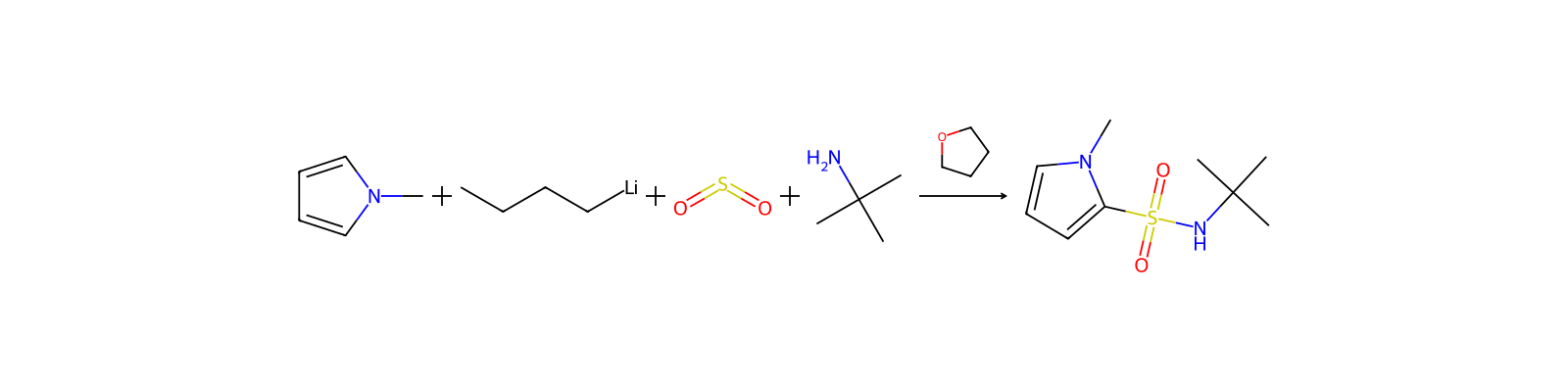
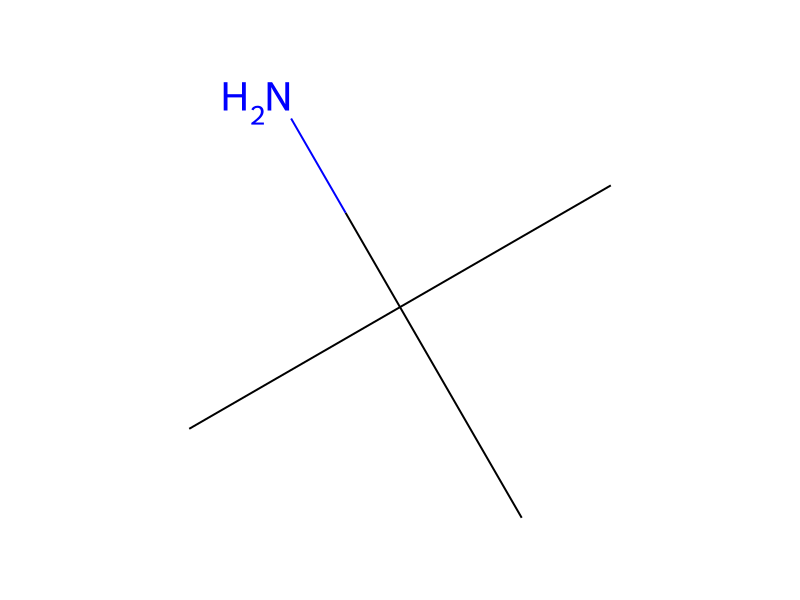
- Standard-SMILES
CC(C)(C)N- InChIKey
YBRBMKDOPFTVDT-UHFFFAOYSA-N- Summenformel
- C4H11N
- Durchschnittliche Molmasse
- 73,14 g/mol
- Monoisotopische Masse
- 73,08914935
Überblick
Tert-butylamine appears as a clear colorless liquid with an ammonia-like odor. Flash point 70 °F. Less dense (at 6.2 lb / gal) than water. Vapors heavier than air. Toxic oxides of nitrogen produced during combustion.
Namen und Bezeichner
- Bevorzugter Name
- Tert-Butylamine
- IUPAC
- 2-methylpropan-2-amine
- Lokaler Name
- 2-Methyl-2-propanamin
- Englischer Name
- tert-Butylamine
- Summenformel
- C4H11N
- Molmasse
- 73.14
Namen und Synonyme
tert-Butylamine75-64-92-methylpropan-2-aminet-ButylamineErbumine2-Amino-2-methylpropane2-Propanamine, 2-methyl-1,1-Dimethylethylamine1,1-Dimethylethanamine2-Aminoisobutane2-METHYL-2-PROPANAMINETERTIARY-BUTYLAMINE
Weitere Namen anzeigen
TERTIARY BUTYL AMINEtBuNH21,1-DimethylethylamineTrimethylaminomethanePotassium Clavulanate EP Impurity Hcp11093
Butylamine, tert2-Methyl-2-aminopropaneButylamine, tertiary2-Methyl-2-propylamineDTXSID5024681NSC-9571CP 1109391Z53KF68U
Datenbank-Bezeichner
- CAS
1919888-06-4、75-64-9- PubChem CID
- 6385
- DTXSID
DTXSID5024681- ChEMBL
CHEMBL13782- ChEBI
CHEBI:44639- UNII
- 91Z53KF68U
- EC Number
- 200-888-1
- Nikkaji
- J1.944E
Eigenschaften
Berechnete Struktureigenschaften
- XLogP
- 0,3
- Polarare Oberfläche (TPSA)
- 26 Ų
- H-Brücken-Donoren
- 1
- H-Brücken-Akzeptoren
- 1
- Frei drehbare Bindungen
- 0
- Schwere Atome
- 5
- Formalladung
- 0
- Komplexität
- 25,1
Experimentelle und physikochemische Eigenschaften
Chemical Classes
Nitrogen Compounds -> Amines, Aliphatic
Corrosives
SpringerMaterials Properties15N nuclear magnetic resonance spectrum
LogP
log Kow = 0.40
0.4
OdorStrong amine odor
Density
0.696 at 68 °F (USCG, 1999) - Less dense than water; will float
0.6958 at 20 °C/4 °C
0.7 @25 °C
Color/FormColorless liquid
Solubility
Very soluble (NTP, 1992)
Miscible with alcohol and ether; soluble in chloroform
Sol in common organic solvents
In water, 1X10+6 mg/L at 25 °C /miscible/
CorrosivityLiquid will attack some forms of plastics.
Flash Point
50 °F (NTP, 1992)
-8 °C
16 °F (-8 °C) (closed cup)
Boiling Point
111.9 °F at 760 mmHg (NTP, 1992)
44 - 46 °C
46.4 °C @760 [mm Hg]
DecompositionWhen heated to decomposition it emits toxic fumes of nitroxides.
Melting Point
-89.5 °F (NTP, 1992)
-72.65 °C
-67.5 °C
Physikochemische Eigenschaften
- Schmelzpunkt
- -67 °C · -67 °C (lit.)
- Siedepunkt
- 46 °C · 46 °C (lit.)
- Dichte
- 0.696 g/mL · 0.696 g/mL at 25 °C (lit.)
- Dampfdichte
- 2.5 · 2.5 (vs air)
- Dampfdruck
- 5.7 psi · 5.7 psi ( 20 °C)
- Brechungsindex
- 20 · n20/D 1.377(lit.)
- Flammpunkt
- 36.4 °F · −36.4 °F
- storage temp.
- 30 °C · Store below +30°C.
- Löslichkeit
- 1000 g/L · water: miscible1000g/L at 25°C
- pka
- 10.68 · 10.68(at 25℃)
- Aggregatzustand
- Liquid
- Farbe
- Clear
- PH
- 12 · 12 (100g/l, H2O, 20℃)
- Geruch (Odor)
- Like ammonia.
- Odor Threshold
- 0.17 ppm · 0.17ppm
- Explosionsgrenze
- 1.5 · 1.5-9.2%(V)
- Wasserlöslichkeit
- MISCIBLE
- Spezifische Wärmekapazität
- 2.63 J/ · Cp(liquid): 2.63 J/(g·K), at 25℃
- Merck
- 14 · 14,1545
- BRN
- 605267 · 605267
- Henry's Law Constant
- 2.8 · 2.8×10-1 mol/(m3Pa) at 25℃, Duchowicz et al. (2020)
- Dielectric constant
- 4.31 · 4.3099999999999996
- Stabilität
- Stable. Incompatible with strong acids, strong oxidizing agents. Highly flammable.
- InChI
- 1S/C4H11N/c1-4(2,3)5/h5H2,1-3H3
- InChIKey
- YBRBMKDOPFTVDT-UHFFFAOYSA-N
- SMILES
- CC(C)(C)N
- CAS Datenbank
- 75 · 75-64-9(CAS DataBase Reference)
- NIST chemische Informationen
- 2 · 2-Propanamine, 2-methyl-(75-64-9)
- EPA chemische Informationen
- tert-Butylamine (75-64-9)
Sicherheit und Regulatorisches
GHS-Klassifizierung
GHS Classification
Danger
H225 (100%): Highly Flammable liquid and vapor [Danger Flammable liquids]
P210, P233, P240, P241, P242, P243, P260, P261, P264, P264+P265, P270, P271, P273, P280, P301+P316, P301+P317, P301+P330+P331, P302+P361+P354, P303+P361+P353, P304+P340, P305+P354+P338, P316, P317, P321, P330, P363, P370+P378, P403+P233, P403+P235, P405, and P501 (click each P-code to see the statement)
Aggregated GHS information provided per 327 reports by companies from 15 notifications to the ECHA C&L Inventory. Each notification may be associated with multiple companies.
H402: Harmful to aquatic life [Hazardous to the aquatic environment, acute hazard]
P273, and P501 (click each P-code to see the statement)
Gefahrenhinweise
Regulatory Information
Chemical: 2-Propanamine, 2-methyl-
2-Propanamine, 2-methyl- is listed on the EPA's Chemical Data Reporting (CDR) system. Manufacturers and importers of 2-Propanamine, 2-methyl- are required to report information about their production and use of this chemical to the EPA under the Toxic Substances Control Act (TSCA). (40 eCFR Part 711)
Status: Active Update: 12-05-2020 https://echa.europa.eu/registration-dossier/-/registered-dossier/1916
2-Propanamine, 2-methyl-: Does not have an individual approval but may be used under an appropriate group standard
The New Jersey Worker and Community Right to Know Act requires public and private employers to provide information about hazardous substances at their workplaces. (N.J.S.A. 34:5A-1 et. seq.)
Other Safety InformationEvaluation - Chemicals that are unlikely to require further regulation to manage risks to environment
DOT LabelCorrosive
Fire HazardsSpecial Hazards of Combustion Products: Toxic oxides of nitrogen may form in fire. (USCG, 1999)
Health HazardsInhalation causes irritation of nose, mouth, and lungs. Ingestion causes irritation of mouth and stomach. Contact with liquid causes severe irritation of eyes and moderate irritation of skin. (USCG, 1999)
Hazards SummaryHighly corrosive to skin; [Quick CPC] High inhalation exposure may cause pulmonary edema; [HSDB] A skin, eye, and respiratory tract irritant; [CAMEO]
Reactive GroupAmines, Phosphines, and Pyridines
Reactivity AlertsHighly Flammable
Reactivity Profile
TERT-BUTYLAMINE neutralizes acids in exothermic reactions to form salts plus water. May be incompatible with isocyanates, halogenated organics, peroxides, phenols (acidic), epoxides, anhydrides, and acid halides. Flammable gaseous hydrogen is generated in combination with strong reducing agents, such as hydrides. Undergoes highly exothermic reaction with 2,2-dibromo-1,3-dimethylcyclopropanoic acid [J. Chem. Soc., 1, 1979, 2324].
Atmospheric Standards
This action promulgates standards of performance for equipment leaks of Volatile Organic Compounds (VOC) in the Synthetic Organic Chemical Manufacturing Industry (SOCMI). The intended effect of these standards is to require all newly constructed, modified, and reconstructed SOCMI process units to use the best demonstrated system of continuous emission reduction for equipment leaks of VOC, considering costs, non air quality health and environmental impact and energy requirements. Tert-butylamine is produced, as an intermediate or a final product, by process units covered under this subpart.
Flammable LimitsLower flammable limit: 1.7% by volume; Upper flammable limit: 8.9% by volume (at 212 °F (100 °C)
DOT Emergency Guidelines
/GUIDE 131: FLAMMABLE LIQUIDS-TOXIC/ Health: TOXIC; may be fatal if inhaled, ingested or absorbed through skin. Inhalation or contact with some of these materials will irritate or burn skin and eyes. Fire will produce irritating, corrosive and/or toxic gases. Vapors may cause dizziness or suffocation. Runoff from fire control or dilution water may cause pollution. /Flammable liquid, poisonous, corrosive, NOS; Flammable liquid, toxic, corrosive, NOS/
/GUIDE 131: FLAMMABLE LIQUIDS-TOXIC/ Fire or Explosion: HIGHLY FLAMMABLE: Will be easily ignited by heat, sparks or flames. Vapors may form explosive mixtures with air. Vapors may travel to source of ignition and flash back. Most vapors are heavier than air. They will spread along ground and collect in low or confined areas (sewers, basements, tanks). Vapor explosion and poison hazard indoors, outdoors or in sewers. Those substances designated with a "P" may polymerize explosively when heated or involved in a fire. Runoff to sewer may create fire or explosion hazard. Containers may explode when heated. Many liquids are lighter than water. /Flammable liquid, poisonous, corrosive, NOS; Flammable liquid, toxic, corrosive, NOS/
/GUIDE 131: FLAMMABLE LIQUIDS-TOXIC/ Public Safety: CALL Emergency Response Telephone Number ... . As an immediate precautionary measure, isolate spill or leak area for at least 50 meters (150 feet) in all directions. Keep unauthorized personnel away. Stay upwind. Keep out of low areas. Ventilate closed spaces before entering. /Flammable liquid, poisonous, corrosive, NOS; Flammable liquid, toxic, corrosive, NOS/
/GUIDE 131: FLAMMABLE LIQUIDS-TOXIC/ Protective Clothing: Wear positive pressure self-contained breathing apparatus (SCBA). Wear chemical protective clothing that is specifically recommended by the manufacturer. It may provide little or no thermal protection. Structural firefighters' protective clothing provides limited protection in fire situations ONLY; it is not effective in spill situations where direct contact with the substance is possible. /Flammable liquid, poisonous, corrosive, NOS; Flammable liquid, toxic, corrosive, NOS/
For more DOT Emergency Guidelines (Complete) data for TERT-BUTYLAMINE (8 total), please visit the HSDB record page.
Sicherheit und Schutzausrüstung
Fire FightingExcerpt from ERG Guide 153 [Substances - Toxic and/or Corrosive (Combustible)]:
First Aid
EYES: First check the victim for contact lenses and remove if present. Flush victim's eyes with water or normal saline solution for 20 to 30 minutes while simultaneously calling a hospital or poison control center. Do not put any ointments, oils, or medication in the victim's eyes without specific instructions from a physician. IMMEDIATELY transport the victim after flushing eyes to a hospital even if no symptoms (such as redness or irritation) develop.
Firefighting Hazards... Vapors /of 2-methyl-2-propanamine/ are heavier than air.
Exposure Control and Personal Protection2.0 [ppm]
Fire Fighting Procedures
This chemical is a combustible liquid. Poisonous gases including nitrogen oxides are produced in fire. Use dry chemical, carbon dioxide, or alcohol foam extinguishers. Vapors are heavier than air and will collect in low areas. Vapors may travel long distances to ignition sources and flashback. Vapors in confined areas may explode when exposed to fire. Containers may explode in fire. Storage containers and parts of containers may rocket great distances, in many directions. If material or contaminated runoff enters waterways, notify downstream users of potentially contaminated waters. Notify local health and fire officials and pollution control agencies. Containers may explode in fire. From a secure, explosion-proof location, use water spray to cool exposed containers. If cooling streams are ineffective (venting sound increases in volume and pitch, tank discolors, or shows any signs of deforming), withdraw immediately to a secure position. If employees are expected to fight fires, they must be trained and equipped in OSHA 1910.156. /Butyl Amines/
If material on fire or involved in fire: Do not extinguish fire unless flow can be stopped. Use water in flooding quantities as fog. Solid streams of water may be ineffective. Cool all affected containers with flooding quantities of water. Apply water from as far a distance as possible. Use "alcohol" foam, dry chemical or carbon dioxide.
Wear self-contained breathing apparatus when fighting fires involving this material.
Storage ConditionsStore in a refrigerator. Keep under an inert atmosphere for long-term storage.
Cleanup Methods
Evacuate and restrict persons not wearing protective equipment from area of spill or leak until cleanup is complete. Remove all ignition sources. Establish forced ventilation to keep levels below explosive limit. Absorb liquids in vermiculite, dry sand, earth, peat, carbon, or a similar material and deposit in sealed containers. It may be necessary to contain and dispose of this chemical as a hazardous waste. If material or contaminated runoff enters waterways, notify downstream users of potentially contaminated waters. Contact your Department of Environmental Protection or your regional office of the federal EPA for specific recommendations. If employees are required to clean-up spills, they must be properly trained and equipped. OSHA 1910.120(q) may be applicable. /Butyl Amines/
Small Spills: Use absorbent paper to pick up spilled material. Follow by washing surfaces well with soap and water. Seal all wastes in vapor-tight plastic bags for eventual disposal.
Environmental considerations-land spill: Dig a pit, pond, lagoon, holding area to contain liquid or solid material. /SRP: If time permits, pits, ponds, lagoons, soak holes, or holding areas should be sealed with an impermeable flexible membrane liner./ Dike surface flow using soil, sand bags, foamed polyurethane, or foamed concrete. Absorb bulk liquid with fly ash, cement powder, or commercial sorbents. Apply appropriate foam to diminish vapor and fire hazard. Neutralize with sodium bisulfate (NaHSO4).
Environmental considerations-water spill: Add sodium bisulfate (NaHSO4). If dissolved, in region of 10 ppm or greater concentration, apply activated carbon at ten times the spilled amount. Use mechanical dredges or lifts to remove immobilized masses of pollutants and precipitates.
Environmental considerations-air spill: Apply water spray or mist to knock down vapors.
Nonfire Spill ResponseExcerpt from ERG Guide 153 [Substances - Toxic and/or Corrosive (Combustible)]:
Disposal Methods
SRP: The most favorable course of action is to use an alternative chemical product with less inherent propensity for occupational exposure or environmental contamination. Recycle any unused portion of the material for its approved use or return it to the manufacturer or supplier. Ultimate disposal of the chemical must consider: the material's impact on air quality; potential migration in soil or water; effects on animal, aquatic, and plant life; and conformance with environmental and public health regulations.
Controlled incineration; incinerator is equipped with a scrubber or thermal unit to reduce NOx emissions. /Butyl Amines/
Burn the paper in a suitable location away from combustible materials. Large quantities can be reclaimed or collected & atomized in suitable combustion chamber equipped with appropriate effluent gas cleaning device. /n-Butylamine/
/Absorb small spills with paper and/ burn the paper in a suitable location away from combustible materials. Large quantities can be reclaimed or collected & atomized in suitable combustion chamber equipped with appropriate effluent gas cleaning device.
Preventive Measures
If material not on fire and not involved in fire: Keep sparks, flames, and other sources of ignition away. Keep material out of water sources and sewers. Build dikes to contain flow as necessary. Attempt to stop leak if without undue personnel hazard. Use water spray to disperse vapors and dilute standing pools of liquid.
SRP: The scientific literature for the use of contact lenses in industry is conflicting. The benefit or detrimental effects of wearing contact lenses depend not only upon the substance, but also on factors including the form of the substance, characteristics and duration of the exposure, the uses of other eye protection equipment, and the hygiene of the lenses. However, there may be individual substances whose irritating or corrosive properties are such that the wearing of contact lenses would be harmful to the eye. In those specific cases, contact lenses should not be worn. In any event, the usual eye protection equipment should be worn even when contact lenses are in place.
Personnel protection: Avoid breathing vapors. Keep upwind. Avoid bodily contact with the material. ... Do not handle broken packages unless wearing appropriate personal protective equipment. Wash away any material which may have contacted the body with copious amounts of water or soap and water. ... If contact with the material anticipated, wear appropriate chemical protective clothing.
Isolation and EvacuationExcerpt from ERG Guide 153 [Substances - Toxic and/or Corrosive (Combustible)]:
Protective Action Criteria (PAC)
1.4 [mg/m3]
15 [mg/m3]
170 [mg/m3]
Toxikologische Informationen
Ecotoxicity ValuesEC50; Species: Pseudokirchneriella subcapitata (Green algae); Conditions: freshwater, static; Concentration: 16000 ug/L for 96 hr; Effect: general growth
Environmental Fate
TERRESTRIAL FATE: Based on a classification scheme(1), an estimated Koc value of 40(SRC), determined from a log Kow of 0.40(2) and a regression-derived equation(3), indicates that tert-butylamine is expected to have very high mobility in soil(SRC). The pKa of tert-butylamine is 10.68(4), indicating that this compound will exist almost entirely in the cation form in the environment and cations generally adsorb more strongly to soils containing organic carbon and clay than their neutral counterparts(5). Volatilization of tert-butylamine from moist soil surfaces is not expected to be an important fate process(SRC) given its cation state(SRC). tert-Butylamine is expected to volatilize from dry soil surfaces(SRC) based upon its vapor pressure(6). tert-Butylamine was biodegraded by aniline-acclimated activated sludge(7).
AQUATIC FATE: Based on a classification scheme(1), an estimated Koc value of 40(SRC), determined from a log Kow of 0.40(2) and a regression-derived equation(3), indicates that tert-butylamine is not expected to adsorb to suspended solids and sediment(SRC). A pKa of 10.68(4) indicates tert-butylamine will exist almost entirely in the cation form at pH values of 5 to 9 and therefore volatilization from water surfaces is not expected to be an important fate process(5). According to a classification scheme(6), an estimated BCF of 3(SRC), from its log Kow(2) and a regression-derived equation(7), suggests the potential for bioconcentration in aquatic organisms is low(SRC). tert-Butylamine was biodegraded by aniline-acclimated activated sludge(8).
ATMOSPHERIC FATE: According to a model of gas/particle partitioning of semivolatile organic compounds in the atmosphere(1), tert-butylamine, which has a vapor pressure of 372 mm Hg at 25 °C(2), is expected to exist solely as a vapor in the ambient atmosphere. Vapor-phase tert-butylamine is degraded in the atmosphere by reaction with photochemically-produced hydroxyl radicals(SRC); the half-life for this reaction in air is estimated to be 33 hours(SRC), calculated from its rate constant of 1.18X10⁻¹¹ cu cm/molecule-sec at 25 °C(3). tert-Butylamine does not contain chromophores that absorb at wavelengths >290 nm(4) and therefore is not expected to be susceptible to direct photolysis by sunlight(SRC).
Adverse EffectsDermatotoxin - Skin burns.
Ecotoxicity Excerpts
/AQUATIC SPECIES/ The toxicity of amines to aquatic animals (Selenastrum capricornutum /Freshwater algae/ , Daphnia magna /Daphnid/, and Salmo gairdneri /Rainbow trout/) depended on their structure and was species-dependent. ... The integrated rating system (Canton and Sloof, 1979) was used for evaluation of the environmental hazard of these amines.
Plant Concentrationstert-Butylamine has been found to occur naturally in Latakia tobacco leaves(1).
Effluent Concentrationstert-Butylamine was detected in the leachate from a municipal refuse waste disposal site in the Netherlands at a concn of 41 ppm(1). tert-Butylamine was identified, not quantified, in the effluent of a cattle feed lot(2).
Soil Adsorption/Mobility
The Koc of tert-butylamine is estimated as 40(SRC), using a log Kow of 0.40(1) and a regression-derived equation(2). According to a classification scheme(3), this estimated Koc value suggests that tert-butylamine is expected to have very high mobility in soil. The pKa of tert-butylamine is 10.68(4), indicating that this compound will exist almost entirely in the cation form in the environment and cations generally adsorb more strongly to soils containing organic carbon and clay than their neutral counterparts(5).
Natural Pollution Sources
... amines from decomposing fish ... /Amines/
tert-Butylamine has been found to occur naturally in Latakia tobacco leaves(1).
Human Toxicity Excerpts
/SIGNS AND SYMPTOMS/ Exposure to tertiary amines has been associated with a number of visual disturbances, including inability to focus and halovision. These result from edema (swelling) of the cornea (the clear, front part of the eye). In addition, a number of systemic effects have been reported, including tachycardia (rapid heart beat) and a transient drop in blood pressure.
/SIGNS AND SYMPTOMS/ ... Skin irritant.
/SIGNS AND SYMPTOMS/ May cause pulmonary edema.
/SIGNS AND SYMPTOMS/ Irritation of eyes, nose, skin, and mucous membranes.
/OTHER TOXICITY INFORMATION/ Amines ... may form strongly alkaline solutions, they can be damaging if splashed in the eye or if allowed to contaminate the skin. /Amines, aliphatic/
Artificial Pollution Sources
Volatile amines, incl tert-butylamine, were present (about 0.8% of the total organic carbon) in a municipal waste dump at the acidification stage (as opposed to the methane fermentation stage) in the Netherlands.
tert-Butylamine's production and use as an intermediate for rubber accelerators, insecticides, fungicides, dyestuffs, and pharmaceuticals(1) may result in its release to the environment through various waste streams(SRC).
Environmental Biodegradation
AEROBIC: No biodegradation of tert-butylamine (10-100 ppm) was observed over a 12-day incubation period using Sapromat respiration assays with river mud bacteria inocula, treatment plant sludge inocula, or adapted bacteria inocula(1). tert-Butylamine was biodegraded by aniline-acclimated activated sludge using a Warburg respirometer(2). The bacteria Alcaligenes faecalis, isolated from activated sludge, was not able to biodegrade tert-butylamine using the Warburg technique(3).
Environmental Bioconcentration
An estimated BCF of 3 was calculated in fish for tert-butylamine(SRC), using a log Kow of 0.40(1) and a regression-derived equation(2). According to a classification scheme(3), this BCF suggests the potential for bioconcentration in aquatic organisms is low(SRC).
Regulatorische Informationen
Atmospheric Standards
This action promulgates standards of performance for equipment leaks of Volatile Organic Compounds (VOC) in the Synthetic Organic Chemical Manufacturing Industry (SOCMI). The intended effect of these standards is to require all newly constructed, modified, and reconstructed SOCMI process units to use the best demonstrated system of continuous emission reduction for equipment leaks of VOC, considering costs, non air quality health and environmental impact and energy requirements. Tert-butylamine is produced, as an intermediate or a final product, by process units covered under this subpart.
CERCLA Reportable Quantities
Persons in charge of vessels or facilities are required to notify the National Response Center (NRC) immediately, when there is a release of this designated hazardous substance, in an amount equal to or greater than its reportable quantity of 1000 lb or 454 kg. The toll free number of the NRC is (800) 424-8802. The rule for determining when notification is required is stated in 40 CFR 302.4 (section IV. D.3.b). [checked 5/2006]
Clean Water Act Requirements
tert-Butylamine is designated as a hazardous substance under section 311(b)(2)(A) of the Federal Water Pollution Control Act and further regulated by the Clean Water Act Amendments of 1977 and 1978. These regulations apply to discharges of this substance. This designation includes any isomers and hydrates, as well as any solutions and mixtures containing this substance.
Sicherheitsdaten
- F
- 2-10
- wgk
- 1
- tsca
- TSCA listed
- ridadr
- UN 3286 3/PG 2
- hs_code
- 29211980
- RTECS-Nr.
- EO3330000
- risk_code
- 11-20/22-35-25-20-52/53
- Toxizität
- LD50 orally in Rabbit: 80 mg/kg
- hazard_code
- F,C,T
- safety_code
- 16-26-36/37/39-45-28A-61
- hazard_class
- 3
- packing_group
- II
- Speicherklasse
- 3 - Flammable liquids
- Giftige Stoffe Daten
- 75-64-9(Hazardous Substances Data)
- Hazard Classifications
- Acute Tox. 3 InhalationAcute Tox. 4 OralAquatic Chronic 3Eye Dam. 1Flam. Liq. 2Skin Corr. 1A
- Selbstentzündungstemperatur
- 716 °F
Chemie und Industrie
Verwendung und Herstellung
Uses
Used as a chemical intermediate; [HSDB]
Intermediate for rubber accelerators, insecticides, fungicides, dyestuffs, pharmaceuticals.
Intermediate in the manufacture of lubricating oil additives and miscellaneous chemicals.
U.S. Production
2023: 1,000,000 - <8,500,000 lb
Production volumes for non-confidential chemicals reported under the Inventory Update Rule. [Table#5271]
This chemical is listed as a High Production Volume (HPV) (65FR81686). Chemicals listed as HPV were produced in or imported into the U.S. in >1 million pounds in 1990 and/or 1994. The HPV list is based on the 1990 Inventory Update Rule. (IUR) (40 CFR part 710 subpart B; 51FR21438).
Industry UsesIntermediate
Methods of ManufacturingIsobutylene first reacts with sulfuric acid and then hydrogen cyanide to yield tert-butylformamide. Hydrolysis yields the amine.
Formulations/PreparationsGRADES: Technical
General Manufacturing Information
All Other Basic Organic Chemical Manufacturing
2-Propanamine, 2-methyl-: ACTIVE
Aziridines are hydrogenated in the presence of typical hydrogenation catalysts to give alkyl amines.
Anwendungen
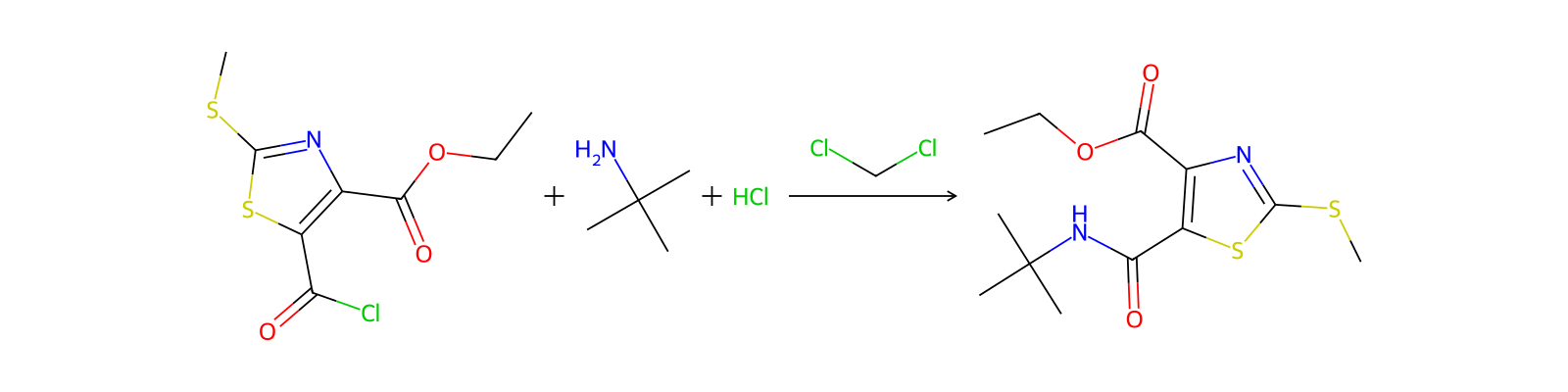
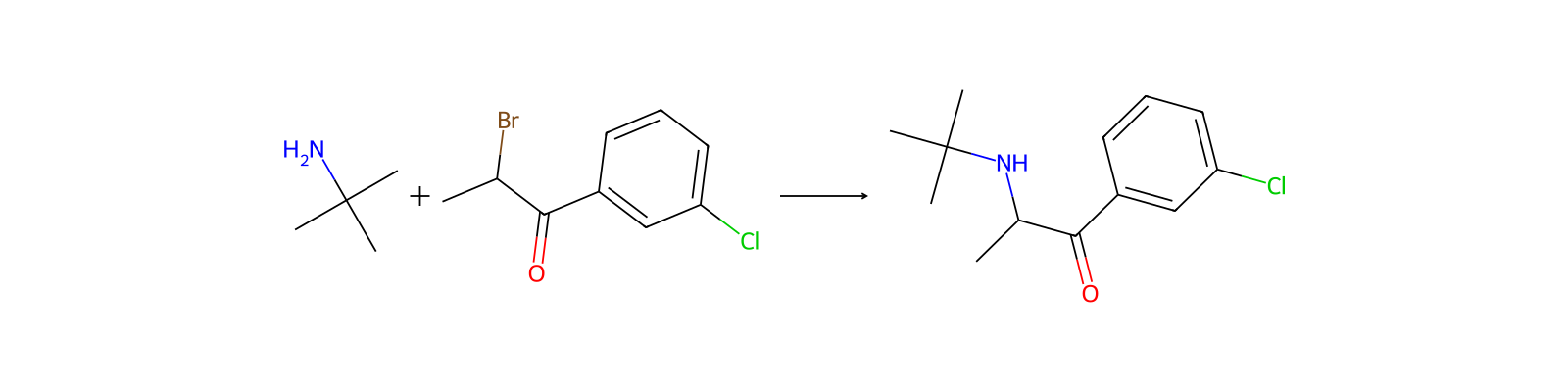
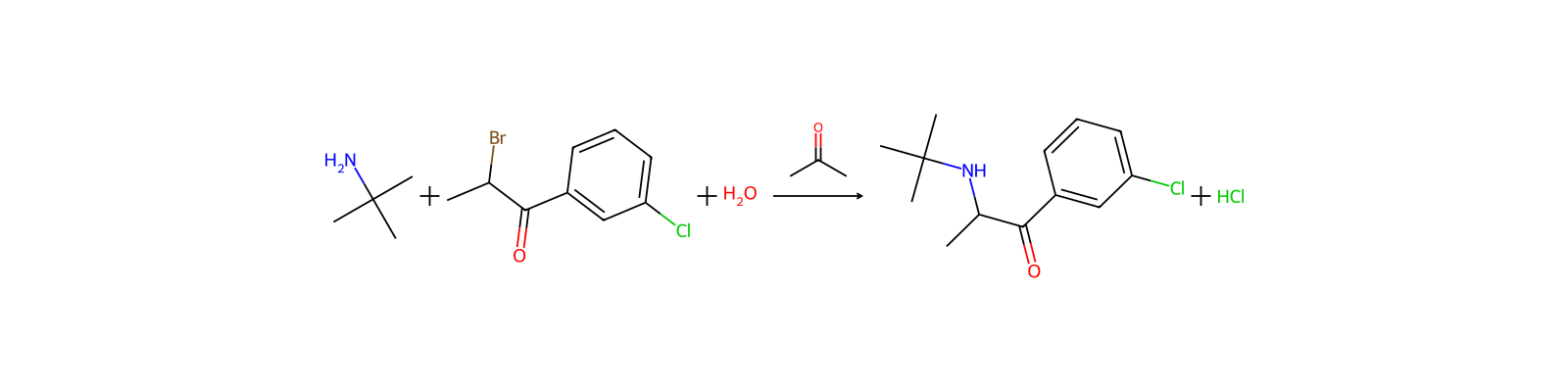
Verwendentert-butylamine is used as a precursor for the preparation of rubber accelerators, pharmaceuticals and dyes. It is employed in synthesis of N-tert-butyl-acetamide, isoquinolines, pyridines, decumbenine, sulfontes, sulfonamides and methyl beta-ketophosphonate. It is also used in the study the effect of amines in influencing atmospheric sulfuric acid - water nucleation, hydroamination of terminal alkynes and measuring the surface acidity of solid catalyst. It acts as an indicator molecule in the study of NMR -based pH determination method.
Darstellung
synthetischetert-Butylamine is produced commercially by direct amination of isobutylene using zeolite catalysts:NH3 + CH2=C(CH3)2 → H2NC(CH3)3The Ritter reaction of isobutene with hydrogen cyanide is not useful because it produces too much waste.(CH3)2C=CH2 + HCN + H2O → (CH3)3CNHCHO(CH3)3CNHCHO + H2O → (CH3)3CNH2 + HCO2HIn the laboratory, it can be prepared by the hydrogenolysis of 2,2-dimethylethylenimine, or via tert-butylphthalimide.
Vor- und nachgelagerte Produkte
Vorgelagerte Rohstoffe
Nachgelagerte Produkte
Anbieter50 Anbieter
国药集团化学试剂有限公司86-21-63210123 · [email protected]
梯希爱(上海)化成工业发展有限公司021-67121386 · [email protected]
上海阿拉丁生化科技股份有限公司400-6206333 13167063860 · [email protected]
Career Henan Chemica Co+86-0371-86658258 +86-13203830695 · [email protected]
山东科研制药有限公司13053388919
艾特(浙江)供应链管理有限公司15553101207 18615619105
河北创海生物科技有限公司+86-86-13131129325 · [email protected]
T&W GROUP021-61551611 13296011611 · [email protected]
爱斯特(成都)生物制药股份有限公司+86-28-85122536 85324413 · [email protected]
淄博联碳化学有限公司0533-0533-13695336297 13695336297 · [email protected]
上海迈瑞尔生化科技有限公司4006356688 18621169109 · [email protected]
阿法埃莎(中国)化学有限公司400-6106006 · [email protected]
安耐吉化学&3A(安徽泽升科技股份有限公司)400-0056266 · [email protected]
上海瀚鸿科技股份有限公司021-54306202 13764082696 · [email protected]
上海柯维化学技术有限公司021-64609169 18901607656 · [email protected]
上海沃化化工有限公司021-57681602-802 17302146015 · [email protected]
上海景颜化工科技有限公司13817811078 · [email protected]
Pure Chemistry Scientific Inc.001-857-928-2050 or 1-888-588-9418 · [email protected]
上海忆嵘生物科技有限公司18049974220 · [email protected]
玛雅试剂+86 (573) 82222445 (0)18006601000 452520369 · [email protected]
四川库利南科技有限公司400-1166-196 18981987031 · [email protected]
天津希恩思生化科技有限公司400 638 7771 · [email protected]
南京维奥化工有限公司Please Send Email 18652950785 · [email protected]
Hebei Qige Biological Technology Co. Ltd+86 +8618733132031
斯百全化学(上海)有限公司021-021-021-67601398-809-809-809 15221380277 · [email protected]
艾科试剂4008-755-333 18080918076 · [email protected]
上海思域化工科技有限公司86-21-34053660 · [email protected]
赛默飞世尔科技(中国)有限公司800-810-5118 · [email protected]
北京伊诺凯科技有限公司400-810-7969 010-59572699 · [email protected]
TCI AMERICA800-4238616 · [email protected]
TOKYO CHEMICAL INDUSTRY CO., LTD.03-36680489 · [email protected]
TCI Europe320-37350700 · [email protected]
上海贤鼎生物科技有限公司4009209199 · [email protected]
山东新华制药股份有限公司0533- 2196801 18853385675 · [email protected]
北京环宇世纪化学科技有限公司hysj_bj.com
上海将来实业股份有限公司021-61552785 · [email protected]
HBCChem, Inc.+1-510-219-6317 · [email protected]
日照力德士化工有限公司010-51268198 · [email protected]
美岚实业(上海)有限公司021-58958189 · [email protected]
上海爱蝶实业有限公司021-58957966 18930537195 · [email protected]
成都零六生物科技有限公司400-1166-196 13458535857 · [email protected]
广拓化学(上海)有限公司021-60899189-8001 18918189673 · [email protected]
雷丁试剂0510-85629785 18013409632 · [email protected]
上海御略医药科技有限公司021-60345187 13671753212 · [email protected]
上海麦克林生化科技股份有限公司15221275939 15221275939 · [email protected]
杭州杰恒化工有限公司0571-87396432 · [email protected]
上海嵩爰化工科技有限公司010-1234567 18521000990 · [email protected]
上海有朋化工有限公司021-69005955 13701776567 · [email protected]
上海凯赛化工有限公司021-33516722 13701817765 · [email protected]
上海彤源化工有限公司021-021-69182866 13701855675 · [email protected]
Ergänzende Hinweise
DefinitionChEBI: Tert-butylamine is a primary aliphatic amine that is ethylamine substituted by two methyl groups at position 1. It is a conjugate base of a tert-butylammonium.
Zugehörige Reaktionen
2.097


Verknüpfte Notizen
Wird geladen…