

Grundinformationen
- Standard-SMILES
CC(=O)C(C)=O- InChIKey
QSJXEFYPDANLFS-UHFFFAOYSA-N- Summenformel
- C4H6O2
- Durchschnittliche Molmasse
- 86,09 g/mol
- Monoisotopische Masse
- 86,03677943
Überblick
Diacetyl appears as a clear colorless liquid with a strong chlorine-like odor. Flash point 80 °F. Less dense than water. Vapors heavier than air.
Namen und Bezeichner
- Bevorzugter Name
- Butanedione
- IUPAC
- butane-2,3-dione
- Englischer Name
- 2,3-Butanedione-13C2
- Summenformel
- C4H6O2
- Molmasse
- 86.08924
Namen und Synonyme
2,3-butanedionediacetylbiacetylButane-2,3-dione431-03-8dimethylglyoxalButanedionedimethyl diketoneDimethyl glyoxal2,3-diketobutane2,3-dioxobutane2,3-Butadione
Weitere Namen anzeigen
Biacetyl-13C2NSC 8750-13C2Diacetyl-13C2Butanedione-13C22,3-Butadione-13C2DiMethylglyoxal-13C22,3-Butanedione-13C22,3-Dioxobutane-13C22,3-Diketobutane-13C2DiMethyl Diketone-13C2
Glyoxal, dimethyl-2,3-butandioneFEMA No. 2370DTXSID6021583AI3-03313K324J5K4HMNSC-8750DTXCID701583
Datenbank-Bezeichner
- CAS
1173018-75-1、431-03-8- PubChem CID
- 650
- DTXSID
DTXSID6021583- ChEMBL
CHEMBL365809- ChEBI
CHEBI:16583- UNII
- K324J5K4HM
- EC Number
- 207-069-8、694-187-1
- Nikkaji
- J2.586K
Eigenschaften
Berechnete Struktureigenschaften
- XLogP
- -1,3
- Polarare Oberfläche (TPSA)
- 34,1 Ų
- H-Brücken-Donoren
- 0
- H-Brücken-Akzeptoren
- 2
- Frei drehbare Bindungen
- 1
- Schwere Atome
- 6
- Formalladung
- 0
- Komplexität
- 71,5
Experimentelle und physikochemische Eigenschaften
Chemical Classes
Other Classes -> Aliphatic Ketones, Other
Flammable agents - 3rd degree
LipidsFatty Acyls [FA] -> Oxygenated hydrocarbons [FA12]
SpringerMaterials PropertiesSchoenflies notation
FragrancesFragrance Ingredient (Diacetyl) -> IFRA transparency List
LogP
log Kow = -1.34
-1.34
-1.34
Odor
Quinone odor; vapors have a chlorine-like odor
Very strong buttery odor in dilute solution
Strong odor
Taste
Taste characteristics at 50 ppm: sweet, buttery, creamy and milky
Threshold taste detection in milk (gas chromatically pure): 1.40X10⁻² ppm and 2.90X10⁻² ppm; in skim milk: 1.00X10⁻¹ ppm
Threshold taste detection in water (gas chromatically pure): 5.40X10⁻³ ppm; in water: 1.00X10⁻⁸% (volume/volume or wg/wg).
Food AdditivesFLAVORING AGENT OR ADJUVANT -> FDA Substance added to food
Density
0.99 at 59 °F (NTP, 1992) - Less dense than water; will float
0.990 at 15 °C/15 °C
Relative density (water = 1): 1.1
0.975-0.990
0.99 at 59 °F
0.990 @ 15°C
Flavoring AgentsEU Flavoring substances
Color/Form
Greenish-yellow liquid
Yellow liquid
Solubility
greater than or equal to 100 mg/mL at 72 °F (NTP, 1992)
In water, 200 g/L at 20 °C
Soluble in about 4 parts water
Readily soluble in all important organic solvents
Miscible with ether
For more Solubility (Complete) data for DIACETYL (8 total), please visit the HSDB record page.
Physikochemische Eigenschaften
- Dichte
- 1.003 g/mL · 1.003 g/mL at 25 °C
- Flammpunkt
- 7 °C · 7°C
- storage temp.
- 2 · 2-8°C
- Aggregatzustand
- liquid
- Siedepunkt
- 88 °C · 88°C
- InChI
- 1S/C4H6O2/c1-3(5)4(2)6/h1-2H3/i1+1,2+1
- InChIKey
- QSJXEFYPDANLFS-ZDOIIHCHSA-N
- SMILES
- [13CH3]C(=O)C([13CH3])=O
Sicherheit und Regulatorisches
GHS-Klassifizierung
GHS Classification
This chemical does not meet GHS hazard criteria for 0.3% (6 of 1782) of reports.
Danger
H225 (98.3%): Highly Flammable liquid and vapor [Danger Flammable liquids]
P210, P233, P240, P241, P242, P243, P260, P261, P264, P264+P265, P270, P271, P272, P280, P301+P317, P302+P352, P303+P361+P353, P304+P340, P305+P354+P338, P316, P317, P319, P321, P330, P332+P317, P333+P317, P362+P364, P370+P378, P403+P233, P403+P235, P405, and P501 (click each P-code to see the statement)
Aggregated GHS information provided per 1782 reports by companies from 35 notifications to the ECHA C&L Inventory. Each notification may be associated with multiple companies.
Danger
Gefahrenhinweise
Regulatory Information
Chemical: 2,3-Butanedione
Regulation (EC) No 1831/2003 (amended)
Status: Active Update: 29-05-2018 https://echa.europa.eu/registration-dossier/-/registered-dossier/25846
2,3-Butanedione: HSNO Approval: HSR001089 Approved with controls
The New Jersey Worker and Community Right to Know Act requires public and private employers to provide information about hazardous substances at their workplaces. (N.J.S.A. 34:5A-1 et. seq.)
Other Safety InformationEvaluation - Acetylpropionyl and diacetyl
DOT LabelFlammable Liquid
Fire Hazards
Excerpt from ERG Guide 127 [Flammable Liquids (Water-Miscible)]:
· HIGHLY FLAMMABLE: Will be easily ignited by heat, sparks or flames.
· HIGHLY FLAMMABLE: Will be easily ignited by heat, sparks or flames.
Highly flammable. Vapour/air mixtures are explosive.
Fire PotentialFlammable liquid. Dangerous fire hazard when exposed to heat or flame.
Health Hazards
Excerpt from ERG Guide 127 [Flammable Liquids (Water-Miscible)]:
· Inhalation or contact with material may irritate or burn skin and eyes.
· Inhalation or contact with material may irritate or burn skin and eyes.
Hazards Summary
Little is currently known about which chemicals used in flavorings have the potential to cause lung disease and other health effects, and what workplace exposure concentrations are safe. As part of ongoing investigations into airways disease in microwave popcorn workers, NIOSH has recently undertaken animal experiments to evaluate individual butter flavoring chemicals. Results of an animal study indicate that exposure to vapors from diacetyl, a chemical used to impart butter-like flavor, causes airway injury, though perhaps to a smaller extent than that caused by exposure to vapors from the intact butter flavoring mixture itself. [Reference #1] In the original 8 cases, there was no history of acute toxic exposure as is typical for other causes of bronchiolitis obliterans (BO). The disease developed over a longer period of time. [Reference #2] BO also reported in two flavor-manufacturing workers in California; [MMWR 2007 Apr 27;56(16): 389-93] Exposure to high concentrations (>190 ppm) of diacetyl-containing butter flavor and to pure diacetyl resulted in necrosis of nasal and airway epithelium in rats exposed in a whole-body inhalation chamber for 6 hr. . . . Our data suggest that diacetyl levels in small- to medium-sized flavor manufacturing facilities are widely variable, ranging from the limit of detection (<0.01 ppm) to as high as 60 ppm, with a mean of 1.80 ppm and a median of 0.10 ppm. These ranges are lower than those reported in the microwave popcorn plant with the index cases of BO, where diacetyl levels ranged from less that 0.01 ppm to 98 ppm, with a mean of 8.1 ppm. [PMID 18720288] In 6-hour inhalation studies of rats, causes changes to trachea or bronchi at concentrations >294 ppm; In oral lethal-dose studies, causes ataxia and coma in guinea pigs and somnolence in rats; [RTECS] See Airway obstruction related to diacetyl exposure at microwave popcorn production facilities. [PMID 19567602] TLV Basis = lung damage (bronchiolitis obliterans-like illness); Animal data suggest the respiratory tract is the primary target of diacetyl exposure, similar to humans, although, in rats this tends to be the upper airways rather than the lower airways (bronchioles). Adverse health effects also seem to occur at higher levels of exposure than in humans. Diacetyl has notations of DSEN and A3. [ACGIH] DA exposures, often exceeding 1 ppm in the past, place workers at high risk of pulmonary impairment. [PMID 29443707] Danger of skin sensitization; [MAK] See 2,3-Pentanedione.
DOT ID and Guide
2346 127
2346 127
FDA Requirements
Substance added directly to human food affirmed as generally recognized as safe (GRAS).
Synthetic flavoring substances and adjuvants /for animal drugs, feeds, and related products/ that are generally recognized as safe for their intended use, within the meaning of section 409 of the Act. Diacetyl is included on this list.
Reactive GroupKetones
UN ClassificationUN Hazard Class: 3; UN Pack Group: II
Special Reports
Integrated Laboratory Systems, Inc.; Chemical Information Review Document for Artificial Butter Flavoring and Constituents Diacetyl [CAS No. 431-03-8] and Acetoin [CAS No. 513-86-0] (2007). Available from, as of April 29, 2016:[Available from, as of April 29, 2016: http://ntp.niehs.nih.gov/ntp/htdocs/chem_background/exsumpdf/artificial_butter_flavoring_508be.pdf]
FAO/WHO Joint Expert Committee on Food Additives; WHO Food Additives Series 42: Safety evaluation of aliphatic acyclic and alicyclic alpha-diketones and related alpha-hydroxyketones (1999).[Available from, as of April 28, 2016: http://www.inchem.org/pages/jecfa.html]
Opdyke DLJ; Monographs on Fragrance Raw Materials. Diacetyl; Food & Cosmet Toxicol 17 (SUPPL): 765 (1979). A review on diacetyl incl toxicity, irritation, sensitization, carcinogenicity, mutagenicity, teratogenicity, effects on cells & enzymes, & odor threshold.
Sicherheit und Schutzausrüstung
Fire Fighting
Excerpt from ERG Guide 127 [Flammable Liquids (Water-Miscible)]:
Use powder, alcohol-resistant foam, water spray, carbon dioxide. In case of fire: keep drums, etc., cool by spraying with water.
First Aid Measures
Fresh air, rest. Refer for medical attention.
Remove contaminated clothes. Rinse skin with plenty of water or shower.
First rinse with plenty of water for several minutes (remove contact lenses if easily possible), then refer for medical attention.
Rinse mouth. Give one or two glasses of water to drink. Seek medical attention if you feel unwell.
Accidental Release Measures
· CALL 911. Then call emergency response telephone number on shipping paper. If shipping paper not available or no answer, refer to appropriate telephone number listed on the inside back cover.
· ELIMINATE all ignition sources (no smoking, flares, sparks or flames) from immediate area.
· CALL 911. Then call emergency response telephone number on shipping paper. If shipping paper not available or no answer, refer to appropriate telephone number listed on the inside back cover.
· ELIMINATE all ignition sources (no smoking, flares, sparks or flames) from immediate area.
First Aid
EYES: First check the victim for contact lenses and remove if present. Flush victim's eyes with water or normal saline solution for 20 to 30 minutes while simultaneously calling a hospital or poison control center. Do not put any ointments, oils, or medication in the victim's eyes without specific instructions from a physician. IMMEDIATELY transport the victim after flushing eyes to a hospital even if no symptoms (such as redness or irritation) develop.
General First Aid:
General First Aid:
Safe StorageFireproof. Store in an area without drain or sewer access. Separated from : see Chemical Dangers.
Firefighting Hazards
Vapors are heavier than air and will collect in low areas. Vapors may travel long distances to ignition sources and flashback. Vapors in confined areas may explode when exposed to fire. Storage containers and parts of containers may rocket great distances, in many directions.
Exposure Control and Personal Protection
· Wear positive pressure self-contained breathing apparatus (SCBA).
· Wear positive pressure self-contained breathing apparatus (SCBA).
0.02 [ppm]
Fire Fighting Procedures
Suitable extinguishing media: For small (incipient) fires, use media such as "alcohol" foam, dry chemical, or carbon dioxide. For large fires, apply water from as far as possible. Use very large quantities (flooding) of water applied as a mist or spray; solid streams of water may be ineffective. Cool all affected containers with flooding quantities of water.
Advice for firefighters: Wear self-contained breathing apparatus for firefighting if necessary.
Use water spray to cool unopened containers.
To fight fire, use alcohol foam, CO2, dry chemical.
For more Fire Fighting Procedures (Complete) data for DIACETYL (6 total), please visit the HSDB record page.
Storage Conditions
Store in cool place. Keep container tightly closed in a dry and well-ventilated place. Containers which are opened must be carefully resealed and kept upright to prevent leakage. Recommended storage temperature 2 - 8 °C. Storage class (TRGS 510): Flammable liquids.
Store in a flammable liquid storage area or approved cabinet away from ignition sources and corrosive and reactive materials. Store in tightly closed containers in a cool, well-ventilated area. Sources of ignition, such as smoking and open flames, are prohibited where butanedione is used, handled, or stored in a manner that could create a potential fire or explosion hazard. Metal containers involving the transfer of 5 gallons or more of butanedione should be grounded and bonded. Drums must be equipped with self-closing valves, pressure vacuum bungs and flame arresters. Use only nonsparking tools and equipment, especially when opening and closing containers of butanedione. Wherever butanedione is used, handled, manufactured, or stored, use explosion-proof electrical equipment and fittings.
Cleanup Methods
ACCIDENTAL RELEASE MEASURES: Personal precautions, protective equipment and emergency procedures: Wear respiratory protection. Avoid breathing vapors, mist or gas. Ensure adequate ventilation. Remove all sources of ignition. Evacuate personnel to safe areas. Beware of vapors accumulating to form explosive concentrations. Vapors can accumulate in low areas. Environmental precautions: Prevent further leakage or spillage if safe to do so. Do not let product enter drains. Methods and materials for containment and cleaning up: Contain spillage, and then collect with an electrically protected vacuum cleaner or by wet-brushing and place in container for disposal according to local regulations.
Evacuate and restrict persons not wearing protective equipment from area of spill or leak until cleanup is complete. Remove all ignition sources. Ventilate area of spill or leak. Absorb liquids in vermiculite, dry sand, earth, or a similar material and deposit in sealed containers. Keep butanedione out of confined space, such as a sewer, because of the possibility of an explosion, unless the sewer is designed to prevent the build up of explosive concentrations. It may be necessary to contain and dispose of this chemical as a hazardous waste. If material or contaminated runoff enters waterways, notify downstream users of potentially contaminated waters.
Environmental considerations--land spill: Dig a pit, pond, lagoon, holding area to contain liquid or solid material. /SRP: If time permits, pits, ponds, lagoons, soak holes, or holding areas should be sealed with an impermeable flexible membrane liner./ Dike surface flow using soil, sand bags, foamed polyurethane, or foamed concrete. Absorb bulk liquid with fly ash, cement powder, or commercial sorbents.
Environmental considerations--water spill: Use natural barriers or oil spill control booms to limit spill travel. Remove trapped material with suction hoses.
Environmental considerations--air spill: Apply water spray or mist to knock down vapors.
Nonfire Spill ResponseExcerpt from ERG Guide 127 [Flammable Liquids (Water-Miscible)]:
Disposal Methods
SRP: Recycle any unused portion of the material for its approved use or return it to the manufacturer or supplier. Ultimate disposal of the chemical must consider: the material's impact on air quality; potential migration in air, soil or water; effects on animal, aquatic and plant life; and conformance with environmental and public health regulations. If it is possible or reasonable use an alternative chemical product with less inherent propensity for occupational harm/injury/toxicity or environmental contamination.
SRP: Wastewater from contaminant suppression, cleaning of protective clothing/equipment, or contaminated sites should be contained and evaluated for subject chemical or decomposition product concentrations. Concentrations shall be lower than applicable environmental discharge or disposal criteria. Alternatively, pretreatment and/or discharge to a permitted wastewater treatment facility is acceptable only after review by the governing authority and assurance that "pass through" violations will not occur. Due consideration shall be given to remediation worker exposure (inhalation, dermal and ingestion) as well as fate during treatment, transfer and disposal. If it is not practicable to manage the chemical in this fashion, it must be evaluated in accordance with EPA 40 CFR Part 261, specifically Subpart B, in order to determine the appropriate local, state and federal requirements for disposal.
Product: Burn in a chemical incinerator equipped with an afterburner and scrubber but exert extra care in igniting as this material is highly flammable. Offer surplus and non-recyclable solutions to a licensed disposal company. Contact a licensed professional waste disposal service to dispose of this material. Contaminated packaging: Dispose of as unused product.
Dissolve or mix the material with a combustible solvent and burn in a chemical incinerator equipped with an afterburner and scrubber. All federal, state, and local environmental regulations must be observed.
Toxikologische Informationen
Treatment
If the compound has been ingested, rapid gastric lavage should be performed using 5% sodium bicarbonate. For skin contact, the skin should be washed with soap and water. If the compound has entered the eyes, they should be washed with large quantities of isotonic saline or water. In serious cases, atropine and/or pralidoxime should be administered. Anti-cholinergic drugs work to counteract the effects of excess acetylcholine and reactivate AChE. Atropine can be used as an antidote in conjunction with pralidoxime or other pyridinium oximes (such as trimedoxime or obidoxime), though the use of '-oximes' has been found to be of no benefit, or possibly harmful, in at least two meta-analyses. Atropine is a muscarinic antagonist, and thus blocks the action of acetylcholine peripherally.
Interactions
"Popcorn workers' lung" is an obstructive pulmonary disease produced by inhalation of volatile artificial butter flavorings. In rats, inhalation of diacetyl, a major component of butter flavoring, and inhalation of a diacetyl substitute, 2,3-pentanedione, produce similar damage to airway epithelium. The effects of diacetyl and 2,3-pentanedione and mixtures of diacetyl, acetic acid, and acetoin, all components of butter flavoring, on pulmonary function and airway reactivity to methacholine (MCh) were investigated. Lung resistance (RL) and dynamic compliance (Cdyn) were negligibly changed 18 hr after a 6-hr inhalation exposure to diacetyl or 2,3-pentanedione (100-360 ppm). Reactivity to MCh was not markedly changed after diacetyl, but was modestly decreased after 2,3-pentanedione inhalation. Inhaled diacetyl exerted essentially no effect on reactivity to mucosally applied MCh, but 2,3-pentanedione (320 and 360 ppm) increased reactivity to MCh in the isolated, perfused trachea preparation (IPT). In IPT, diacetyl and 2,3-pentanedione (>/= 3 mM) applied to the serosal and mucosal surfaces of intact and epithelium-denuded tracheas initiated transient contractions followed by relaxations. Inhaled acetoin (150 ppm) exerted no effect on pulmonary function and airway reactivity in vivo; acetic acid (27 ppm) produced hyperreactivity to MCh; and exposure to diacetyl + acetoin + acetic acid (250 + 150 + 27 ppm) led to a diacetyl-like reduction in reactivity. Data suggest that the effects of 2,3-pentanedione on airway reactivity are greater than those of diacetyl, and that flavorings are airway smooth muscle relaxants and constrictors, thus indicating a complex mechanism.
Diacetyl induced mitotic chromosome loss in Saccharomyces cerevisiae in the presence of propionitrile.[Integrated Laboratory Systems, Inc.; Chemical Information Review Document for Artificial Butter Flavoring and Constituents Diacetyl [CAS No. 431-03-8] and Acetoin
In CHO AUXB1 cells, bisulfite significantly reduced the frequency of SCEs and proportion of endoreduplicated cells when diacetyl was administered. Sodium sulfite and heterocyclic amines inactivated the mutagenicity of diacetyl in S. typhimurium strain TA100.[Integrated Laboratory Systems, Inc.; Chemical Information Review Document for Artificial Butter Flavoring and Constituents Diacetyl [CAS No. 431-03-8] and Acetoin
Reuterin (beta-hydroxypropionialdehyde) is a broad-spectrum antimicrobial substance produced by some strains of Lactobacillus reuteri during anaerobic fermentation of glycerol. Some of these strains are able to survive and produce reuterin in cheese and yogurt when added as adjuncts to the starter. Similarly, in fermented dairy foods, other inhibitory compounds such as lactic acid and diacetyl are produced during fermentation. In this work, we studied the combined effect of reuterin and diacetyl under different pH conditions against Escherichia coli O157:H7, Salmonella enteritidis, and Listeria monocytogenes. Results from agar spot assays showed that the antimicrobial activity of reuterin-producing strains against the gram-negative bacteria tested was enhanced as the concentration of diacetyl increased to 50 mg/kg, and was higher under acidic conditions (pH 5.0) for the 3 pathogenic strains. The combination of reuterin and diacetyl had an additive effect against L. monocytogenes only at diacetyl concentrations of 50 mg/kg and pH 5.0. In addition, growth kinetics studies showed that the combination of 1 activity unit (AU)/mL of reuterin with 100mg/kg diacetyl increased the lag time of the 3 pathogens. In milk, synergistic antimicrobial activity was observed with the combination of 1 AU/mL reuterin and 50 or 100 mg/kg of diacetyl on the gram-negative strains tested, and with 1 AU/mL reuterin and 100 mg/kg of diacetyl on L. monocytogenes. The greatest inhibition of the 3 pathogens was achieved in acidified milk at pH 5.0 with reuterin (1 AU/mL) and diacetyl (100 mg/kg). Based on these results, the combination of reuterin and diacetyl in acidified dairy products could be a promising strategy to control food pathogens in these products.
Health Effects
Acute exposure to cholinesterase inhibitors can cause a cholinergic crisis characterized by severe nausea/vomiting, salivation, sweating, bradycardia, hypotension, collapse, and convulsions. Increasing muscle weakness is a possibility and may result in death if respiratory muscles are involved. Accumulation of ACh at motor nerves causes overstimulation of nicotinic expression at the neuromuscular junction. When this occurs symptoms such as muscle weakness, fatigue, muscle cramps, fasciculation, and paralysis can be seen. When there is an accumulation of ACh at autonomic ganglia this causes overstimulation of nicotinic expression in the sympathetic system. Symptoms associated with this are hypertension, and hypoglycemia. Overstimulation of nicotinic acetylcholine receptors in the central nervous system, due to accumulation of ACh, results in anxiety, headache, convulsions, ataxia, depression of respiration and circulation, tremor, general weakness, and potentially coma. When there is expression of muscarinic overstimulation due to excess acetylcholine at muscarinic acetylcholine receptors symptoms of visual disturbances, tightness in chest, wheezing due to bronchoconstriction, increased bronchial secretions, increased salivation, lacrimation, sweating, peristalsis, and urination can occur. Certain reproductive effects in fertility, growth, and development for males and females have been linked specifically to organophosphate pesticide exposure. Most of the research on reproductive effects has been conducted on farmers working with pesticides and insecticdes in rural areas. In females menstrual cycle disturbances, longer pregnancies, spontaneous abortions, stillbirths, and some developmental effects in offspring have been linked to organophosphate pesticide exposure. Prenatal exposure has been linked to impaired fetal growth and development. Neurotoxic effects have also been linked to poisoning with OP pesticides causing four neurotoxic effects in humans: cholinergic syndrome, intermediate syndrome, organophosphate-induced delayed polyneuropathy (OPIDP), and chronic organophosphate-induced neuropsychiatric disorder (COPIND). These syndromes result after acute and chronic exposure to OP pesticides.
Environmental Fate
TERRESTRIAL FATE: Based on a classification scheme(1), an estimated Koc value of 1(SRC), determined from a structure estimation method(2), indicates that diacetyl is expected to have very high mobility in soil(SRC). Volatilization of diacetyl from moist soil surfaces is expected to be an important fate process(SRC) given a Henry's Law constant of 1.33X10⁻⁵ atm-cu m/mole(3). Diacetyl is expected to volatilize from dry soil surfaces(SRC) based upon a vapor pressure of 56.8 mm Hg at 25 °C(4). A bacterium that was isolated from Amsterdam harbor water using 2-butanol and tentatively identified as a Pseudomonas was able to degrade diacetyl(5). Diacetyl was identified as an intermediate in the microbial oxidation of 2-butanol(5). Since 2-butanol is biodegradable using river water or sewage inoculums with extensive mineralization(6-9), biodegradation of diacetyl may be an environmental process in soil(SRC).
AQUATIC FATE: Based on a classification scheme(1), an estimated Koc value of 1(SRC), determined from a structure estimation method(2), indicates that diacetyl is not expected to adsorb to suspended solids and sediment(SRC). Volatilization from water surfaces is expected(3) based upon a Henry's Law constant of 1.33X10⁻⁵ atm-cu m/mole(4). Using this Henry's Law constant and an estimation method(3), volatilization half-lives for a model river and model lake are 1.7 days and 22 days, respectively(SRC). According to a classification scheme(5), an estimated BCF of 3(SRC),from its log Kow of -1.34(6) and a regression-derived equation(2), suggests the potential for bioconcentration in aquatic organisms is low. A bacterium that was isolated from Amsterdam harbor water using 2-butanol and tentatively identified as a Pseudomonas was able to degrade diacetyl(7). Diacetyl was identified as an intermediate in the microbial oxidation of 2-butanol(7). Since 2-butanol is biodegradable using river water or sewage inoculums with extensive mineralization(8-11), biodegradation of diacetyl may be an environmental fate process in water(SRC).
ATMOSPHERIC FATE: According to a model of gas/particle partitioning of semivolatile organic compounds in the atmosphere(1), diacetyl, which has a vapor pressure of 56.3 mm Hg at 25 °C(2), is expected to exist solely as a vapor in the ambient atmosphere. Vapor-phase diacetyl is degraded in the atmosphere by reaction with photochemically-produced hydroxyl radicals(SRC); the half-life for this reaction in air is estimated to be 67 days(SRC), calculated from its rate constant of 2.38X10⁻¹³ cu cm/molecule-sec at 25 °C(3). Diacetyl contains chromophores that absorb at wavelengths >290 nm(4) and, therefore, may be susceptible to direct photolysis by sunlight(SRC). The direct photolysis half-life of diacetyl in the atmosphere has been reported at 0.7 hr(5).
Food Survey Values
Diacetyl has been measured in canned cream corn (5 ppb), canned corn (5 ppb), frozen corn (<2 ppb) and fresh corn (<2 ppb)(1). Diacetyl was found in popcorn using wet extraction method at 170 ug/kg(2). Diacetyl mean concentration of 4 blends of home brewed coffee and 8 blends of instant coffee were 19 and 26 ug/g, respectively(3). Diacetyl was identified in beer(4), roasted earth almonds (Cyperus esculentus l.)(5), dry-cured ham(6), roasted filberts(7), and cooked beef(8). Diacetyl was found in tree ripened whole nectarine(9). Diacetyl was identified in autooxidised sesame, and safflower(10).
Adverse EffectsSkin Sensitizer - An agent that can induce an allergic reaction in the skin.
Exposure Routes
The substance can be absorbed into the body by inhalation and by ingestion.
Oral (L1280) ; inhalation (L1280) ; dermal (L1280) ; eye contact (L1280)
Milk ConcentrationsDiacetyl was identified in Kefir culture(1), cream culture(1) and milk(2).
Toxicity Summary
IDENTIFICATION AND USE: Diacetyl (DA) is a yellow liquid. It is used as synthetic flavoring substance and adjuvant. Diacetyl has been widely used as a chemical modifier of proteins, combining with arginine residues. HUMAN EXPOSURE AND TOXICITY: Diacetyl is a diketone flavoring agent that is commonly employed for buttery taste as well as other purposes. Industrial exposure to flavoring agents, particularly diacetyl, has recently been associated with bronchiolitis obliterans, a severe respiratory illness producing fibrosis and obstruction of the small airways. This has been most commonly reported in the microwave popcorn production industry, but it has occurred elsewhere. In addition to bronchiolitis obliterans, spirometry abnormalities (fixed airflow obstruction) and respiratory symptoms have been associated with exposure. A direct effect on the respiratory epithelium with the disorganized fibrotic repair appears most likely as the underlying mechanism. Current data suggest that diacetyl is the agent responsible, although it is possible that diacetyl is simply a marker for another causative agent. Workers at the microwave popcorn company experienced normal rates of all-cause mortality but higher rates of chronic obstructive pulmonary disease-associated mortality, especially workers employed before the company reduced diacetyl exposure. According to case reports, lung disease could also arise in the consumers of diacetyl-containing popcorn. ANIMAL STUDIES: Male mice were exposed by inhalation to 200 or 400 ppm DA 6 hr/day for 5 days. 400 ppm caused deaths and acute necrotizing rhinitis, laryngitis and bronchitis (proximal large bronchi). Exposure to 200 ppm caused a few deaths and acute necrotizing rhinitis and erosive or necrotizing laryngitis in all mice. There were no lung or bronchiolar lesions in the DA exposed mice. Chronic bronchitis, laryngitis, and rhinitis were present after 2 and 4 weeks of exposure. In rats diacetyl inhalation increases substance P levels in sensory nerves of airway epithelium. Because substance P release in airways promotes inflammation and activation of sensory nerves mediates reflexes, neural changes may contribute to flavorings-related lung disease pathogenesis. When given i.p. to mice once weekly for 24 weeks, diacetyl (1.70 or 8.40 mg/kg [0.0197 or 0.0976 mmol/kg]) did not induce any lung tumors. Groups of hamsters, mice, and rats were given a solution containing 90% diacetyl by gavage on days 6-10 of gestation for hamsters and days 6-15 of gestation for mice and rats. The doses for all species were 16, 74, 345, or 1600 mg/kg bw per day. No effects were seen on maternal survival, weight, or reproductive parameters or on fetal survival or microscopic appearance of external, skeletal, or soft tissues. Diacetyl induced mitotic chromosome loss in Saccharomyces cerevisiae in the presence of propionitrile. In several bacterial assays, diacetyl generally showed mutagenic activity in Salmonella typhimurium strains TA100, 102, and 104 with and without metabolic activation but none against strain TA98. Conflicting results were obtained in Escherichia coli strain WP2 uvra, but nonmutagenicity was demonstrated in the SOS-chromotest using E. coli PQ37. Diacetyl was also negative in a micronucleus test using mouse bone marrow cells.
Diacetyl is a cholinesterase or acetylcholinesterase (AChE) inhibitor. A cholinesterase inhibitor (or 'anticholinesterase') suppresses the action of acetylcholinesterase. Because of its essential function, chemicals that interfere with the action of acetylcholinesterase are potent neurotoxins, causing excessive salivation and eye-watering in low doses, followed by muscle spasms and ultimately death. Nerve gases and many substances used in insecticides have been shown to act by binding a serine in the active site of acetylcholine esterase, inhibiting the enzyme completely. Acetylcholine esterase breaks down the neurotransmitter acetylcholine, which is released at nerve and muscle junctions, in order to allow the muscle or organ to relax. The result of acetylcholine esterase inhibition is that acetylcholine builds up and continues to act so that any nerve impulses are continually transmitted and muscle contractions do not stop. Among the most common acetylcholinesterase inhibitors are phosphorus-based compounds, which are designed to bind to the active site of the enzyme. The structural requirements are a phosphorus atom bearing two lipophilic groups, a leaving group (such as a halide or thiocyanate), and a terminal oxygen.
Plant Concentrations
Diacetyl was found in tree ripened whole nectarine(1) and as a volatile constituent of kiwi fruit flower(2).
Diactyl occurrence in plants(1).[Table#991]
Animal ConcentrationsDiacetyl was found in raw chicken breast muscle(1).
Signs and Symptoms
Cough. Drowsiness. Nausea. Headache. Sore throat.
Redness.
Redness. Pain. Burns.
Sore throat.
Causes eye irritation, redness and pain. Causes moderate skin irritation. Harmful if swallowed. May cause gastrointestinal irritation with nausea, vomiting and diarrhea. Causes respiratory tract irritation. Vapors may cause dizziness or suffocation. Harmful if inhaled. High exposure to butanedione may cause headache, drowsiness, lack of coordination and seizures (L1280).
Regulatorische Informationen
FDA Requirements
Substance added directly to human food affirmed as generally recognized as safe (GRAS).
Synthetic flavoring substances and adjuvants /for animal drugs, feeds, and related products/ that are generally recognized as safe for their intended use, within the meaning of section 409 of the Act. Diacetyl is included on this list.
Sicherheitsdaten
- wgk
- 2
- ridadr
- UN 2346
- hazard_class
- 3
- packing_group
- II
- Speicherklasse
- 3 - Flammable liquids
- Hazard Classifications
- Acute Tox. 3 InhalationAcute Tox. 4 OralEye Dam. 1Flam. Liq. 2Skin Irrit. 2Skin Sens. 1STOT RE 2 Inhalation
Chemie und Industrie
Pharmakologische Informationen
Metabolism/Metabolites
In a rat liver prepn, KB-1585 ... , a new orally well-absorbed ester of ampicillin, ... was rapidly hydrolyzed to ampicillin and diacetyl which was further metabolized to 2,3-butanediol via acetoin.
Pigeon-liver diacetyl reductase catalyzed the conversion of diacetyl to acetoin.
The metabolism of diacetyl (2,3-butanedione), acetoin (3-hydroxy-2-butanone), and 2,3-butanediol, which are metabolites of acetaldehyde was quantitatively investigated using rat liver homogenate, liver perfusion, and in vivo experiments. Diacetyl and acetoin were reduced to 2,3-butanediol in these experiments, but acetoin and 2,3-butanediol were scarcely oxidized to diacetyl, indicating that the reduction reaction to 2,3-butanediol from diacetyl occurs actively in rat liver. The formation of acetoin from diacetyl required either NADH or NADPH as a reductant, while the reduction of acetoin to 2,3-butanediol required NADH. Acetoin and 2,3-butanediol were more readily accumulated than diacetyl in brain tissue.
Diacetyl is reduced to 2,3-butanediol (A350).
Absorption, Distribution and Excretion
2,3-Butanedione (BD) is a reactive diketone in artificial butter flavors that is thought to cause bronchiolitis obliterans in workers in microwave popcorn manufacturing. Bronchiolitis obliterans is generally not diagnosed until irreversible damage has occurred; therefore a biomarker of early exposure is needed. The potential systemic uptake of BD from inhalation exposure has not been evaluated. The objective here was to evaluate the systemic exposure of BD and binding to hemoglobin and albumin. [(14)C]BD was administered to male Harlan Sprague Dawley rats (100 mg/kg, intratracheal instillation) and B6C3F1/N mice (157 mg/kg, oropharyngeal aspiration). Blood and plasma was collected 24 hr after administration and analyzed for (14)C content. At 24 hr, 0.88 +/- 0.07% of the administered dose was in rat blood, 0.66 +/- 0.06% in rat plasma, 0.38 +/- 0.13% in mouse blood and 0.17 +/- 0.05% in mouse plasma. Albumin binding in rats was 269 +/- 24.2 ng equiv./mg, which accounts for 38% of the radioactivity in plasma. In mice, binding was 85.0 +/- 22.3 ng equiv./mg albumin, which accounts for 51% of the radioactivity in plasma. The binding to hemoglobin in rats was 38.2 +/- 17.6 ng equiv./mg, and to globin was 29.1 +/- 3.96 ng equiv./mg. In mice, the binding to hemoglobin was 16.2 +/- 9.0 ng equiv./mg. The site(s) of adduction on hemoglobin and albumin was investigated by mass spectrometry. In rat globin, arginine adducts were detected at R-30 and R-104 of the beta chain in vitro and in vivo. In rat albumin, adducts were detected in vitro on R-219/221, R-360, and R-368, and in vivo on a variety of arginine residues. This study demonstrated that BD enters the systemic circulation and reacts with arginine on hemoglobin and albumin. These results indicate that hemoglobin and albumin adducts may be useful as biomarkers of BD exposure in humans.
When administered to male Fischer 344 rats via intragastric gavage, a single dose of radiolabeled [(14)C]diacetyl (1.58, 15.8, or 158 mg/kg [0.0184, 0.184, or 1.84 mmol/kg]) resulted in excretion of 82.0, 72.7, and 54.3% of the administered doses, respectively, as carbon dioxide at 72 hours. In urine, the excreted amounts were 6.86, 15.7, and 34.1%, respectively. At all tested levels, total excretion of radioactivity in urine, feces, and expired breath accounted for 86-87% of the dose recovered within 24 hours. In normal rat liver mitochondria, diacetyl uncoupled oxidative phosphorylation, totally eliminated respiratory control with substrates, and partially eliminated it with succinate.[Integrated Laboratory Systems, Inc.; Chemical Information Review Document for Artificial Butter Flavoring and Constituents Diacetyl [CAS No. 431-03-8] and Acetoin
... The goal of this study was to develop a physiologically based pharmacokinetic model for inspired vapor dosimetry and to apply the model to diacetyl. The respiratory tract was modeled as a series of airways: nose, trachea, main bronchi, large bronchi, small bronchi, bronchioles, and alveoli with tissue dimensions obtained from the literature. Airborne vapor was allowed to absorb (or desorb) from tissues based on mass transfer coefficients. Transfer of vapor within tissues was based on molecular diffusivity with direct reaction with tissue substrates and/or metabolism being allowed in each tissue compartment. In vitro studies were performed to provide measures of diacetyl metabolism kinetics and direct reaction rates allowing for the development of a model with no unassigned variables. Respiratory tract uptake of halothane, acetone, ethanol and diacetyl was measured in male F344 rat to obtain data for model validation. The human model was validated against published values for inspired vapor uptake. For both the human and rat models, a close concordance of model estimates with experimental measurements was observed, validating the model. The model estimates that limited amounts of inspired diacetyl penetrate to the bronchioles of the rat (<2%), whereas in the lightly exercising human, 24% penetration to the bronchioles is estimated. Bronchiolar tissue concentrations of diacetyl in the human are estimated to exceed those in the rat by 40-fold. These inhalation dosimetric differences may contribute to the human-rat differences in diacetyl-induced airway injury.
Tissue LocationsNeuron
Cellular LocationsCytoplasm
Verwendung und Herstellung
Uses
Used to carry aroma of butter and other food flavors; [Hawley] Diacetyl occurs naturally in butter, cheese, yogurt, milk, coffee, cocoa, honey, tobacco smoke, beer, wine, and a number of flowers and plant extracts; [ACGIH]
See Reference #2 for the OSHA National Emphasis Program--Microwave Popcorn Processing Plants.
Reported uses (ppm):
Carrier of aroma of butter, vinegar, coffee and other foods.
... Mainly important as a flavor component (buttery taste). It is used in low concn in ice cream, baked goods, and margarine.
... Diacetyl was detected above the laboratory limit of detection in 39 of the 51 /e-cigarette/ flavors tested, ranging from below the limit of quantification to 239 ug/e-cigarette. ...
U.S. Imports(1977) AT LEAST 4.99X10+6 G
U.S. ProductionProduction volumes for non-confidential chemicals reported under the Inventory Update Rule. [Table#992]
Consumption PatternsESSENTIALLY 100% AS A FLAVORING AGENT
Methods of Manufacturing
Made from methyl ethyl ketone by converting to the isonitroso compound and then decomposing to diacetyl by hydrolysis with HCl; by special fermentation of glucose via methylacetylcarbinol.
... produced by the dehydrogenation of 2,3-butanediol with a copper catalyst. Prior to the availability of 2,3-butanediol, biacetyl was prepared by the nitrosation of methyl ethyl ketone and the hydrolysis of the resultant oxime. Other commercial routes include passing vinyl acetylene into a solution of mercuric sulfate in sulfuric acid and decomposing the insoluble product with dilute hydrochloric acid, by the reaction of acetal with formaldehyde, by the acid-catalyzed condensation of 1-hydroxyacetone with formaldehyde, and by fermentation of lactic acid bacterium.
... Can be obtained by oxidation of 2-butanone over a copper catalyst at 300 °C in a yield of about 60%. Production from glucose by fermentation has been described, and also the acid-catalyzed condensation of 1-hydroxyacetone (obtained by dehydrogenation of 1,2-propanediol) with formaldehyde.
Formulations/Preparations
Grades: technical; flavor grade; FCC /Food Chemicals Codex/
97%
Use Classification
Fragrance Ingredients
Flavouring Agent -> FLAVOURING_AGENT -> JECFA Functional Classes
Flavoring Agents -> JECFA Flavorings Index
Flavouring Agent -> FLAVOURING_AGENT -> JECFA Functional Classes
Flavouring Agent -> FLAVOURING_AGENT -> JECFA Functional Classes
General Manufacturing Information
2,3-Butanedione: ACTIVE
Good quality butter should not contain less than 1.2 mg diacetyl, but level up to 2.5 mg does not spoil aroma.
Anwendungen
VerwendenLabelled 2,3-Butanedione (B690030). 2,3-Butanedione (Diacetyl), the molecule implicated in the disease known as popcorn lung, has now been implicated in amyloid-β peptide toxicity associated with Alzheimer’s disease. Diacetyl accelerates amyloid-β aggregation-a hallmark of Alzheimer’s disease. These preliminary finding raise the possibility of long-term neurological toxicity mediated by DA.
Anbieter5 Anbieter
凯试(上海)科技有限公司021-50135380 · [email protected]
上海陶素生化科技有限公司021-33632979 · [email protected]
安耐吉化学&3A(安徽泽升科技股份有限公司)400-0056266 · [email protected]
深圳聚合生化科技有限公司+86-400-002-6226 · [email protected]
北京百灵威科技有限公司18210857532 18210857532 · [email protected]
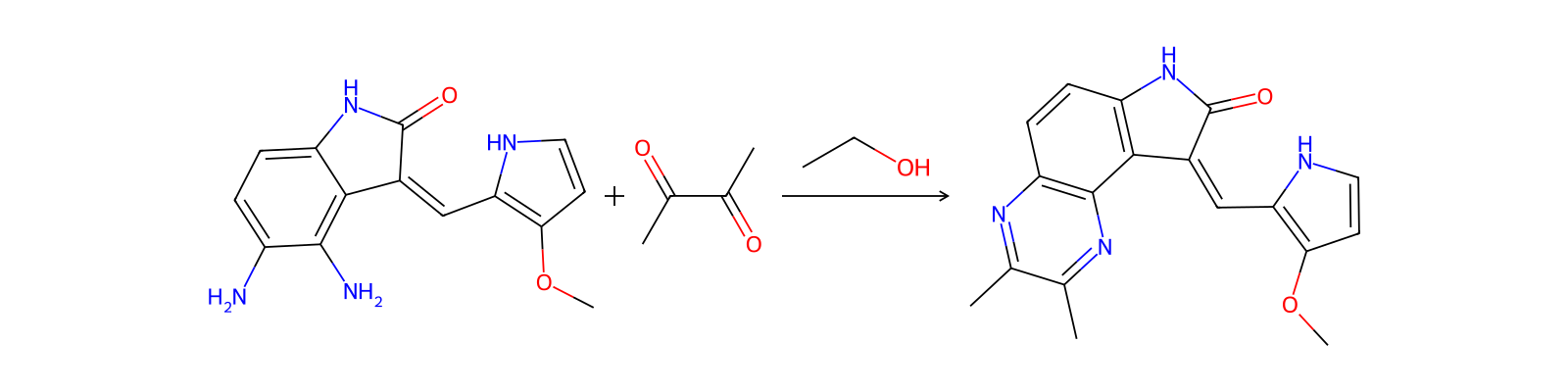
Zugehörige Reaktionen
82


Verknüpfte Notizen
Wird geladen…