

Grundinformationen
- Standard-SMILES
C=C(C)C(=O)OC- InChIKey
VVQNEPGJFQJSBK-UHFFFAOYSA-N- Summenformel
- C5H8O2
- Durchschnittliche Molmasse
- 100,12 g/mol
- Monoisotopische Masse
- 100,05242949
Namen und Bezeichner
- Bevorzugter Name
- Methyl Methacrylate
- IUPAC
- methyl 2-methylprop-2-enoate
- Lokaler Name
- Methylmethacrylat
- Englischer Name
- Methyl methacrylate
- Summenformel
- C5H8O2
- Molmasse
- 100.12
Namen und Synonyme
METHYL METHACRYLATE80-62-6methyl 2-methylprop-2-enoateMethylmethacrylatePegalanMethacrylic acid methyl esterMethyl methylacrylateMethyl 2-methylpropenoateAcryester MDiakonMethyl-methacrylatMethyl 2-methyl-2-propenoate
Weitere Namen anzeigen
MMAMmeMethylmetacrylateMETHYL METACRYLAT
2-Propenoic acid, 2-methyl-, methyl esterMetakrylan metyluMetil metacrilatoMethylmethacrylaat2-(Methoxycarbonyl)-1-propene2-Methyl-2-propenoic acid methyl esterMethacrylate de methyleMethyl 2-methylacrylate
Datenbank-Bezeichner
- CAS
80-62-6- PubChem CID
- 6658
- DTXSID
DTXSID2020844- ChEMBL
CHEMBL49996- ChEBI
CHEBI:34840- UNII
- 196OC77688
- EC Number
- 201-297-1
- Nikkaji
- J3.532G
Eigenschaften
Berechnete Struktureigenschaften
- XLogP
- 1,4
- Polarare Oberfläche (TPSA)
- 26,3 Ų
- H-Brücken-Donoren
- 0
- H-Brücken-Akzeptoren
- 2
- Frei drehbare Bindungen
- 2
- Schwere Atome
- 7
- Formalladung
- 0
- Komplexität
- 94
Physikochemische Eigenschaften
- Schmelzpunkt
- -48 °C · -48 °C (lit.)
- Siedepunkt
- 100 °C · 100 °C (lit.)
- Dichte
- 0.936 g/mL · 0.936 g/mL at 25 °C (lit.)
- Dampfdichte
- 3.5 · 3.5 (vs air)
- Dampfdruck
- 29 mm · 29 mm Hg ( 20 °C)
- Brechungsindex
- 20 · n20/D 1.414(lit.)
- FEMA
- 4002 · 4002 | METHYL 2-METHYL-2-PROPENOATE
- Flammpunkt
- 50 °F · 50 °F
- storage temp.
- 2 · 2-8°C
- Löslichkeit
- 15 g/l · 15g/l
- Aggregatzustand
- Crystalline Powder or Crystals
- Farbe
- White to pale yellow
- Geruch (Odor)
- 0.1 % · at 0.10 % in dipropylene glycol. acrylic aromatic fruity
- Geruchsart
- acrylate
- Biologische Quelle
- synthetic
- Odor Threshold
- 0.21 ppm · 0.21ppm
- Explosionsgrenze
- 2.1 · 2.1-12.5%(V)
- Wasserlöslichkeit
- 15.9 g/L · 15.9 g/L (20 ºC)
- Spezifische Wärmekapazität
- 1.91 J/ · Cp(liquid): 1.91 J/(g·K), at 25℃
- JECFA Number
- 1834 · 1834
- Merck
- 14 · 14,5941
- BRN
- 605459 · 605459
- Henry's Law Constant
- 2.46 x · 2.46 x 10-4 atmm3/mol at 20 °C (approximate - calculated from water solubility and vapor pressure)
- Dielectric constant
- 2.9 · 2.9(20℃)
- Stabilität
- Volatile
- Major Application
- flavors and fragrances
- InChI
- 1S/C5H8O2/c1-4(2)5(6)7-3/h1H2,2-3H3
- InChIKey
- VVQNEPGJFQJSBK-UHFFFAOYSA-N
- SMILES
- COC(=O)C(C)=C
- LogP
- 1.38 at · 1.38 at 20℃
- CAS Datenbank
- 80 · 80-62-6(CAS DataBase Reference)
- NIST chemische Informationen
- 2 · 2-Propenoic acid, 2-methyl-, methyl ester(80-62-6)
- EPA chemische Informationen
- Methyl methacrylate (80-62-6)
- ECETOC JACC REPORT
- Methyl methacrylate (80-62-6)
Sicherheit und Regulatorisches
Sicherheitsdaten
- OEB
- A
- OEL
- TWA: 100 ppm (410 mg/m3)
- wgk
- 1
- IDLA
- 1,000 ppm
- tsca
- TSCA listed
- ridadr
- UN 1247 (METHYL METHACRYLATE MONOMER, STABILIZED)
- hs_code
- 29161410
- RTECS-Nr.
- OZ5075000
- risk_code
- 11-37/38-43-39/23/24/25-23/24/25
- Toxizität
- The acute toxicity of methyl methacrylate is low. Irritation of the skin, eye, and nasal cavity has been observed in rodents and rabbits exposed to relatively high concentrations of methyl methacrylate. The chemical is a mild skin sensitizer in animals. The effect observed most frequently at lowest concentration after repeated inhalation exposure to methyl methacrylate is irritation of the nasal cavity. Effects on the kidney and liver at higher concentrations have also been reported.
- hazard_code
- F,Xi,T
- safety_code
- 24-37-46-45-36/37-16-7
- hazard_class
- 3
- packing_group
- II
- Speicherklasse
- 3 - Flammable liquids
- Giftige Stoffe Daten
- 80-62-6(Hazardous Substances Data)
- Hazard Classifications
- Flam. Liq. 2Skin Irrit. 2Skin Sens. 1STOT SE 3
- Selbstentzündungstemperatur
- 815 °F
Chemie und Industrie
Anwendungen
BeschreibungMethyl methacrylate is an organic compound with the formula CH2=C(CH3)COOCH3. This colourless liquid, the methyl ester of methacrylic acid (MAA) is a monomer produced on a large scale for the production of poly(methyl methacrylate) (PMMA).
VerwendenThe principal application, consuming approximately 80% of the MMA, is the manufacture of poly methyl methacrylate acrylic plastics (PMMA). Methyl methacrylate is also used for the production of the co-polymer methyl methacrylate-butadiene-styrene (MBS), used as a modifier for PVC. Another application is as cement used in total hip replacements as well as total knee replacements. Used as the "grout" by orthopedic surgeons to make the bone inserts fix into bone, it greatly reduces post-operative pain from the insertions but has a finite lifespan. Typically the lifespan of methyl methacrylate as bone cement is 20 years before revision surgery is required. Cemented implants are usually only done in elderly populations that require more immediate short term replacements. In younger populations, cementless implants are used because their lifespan is considerably longer. Also used in fracture repair in small exotic animal species using internal fixation.
Darstellung
synthetischePrepared by the esterification of methacrylamide sulfate with methanol.
Vor- und nachgelagerte Produkte
Vorgelagerte Rohstoffe
Nachgelagerte Produkte
Ergänzende Hinweise
DefinitionChEBI: Methyl methacrylate is an enoate ester having methacrylic acid as the carboxylic acid component and methanol as the alcohol component. It has a role as an allergen and a polymerisation monomer. It is an enoate ester and a methyl ester. It is functionally related to a methacrylic acid.
Zugehörige Reaktionen
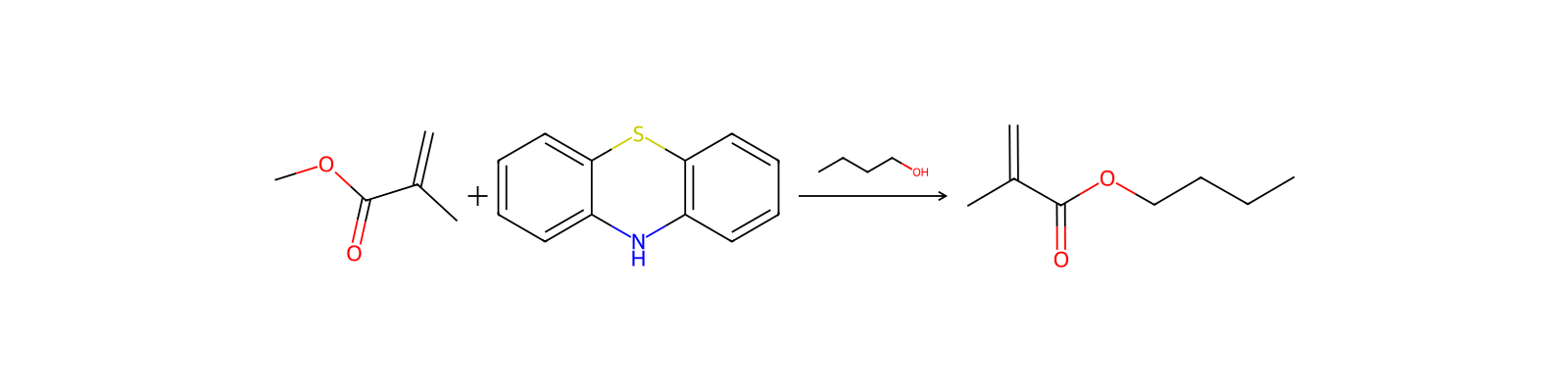
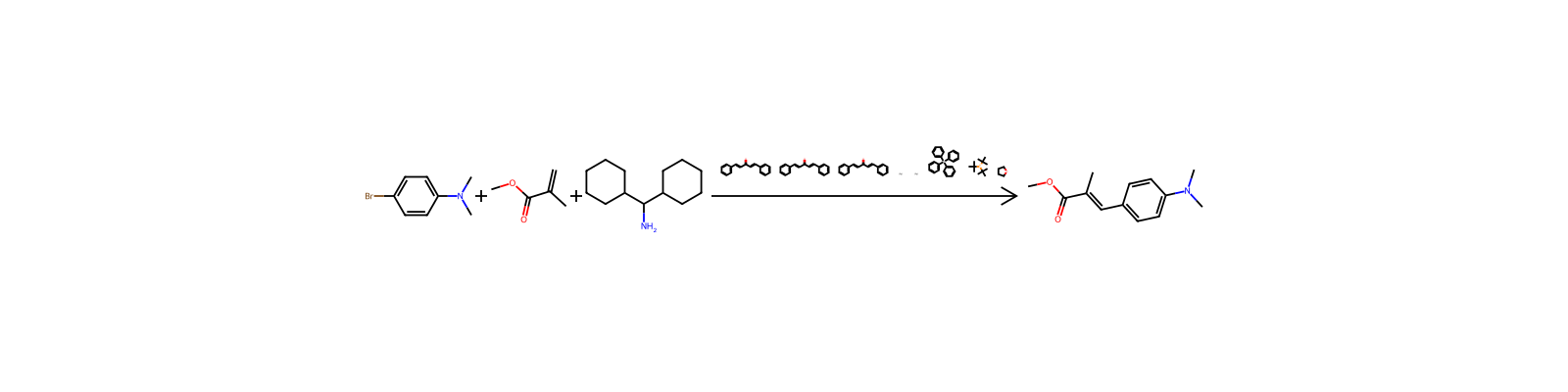
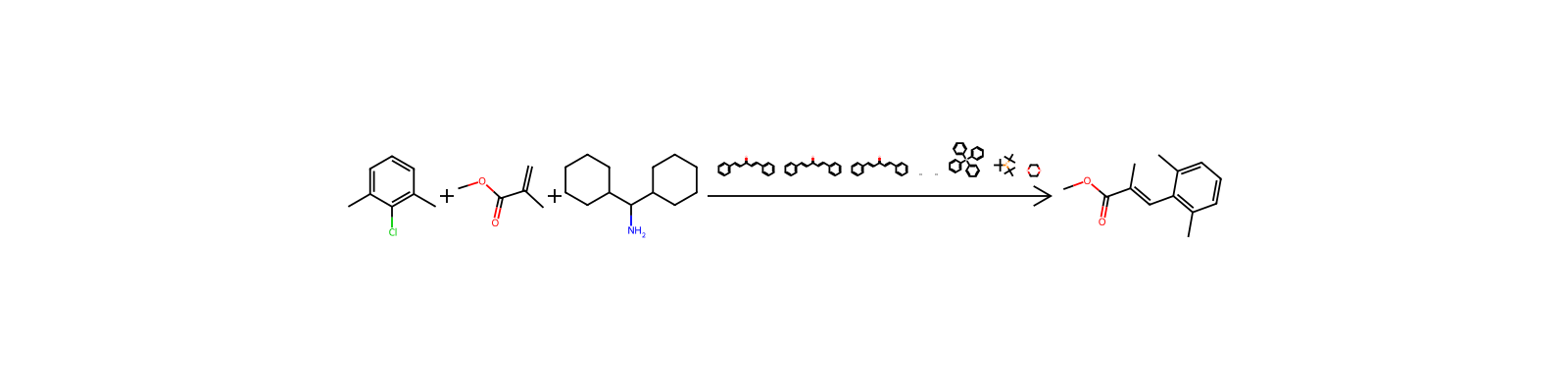
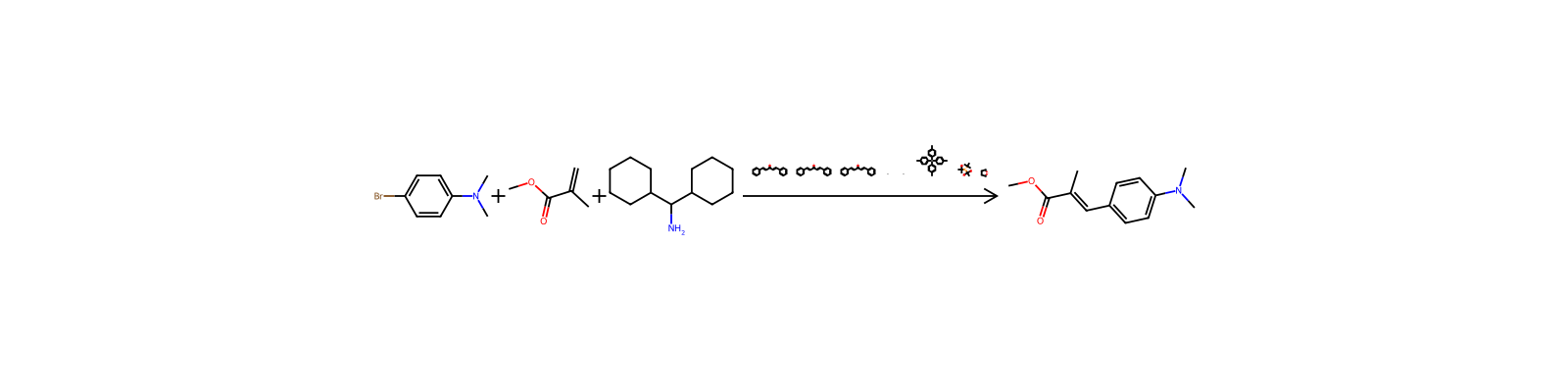
586



Verknüpfte Notizen
Wird geladen…