

Grundinformationen
- Standard-SMILES
c1ccc2c(c1)CCNC2- InChIKey
UWYZHKAOTLEWKK-UHFFFAOYSA-N- Summenformel
- C9H11N
- Durchschnittliche Molmasse
- 133,19 g/mol
- Monoisotopische Masse
- 133,08914935
Überblick
1,2,3,4-tetrahydroisoquinoline is a member of isoquinolines.
Namen und Bezeichner
- Bevorzugter Name
- 1,2,3,4-Tetrahydroisoquinoline
- IUPAC
- 1,2,3,4-tetrahydroisoquinoline
- Englischer Name
- 1,2,3,4-Tetrahydroisoquinoline hydrochloride
- Summenformel
- C9H12ClN
- Molmasse
- 169.65
Namen und Synonyme
1,2,3,4-Tetrahydroisoquinoline91-21-4Tetrahydroisoquinoline1,2,3,4-Tetrahydro-isoquinolineISOQUINOLINE, 1,2,3,4-TETRAHYDRO-3,4-dihydro-1H-isoquinoline1,2,3,4-Tetrahydro-2-azanaphthaleneDTXSID602611556W89FBX3ENSC-15312DTXCID106115RefChem:71317
Weitere Namen anzeigen
Compound Fr16648TIMTEC-BB SBB0038601,2,3,4-Tetrahydroisoquinoline HCl3,5-dimethyl-2-(1-pyrrolyl)pyrazine1,2,3,4-tetrahydro-isoquinolinhydrochloride1,2,3,4-Tetrahydroisoquinoline hydrochlorideIsoquinoline, 1,2,3,4-tetrahydro-, hydrochloride1,2,3,4-TETRAHYDROISOQUINOLINE HYDROCHLORIDE 98+%1,2,3,4-TETRAHYDROISOQUINOLINE HYDROCHLORIDE ISO 9001:2015 REACH
202-050-0MFCD000068961,2,3,4-Tetrahydro isoquinoline1,2,3,4-Tetrahydro-2-isoquinolineCHEMBL14346tetrahydro-isoquinoline1,2,3,4-Tetrahydro-2-azanaphthalene; 1,2,3,4-Tetrahydro-2-isoquinoline; 1,2,3,4-Tetrahydroisoquinoline; 3,4-Dihydro-1H-isoquinoline; NSC 15312;2CK
Datenbank-Bezeichner
- CAS
14099-81-1、91-21-4- PubChem CID
- 7046
- DTXSID
DTXSID6026115- ChEMBL
CHEMBL14346- ChEBI
CHEBI:125498- UNII
- 56W89FBX3E
- EC Number
- 202-050-0
- Nikkaji
- J4.337K
Eigenschaften
Berechnete Struktureigenschaften
- XLogP
- 1,6
- Polarare Oberfläche (TPSA)
- 12 Ų
- H-Brücken-Donoren
- 1
- H-Brücken-Akzeptoren
- 1
- Frei drehbare Bindungen
- 0
- Schwere Atome
- 10
- Formalladung
- 0
- Komplexität
- 111
Experimentelle und physikochemische Eigenschaften
Chemical ClassesNitrogen Compounds -> Quinolines
SpringerMaterials PropertiesChemical shift
Melting Point< -15 °C
Physical Description
Clear brown liquid with an unpleasant odor; [Acros Organics MSDS]
Liquid
Physikochemische Eigenschaften
- Schmelzpunkt
- 198 · 198-202 °C
- storage temp.
- Sealed in dry,Room Temperature
- Wasserlöslichkeit
- almost transparency
- CAS Datenbank
- 14099 · 14099-81-1(CAS DataBase Reference)
Sicherheit und Regulatorisches
GHS-Klassifizierung
GHS Classification
Danger
H301 (69.5%): Toxic if swallowed [Danger Acute toxicity, oral]
P260, P261, P262, P264, P264+P265, P270, P271, P273, P280, P301+P316, P301+P330+P331, P302+P352, P302+P361+P354, P304+P340, P305+P351+P338, P305+P354+P338, P308+P316, P316, P317, P319, P321, P330, P332+P317, P337+P317, P361+P364, P362+P364, P363, P403+P233, P405, and P501 (click each P-code to see the statement)
Aggregated GHS information provided per 154 reports by companies from 11 notifications to the ECHA C&L Inventory. Each notification may be associated with multiple companies.
Gefahrenhinweise
Regulatory InformationStatus: Cease Manufacture Update: 21-08-2013 https://echa.europa.eu/registration-dossier/-/registered-dossier/10824
Hazards Summary
Causes other degenerative changes to brain and coverings and effects on peptidases in acute intraperitoneal studies of rats; [RTECS] Causes burns; Toxic by ingestion; Harmful by inhalation; Highly toxic by skin absorption; May cause brain damage; [ECHA REACH Registrations] An irritant; [Acros Organics MSDS] See 5,6,7,8-Tetrahydroquinoline.
Hazard Classes and CategoriesAcute Tox. 3 (69.5%)
Toxikologische Informationen
Adverse EffectsDermatotoxin - Skin burns.
Sicherheitsdaten
- hs_code
- 29334990
- RTECS-Nr.
- NX5075000
- risk_code
- 36/37/38-20/21/22
- Toxizität
- mouse,LD50,intraperitoneal,303mg/kg (303mg/kg),Journal of Medicinal Chemistry. Vol. 18, Pg. 1194, 1975.
- hazard_code
- Xn,Xi
- safety_code
- 36/37/39-26-37/39
Chemie und Industrie
Verwendung und Herstellung
UsesUsed as an intermediate; [ECHA REACH Registrations]
General Manufacturing InformationIsoquinoline, 1,2,3,4-tetrahydro-: ACTIVE
Anbieter34 Anbieter
梯希爱(上海)化成工业发展有限公司021-67121386 · [email protected]
陕西缔都新材料有限公司81124267 17392282731 · [email protected]
Career Henan Chemica Co+86-0371-86658258 +86-13203830695 · [email protected]
爱斯特(成都)生物制药股份有限公司+86-28-85122536 85324413 · [email protected]
Dayang Chem (Hangzhou) Co.,Ltd.+86-0571-88938639 17705817739 · [email protected]
Syntechem Co.,Ltd[email protected]
上海迈瑞尔生化科技有限公司4006356688 18621169109 · [email protected]
武汉易泰科技有限公司上海分公司18930552037 · [email protected]
安耐吉化学&3A(安徽泽升科技股份有限公司)400-0056266 · [email protected]
上海隆盛化工有限公司58099637 13585536065 · [email protected]
Aceschem Inc.+1-817863-6948 +1-(817)863-6948 · [email protected]
上海健超生物科技有限公司15021035486 18081542813 · [email protected]
四川库利南科技有限公司400-1166-196 18981987031 · [email protected]
TargetMol 中国(陶术生物)400-821-0310 15002144251 · [email protected]
广东元丰化学试剂有限公司0751-2829979 13376591640 · [email protected]
赛默飞世尔科技(中国)有限公司800-810-5118 · [email protected]
上海纳谦化学科技有限公司13598610367 0373-7129549 · [email protected]
苏州亚科科技股份有限公司0512-87182055 13451648594 · [email protected]
上海石洋化工有限公司021-56795766 · [email protected]
上海纳谦化学科技有限公司13598610367 13598610367 · [email protected]
上海孟善化工有限公司21-58226973 18917146209 · [email protected]
常州安奈凯医药科技有限公司+86-0519-8359-8696 · [email protected]
广东翁江化学试剂有限公司0751-2886750 13927877953 · [email protected]
杭州洁汉化工有限公司+86-571-86217390; +8618058761490 · [email protected]
Capot Chemical Co.,Ltd.+86-(0)57185586718 +86-13336195806 · [email protected]
江苏艾康生物医药研发有限公司025-58859352 19370895928 · [email protected]
厦门盈融达化工有限公司+86-0592-6210733 · [email protected]
Alchem Pharmtech,Inc.8485655694 · [email protected]
广东元丰化学试剂有限公司0751-2829979 13318584237 · [email protected]
重庆卡兰医药有限公司[email protected]
北京百灵威科技有限公司18210857532 18210857532 · [email protected]
郑州研德生物科技有限公司13298105281 · [email protected]
Hefei TNJ Chemical Industry Co.,Ltd.+86-0551-65418671 +86-189 4982 3763 · [email protected]
Dideu Industries Group Limited+8617392712697 · [email protected]
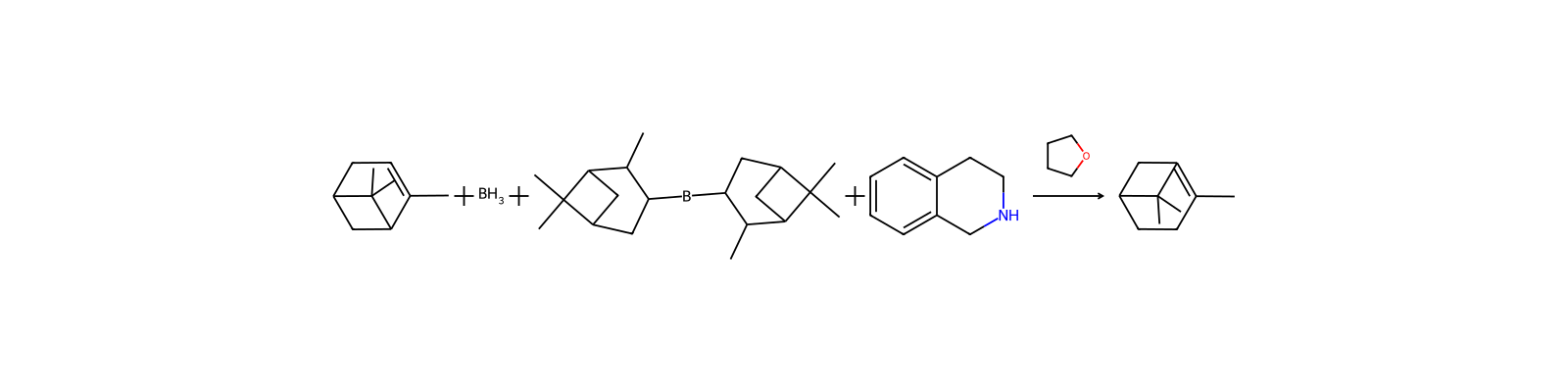
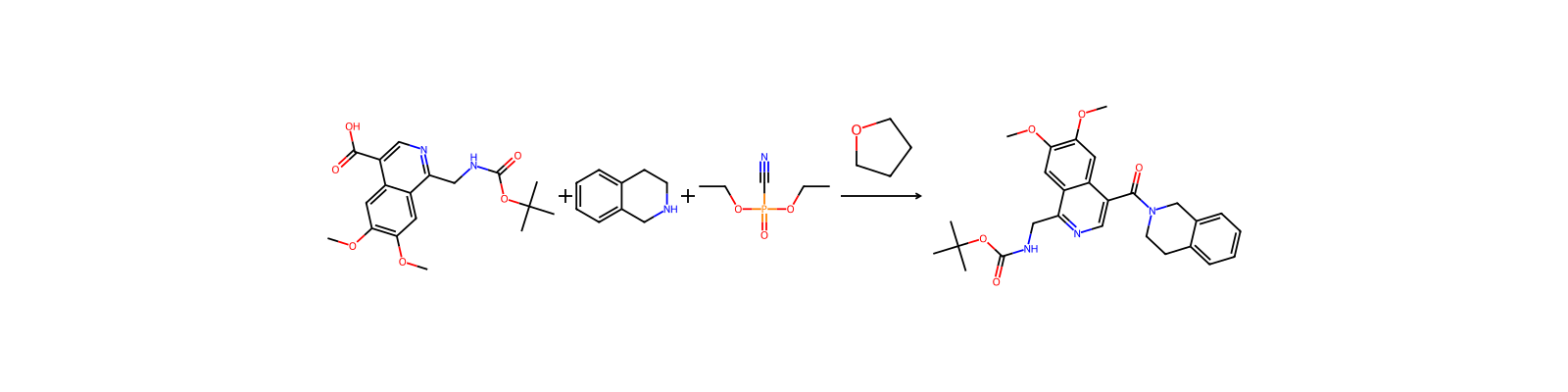
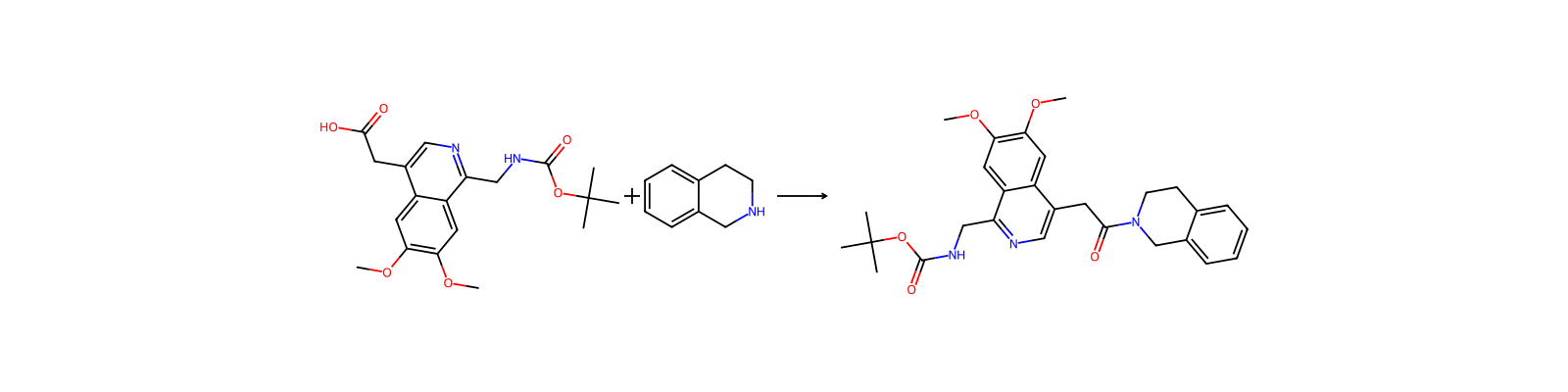
Zugehörige Reaktionen
563




Verknüpfte Notizen
Wird geladen…