
3,7-Dihydro-3-methyl-1H-purin-2,6-dion
3-Methylxanthine

Grundinformationen
- CAS
1076-22-8- Standard-SMILES
Cn1c(=O)[nH]c(=O)c2[nH]cnc21- InChIKey
GMSNIKWWOQHZGF-UHFFFAOYSA-N- Summenformel
- C6H6N4O2
- Durchschnittliche Molmasse
- 166,14 g/mol
- Monoisotopische Masse
- 166,04907543
Überblick
3-methyl-9H-xanthine is a 3-methylxanthine tautomer where the imidazole proton is located at the 9-position. It has a role as a metabolite. It is a tautomer of a 3-methyl-7H-xanthine.
Namen und Bezeichner
- Bevorzugter Name
- 3-Methylxanthine
- IUPAC
- 3-methyl-7H-purine-2,6-dione
- Lokaler Name
- 3,7-Dihydro-3-methyl-1H-purin-2,6-dion
- Englischer Name
- 3-Methylxanthine
- Summenformel
- C6H6N4O2
- Molmasse
- 166.14
Namen und Synonyme
3-Methylxanthine1076-22-83-methyl-7H-purine-2,6-dione3-methyl-3,7-dihydro-1H-purine-2,6-dione3-methyl-2,3,6,7-tetrahydro-1H-purine-2,6-dioneWS6X982OECDTXSID90148107NSC-515466RefChem:94981DTXCID8070598CHEBI:62205214-058-1
Weitere Namen anzeigen
3-MethylxantineLinaint-EAKOS NCG-00583-Methy-xanthine3-methyl-xanthinZotepine Impurity63-Methylxanthine>3-methyl-7H-xanthine
2,6-Dihydroxy-3-methylpurine3-Methyl-1H-purine-2,6(3H,7H)-dione3 MXXanthine, 3-methyl-3-METHYL XANTHINE1H-Purine-2,6-dione, 3,7-dihydro-3-methyl-MFCD000055803,7-Dihydro-3-methyl-1H-purine-2,6-dione
Datenbank-Bezeichner
- CAS
1076-22-8- PubChem CID
- 70639
- DTXSID
Eigenschaften
Berechnete Struktureigenschaften
- XLogP
- -0,7
- Polarare Oberfläche (TPSA)
- 78,1 Ų
- H-Brücken-Donoren
- 2
- H-Brücken-Akzeptoren
- 3
- Frei drehbare Bindungen
- 0
- Schwere Atome
- 12
- Formalladung
- 0
- Komplexität
- 242
Experimentelle und physikochemische Eigenschaften
DrugsPharmaceuticals -> Metabolite of Caffeine, Theophylline
LogP
-0.50
-0.72
Melting Point> 300 °C
Physical DescriptionSolid
Collision Cross Section
127.59 Ų [M+H]+ [CCS Type: TW; Method: calibrated with polyalanine and drug standards]
124.48 Ų [M-H]- [CCS Type: DT; Method: single field calibrated with Agilent tune mix (Agilent)]
127.9 Ų [M+H]+ [CCS Type: TW; Method: calibrated with polyalanine and drug standards]
Physikochemische Eigenschaften
- Schmelzpunkt
- 300 °C · >300 °C (lit.)
- Siedepunkt
- 294.33 °C · 294.33°C (rough estimate)
- Dichte
- 1.4434 · 1.4434 (rough estimate)
- Brechungsindex
- 1.67 · 1.6700 (estimate)
- storage temp.
Sicherheit und Regulatorisches
Sicherheitsangaben dienen nur zur Orientierung und ersetzen weder das Sicherheitsdatenblatt (SDB) des Lieferanten noch geltende Vorschriften oder eine fachliche Bewertung.
GHS-Klassifizierung
GHS Classification
Warning
H302 (98.1%): Harmful if swallowed [Warning Acute toxicity, oral]
P264, P270, P301+P317, P330, and P501 (click each P-code to see the statement)
Aggregated GHS information provided per 53 reports by companies from 4 notifications to the ECHA C&L Inventory.
Gefahrenhinweise
Regulatory InformationStatus: Active Update: 20-05-2016 https://echa.europa.eu/registration-dossier/-/registered-dossier/17492
Hazard Classes and CategoriesAcute Tox. 4 (98.1%)
Sicherheitsdaten
- wgk
- 1
- hs_code
- 29335990
- RTECS-Nr.
- ZD8750000
- risk_code
- 22-26/27/28
- Toxizität
- LD50 intraperitoneal in mouse: 894mg/kg
- hazard_code
- Xn,T+
- safety_code
- 22-24/25
- Speicherklasse
- 11 - Combustible Solids
Chemie und Industrie
Pharmakologische Informationen
Metabolism/Metabolites3-Methylxanthine is a known human metabolite of theobromine and theophylline.
Tissue LocationsKidney
Cellular LocationsCytoplasm
Anwendungen
Beschreibung3-Methylxanthine is one of the metabolites of theophylline. After oral intake, approximately 36% is excreted in the urine as 3-methylxanthine, 40% as 1,3-dimethyluric acid and 17% as 1-methyluric acid. 3-methylxanthine (3MX) has been assessed as an adenosine antagonist and produces the same maximal relaxation of guinea pig tracheal muscle as does. 3MX is also used to examine conformational heterogeneity in RNA aptamers and riboswitches[1-2].
Verwenden3-Methylxanthine is a Xanthine derivative with diuretic, cardiac stimulant and smooth muscle relaxant activities; isomeric with theobromine.They can also act as Bronchodilator.
Vor- und nachgelagerte Produkte
Vorgelagerte Rohstoffe
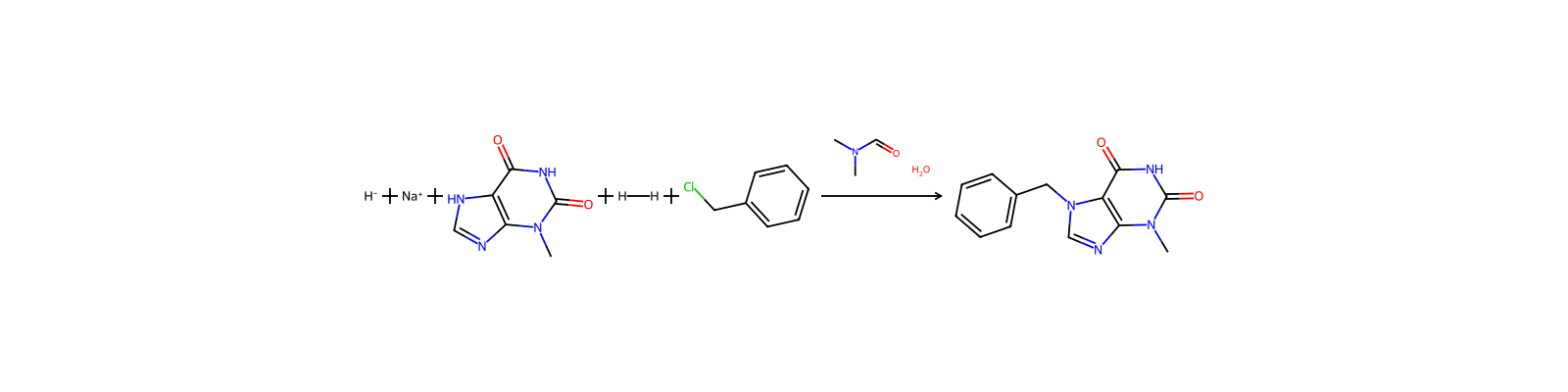
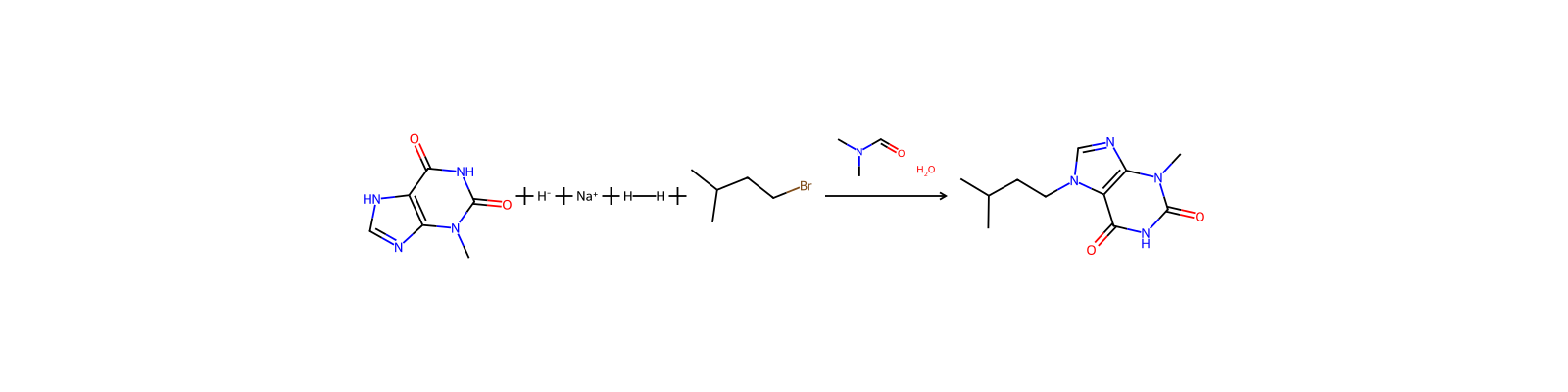
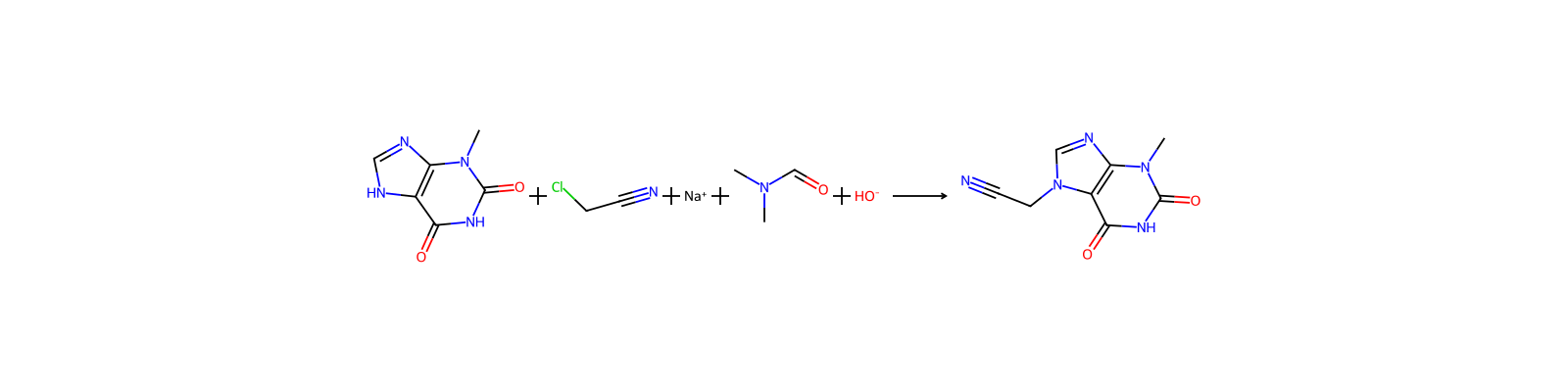
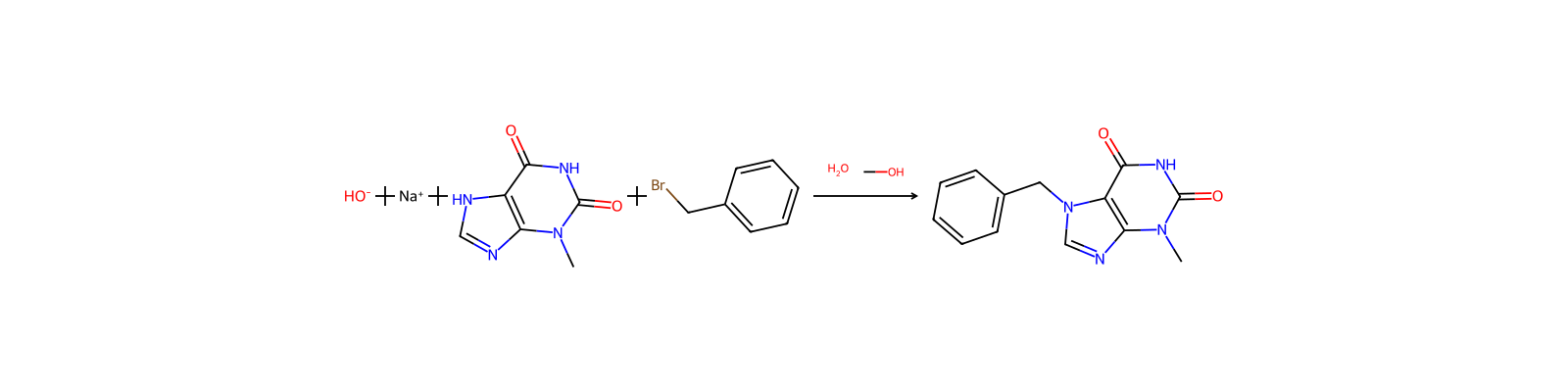
Zugehörige Reaktionen
55



Notizen zur Verbindung
Wird geladen…