

Grundinformationen
- Standard-SMILES
COC(=O)c1cc2ccccc2[nH]1- InChIKey
NQPIEWBAWBFGOB-UHFFFAOYSA-N- Summenformel
- C10H9NO2
- Durchschnittliche Molmasse
- 175,18 g/mol
- Monoisotopische Masse
- 175,06332853
Namen und Bezeichner
- Bevorzugter Name
- Methyl 1H-indole-2-carboxylate
- IUPAC
- methyl 1H-indole-2-carboxylate
- Lokaler Name
- Methyl-1H-indol-2-carboxylat
- Englischer Name
- Methyl indole-2-carboxylate
- Summenformel
- C10H9NO2
- Molmasse
- 175.18
Namen und Synonyme
Methyl 1H-indole-2-carboxylate1202-04-6EINECS 214-861-7DTXSID10152726NSC 78006RefChem:812816DTXCID2075217214-861-7Methyl Indole-2-carboxylateMethyl 2-indolecarboxylateIndole-2-carboxylic Acid Methyl Ester1H-Indole-2-carboxylic acid, methyl ester
Weitere Namen anzeigen
methyl indoline-2-carboxylateAKOS JY2083539BUTTPARK 99\04-612-(methoxycarbonyl)-indolETHYL-INDOLE-2-CABOXYLATEMETHYL-INDOLE-2-CABOXYLATEMethylindole-2-carboxylicacid
MFCD004607791H-INDOLE-2-CARBOXYLIC ACID METHYL ESTERNSC-78006NSC780062-Methoxycarbonylindole2-(Methoxycarbonyl)indoleMethylindole-2-carboxylateN9H9PEV5QF
Datenbank-Bezeichner
- CAS
1202-04-6- PubChem CID
- 70992
- DTXSID
DTXSID10152726- ChEMBL
CHEMBL4467578- UNII
- N9H9PEV5QF
- EC Number
- 214-861-7
- Nikkaji
- J47.057K
Eigenschaften
Berechnete Struktureigenschaften
- XLogP
- 2,5
- Polarare Oberfläche (TPSA)
- 42,1 Ų
- H-Brücken-Donoren
- 1
- H-Brücken-Akzeptoren
- 2
- Frei drehbare Bindungen
- 2
- Schwere Atome
- 13
- Formalladung
- 0
- Komplexität
- 205
Experimentelle und physikochemische Eigenschaften
LogP2.78
Physikochemische Eigenschaften
- Schmelzpunkt
- 151 °C · 151 °C
- Siedepunkt
- 331.7 · 331.7±15.0 °C(Predicted)
- Dichte
- 0.47 · 0.47
- storage temp.
- Sealed in dry,Room Temperature
- pka
- 14.97 · 14.97±0.30(Predicted)
- Aggregatzustand
- Solid
- Farbe
- White to Light yellow
- Wasserlöslichkeit
- 470 mg/L · 470 mg/L (25 ºC)
- CAS Datenbank
- 1202 · 1202-04-6(CAS DataBase Reference)
Sicherheit und Regulatorisches
GHS-Klassifizierung
GHS Classification
Warning
H302 (66.7%): Harmful if swallowed [Warning Acute toxicity, oral]
P261, P264, P264+P265, P270, P271, P280, P301+P317, P302+P352, P304+P340, P305+P351+P338, P317, P319, P321, P330, P332+P317, P337+P317, P362+P364, P403+P233, P405, and P501 (click each P-code to see the statement)
Aggregated GHS information provided per 6 reports by companies from 5 notifications to the ECHA C&L Inventory. Each notification may be associated with multiple companies.
Gefahrenhinweise
Hazard Classes and CategoriesAcute Tox. 4 (66.7%)
Sicherheitsdaten
- ridadr
- 2811
- hs_code
- 29339900
- risk_code
- 20/21/22-36/37/38
- hazard_code
- Xn
- safety_code
- 22-26-36/37/39
Chemie und Industrie
Anwendungen
VerwendenMethyl Indole-2-carboxylate has been shown to inhibit the production of β-amyloid, an important factor in the pathogenesis of Alzheimer's disease. Methyl indole-2-carboxylate has also been shown to inhibit ion exchange, melatonin synthesis and aziridine production. Methyl indole-2-carboxylate was found to have a very high affinity for aldehydes. It is also able to cross the blood-brain barrier into the brain and has been shown to be effective against pancreatic cancer cells in vitro.
Vor- und nachgelagerte Produkte
Vorgelagerte Rohstoffe
Nachgelagerte Produkte
Anbieter50 Anbieter
梯希爱(上海)化成工业发展有限公司021-67121386 · [email protected]
湖北永阔科技有限公司027-59223108 15972152991 · [email protected]
上海阿拉丁生化科技股份有限公司400-6206333 13167063860 · [email protected]
湖北万得化工有限公司15377098680 15377098680 · [email protected]
南通润丰石油化工有限公司66017690 19952660367 · [email protected]
武汉欣扬瑞和化学科技有限公司13720274133 · [email protected]
苏州启航生物科技有限公司18151111370 · [email protected]
环生美森医药技术(山东)有限公司0531-88762217 18301471076 · [email protected]
Dayang Chem (Hangzhou) Co.,Ltd.+86-0571-88938639 17705817739 · [email protected]
韶远科技(上海)有限公司021-50795510 4000665055 · [email protected]
上海迈瑞尔生化科技有限公司4006356688 18621169109 · [email protected]
太原市瑞和丰科贸有限公司+86 351 7031519 · [email protected]
安耐吉化学&3A(安徽泽升科技股份有限公司)400-0056266 · [email protected]
上海瀚鸿科技股份有限公司021-54306202 13764082696 · [email protected]
嘉兴市艾森化工有限公司0573-85285100 18627885956 · [email protected]
Pure Chemistry Scientific Inc.001-857-928-2050 or 1-888-588-9418 · [email protected]
湖北广奥生物科技有限公司027-02702759223056 18162699093 · [email protected]
上海攀鸿化工科技有限公司021-56491756 13512199871 · [email protected]
山东西亚化学有限公司13355009207 13355009207 · [email protected]
天津希恩思生化科技有限公司400 638 7771 · [email protected]
上海楷石化工有限公司021-50273253 13641951838 · [email protected]
安徽实特医药科技有限公司086-21-50829787 13621628489 · [email protected]
上海骏晔化工有限公司021-021-50318666 18516602538 · [email protected]
赛默飞世尔科技(中国)有限公司800-810-5118 · [email protected]
南京诺利斯医药科技有限公司13901585132 · [email protected]
江苏艾康生物医药研发有限公司025-66113011 13913916777 · [email protected]
TCI AMERICA800-4238616 · [email protected]
TOKYO CHEMICAL INDUSTRY CO., LTD.03-36680489 · [email protected]
TCI Europe320-37350700 · [email protected]
越林试剂021-62960152 · [email protected]
上海将来实业股份有限公司400-0066400 13621662912 · [email protected]
HBCChem, Inc.+1-510-219-6317 · [email protected]
上海毕得医药科技股份有限公司400-164-7117 18317119277 · [email protected]
南京恰风和医药科技有限公司025-57018978 18251899859 · [email protected]
上海兴鲁化工科技有限公司02120970332 · [email protected]
铜陵恒优生物科技有限公司021-50426030 13856289449;13124863828 · [email protected]
斯派螺(武汉)药物研发有限公司[email protected]
成都瑞欧克科技有限公司028-64353063 · [email protected]
九鼎化学(上海)科技有限公司4009209199 · [email protected]
sgtlifesciences pvt ltd+91-8790379245 · [email protected]
石家庄瑞田生化有限公司15831127780 · [email protected]
武汉市罗氏科技发展有限公司19171595131 · [email protected]
上海天习化工有限公司021-20960837,QQ1332204249 · [email protected]
Guangzhou Yuheng Pharmaceutical Technology Co., Ltd+8613580539051 · [email protected]
上海炎泽化工有限公司15345144255 19901447308 · [email protected]
上海源叶生物科技有限公司13636370518 · [email protected]
湖北齐飞医药化工有限公司027-59322506 18071128681 · [email protected]
武汉克米克生物医药技术有限公司027-13163388153 13163388153 · [email protected]
南京博米尔生物科技有限公司025-83453382-8005 · [email protected]
常州合晶化工有限公司85528066 13775048983 · [email protected]
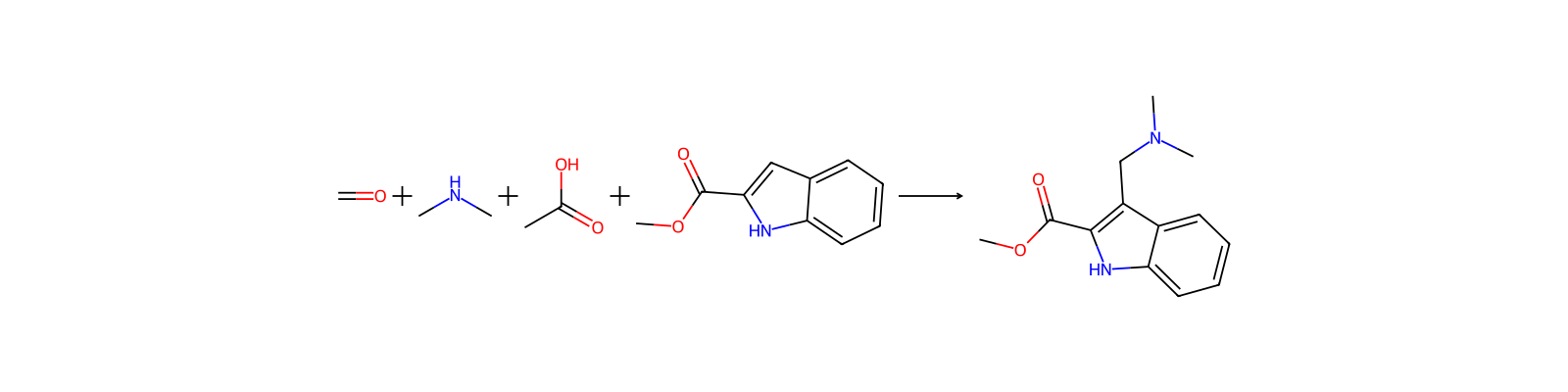
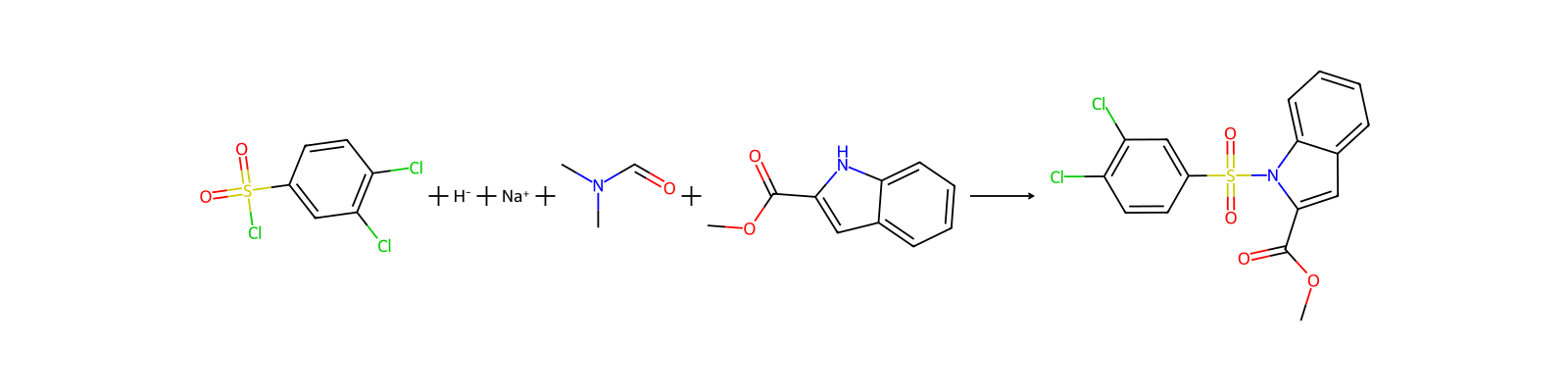
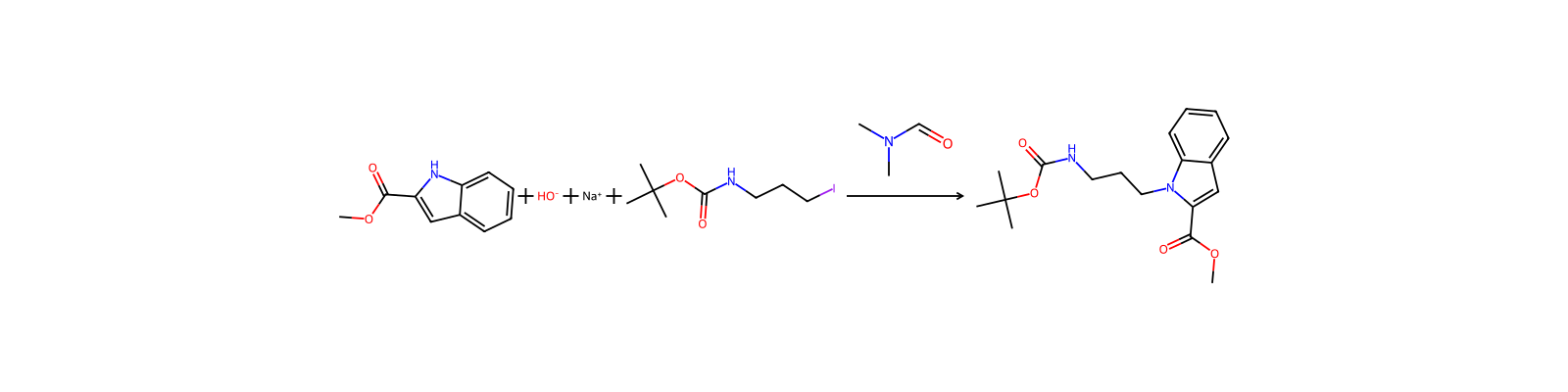
Zugehörige Reaktionen
46




Verknüpfte Notizen
Wird geladen…