StartseiteMCPWorkbenchSkills
StartseiteWorkbenchBenachrichtigungenMein Bereich
llms.txt · MCP-AnleitungDatenschutz · Nutzungsbedingungen · Supportv1.8.0
  1. Startseite
  2. /Verbindung

Propyl-4-hydroxybenzoat

Propylparaben

HCID 7175
Neue NotizNeue ReaktionAnfrage stellen
Druckvorschau

Daten werden ergänzt – lade die Seite später neu, um den aktuellen Stand zu sehen

GrundinformationenÜberblickNamen und BezeichnerEigenschaftenSicherheit und RegulatorischesChemie und IndustrieZugehörige ReaktionenNotizen zur Verbindung
TeilstruktursucheÄhnliche Strukturen suchen

Grundinformationen

CAS
94-13-3
Standard-SMILES
CCCOC(=O)c1ccc(O)cc1
InChIKey
QELSKZZBTMNZEB-UHFFFAOYSA-N
Summenformel
C10H12O3
Durchschnittliche Molmasse
180,2 g/mol
Monoisotopische Masse
180,07864424

Überblick

Propyl-4-hydroxybenzoate appears as colorless crystals or white powder or chunky white solid. Melting point 95-98 °C. Odorless or faint aromatic odor. Low toxicity, Tasteless (numbs the tongue). pH: 6.5-7.0 (slightly acidic) in solution.

Namen und Bezeichner

Bevorzugter Name
Propylparaben
IUPAC
propyl 4-hydroxybenzoate
Lokaler Name
Propyl-4-hydroxybenzoat
Englischer Name
Propylparaben
Summenformel
C10H12O3
Molmasse
180.2

Namen und Synonyme

PROPYLPARABEN94-13-3Propyl parabenNipasolPropyl p-hydroxybenzoateNipazolPropagin4-Hydroxybenzoic acid propyl esterPropyl parahydroxybenzoateTegosept PNipagin PPropyl Butex
Weitere Namen anzeigen
ParabensPROPYL 4-HYDROXYBENZOATEPROPYLPARABENENipasol MPropyparaben
Betacide PNipasol PChemocide pkPropyl ParaseptAseptoform PPropyl ChemoseptSolbrol PPropylparasept

Datenbank-Bezeichner

CAS
94-13-3
PubChem CID
7175
DTXSID
DTXSID4022527
ChEMBL
CHEMBL194014
ChEBI
CHEBI:32063
UNII
Z8IX2SC1OH
EC Number
202-307-7、920-388-3
Nikkaji
J3.943H

Eigenschaften

Berechnete StruktureigenschaftenWird ergänzt

XLogP
3
Polarare Oberfläche (TPSA)
46,5 Ų
H-Brücken-Donoren
1
H-Brücken-Akzeptoren
3
Frei drehbare Bindungen
4
Schwere Atome
13
Formalladung
0
Komplexität
160

Experimentelle und physikochemische Eigenschaften

Chemical ClassesOther Uses -> Preservatives
DrugsPharmaceuticals -> Listed in ZINC15
Cosmetics · 3 Einträge

Cosmetics ingredient -> Fragrance; Preservative/Stabilizer; Solvent

Cosmetic ingredients (Propylparaben) -> CIR (Cosmetic Ingredient Review)

Preservative

SpringerMaterials PropertiesFusion temperature
PesticidesBiocide
LogP · 3 Einträge

log Kow = 3.04

3.04

2.89

OdorOdorless or has faint odor
Food AdditivesANTIMICROBIAL AGENT, FLAVORING AGENT OR ADJUVANT -> FDA Substance added to food
Density · 3 Einträge

1.28 at 77 °F (NTP, 1992) - Denser than water; will sink

1.287 g/cu cm at 20 °C

Sicherheit und Regulatorisches

Sicherheitsangaben dienen nur zur Orientierung und ersetzen weder das Sicherheitsdatenblatt (SDB) des Lieferanten noch geltende Vorschriften oder eine fachliche Bewertung.

GHS-Klassifizierung

GHS Classification · 6 Einträge

This chemical does not meet GHS hazard criteria for 22.8% (644 of 2829) of reports.

Warning

H315 (63.6%): Causes skin irritation [Warning Skin corrosion/irritation]

P261, P264, P264+P265, P271, P280, P302+P352, P304+P340, P305+P351+P338, P319, P321, P332+P317, P337+P317, P362+P364, P403+P233, P405, and P501 (click each P-code to see the statement)

Aggregated GHS information provided per 2829 reports by companies from 29 notifications to the ECHA C&L Inventory. Each notification may be associated with multiple companies.

Danger

Gefahrenhinweise

Regulatory Information · 6 Einträge

Chemical: Benzoic acid, 4-hydroxy-, propyl ester

Hazard Traits - Endocrine Toxicity; Reproductive Toxicity

Directive (EC) No 114/2003

Benzoic acid, 4-hydroxy-, propyl ester is listed on the EPA's Chemical Data Reporting (CDR) system. Manufacturers and importers of Benzoic acid, 4-hydroxy-, propyl ester are required to report information about their production and use of this chemical to the EPA under the Toxic Substances Control Act (TSCA). (40 eCFR Part 711)

REACH registered substance: Propyl 4-hydroxybenzoate (EC: 202-307-7)

Propylparaben: Does not have an individual approval but may be used under an appropriate group standard

Other Safety InformationIMAP assessments - Parabens: Human health tier II assessment
Fire HazardsFlash point data for this chemical are not available; however, it is probably combustible. (NTP, 1992)
Health HazardsSYMPTOMS: Symptoms of exposure to this compound may include eye and respiratory irritation, allergies and respiratory diseases. Prolonged or repeated skin exposure may result in irritation. It may also cause contact dermatitis.

Chemie und Industrie

Pharmakologische Informationen

Mechanism of Action · 1 Eintrag

...The mechanism of propyl paraben may be linked to mitochondrial failure dependent on induction of membrane permeability transition accompanied by the mitochondrial depolarization and depletion of cellular ATP through uncoupling of oxidative phosphorylation...

Biological Half-Life · 1 Eintrag

Propylparaben was administered orally to sexually immature rainbow trout every second day for up to 10 days in doses between 7 and 1830 mg/kg/2 days and in the water at 50 and 225 ug/L for 12 days. ... Half lives for propylparaben were 8.6 hr in liver and 1.5 hr in muscle.

Metabolism/Metabolites · 4 Einträge

In mice, rats, rabbits, or dogs, propyl paraben is excreted in the urine as unchanged benzoate, p-hydroxybenzoic acid, p-hydroxyhippuric acid (p-hydroxybenzoylglycine), ester glucuronides, ether glucuronides, or ether sulfates.

By the oral route, parabens are rapidly absorbed, metabolized, and excreted. The metabolic reactions and conversions in mammals vary with the chain length of the ester, the animal species, route of administration, and quantity tested. The metabolism of parabens in humans appears to be most closely related to that of dogs. The rate of metabolite excretion appears to decrease with increasing molecular weight of the ester. /Parabens/

Intravenous (IV) injections at 50 mg/kg methylparaben, ethylparaben, propylparaben, or butylparaben were administered to groups of three or more fasted dogs. Similarly, these compounds were administered orally at a dose of 1.0 g/kg. Blood and urine were analyzed at predetermined intervals. Immediately following IV injection, very little ester remained in the blood. Metabolites were detectable in the blood up to 6 hr postinjection and 24 hr postingestion. Recovery of all esters but butylparaben ranged from 58 to 94% of the administered dose. Absorption was essentially complete. ... Dogs given 50 mg/kg were then killed and the distribution of esters and metabolites to organs was determined. Pure ester was recovered only in the brain, spleen, and pancreas. High concentrations of metabolites were detected in the liver and kidneys. With in vitro assays, it was found that esterases in the liver and kidneys of the dog were extremely efficient in hydrolyzing parabens --- complete hydrolysis after 3 minutes for all parabens except butylparaben, which took 30 to 60 minutes. No accumulation of parabens was observed in the tissues of dogs given orally 1 g/kg/day methylparaben or propylparaben for 1 year. The rate of urinary excretion of esters and metabolites in these dogs increased to such an extent that after 24 hr, 96 % of the dose was excreted in the urine. This is contrasted with dogs given a single dose of paraben in which the 96 % excretion level was not attained until 48 hr.

Zugehörige Reaktionen

18

Reaktionsaufzeichnung erstellen
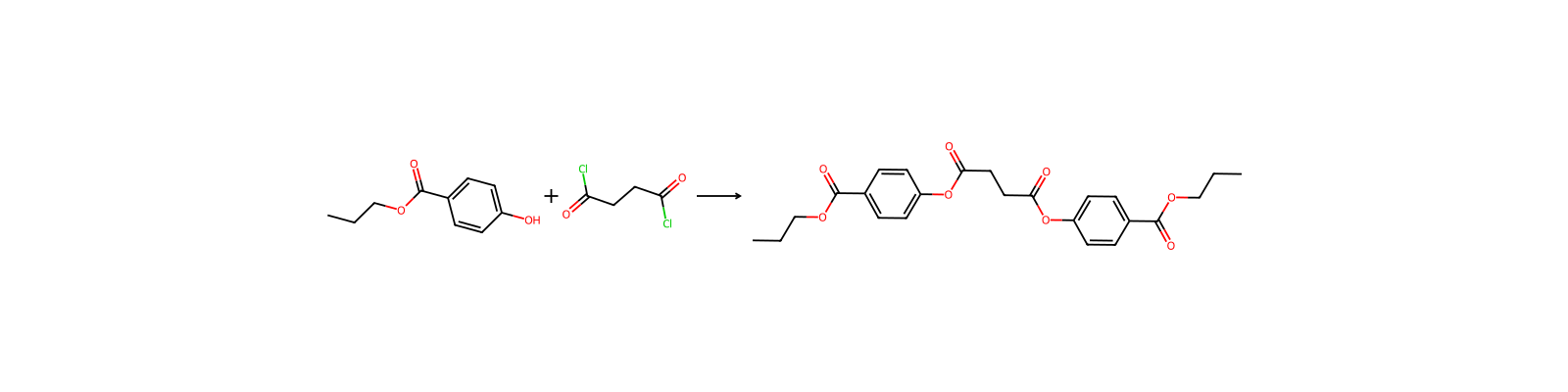
Reaktionsgleichung von HRID 393767
HRID 393767als Eduktuspto-grants-2004_10
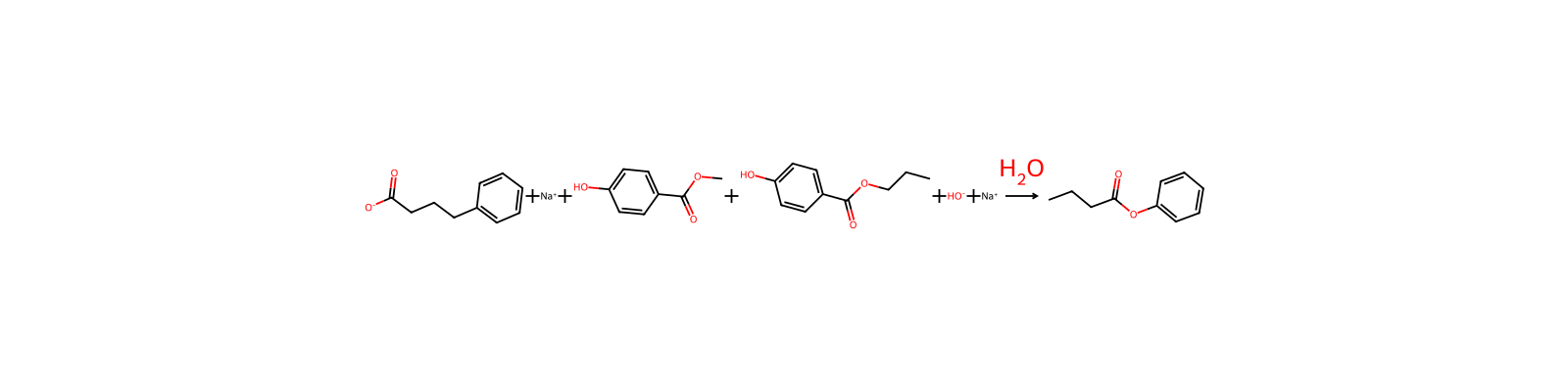
Reaktionsgleichung von HRID 393768
HRID 393768als Eduktuspto-grants-2004_10
Reaktionsgleichung von HRID 453401
HRID 453401als Eduktuspto-grants-2013_07
Reaktionsgleichung von HRID 986514
HRID 986514als Eduktuspto-grants-1987_12
Reaktionsgleichung von HRID 986515
HRID 986515als Eduktuspto-grants-1987_12
Reaktionsgleichung von HRID 1006519
HRID 1006519als Eduktuspto-grants-2004_09
Reaktionsgleichung von HRID 1193947
HRID 1193947als Eduktuspto-grants-1989_03
Reaktionsgleichung von HRID 1222837
HRID 1222837als EduktTraining data from https://doi.org/10.1039/C8SC04228D (5/10)
Seite 1 von 3

Notizen zur Verbindung

Wird geladen…

Auf dieser SeiteGrundinformationenÜberblickNamen und BezeichnerEigenschaftenSicherheit und RegulatorischesChemie und IndustrieZugehörige ReaktionenNotizen zur Verbindung
Weitere Aktionen
Neue NotizNeue ReaktionAnfrage stellen

Density: 1.0630 g/cu cm at 102 °C

Color/Form · 2 Einträge

White crystals

Prisms from ether

Solubility · 6 Einträge

less than 1 mg/mL at 54 °F (NTP, 1992)

In water, 5.00X10+2 mg/L at 25 °C

Soluble in 2000 parts water; slightly soluble in boiling water

In water, 463 mg/L at 20 °C

Soluble in ethanol, ethyl ether; slightly soluble in chloroform

For more Solubility (Complete) data for PROPYLPARABEN (6 total), please visit the HSDB record page.

Animal DrugsPharmaceuticals -> UK Veterinary Medicines Directorate List

Physikochemische Eigenschaften

Schmelzpunkt
95 · 95-98 °C(lit.)
Siedepunkt
133 °C · 133°C
Dichte
1.063 · 1.0630
Dampfdruck
0.67 hPa · 0.67 hPa (122 °C)
FEMA
2951 · 2951 | PROPYL P-HYDROXYBENZOATE
Brechungsindex
1.505 · 1.5050
Flammpunkt
180 ° · 180°(356°F)
storage temp.
Sealed in dry,Room Temperature
Löslichkeit
0.1 M, · ethanol: soluble0.1M, clear, colorless
Aggregatzustand
Crystalline Powder
pka
8.4 · pKa 8.4 (Uncertain)
Farbe
White
Wichte
0.789 · 0.789 (20/4℃)
PH
6 · 6-7 (H2O, 20°C) (saturated solution)
Geruch (Odor)
100 % · at 100.00 %. sweet smoky burnt woody hawthorn
Geruchsart
smoky
Biologische Quelle
synthetic
Wasserlöslichkeit
0.1 g/100 · <0.1 g/100 mL at 12 ºC
Merck
14 · 14,7866
BRN
1103245 · 1103245
Henry's Law Constant
1.5 · 1.5×103 mol/(m3Pa) at 25℃, HSDB (2015)
Stabilität
Stable. Incompatible with strong oxidizing agents, strong bases.
Kosmetik-Inhaltsstoffe Funktionen
PERFUMINGPRESERVATIVE
InChI
1S/C10H12O3/c1-2-7-13-10(12)8-3-5-9(11)6-4-8/h3-6,11H,2,7H2,1H3
InChIKey
QELSKZZBTMNZEB-UHFFFAOYSA-N
SMILES
CCCOC(=O)c1ccc(O)cc1
LogP
2.8 at · 2.8 at 20℃
CAS Datenbank
94 · 94-13-3(CAS DataBase Reference)
NIST chemische Informationen
N-propyl-p-hydroxy-benzoate(94-13-3)
EPA chemische Informationen
Propylparaben (94-13-3)
Hazards Summary · 1 Eintrag

Parabens are an uncommon cause of allergic contact dermatitis; [Marks, p. 115] A moderate eye irritant (saturated aqueous solution); Parabens may cause skin sensitization in a small percentage of the population; [HSDB] May cause eye and respiratory tract irritation; Prolonged skin contact may cause irritation and contact dermatitis; [CAMEO] An eye and mild skin irritant; May cause skin sensitization; [eChemPortal: ERMA] Parabens can induce allergic contact dermatitis, mainly in chronic dermatitis and wounded skin. [Kanerva, p. 1822-3] May cause irritation; [MSDSonline]

FDA Requirements · 5 Einträge

Propylparaben is a food additive permitted for direct addition to food for human consumption as a synthetic flavoring substance and adjuvant in accordance with the following conditions: a) they are used in the minimum quantity required to produce their intended effect, and otherwise in accordance with all the principles of good manufacturing practice, and 2) they consist of one or more of the following, used alone or in combination with flavoring substances and adjuvants generally recognized as safe in food, prior-sanctioned for such use, or regulated by an appropriate section in this part.

Substances classified as antimycotics, when migrating from food-packaging material shall include: propylparaben.

Substance added directly to human food affirmed as generally recognized as safe (GRAS). ... The ingredient is used in food at levels not to exceed good manufacturing practices. Current good manufacturing practice results in a maximum level of 0.1 percent in food.

Drug products containing certain active ingredients offered over-the-counter (OTC) for certain uses. A number of active ingredients have been present in OTC drug products for various uses, as described below. However, based on evidence currently available, there are inadequate data to establish general recognition of the safety and effectiveness of these ingredients for the specified uses: propylparaben is included in topical antifungal drug products.

This substance is generally recognized as safe for use at a level not exceeding 0.1 percent in accordance with good manufacturing or feeding practice.

Reactive GroupEsters, Sulfate Esters, Phosphate Esters, Thiophosphate Esters, and Borate Esters
Special Reports · 1 Eintrag

Cosmetic Ingredient Review; Final Amended Report on the Safety Assessment of Methylparaben, Ethylparaben, Propylparaben, Isopropylparaben, Butylparaben, Isobutylparaben, and Benzylparaben as used in Cosmetic Products Int J Toxicol 27 Suppl 4: 1-82 (2008)[Available from, as of November 21, 2016: http://online.personalcarecouncil.org/ctfa-static/online/lists/cir-pdfs/PR427.pdf]

FIFRA Requirements · 3 Einträge

Residues of propyl p-hydroxybenzoate are exempted from the requirement of a tolerance when used as a preservative for formulations in accordance with good agricultural practice as inert (or occasionally active) ingredients in pesticide formulations applied to growing crops or to raw agricultural commodities after harvest.

Residues of propyl p-hydroxybenzoate are exempted from the requirement of a tolerance when used as a preservative (Limit: meets specifications of Food Chemical Codex; not to exceed 0.1% in formulations) in accordance with good agricultural practice as inert (or occasionally active) ingredients in pesticide formulations applied to animals.

As the federal pesticide law FIFRA directs, EPA is conducting a comprehensive review of older pesticides to consider their health and environmental effects and make decisions about their continued use. Under this pesticide reregistration program, EPA examines newer health and safety data for pesticide active ingredients initially registered before November 1, 1984, and determines whether the use of the pesticide does not pose unreasonable risk in accordance to newer safety standards, such as those described in the Food Quality Protection Act of 1996. Pesticides for which EPA had not issued Registration Standards prior to the effective date of FIFRA '88 were divided into three lists based upon their potential for human exposure and other factors, with List B containing pesticides of greater concern than those on List C, and with List C containing pesticides of greater concern than those on List D. Propyl paraben is found on List D. Case No: 4071; Case Status: No products containing the pesticide are actively registered ... The case /is characterized/ as "cancelled." Under FIFRA, pesticide producers may voluntarily cancel their registered products. EPA also may cancel pesticide registrations if registrants fail to pay required fees or make/meet certain reregistration commitments, or if EPA reaches findings of unreasonable adverse effects.; Active ingredient (AI): Propyl paraben; AI Status: The active ingredient is no longer contained in any registered pesticide products ... "cancelled."

Reactivity ProfileMaximum stability of PROPYL-4-HYDROXYBENZOATE occurs at a pH of 4 to 5. Incompatible with alkalis and iron salts. Also incompatible with strong oxidizing agents and strong acids (NTP, 1992).
Air and Water ReactionsWater soluble [Hawley].
Toxic Combustion ProductsSpecial hazards arising from the substance or mixture: Carbon oxides

Sicherheit und Schutzausrüstung

Fire FightingFires involving this material can be controlled with a dry chemical, carbon dioxide or Halon extinguisher. A water spray may also be used. (NTP, 1992)
First Aid · 1 Eintrag

EYES: First check the victim for contact lenses and remove if present. Flush victim's eyes with water or normal saline solution for 20 to 30 minutes while simultaneously calling a hospital or poison control center. Do not put any ointments, oils, or medication in the victim's eyes without specific instructions from a physician. IMMEDIATELY transport the victim after flushing eyes to a hospital even if no symptoms (such as redness or irritation) develop.

Fire Fighting Procedures · 2 Einträge

Suitable extinguishing media: Use water spray, alcohol-resistant foam, dry chemical or carbon dioxide.

Advice for firefighters: Wear self-contained breathing apparatus for firefighting if necessary.

Storage Conditions · 2 Einträge

Keep container tightly closed in a dry and well-ventilated place.

Containers should be stored in a dry place & kept tightly sealed when not in use. /Parabens/

Cleanup Methods · 1 Eintrag

ACCIDENTAL RELEASE MEASURES: Personal precautions, protective equipment and emergency procedures: Avoid dust formation. Avoid breathing vapors, mist or gas. Ensure adequate ventilation. Environmental precautions: Prevent further leakage or spillage if safe to do so. Do not let product enter drains. Discharge into the environment must be avoided. Methods and materials for containment and cleaning up: Pick up and arrange disposal without creating dust. Sweep up and shovel. Keep in suitable, closed containers for disposal.

Nonfire Spill Response · 1 Eintrag

SMALL SPILLS AND LEAKAGE: Should a spill occur while you are handling this chemical, FIRST REMOVE ALL SOURCES OF IGNITION, then you should dampen the solid spill material with 60-70% ethanol and transfer the dampened material to a suitable container. Use absorbent paper dampened with 60-70% ethanol to pick up any remaining material. Seal the absorbent paper, and any of your clothes, which may be contaminated, in a vapor-tight plastic bag for eventual disposal. Solvent wash all contaminated surfaces with 60-70% ethanol followed by washing with a soap and water solution. Do not reenter the contaminated area until the Safety Officer (or other responsible person) has verified that the area has been properly cleaned.

Disposal Methods · 2 Einträge

SRP: Recycle any unused portion of the material for its approved use or return it to the manufacturer or supplier. Ultimate disposal of the chemical must consider: the material's impact on air quality; potential migration in air, soil or water; effects on animal, aquatic and plant life; and conformance with environmental and public health regulations. If it is possible or reasonable use an alternative chemical product with less inherent propensity for occupational harm/injury/toxicity or environmental contamination.

Product: Offer surplus and non-recyclable solutions to a licensed disposal company; Contaminated packaging: Dispose of as unused product.

Preventive Measures · 5 Einträge

ACCIDENTAL RELEASE MEASURES: Personal precautions, protective equipment and emergency procedures: Avoid dust formation. Avoid breathing vapors, mist or gas. Ensure adequate ventilation. Environmental precautions: Prevent further leakage or spillage if safe to do so. Do not let product enter drains. Discharge into the environment must be avoided.

Precautions for safe handling: Further processing of solid materials may result in the formation of combustible dusts. The potential for combustible dust formation should be taken into consideration before additional processing occurs. Provide appropriate exhaust ventilation at places where dust is formed.

Appropriate engineering controls: Handle in accordance with good industrial hygiene and safety practice. Wash hands before breaks and at the end of workday.

Gloves must be inspected prior to use. Use proper glove removal technique (without touching glove's outer surface) to avoid skin contact with this product. Dispose of contaminated gloves after use in accordance with applicable laws and good laboratory practices. Wash and dry hands.

For more Preventive Measures (Complete) data for PROPYLPARABEN (8 total), please visit the HSDB record page.

Allowable Tolerances · 2 Einträge

Residues of propyl p-hydroxybenzoate are exempted from the requirement of a tolerance when used as a preservative for formulations in accordance with good agricultural practice as inert (or occasionally active) ingredients in pesticide formulations applied to growing crops or to raw agricultural commodities after harvest.

Residues of propyl p-hydroxybenzoate are exempted from the requirement of a tolerance when used as a preservative (Limit: meets specifications of Food Chemical Codex; not to exceed 0.1% in formulations) in accordance with good agricultural practice as inert (or occasionally active) ingredients in pesticide formulations applied to animals.

Personal Protective Equipment (PPE) · 5 Einträge

RECOMMENDED RESPIRATOR: Where the neat test chemical is weighed and diluted, wear a NIOSH-approved half face respirator equipped with an organic vapor/acid gas cartridge (specific for organic vapors, HCl, acid gas and SO2) with a dust/mist filter. (NTP, 1992)

Eye/face protection: Use equipment for eye protection tested and approved under appropriate government standards such as NIOSH (US) or EN 166(EU).

Skin protection: Handle with gloves.

Body Protection: Choose body protection in relation to its type, to the concentration and amount of dangerous substances, and to the specific work-place.

Respiratory protection: Respiratory protection is not required. Where protection from nuisance levels of dusts are desired, use type N95 (US) or type P1 (EN 143) dust masks. Use respirators and components tested and approved under appropriate government standards such as NIOSH (US) or CEN (EU).

Toxikologische Informationen

Body Burden · 2 Einträge

Propylparaben had a frequency of detection of 96% in urine samples from a group of US male and female adults sampled from 2003 to 2005(1).

Concentration of urinary p-hydroxybenzoic acid and propylparaben in children and adults from the United States and China(1).[Table#788]

Interactions · 3 Einträge

Butylated hydroxyanisole and propylparaben are phenolic preservatives commonly used in food, pharmaceutical and personal care products. Both chemicals have been subjected to extensive toxicological studies, due to the growing concern regarding their possible impacts on environmental and human health. However, the cytotoxicity and underlying mechanisms of co-exposure to these compounds have not been explored. In this study, a set of relevant cytotoxicity endpoints including cell viability and proliferation, oxidative stress, DNA damage and gene expression changes were analyzed to assess whether the antioxidant butylated hydroxyanisole could prevent the pro-oxidant effects caused by propylparaben in Vero cells. We demonstrated that binary mixtures of both chemicals induce greater cytotoxic effects than those reported after single exposureto each compound. Simultaneous treatment with butylated hydroxyanisole and propylparaben caused G0/G1 cell cycle arrest as a result of enhanced generation of oxidative stress and DNA double strand breaks. DNA microarray analysis revealed that a cross-talk between transforming growth factor beta (TGFbeta) and ataxia-telangiectasia mutated kinase (ATM) pathways regulates the response of Vero cells to the tested compounds in binary mixture. Our findings indicate that butylated hydroxyanisole potentiates the pro-oxidant effects of propylparaben in cultured mammalian cells and provide useful information for their safety assessment.

Endocrine-disrupting compounds can interfere with the endocrine organs or hormone system and cause tumors, birth defects and developmental disorders in humans. The estrogen-like activity of compounds has been widely studied but little is known concerning their possible modulation of the glucocorticoid receptor. Steroidal (synthetic and natural) and non-steroidal endocrine-active compounds commonly occur as complex mixtures in human environments. Identification of such molecular species, which are responsible for modulating the glucocorticoid receptor are necessary to fully assess their risk. We have used the MDA-kb2 cell line, which expresses endogenous glucocorticoid receptor and a stably transfected luciferase reporter gene construct, to quantify the glucocorticoid-like activity of four compounds present in products in everyday use -propylparaben (PP), butylparaben (BP), diethylhexyl phthalate (DEHP) and tetramethrin (TM). We tested all possible combinations of these compounds at two concentrations (1 uM and 10 nM) and compared their glucocorticoid-like activity. At the concentration of 1 uM seven mixtures were identified to have glucocorticoid-like activity except: DEHP+TM, BP+TM, DEHP+PP+TM, BP+PP+TM. At the concentration of 10 nM only three mixtures have glucocorticoid modulatory activity: DEHP+PP, BP+PP, DEHP+BP+PP+TM. Identified glucocorticoid-like activities were between 1.25 and 1.51 fold at the concentration of 1 uM and between 1.23 and 1.44 fold at the concentration of 10 nM in comparison with the solvent control. Individually BP, PP, and DEHP had glucocorticoid-like activity of 1.60, 1.57 and 1.50 fold over the solvent control at the concentration of 1 uM. On the other hand PP and DEHP, at the concentration of 10nM, showed no glucocorticoid-like activity, while BP showed 1.44 fold. The assertion that individual glucocorticoid-like compounds do not produce harm because they are present at low, ineffective levels in humans may be irrelevant when we include mixed exposures. This study emphasizes that risk assessment of compounds should take mixture effects into account.

... Evidence that the antimicrobial effects of the parabens and sodium benzoate are additive. /Parabens/

Ecotoxicity Values · 4 Einträge

EC50; Species: Daphnia magna (Water flea); Conditions: freshwater, static, pH 7.6-7.7, dissolved oxygen 100% saturated; Concentration: 27500 ug/L for 24 hr (95% confidence interval: 20300-45800 ug/L); Effect: intoxication, immobilization /formulation/

EC50; Species: Daphnia magna (Water flea); Conditions: freshwater, static, pH 7.6-7.7, dissolved oxygen 100% saturated; Concentration: 15400 ug/L for 48 hr (95% confidence interval: 7970-32300 ug/L); Effect: intoxication, immobilization /formulation/

LC50; Species: Dugesia japonica (Flatworm) body length 0.7 cm; Conditions: freshwater, static, 25 °C; Concentration: 14700 ug/L for 24 hr (95% confidence interval: 13100-15100 ug/L) />99% purity/

LC50; Species: Dugesia japonica (Flatworm) body length 0.7 cm; Conditions: freshwater, static, 25 °C; Concentration: 12300 ug/L for 96 hr (95% confidence interval: 13100-15100 ug/L) />99% purity/

Environmental Fate · 3 Einträge

TERRESTRIAL FATE: Based on a classification scheme(1), an estimated Koc value of 290(SRC), determined from a structure estimation method(2), indicates that propylparaben is expected to have moderate mobility in soil(SRC). The estimated pKa of propylparaben is 8.5(3), indicating that this compound will exist partially in the anion form in the environment and anions generally do not adsorb more strongly to soils containing organic carbon and clay than their neutral counterparts(4). Volatilization of propylparaben from moist soil surfaces is not expected to be an important fate process(SRC) given an estimated Henry's Law constant of 4.3X10⁻⁹ atm-cu m/mole(SRC), using a fragment constant estimation method(5). Propylparaben is not expected to volatilize from dry soil surfaces(SRC) based upon an estimated vapor pressure of 3.1X10⁻⁴ mm Hg at 25 °C(SRC), determined from a fragment constant method(2). Using the Zahn-Wellens test, 100% biodegradation was attained in 6 days using analogous methyparaben(6), suggesting that biodegradation in soil may be an important environmental fate process for propylparaben(SRC).

AQUATIC FATE: Based on a classification scheme(1), an estimated Koc value of 290(SRC), determined from a structure estimation method(2), indicates that propylparaben is expected to adsorb to suspended solids and sediment(SRC). Volatilization from water surfaces is not expected(3) based upon an estimated Henry's Law constant of 4.3X10⁻⁹ atm-cu m/mole(SRC), developed using a fragment constant estimation method(4). According to a classification scheme(5), an estimated BCF of 50(SRC), from its log Kow of 3.04(6) and a regression-derived equation(2), suggests the potential for bioconcentration in aquatic organisms is moderate(SRC). A direct photolysis half-life of 2.5 days was reported in water(7). Using the Zahn-Wellens test, 100% biodegradation was attained in 6 days using analogous methyparaben(8), suggesting that biodegradation in water may be an important environmental fate process for propylparaben(SRC).

ATMOSPHERIC FATE: According to a model of gas/particle partitioning of semivolatile organic compounds in the atmosphere(1), propylparaben, which has an estimated vapor pressure of 3.1X10⁻⁴ mm Hg at 25 °C(SRC), determined from a fragment constant method(2), will exist in both the vapor and particulate phases in the ambient atmosphere. Vapor-phase propylparaben is degraded in the atmosphere by reaction with photochemically-produced hydroxyl radicals(SRC); the half-life for this reaction in air is estimated to be 1 day(SRC), calculated from its rate constant of 1.4X10⁻¹¹ cu cm/molecule-sec at 25 °C(SRC) that was derived using a structure estimation method(3). Particulate-phase propylparaben may be removed from the air by wet and dry deposition(SRC). Propylparaben contains chromophores that absorb at wavelengths >290 nm(4) and, therefore, may be susceptible to direct photolysis by sunlight(SRC).

Food Survey ValuesOccurrence of propylparaben in food samples collected from several grocery stores in Albany, NY in 2008, 2011 and 2012(1).[Table#789]
Adverse EffectsSkin Sensitizer - An agent that can induce an allergic reaction in the skin.
Toxicity Summary · 3 Einträge

The CIR Expert Panel concluded that the following 20 parabens are safe in cosmetics in the present practices of use and concentration described in the safety assessment when the sum of the combined concentration of parabens in any given formulation does not exceed 0.8 %...Propylparaben...

Safe for use in cosmetics, with qualifications

IDENTIFICATION AND USE: Propylparaben is a stable, non-volatile compound used as an antimicrobial preservative in foods, drugs and cosmetics. HUMAN EXPOSURE AND TOXICITY: Sensitization has occurred when medications containing parabens have been applied to damaged or broken skin. Parabens have been implicated in numerous cases of contact sensitivity associated with cutaneous exposure, but high concentrations of 5-15% in patch testing are needed to elicit reaction in susceptible individuals. ANIMAL STUDIES: Acute toxicity studies in animals indicate that propylparaben is relatively non-toxic by both oral and parenteral routes, although it is mildly irritating to the skin. Following chronic administration, no-observed-effect levels (NOEL) as high as 1200-4000 mg/kg have been reported and a no-observed-adverse-effect level (NOAEL) of 5500 mg/kg was reported in the rat. Propylparaben is not carcinogenic, mutagenic or clastogenic. It is not cytogenic in vitro in the absence of carboxyesterase inhibitors. Propylparaben in the diet produced cell proliferation in the forestomach of rats. Propylparaben was noncarcinogenic in a study of transplacental carcinogenesis. In one in vitro study, sperm were not viable at concentrations as low as 3 mg/mL Propylparaben. Propylparaben did affect sperm counts in vivo at all levels from 0.01% to 1.0%. ECOTOXICITY STUDIES: In a rainbow trout Oncorhynchus mykiss test system, increases in average plasma vitellogenin levels were seen at oral exposure to 33 mg propylparaben/kg/2 days; the most sensitive fish responded to 7 mg/kg. Zebrafish exposure to propylparaben at the concentrations of 0.1; 0.4 and 0.9 mg/L elicited statistically significant decline of vitellogenin production.

Average Daily IntakeEstimated daily intakes of propylparaben from indoor dust (13 cities, 4 countries) from the United States, China, Korea and Japan (all ng/kg bw/day)(1).[Table#787]
Ecotoxicity Excerpts · 5 Einträge

/AQUATIC SPECIES/ The estrogenic effect of propylparaben was investigated in a rainbow trout Oncorhynchus mykiss test system. Propylparaben was administered orally to sexually immature rainbow trout every second day for up to 10 days in doses between 7 and 1830 mg/kg/2 days and in the water at 50 and 225 ug/L for 12 days. Plasma vitellogenin was measured before and during the exposures and the concentrations of propylparaben in liver and muscle were determined at the end of experiments. Increases in average plasma vitellogenin levels were seen at oral exposure to 33 mg propylparaben/kg/2 days; the most sensitive fish responded to 7 mg/kg. The ED(50) values for increase in vitellogenin synthesis were 35, 31 and 22 mg/kg/2 days at day 3, 6 and 11, respectively. Exposure to 225 ug propylparaben/L increased vitellogenin synthesis, but exposure to 50 ug/L did not. Propylparaben showed little tendency to bioaccumulation in rainbow trout; <1 per thousand of the total amount of propylparaben administered orally at 1830 mg/kg/2 days over the 10 day experimental period was retained in muscle and liver 24 hr after the end of the experiment. Exposure to 225 ug propylparaben/L for 12 days led to concentrations of 6700 and 870 ug propylparaben/kg liver and muscle, respectively. Half lives for propylparaben were 8.6 hr in liver and 1.5 hr in muscle.

/AQUATIC SPECIES/ Xenoestrogenic potential of propylparaben (PP), one of the most commonly used preservatives in drugs, cosmetics and food, was investigated in vivo using zebrafish (Danio rerio). Juvenile zebrafish (20 days post hatching) were exposed to three different concentrations of propylparaben (PP) dissolved in ethanol and added into the water. After 20 days of exposure the fish were euthanized and vitellogenin concentrations in their whole body homogenates were measured by the method of direct sandwich ELISA. Simultaneously, vitellogenin concentrations in either fish from the control group (exposed to solvent without the substance tested) and in fish from the positive control group (exposed to natural estrogen 17beta-estradiol) were measured. Vitellogenin concentration in whole body homogenates of control fish was 400 (396-540) ng/mL (geometric mean (95% CI)). Zebrafish exposure to propylparaben at the concentrations of 0.1, 0.4 and 0.9 mg/L elicited statistically significant decline (P<0.001) of vitellogenin production, i.e. geometric means of vitellogenin concentrations in whole body homogenates were 240 (186-311); 218 (175-270) and 270 (234-311) ng/mL, respectively. Conversely, the geometric mean of vitellogenin concentration in whole body homogenates of zebrafish exposed to 100 ng/mL of 17beta-estradiol (positive control) was significantly higher (P<0.001) than values in all other groups, i.e. 35 553 (16 860-74 968) ng/mL. /The authors conclude that their/ results suggest an antiestrogenic potential of propylparaben tested in vivo in juvenile zebrafish (Danio rerio). The estrogenic effect of 17beta-estradiol was confirmed.

Ongoing Test Status · 2 Einträge

EPA has released the Interactive Chemical Safety for Sustainability (iCSS) Dashboard. The iCSS Dashboard provides an interactive tool to explore rapid, automated (or in vitro high-throughput) chemical screening data generated by the Toxicity Forecaster (ToxCast) project and the federal Toxicity Testing in the 21st century (Tox21) collaboration. /The title compound was tested by ToxCast and/or Tox21 assays/[USEPA; ICSS Dashboard Application; Available from, as of September 8, 2016: http://actor.epa.gov/dashboard/]

The following link will take the user to the National Toxicology Program (NTP) Test Agent Search Results page, which tabulates all of the "Standard Toxicology & Carcinogenesis Studies", "Developmental Studies", and "Genetic Toxicity Studies" performed with this chemical. Clicking on the "Testing Status" link will take the user to the status (i.e., in review, in progress, in preparation, on test, completed, etc.) and results of all the studies that the NTP has done on this chemical.[Available from: http://ntp-apps.niehs.nih.gov/ntp_tox/index.cfm?fuseaction=ntpsearch.searchresults&searchterm=94-13-3]

Effluent Concentrations · 1 Eintrag

The average concentration of propylparaben in 21 influent and effluent samples from wastewater treatment plants on the Turia River, Valencia, Spain were 163 ng/L (21 samples positive) and not detected, respectively. Sampling was conducted in October, 2012; limit of quantitation = 0.5(1). Propylparaben was detected in raw sewage entering the Harbin municipal wastewater treatment plant, Harbin, China, monitored in May 2007(2). The compound was detected at a range of 598-3,090, 26-63 and 1-13 ng/L in influent, final effluent and surface waters, respectively, in the UK(3).

Soil Adsorption/Mobility · 1 Eintrag

Using a structure estimation method based on molecular connectivity indices(1), the Koc of propylparaben can be estimated to be 290(SRC). According to a classification scheme(2), this estimated Koc value suggests that propylparaben is expected to have moderate mobility in soil. The estimated pKa of propylparaben is 8.5(3), indicating that this compound will exist partially in the anion form in the environment and anions generally do not adsorb more strongly to soils containing organic carbon and clay than their neutral counterparts(4).

Regulatorische Informationen

FDA Requirements · 5 Einträge

Propylparaben is a food additive permitted for direct addition to food for human consumption as a synthetic flavoring substance and adjuvant in accordance with the following conditions: a) they are used in the minimum quantity required to produce their intended effect, and otherwise in accordance with all the principles of good manufacturing practice, and 2) they consist of one or more of the following, used alone or in combination with flavoring substances and adjuvants generally recognized as safe in food, prior-sanctioned for such use, or regulated by an appropriate section in this part.

Substances classified as antimycotics, when migrating from food-packaging material shall include: propylparaben.

Substance added directly to human food affirmed as generally recognized as safe (GRAS). ... The ingredient is used in food at levels not to exceed good manufacturing practices. Current good manufacturing practice results in a maximum level of 0.1 percent in food.

Drug products containing certain active ingredients offered over-the-counter (OTC) for certain uses. A number of active ingredients have been present in OTC drug products for various uses, as described below. However, based on evidence currently available, there are inadequate data to establish general recognition of the safety and effectiveness of these ingredients for the specified uses: propylparaben is included in topical antifungal drug products.

This substance is generally recognized as safe for use at a level not exceeding 0.1 percent in accordance with good manufacturing or feeding practice.

FIFRA Requirements · 3 Einträge

Residues of propyl p-hydroxybenzoate are exempted from the requirement of a tolerance when used as a preservative for formulations in accordance with good agricultural practice as inert (or occasionally active) ingredients in pesticide formulations applied to growing crops or to raw agricultural commodities after harvest.

Residues of propyl p-hydroxybenzoate are exempted from the requirement of a tolerance when used as a preservative (Limit: meets specifications of Food Chemical Codex; not to exceed 0.1% in formulations) in accordance with good agricultural practice as inert (or occasionally active) ingredients in pesticide formulations applied to animals.

As the federal pesticide law FIFRA directs, EPA is conducting a comprehensive review of older pesticides to consider their health and environmental effects and make decisions about their continued use. Under this pesticide reregistration program, EPA examines newer health and safety data for pesticide active ingredients initially registered before November 1, 1984, and determines whether the use of the pesticide does not pose unreasonable risk in accordance to newer safety standards, such as those described in the Food Quality Protection Act of 1996. Pesticides for which EPA had not issued Registration Standards prior to the effective date of FIFRA '88 were divided into three lists based upon their potential for human exposure and other factors, with List B containing pesticides of greater concern than those on List C, and with List C containing pesticides of greater concern than those on List D. Propyl paraben is found on List D. Case No: 4071; Case Status: No products containing the pesticide are actively registered ... The case /is characterized/ as "cancelled." Under FIFRA, pesticide producers may voluntarily cancel their registered products. EPA also may cancel pesticide registrations if registrants fail to pay required fees or make/meet certain reregistration commitments, or if EPA reaches findings of unreasonable adverse effects.; Active ingredient (AI): Propyl paraben; AI Status: The active ingredient is no longer contained in any registered pesticide products ... "cancelled."

Sicherheitsdaten

wgk
1
tsca
TSCA listed
hs_code
29182930
RTECS-Nr.
DH2800000
risk_code
36/37/38
Toxizität
LD50 orally in Rabbit: > 5000 mg/kg
hazard_code
Xi
safety_code
26-24/25-36
Speicherklasse
11 - Combustible Solids
Giftige Stoffe Daten
94-13-3(Hazardous Substances Data)
Hazard Classifications
Aquatic Chronic 3
Selbstentzündungstemperatur
>600 °C

Propyl-4-hydroxybenzoate has known human metabolites that include (2S,3S,4S,5R)-3,4,5-trihydroxy-6-(4-propoxycarbonylphenoxy)oxane-2-carboxylic acid.

FDA Pharmacological Classification · 6 Einträge

Z8IX2SC1OH

PROPYLPARABEN

Established Pharmacologic Class [EPC] - Standardized Chemical Allergen

Physiologic Effects [PE] - Increased Histamine Release

Physiologic Effects [PE] - Cell-mediated Immunity

Chemical Structure [CS] - Allergens

MeSH Pharmacological ClassificationSubstances added to pharmaceutical preparations to protect them from chemical change or microbial action. They include ANTI-BACTERIAL AGENTS and antioxidants.
Absorption, Distribution and Excretion · 5 Einträge

Systemic exposure to parabens in the neonatal population, in particular propyl-parabens (PPB), remains a concern. Blood concentrations and kinetics of methyl-parabens (MPB) and PPB were therefore determined in neonates receiving medicines containing these excipients. A multi-center, non-interventional, observational study of excipient-kinetics in neonates. 'Dried Blood Spot' samples were collected opportunistically at the same time as routine samples and the observations modelled using a non-linear mixed effects approach. A total of 841 blood MPB and PPB concentration data were available for evaluation from 181 pre- and term-neonates. Quantifiable blood concentrations of MPB and PPB were observed in 99% and 49% of patients, and 55% and 25% of all concentrations were above limit of detection (10 ng/mL), respectively. Only MPB data was amenable to modelling. Oral bioavailability was influenced by type of formulation and disposition was best described by a two compartment model with clearance (CL) influenced by post natal age (PNA); CL PNA<21 days 0.57 versus CL PNA>21 days 0.88 L/hr. Daily repeated administration of parabens containing medicines can result in prolonged systemic exposure to the parent compound in neonates. Animal toxicology studies of PPB that specifically address the neonatal period are required before a permitted daily exposure for this age group can be established.

By the oral route, parabens are rapidly absorbed, metabolized, and excreted. The metabolic reactions and conversions in mammals vary with the chain length of the ester, the animal species, route of administration, and quantity tested. The metabolism of parabens in humans appears to be most closely related to that of dogs. The rate of metabolite excretion appears to decrease with increasing molecular weight of the ester. /Parabens/

After propyl paraben is intravenously infused into the dog, unhydrolyzed propyl paraben is found only in the brain. In liver, kidney, and muscle, it is immediately hydrolyzed to p-hydroxybenzoic acid. Six hours after oral administration of 1.0 g/kg to dogs, the peak plasma concentration of free and total propyl paraben (205 and 370 ug/cu cm) is reached. After 48 hr, all propyl paraben is eliminated.

Parabens are in widespread use as preservatives in drugs. In the late 1990s, concerns were raised about their capacity to disrupt endocrine function based on in vitro data and in vivo uterotrophic tests. Studies in juvenile male rats provided conflicting results on pospubertal sperm production. In an exploratory pharmacokinetic study, Wistar male rats received a single dose of propylparaben (PP) at 3, 10, 100, or 1000 mg/kg, orally on postnatal day (PND) 31. Plasma PP concentrations were quantifiable up 8 hr after dosing with a mean T max value of 15 min. Distribution was 4.8 L/kg, the plasma elimination half-life was 47 min, and clearance was 4.20 (L/hr)/kg at 10 mg/kg. A sulfoconjugated metabolite was detected. In the juvenile toxicology study, PP was orally administered by gavage to 20 Wistar male rats at doses of 3, 10, 100, or 1000 mg/kg/day in 1% hydroxyethylcellulose for 8 weeks starting on PND21. A first subgroup of 10 males/dose was necropsied immediately after the 8-week exposure period; a second subgroup of 10 males/dose was necropsied after a 26-week washout period. Blood samples were taken from additional satellite animals after dosing on PND21 and PND77 for toxicokinetic analysis. There was no evidence of an effect of PP on the weight of the male reproductive organs, epididymal sperm parameters, hormone levels, or histopathology. The dose of 1000 mg/kg/day was the no-observed adverse effect level, corresponding to a maximum plasma concentration of 12,030 ng/mL and exposure to 47 760 ng x hr/mL (AUC0-8 hr) at the end of the treatment.

For more Absorption, Distribution and Excretion (Complete) data for PROPYLPARABEN (7 total), please visit the HSDB record page.

Cellular LocationsMembrane

Verwendung und Herstellung

Uses · 6 Einträge

CIR ingredient: Propylparaben

Used as antimicrobial preservatives in pharmaceuticals, foods, cosmetics, and shampoos; [HSDB] The parabens (methyl, ethyl, propyl, and butyl) were the most widely used preservatives in cosmetics (0.1% to 0.8%) until their sensitizing potential was recognized; [Marks, p. 115]

For propyl paraben (USEPA/OPP Pesticide Code: 061203) there are 0 labels match. /SRP: Not registered for current use in the U.S., but approved pesticide uses may change periodically and so federal, state and local authorities must be consulted for currently approved uses./

The active ingredient is no longer contained in any registered pesticide products ... "cancelled."

Reported uses (ppm):

Pharmaceutic aid (antifungal); Antimicrobial perservative in foods and cosmetics.

U.S. Production · 4 Einträge

2023: <75,000 lb

(1972) 1.78X10+8 GRAMS

Production volumes for non-confidential chemicals reported under the Inventory Update Rule. [Table#791]

Non-confidential 2012 Chemical Data Reporting (CDR) information on the production and use of chemicals manufactured or imported into the United States. Chemical: Benzoic acid, 4-hydroxy-, propyl ester. National Production Volume: Withheld.

Consumer UsesLaboratory chemicals
Methods of Manufacturing · 3 Einträge

Produced by esterifying p-hydroxybenzoic acid with n-propanol, using an acid catalyst such as sulfuric acid and an excess of propanol. The materials are heated in a glass-lined reactor under reflux. The acid is then neutralized with caustic soda and the product is crystallized by cooling. The crystallized product is centrifuged, washed, dried under vacuum, milled and blended, all in corrosion-resistant equipment to avoid metallic contamination.

It is produced by the n-propanol esterification of p-hydroxybenzoic acid in the presence of sulfuric acid, with subsequent distillation.

Parabens are prepared by esterifying PHBA /parahydroxybenzoic acid/ with the corresponding alcohol in the presence of an acid catalyst, such as sulfuric acid, and an excess of the specific alcohol. The acid is then neutralized with caustic soda, and the product is crystallized by cooling, centrifuged, washed, dried under vacuum, milled, and blended. /Parabens/

Formulations/Preparations · 3 Einträge

USEPA/OPP Pesticide Code 061203; Trade Names: Propyl chemsept, Chemacide PK.

Grade: United States Pharmacopeia, "Food Chemical Codex"

Trade Names: Aseptoform P, Betacide P, Betacine P, Bonomold OP, Chemacide pk, Chemocide pk, Nipagin P, Nipasol, Nipasol M, Nipasol P, Nipazol, Paraben, Parasept, Paseptol, Preserval P, Propagin, Propyl aseptoform, Propyl butex, Propyl chemosept, Propyl chemsept, Propyl parasept, Protaben P, Pulvis conservans, Solbrol P, and Tegosept P.

Household Products · 2 Einträge

Cosmetics product ingredient: n-Propylparaben (Propylparaben)

Information on 652 consumer products that contain Propylparaben in the following categories is provided:

Use Classification · 4 Einträge

Food Additives -> PRESERVATIVE -> JECFA Functional Classes

Food Additives -> PRESERVATIVE -> JECFA Functional Classes

Food Additives -> PRESERVATIVE -> JECFA Functional Classes

Cosmetics -> Preservative

General Manufacturing Information · 3 Einträge

Benzoic acid, 4-hydroxy-, propyl ester: ACTIVE

The parabens are most active against molds and yeasts. They are less effective against bacteria, especially gram-negative bacteria. /Parabens/

Used in the following products: cosmetics and personal care products, perfumes and fragrances and pharmaceuticals

Anwendungen

Verwendenpropylparaben is one of the most frequently used preservatives against bacteria and mold. It has a low sensitizing and low toxicity factor, is reputed to be very safe, and considered to be a noncomedogenic raw material.

Darstellung · 1 Eintrag

synthetischeProduced by esterfying p-hydroxybenzoic acid with n-propanol, using an acid catalyst such as sulfuric acid and an excess of propanol. The materials are heated in a glass-lined reactor under reflux. The acid is then neutralized with caustic soda and the product is crystallized by cooling. The crystallized product is centrifuged, washed, dried under vacuum, milled and blended, all in corrosion-resistant equipment to avoid metallic contamination.

Vor- und nachgelagerte Produkte

Vorgelagerte Rohstoffe

4-HydroxybenzoesureEsterification kettleEthyl-4-hydroxybenzoatSchwefelsurePropan-1-olPropylsalicylatPhenolTetrachlormethan

Nachgelagerte Produkte

Natrium-4-propoxycarbonylphenoxid

Ergänzende Hinweise

DefinitionChEBI: The benzoate ester that is the propyl ester of 4-hydroxybenzoic acid. Preservative typically found in many water-based cosmetics, such as creams, lotions, shampoos and bath products. Also used as a food additive.

/AQUATIC SPECIES/ Ultra violet (UV) screens and preservatives are widely and increasingly used in cosmetics and pharmaceuticals. In the present study, ... the estrogenicity of 4-methyl-benzylidene camphor (4-MBC), octyl-methoxycinnamate (OMC), and propyl paraben (n-propyl-p-hydroxy-benzoate; PP), among UV screens and preservatives, /were examined/ using male medaka (Oryzias latipes), in regard to production of vitellogenin (VTG) and choriogenin (CHG) which are known to be estrogen-responsive gene products. First, using a VTG enzyme-linked immunosorbent assay (ELISA) system, we determined the increase in VTG plasma concentration in medaka due to exposure to 4-MBC, OMC, and PP, and compared this concentration to the non-treated control. Next, we found increases in mRNA expression levels of VTG subtypes VTG-1 and VTG-2, and CHG subtypes CHG-L and CHG-H, in liver due to exposure to 4-MBC, OMC, and PP compared to the non-treated control. In addition, we also found increased mRNA expression levels of estrogen receptor (ER) alpha, among sex hormone receptors in the liver, due to exposure to 4-MBC, OMC, and PP compared to the non-treated control. In this study, we showed that 4-MBC, OMC, and PP have estrogenic activity in fish.

/AQUATIC SPECIES/ Here we proposed a battery of non-invasive biomarkers and a histological survey to examine physiological/anatomical features in embryos, eleutheroembryos (13 days post-fertilization, dpf), and larvae (28-42 dpf) of medaka to investigate the effects of embryonic exposure to propylparaben (PrP). Concentrations <1000 ug PrP/L didn't exert early or late toxic effects. However, survivorship was affected at 4000 ug/L in eleutheroembryos and at > or =1000 ug/L in larvae. Histological alterations were found in 37.5% of eleutheroembryos exposed to 4000 ug PrP/L. Morphometric analysis of the gallbladder revealed significant dilation at >or =400 ug/L throughout embryo development. Ethoxyresorufin-O-deethylase (EROD), as indicator of cytochrome P4501A activity, didn't reveal induction/inhibition although its combination with a P4501A agonist (i.e. beta-naphthoflavone) resulted in a synergic EROD response. Results suggest a low toxicity of PrP for fish and support the use of fish embryos and eleutheroembryos as alternatives of in vivo biomarkers indicative of exposure/toxicity.

For more Ecotoxicity Excerpts (Complete) data for PROPYLPARABEN (7 total), please visit the HSDB record page.