Solid; [Merck Index] White crystalline powder; [Alfa Aesar MSDS]
Solid
Collision Cross Section · 4 Einträge
121 Ų [M+H]+ [CCS Type: TW; Method: calibrated with polyalanine]
130.6 Ų [M+H]+ [CCS Type: DT; Method: single field calibrated with Agilent tune mix (Agilent)]
130.3 Ų [M+H]+ [CCS Type: DT; Method: single field calibrated with ESI Low Concentration Tuning Mix (Agilent)];124.1 Ų [M-H]- [CCS Type: DT; Method: single field calibrated with ESI Low Concentration Tuning Mix (Agilent)];130.1 Ų [M+H]+ [CCS Type: DT; Method: single field calibrated with ESI Low Concentration Tuning Mix (Agilent)]
130.6 Ų [M+H]+;124.6 Ų [M-H]-
Physikochemische Eigenschaften
Schmelzpunkt
160 · 160-163 °C(lit.)
Sicherheit und Regulatorisches
Sicherheitsangaben dienen nur zur Orientierung und ersetzen weder das Sicherheitsdatenblatt (SDB) des Lieferanten noch geltende Vorschriften oder eine fachliche Bewertung.
GHS-Klassifizierung
GHS Classification · 6 Einträge
This chemical does not meet GHS hazard criteria for 1.5% (5 of 343) of reports.
Danger
H315 (21.9%): Causes skin irritation [Warning Skin corrosion/irritation];H318 (78.1%): Causes serious eye damage [Danger Serious eye damage/eye irritation];H319 (20.4%): Causes serious eye irritation [Warning Serious eye damage/eye irritation];H335 (21.6%): May cause respiratory irritation [Warning Specific target organ toxicity, single exposure; Respiratory tract irritation]
P261, P264, P264+P265, P271, P280, P302+P352, P304+P340, P305+P351+P338, P305+P354+P338, P317, P319, P321, P332+P317, P337+P317, P362+P364, P403+P233, P405, and P501 (click each P-code to see the statement)
Aggregated GHS information provided per 343 reports by companies from 16 notifications to the ECHA C&L Inventory. Each notification may be associated with multiple companies.;Reported as not meeting GHS hazard criteria per 5 of 343 reports by companies.;There are 15 notifications provided by 338 of 343 reports by companies with hazard statement code(s).;Information may vary between notifications depending on impurities, additives, and other factors. The percentage value in parenthesis indicates the notified classification ratio from companies that provide hazard codes. Only hazard codes with percentage values above 10% are shown. For more detailed information, please visit ECHA C&L website.
Gefahrenhinweise
Regulatory Information · 4 Einträge
Chemical: L-Proline, 5-oxo-
L-Proline, 5-oxo- is listed on the EPA's Chemical Data Reporting (CDR) system. Manufacturers and importers of L-Proline, 5-oxo- are required to report information about their production and use of this chemical to the EPA under the Toxic Substances Control Act (TSCA). (40 eCFR Part 711)
Status: Active Update: 25-08-2022 https://echa.europa.eu/registration-dossier/-/registered-dossier/24879;Status: Active Update: 17-06-2019 https://echa.europa.eu/registration-dossier/-/registered-dossier/18035
L-Proline, 5-oxo-: Does not have an individual approval but may be used under an appropriate group standard
Chemie und Industrie
Pharmakologische Informationen
Protein BindingReadily available data regarding the protein binding of pidolic acid is not available.
Pharmacodynamics · 1 Eintrag
Pidolic acid is a naturally occurring but little-studied amino acid derivative that can be formed enzymatically or non-enzymatically and participates as a biological intermediate in various chemical pathways. Elevations of the acid in blood levels may be associated with problems of glutamine or glutathione metabolism. Pidolic acid, in general, is found in large quantities in brain tissue and other tissues in bound form, like skin. Moreover, pidolic acid in high enough levels can act as an acidogen capable of inducing acidosis and a metabotoxin that can result in adverse health effects. Chronically elevated levels of pidolic acid are associated with at least five inborn errors of metabolism including 5-oxoprolinuria (where 5-oxoproline is otherwise known as pidolic acid), 5-oxoprolinase deficiency, glutathione synthetase deficiency, hawkinsinuria, and propionic acidemia. In particular, abnormally high levels of organic acids like pidolic acid in the blood, urine, brain, and/or other tissues results in general metabolic acidosis. Such acidosis generally occurs when arterial pH falls below 7.35. In infants, the initial symptoms of acidosis consist of poor feeding, vomiting, loss of appetite, weak muscle tone (hypotonia), and lack of energy. Eventually, acidosis and the symptoms of acidosis can lead to heart, liver, and kidney abnormalities, seizures, coma, and possibly even death. Many children who are afflicted with organic acidemias experience intellectual disability or delayed development. In adults, acidosis or acidemia is characterized by headaches, confusion, feeling tired, tremors, sleepiness, and seizures. High levels of pidolic acid in the blood have also been demonstrated following acetaminophen overdose, causing an increased level of acidity called a high anion gap metabolic acidosis.
Mechanism of Action · 1 Eintrag
Pidolic acid is an endogenous amino acid derivative where the free amino group of glutamic acid or glutamine cyclizes to generate a lactam. Subsequently it is also a metabolite in the glutathione cycle that is converted to glutamate by the enzyme 5-oxoprolinase. Moreover, N-terminal glutamic acid and glutamine residues can either spontaneously cyclize to become pidolic acid, or be enzymatically transformed by glutaminyl cyclases. In particular, this is ultimately a form of N-termini that is a challenge for N-terminal sequencing using Edman chemistry, which necessitates a free primary amino group that is not present in pidolic acid. Pyroglutamate aminopeptidase can restore a free N-terminus by cleaving off the pyroglutamate residue, however. Additionally, pidolic acid and certain pidolic acid salts like calcium, magnesium, and potassium pidolic acid are sometimes used as skin or hair conditioning agents because of their humectant effects. In such humectant formulations, hydrophilic amine, hydroxyl, or even carboxyl groups possess high affinities for forming hydrogen bonds with molecules of water, allowing the hygroscopic formulations to attract and retain moisture in the air nearby through absorption, therefore drawing the water vapor into the formulation.
Other Safety InformationIMAP assessments - L-Proline, 5-oxo-: Environment tier I assessment;Evaluation - Chemicals that are unlikely to require further regulation to manage risks to human health
Hazards SummaryAn irritant that may cause serious eye injury; [Alfa Aesar MSDS]
Hazard Classes and CategoriesSkin Irrit. 2 (21.9%);Eye Dam. 1 (78.1%);Eye Irrit. 2A (20.4%);STOT SE 3 (21.6%)
Toxikologische Informationen
Treatment · 1 Eintrag
Glutathione Synthetase Deficiency: The clinical management of GS deficient patients is aimed at correction of acidosis, prevention of haemolytic crises and support of endogenous defence against reactive oxygen species (ROS). In the neonatal period, correction of metabolic acidosis, electrolyte imbalances, treatment of anaemia and excessive hyperbilirubinaemia are of crucial importance. Correction of acidosis can be reached through bicarbonate, citrate or tris-hydroxymethyl aminomethane (THAM). Doses of up to 10 mmol/kg/day, or even higher in episodes of acute infections, may be required. Repeated blood transfusions may be necessary in patients with massive haemolysis. Drugs and foods known to precipitate haemolytic crises in patients with glucose- 6-phosphatase dehydrogenase deficiency should be avoided. Successful treatment with erythropoietin has been reported in one patient. Early supplementation with vitamin E and vitamin C are thought to replenish the lack of GSH as a scavenger of free radicals. Recommended doses are 10 mg/kg/day for vitamin E and 100 mg/kg/day for vitamin C. A longterm follow-up study of 28 patients suggested that early supplementation with both vitamins may prevent CNS damage and improve the long-term clinical outcome in GS-deficient patients. The value of N-acetylcysteine, which is known to protect cells from oxidative stress in vitro, in the treatment of GS deficiency is controversial. It was suggested that the low intracellular GSH concentrations and cysteine availabilty might be increased by N-acetylcysteine. However, supplementation with N-acetylcysteine should not be recommended, because it was shown at least in cultured fibroblasts that patients with GS deficiency accumulate cysteine, which is known to be neurotoxic in excessive amounts. A therapeutic trial with orally administered GSH showed no lasting benefit in two patients with GS deficiency. GSH esters, lipid-soluble preparations which are easily transported into cells where they
Health EffectsChronically high levels of pyroglutamic acid are associated with at least 5 inborn errors of metabolism including: 5-Oxoprolinuria, 5-oxoprolinase deficiency, Glutathione Synthetase Deficiency, Hawkinsinuria and Propionic acidemia.
Toxicity Summary · 1 Eintrag
5-Oxoprolinuria develops in moderate to severe cases of glutathione synthetase deficiency. The deficiency in glutathione synthetase leads to the accumulation of γ-glutamylcysteine, which is converted into 5-oxoproline by the action of γ-glutamyl cyclotransferase. The excessive formation of 5-oxoproline exceeds the capacity of 5-oxoprolinase, leading to accumulation of 5-oxoproline in body fluids causing metabolic acidosis and 5-oxoprolinuria. 5-Oxoproline accumulation is thought to be the cause of metabolic acidosis in Hawkinsinuria. 5-Oxoprolinase deficiency also leads to decreased conversion of 5-oxoproline to glutamate, resulting in elevated levels of 5-oxoproline in body fluids. 5-Oxoprolinuria has also been described in patients with urea cycle defects, such as ornithine transcarbamoylase deficiency or homocystinuria. In nephropathic cystinosis 5-oxoprolinuria may occur because of secondary impairment of the γ-glutamyl cycle resulting from decreased availability of free cysteine and can be corrected through cysteamine therapy. Transient 5-oxoprolinuria of unknown cause has been reported in very preterm infants. Limited availability of glycine in malnutrition and pregnancy as well as increased turnover of collagen, fibrinogen and other proteins containing considerable amounts of 5-oxoproline in patients with severe burns or Stevens-Johnson syndrome may lead to 5-oxoprolinuria. In addition, certain drugs, such as paracetamol, vigabatrin or some antibiotics (flucloxacillin, netimicin), are known to induce 5-oxoprolinuria, probably through interaction with the γ-glutamyl cycle. Particular infant formulas and tomato juice may contain modified proteins with increased content of 5-oxoproline. (T527)
Signs and Symptoms · 1 Eintrag
Patients with the moderate variant of glutathione synthetase deficiency usually present during the neonatal period with severe and chronic metabolic acidosis, mild to moderate haemolytic anaemia, jaundice and 5-oxoprolinuria. After the neonatal period, the condition usually stabilises, but patients may become critically ill during infections owing to pronounced acidosis and electrolyte imbalances. Several patients have died during such episodes. In addition to the symptoms mentioned above, patients with severe GS deficiency develop progressive CNS symptoms, e.g. mental retardation, seizures, spasticity, ataxia and intention tremor. In addition, some patients suffer from recurrent severe bacterial infections, which is probably due to defective granulocyte function. Hawkinsinuria is characterised by failure to thrive and metabolic acidosis in infancy. After the 1st year of life the condition appears to be asymptomatic. Early weaning from breastfeeding seems to precipitate the disease; the condition may be asymptomatic in breastfed infants. 5-Oxoprolinase Deficiency: Up to now, eight patients in six different families have been described. The clinical symptoms are inconstant and very heterogeneous, including renal stone formation, enterocolitis, neonatal hypoglycaemia, microcytic anaemia, microcephaly and mental retardation. It remains to be established wheter symptoms in identified patients are merely a coincidence. (T527)
Carcinogen ClassificationNo indication of carcinogenicity to humans (not listed by IARC).
Regulatorische Informationen
Regulatory Information · 4 Einträge
Chemical: L-Proline, 5-oxo-
L-Proline, 5-oxo- is listed on the EPA's Chemical Data Reporting (CDR) system. Manufacturers and importers of L-Proline, 5-oxo- are required to report information about their production and use of this chemical to the EPA under the Toxic Substances Control Act (TSCA). (40 eCFR Part 711)
Status: Active Update: 25-08-2022 https://echa.europa.eu/registration-dossier/-/registered-dossier/24879;Status: Active Update: 17-06-2019 https://echa.europa.eu/registration-dossier/-/registered-dossier/18035
L-Proline, 5-oxo-: Does not have an individual approval but may be used under an appropriate group standard
Sicherheitsdaten
F
21
wgk
3
tsca
TSCA listed
hs_code
29337900
RTECS-Nr.
TW3710000
risk_code
36/37/38
hazard_code
Xi
safety_code
26-36-37/39
hazard_class
IRRITANT
Speicherklasse
11 - Combustible Solids
Hazard Classifications
Aquatic Chronic 3Eye Dam. 1
Biological Half-LifeSome studies have determined that the specific half-life of the N-terminal glutamic acid is about 9 months in a pH 4.1 buffer at 45 degrees Celsius.
Metabolism/Metabolites · 2 Einträge
In living cells, various metabolic pathways involving pidolic acid exist: (a) glutamyl/glutaminyl (amino acid) n is converted to pyroglutamyl- (amino acid) n by glutaminyl cyclase, pyroglutamyl- (amino acid) n is then metabolised to pyroglutamic acid (pidolic acid) by pyroglutamyl peptidase; (b) via the gamma-Glutamyl cycle, gamma-Glutamyl transpeptidase generates gamma-Glutamyl amino acid which is metabolised to pyroglutamic acid via gamma-Glutamyl cyclotransferase; (c) glutamate via gamma-Glutamylcysteine synthetase or Glutamine synthetase or Glutamate 5-kinase metabolism generates gamma-Glutamyl phosphate which itself can be converted to pyroglutamic acid; and (d) glutamate or glutamine can be non-enzymatically converted to pyroglutamic acid. Finally, pyroglutamic acid (or pidolic acid) itself is metabolized to glutamate via the 5-Oxoprolinase enzyme.
5-Oxoproline is part of the glutathione metabolism pathway. Degradation of glutathione is initiated by γ-glutamyl transpeptidase, which catalyses the transfer of its γ-glutamyl-group to acceptors. The γ-glutamyl residues are substrates of the γ-glutamyl-cyclotransferase, which converts them to 5-oxoproline and the corresponding amino acids. Conversion of 5-oxoproline to glutamate is catalysed by 5-oxoprolinase. (T527)
Absorption, Distribution and Excretion · 4 Einträge
In skin conditioning agents, it has been observed that the percutaneous absorption of 5, 10, and 20% sodium pidolic acid through human skin was 5.97, 6.78, and 5.89%, respectively.
In the dog animal model, it was determined that 30% of an absorbed oral administration of pidolic acid was excreted unchanged in the urine and the remainder converted to urea.
Readily available data regarding the volume of distribution of pidolic acid is not available.
Readily available data regarding the clearance of pidolic acid is not available.
A cyclized internal amide of L-glutamic acid; Occurs naturally in vegetables, fruits, grasses, and molasses; [Merck Index]
This is an endogenously produced metabolite found in the human body. It is used in metabolic reactions, catabolic reactions or waste generation.
U.S. Production2021: 55,115 lb;2020: 52,910 lb
Consumer UsesAntioxidant
Industry UsesAntioxidant
Use ClassificationCosmetics -> Humectant; Moisturising
General Manufacturing Information · 2 Einträge
Agriculture, Forestry, Fishing and Hunting
L-Proline, 5-oxo-: ACTIVE
Anwendungen
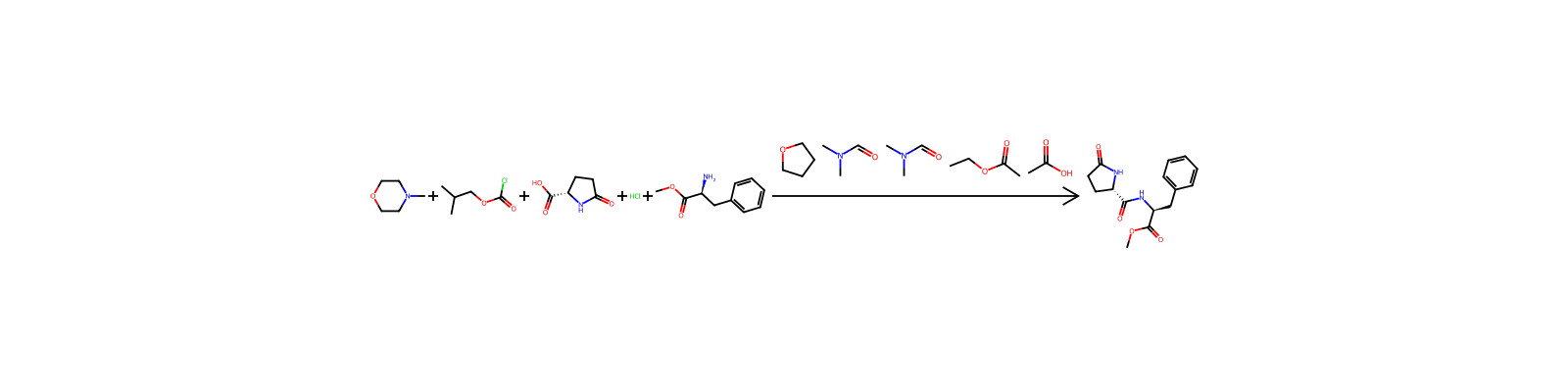
VerwendenL-Pyroglutamic acid is an amino acid that is used in the synthesis of peptides. It has also been observed to convert when placed at the N-terminus in vivo to create IgG2 antibodies.