Vinylchlorformiat
Vinyl chloroformate
Daten werden ergänzt – lade die Seite später neu, um den aktuellen Stand zu sehen
Grundinformationen
- CAS
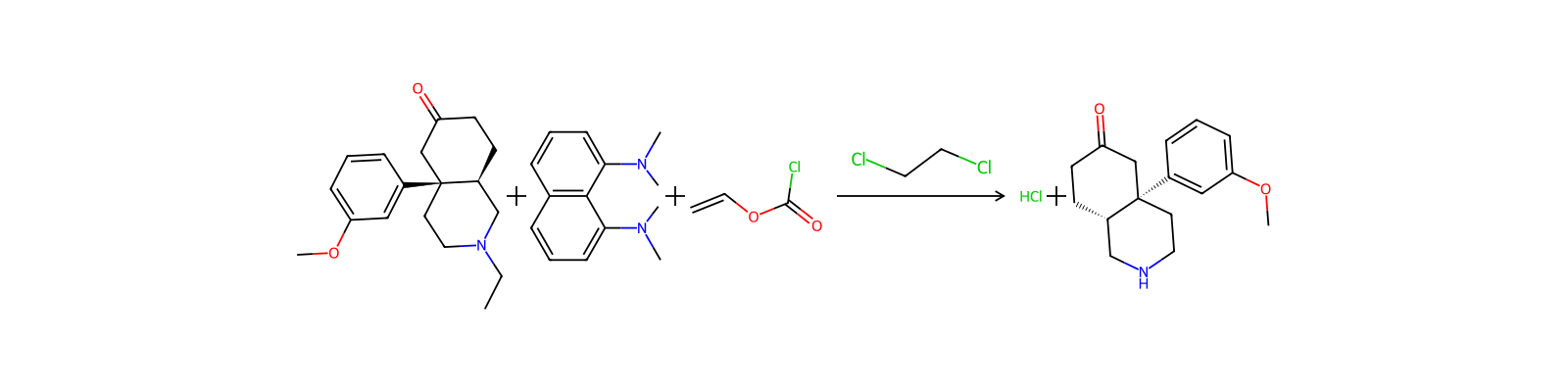
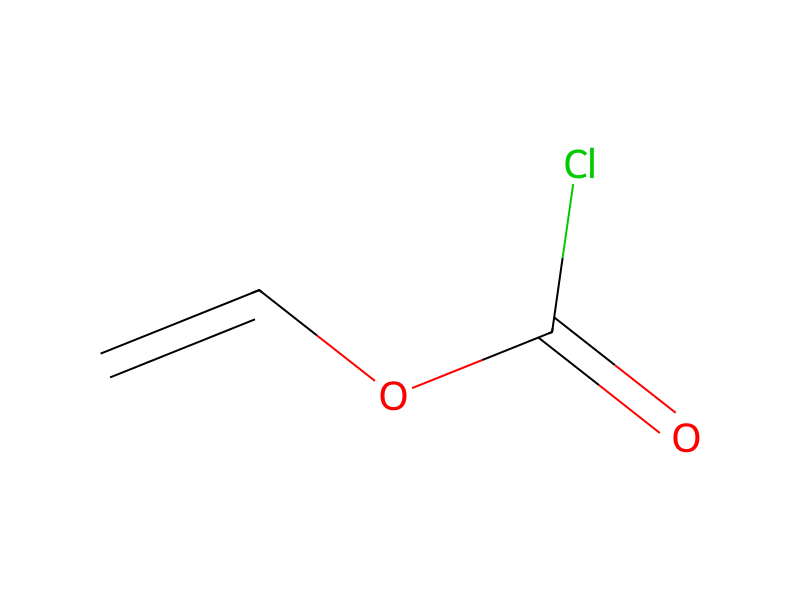
5130-24-5- Standard-SMILES
C=COC(=O)Cl- InChIKey
PQLFROTZSIMBKR-UHFFFAOYSA-N- Summenformel
- C3H3ClO2
- Durchschnittliche Molmasse
- 106,51 g/mol
- Monoisotopische Masse
- 105,98215702
Namen und Bezeichner
- Bevorzugter Name
- Vinyl chloroformate
- IUPAC
- ethenyl carbonochloridate
- Lokaler Name
- Vinylchlorformiat
- Englischer Name
- Vinyl chloroformate
- Summenformel
- C3H3ClO2
- Molmasse
- 106.51
Namen und Synonyme
Vinyl chloroformate5130-24-5ethenyl carbonochloridate9DJ5DDM7G9Carbonochloridic acid, ethenyl esterEINECS 225-874-2chloroformic acid vinyl esterDTXSID30199299RefChem:901916DTXCID10121790225-874-2vinyl carbonochloridate
Weitere Namen anzeigen
Vinyl chlorocarbonateVinylchloroformate99%Vinyl chloroformate 98%Vinyloxycarbonyl chlorideVINYL CHLOROFORMATE, STAB.Ethenyl carbonochloridoateChloroformic acid ethenyl esterVinyl Chloroformate DISCONTINUED
vinylchloroformateethenyl chloroformateUNII-9DJ5DDM7G9Vinyl chloroformate, 94%Vinyl chloroformate, 99%SCHEMBL197073STR07467MFCD00000641
Datenbank-Bezeichner
- CAS
5130-24-5- PubChem CID
- 78808
- DTXSID
DTXSID30199299- UNII
- 9DJ5DDM7G9
- EC Number
- 225-874-2
- Nikkaji
- J203.322D
Eigenschaften
Berechnete StruktureigenschaftenWird ergänzt
- XLogP
- 1,7
- Polarare Oberfläche (TPSA)
- 26,3 Ų
- H-Brücken-Donoren
- 0
- H-Brücken-Akzeptoren
- 2
- Frei drehbare Bindungen
- 2
- Schwere Atome
- 6
- Formalladung
- 0
- Komplexität
- 69,2
Experimentelle und physikochemische Eigenschaften
Chemical ClassesToxic Gases & Vapors -> Acid Halides
Vapor Pressure45.5 [mmHg]
Physical DescriptionColorless liquid; [Alfa Aesar MSDS]
Physikochemische Eigenschaften
- Siedepunkt
- 68 · 68-69 °C735 mm Hg(lit.)
- Dichte
- 1.166 g/mL · 1.166 g/mL at 20 °C(lit.)
- Dampfdruck
- 0.88 psi · 0.88 psi ( 20 °C)
- Brechungsindex
- 20 · n20/D 1.41(lit.)
- Flammpunkt
- 24 °F · 24 °F
- storage temp.
- 2 · 2-8°C
- Aggregatzustand
- Liquid
- Farbe
- Clear colorless
- BRN
- 1741679 · 1741679
Sicherheit und Regulatorisches
Sicherheitsangaben dienen nur zur Orientierung und ersetzen weder das Sicherheitsdatenblatt (SDB) des Lieferanten noch geltende Vorschriften oder eine fachliche Bewertung.
GHS-Klassifizierung
GHS Classification
Danger
H225 (100%): Highly Flammable liquid and vapor [Danger Flammable liquids]
P210, P233, P240, P241, P242, P243, P260, P261, P262, P264, P270, P271, P280, P301+P316, P301+P330+P331, P302+P352, P302+P361+P354, P303+P361+P353, P304+P340, P305+P354+P338, P316, P321, P330, P361+P364, P363, P370+P378, P403+P233, P403+P235, P405, and P501 (click each P-code to see the statement)
Aggregated GHS information provided per 39 reports by companies from 2 notifications to the ECHA C&L Inventory. Each notification may be associated with multiple companies.
Gefahrenhinweise
Regulatory InformationChemical: Carbonochloridic acid, ethenyl ester
Other Safety InformationEvaluation - Chemicals that are unlikely to require further regulation to manage risks to human health
Hazards SummaryReacts with water; Causes burns; Inhalation may cause corrosive injuries to upper respiratory tract; Toxic by ingestion, inhalation, and skin absorption; [Alfa Aesar MSDS] See Allyl chloroformate.
Hazard Classes and CategoriesFlam. Liq. 2 (100%)
Sicherheit und Schutzausrüstung
Exposure Control and Personal Protection
TIH (Toxic Inhalation Hazard) - Term used to describe gases and volatile liquids that are toxic when inhaled. Some are TIH materials themselves, e.g., chlorine, and some release TIH gases when spilled in water, e.g., chlorosilanes. [ERG 2016].
Chemie und Industrie
Anwendungen
VerwendenVinyl Chloroformate was used to prepare analogues of the Nicotinic Acetylcholine Receptor Agonist (±)-UB-165. It was also used to synthesize possible antitumor agents such as paclitaxel-2''-carbonates and N-carbamyl triazenes.
Vor- und nachgelagerte Produkte
Vorgelagerte Rohstoffe
Nachgelagerte Produkte
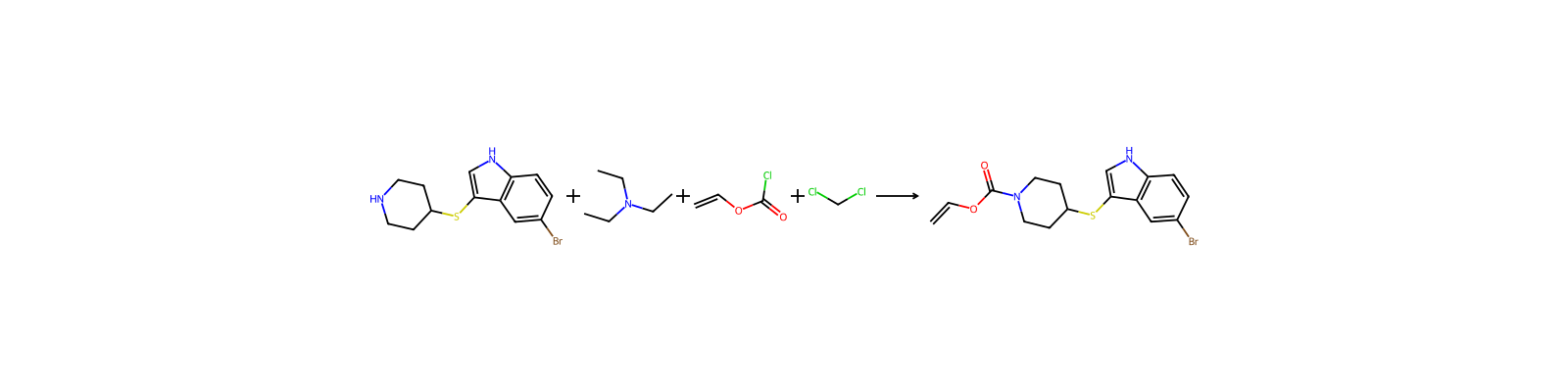
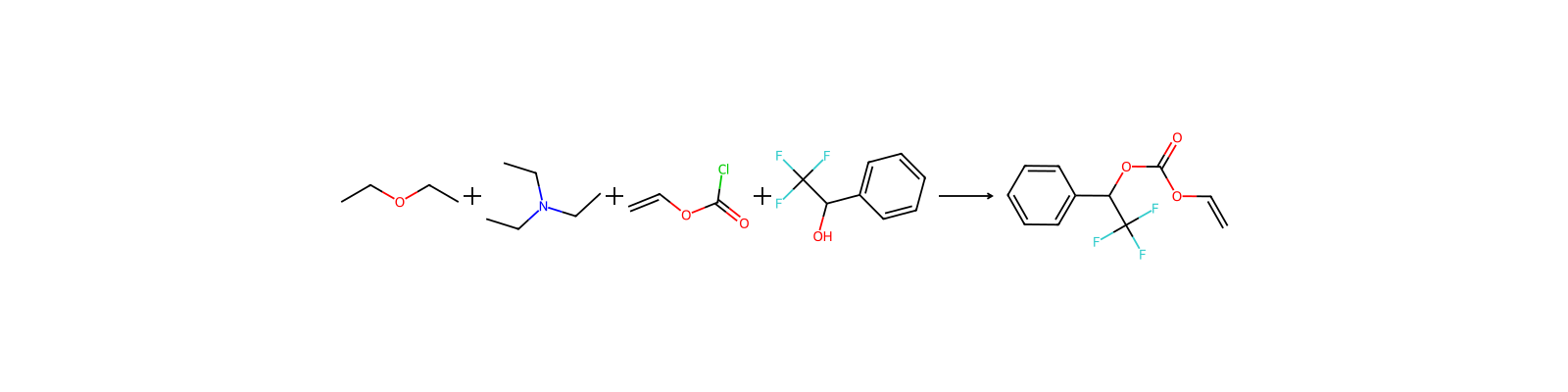
Zugehörige Reaktionen
114





Notizen zur Verbindung
Wird geladen…