

Grundinformationen
- Standard-SMILES
Nc1nc(N)nc(N)n1- InChIKey
JDSHMPZPIAZGSV-UHFFFAOYSA-N- Summenformel
- C3H6N6
- Durchschnittliche Molmasse
- 126,12 g/mol
- Monoisotopische Masse
- 126,06539419
Überblick
Melamine appears as colorless to white monoclinic crystals or prisms or white powder. Sublimes when gently heated. (NTP, 1992)
Namen und Bezeichner
- Bevorzugter Name
- Melamine
- IUPAC
- 1,3,5-triazine-2,4,6-triamine
- Lokaler Name
- Melamin
- Englischer Name
- Melamine
- Summenformel
- C3H6N6
- Molmasse
- 126.12
Namen und Synonyme
MELAMINE1,3,5-Triazine-2,4,6-triamine108-78-1CyanuramideCyanurotriamideCyanurotriamineIsomelamineTheoharnCyanuric triamides-TriazinetriamineTeoharnTriaminotriazine
Weitere Namen anzeigen
Melamin1,3,5-Triazine-2,4,6-triamine (Melamine)Metformin EP Impurity DMELAMINE(P)
Hicophor PR2,4,6-Triamino-1,3,5-triazineAeroPluragardYukamelamine2,4,6-Triamino-s-triazineCymelVirset 656-4
Datenbank-Bezeichner
- CAS
108-78-1、5432-64-4- PubChem CID
- 7955
- DTXSID
DTXSID6020802- ChEMBL
CHEMBL1231106- ChEBI
CHEBI:27915- UNII
- N3GP2YSD88
- EC Number
- 203-615-4
- Nikkaji
- J2.428G
Eigenschaften
Berechnete Struktureigenschaften
- XLogP
- -1,4
- Polarare Oberfläche (TPSA)
- 117 Ų
- H-Brücken-Donoren
- 3
- H-Brücken-Akzeptoren
- 6
- Frei drehbare Bindungen
- 0
- Schwere Atome
- 9
- Formalladung
- 0
- Komplexität
- 63,3
Experimentelle und physikochemische Eigenschaften
Chemical Classes
Nitrogen Compounds -> Triazines
Industrial compound
Polymers
Plastics -> PUR
Plastics -> Flame retardants
SpringerMaterials PropertiesBoiling point
Pesticides
Environmental transformation -> Pesticide transformation products (metabolite, successor)
Pesticide (Melamine) -> USDA PDB
LogP
log Kow = -1.37
-1.37
-1.14
Density
1.573 at 61 °F (NTP, 1992) - Denser than water; will sink
1.573 at 14 °C
1574 kg/m³
1.573 @ 16°C
Flame RetardantsFlame retardants
Color/Form
Monoclinic prisms
Monoclinic colorless prisms or crystals
White, monoclinic crystals
Solubility
less than 1 mg/mL at 72 °F (NTP, 1992)
Very slightly sol in hot alc; insol in ether
Sparingly sol in glycol, glycerol, pyridine; very slightly sol in ethanol; insol in benzene, carbon tetrachloride
In water, 3.23X10+3 mg/L at 20 °C
3.24 mg/mL at 20 °C
Solubility in water: poor
Endocrine DisruptorsPotential endocrine disrupting compound
Boiling Point
Sublimes (NTP, 1992)
Sublimes
DecompositionDANGEROUS; WHEN HEATED TO DECOMP, EMITS HIGHLY TOXIC FUMES OF /NITROGEN OXIDES AND HYDROGEN CYANIDE/.
Physikochemische Eigenschaften
- Schmelzpunkt
- 300 °C · >300 °C (lit.)
- Siedepunkt
- 224.22 °C · 224.22°C (rough estimate)
- Dichte
- 1.573 · 1.573
- Dampfdruck
- 66.65 hPa · 66.65 hPa (315 °C)
- Brechungsindex
- 1.872 · 1.872
- Flammpunkt
- 110 °C · >110°C
- storage temp.
- no restrictions.
- Löslichkeit
- 25 mg/mL, · water: soluble25mg/mL, clear to slightly hazy, colorless
- pka
- 5 · 5(at 25℃)
- Aggregatzustand
- Fine Crystalline Powder
- Farbe
- White
- PH
- 7 · 7-8 (32g/l, H2O, 20℃)
- Wasserlöslichkeit
- 3 g/L · 3 g/L (20 ºC)
- Merck
- 14 · 14,5811
- BRN
- 124341 · 124341
- Henry's Law Constant
- 5.5 · 5.5×108 mol/(m3Pa) at 25℃, HSDB (2015)
- Stabilität
- Stable. Incompatible with strong acids, strong oxidizing agents. Nonflammable.
- Major Application
- cleaning productscosmeticsfood and beveragespersonal care
- InChI
- 1S/C3H6N6/c4-1-7-2(5)9-3(6)8-1/h(H6,4,5,6,7,8,9)
- InChIKey
- JDSHMPZPIAZGSV-UHFFFAOYSA-N
- SMILES
- Nc1nc(N)nc(N)n1
- LogP
- -1.22 at · -1.22 at 20℃
- CAS Datenbank
- 108 · 108-78-1(CAS DataBase Reference)
- NIST chemische Informationen
- 1 · 1,3,5-Triazine-2,4,6-triamine(108-78-1)
- EPA chemische Informationen
- Melamine (108-78-1)
- ECETOC JACC REPORT
- Melamine (108-78-1)
Sicherheit und Regulatorisches
GHS-Klassifizierung
GHS Classification
Warning
H351: Suspected of causing cancer [Warning Carcinogenicity]
P203, P260, P280, P318, P319, P405, and P501 (click each P-code to see the statement)
This chemical does not meet GHS hazard criteria for 67.5% (624 of 924) of all reports.
Warning
H351 (18.2%): Suspected of causing cancer [Warning Carcinogenicity]
Gefahrenhinweise
Regulatory Information
Chemical: 1,3,5-Triazine-2,4,6-triamine
Hazard Traits - Carcinogenicity
Regulation (EC) No 178/2002 (amended)
1,3,5-Triazine-2,4,6-triamine is listed on the EPA's Chemical Data Reporting (CDR) system. Manufacturers and importers of 1,3,5-Triazine-2,4,6-triamine are required to report information about their production and use of this chemical to the EPA under the Toxic Substances Control Act (TSCA). (40 eCFR Part 711)
Status: Active Update: 10-03-2023 https://echa.europa.eu/registration-dossier/-/registered-dossier/15978
Substance: Melamine
Other Safety InformationIMAP assessments - 1,3,5-Triazine-2,4,6-triamine: Human health tier I assessment
Fire Hazards
Literature sources indicate that this compound is nonflammable. (NTP, 1992)
Combustible under specific conditions. Gives off irritating or toxic fumes (or gases) in a fire. Finely dispersed particles form explosive mixtures in air.
Health Hazards
SYMPTOMS: Symptoms of exposure to this compound may include irritation of the skin, eyes and mucous membranes. It may also cause irritation of the upper respiratory tract. Other symptoms may include urinary bladder stones, diuresis and crystalluria. Dermatitis has been reported. Kidney injury may occur.
Hazards Summary
Toxic by ingestion; May cause kidney stones; A skin, eye, mucous membrane, and respiratory tract irritant; [CAMEO] An irritant; Effects in high-dose animal studies include abnormal liver function tests; [MSDSonline] No occupational morbidity or mortality reported; [AIHA] Melamine-contaminated pet food caused kidney stones and acute kidney failure in cats and dogs. [Reference #1]
FDA RequirementsMelamine is an indirect food additive for use only as a component of adhesives.
Reactive GroupAmines, Phosphines, and Pyridines
Special Reports
Organization for Economic Cooperation and Development; Screening Information Data Set for Melamine, CAS #108-78-1
European Chemicals Bureau; IUCLID Dataset, Melamine (CAS # 108-78-1)
Toxicology and Carcinogenesis Studies of Melamine in F344/N Rats and B6C3F1 Mice (Feed Studies) Technical Rpt Series 245 (1983) NIH Pub 83-2501 U.S. Department of Health and Human Services, National Toxicology Program, National Institute of Environmental Health Sciences, Research Triangle Park, NC 27709
Reactivity Profile
MELAMINE is incompatible with strong oxidizing agents and strong acids (NTP, 1992). Neutralizes acids in exothermic reactions to form salts plus water. May be incompatible with isocyanates, halogenated organics, peroxides, phenols (acidic), epoxides, anhydrides, and acid halides. Flammable gaseous hydrogen may be generated in combination with strong reducing agents, such as hydrides.
Chemical DangersDecomposes on heating and on burning. This produces toxic and irritating fumes including hydrogen cyanide, nitrogen oxides and ammonia.
Physical DangersDust explosion possible if in powder or granular form, mixed with air.
Air and Water ReactionsInsoluble in water.
Sicherheit und Schutzausrüstung
Fire Fighting
Fires involving this material can be controlled with a dry chemical, carbon dioxide or Halon extinguisher. A water spray may also be used. (NTP, 1992)
Use water spray, powder, foam, carbon dioxide. In case of fire: keep drums, etc., cool by spraying with water.
First Aid Measures
Fresh air, rest.
Rinse and then wash skin with water and soap.
Rinse with plenty of water for several minutes (remove contact lenses if easily possible).
Rinse mouth.
First Aid
EYES: First check the victim for contact lenses and remove if present. Flush victim's eyes with water or normal saline solution for 20 to 30 minutes while simultaneously calling a hospital or poison control center. Do not put any ointments, oils, or medication in the victim's eyes without specific instructions from a physician. IMMEDIATELY transport the victim after flushing eyes to a hospital even if no symptoms (such as redness or irritation) develop.
Fire Fighting Procedures
Powder, water spray, foam, carbon dioxide.
Melanine itself does not burn. Use any extinguishing agent suitable for surrounding fire. Poisonous gases including carbon monoxide, hydrogen cyanide, nitrogen oxides, and ammonia are produced in fire. If material or contaminated runoff enters waterways, notify downstream users of potentially contaminated waters. Notify local health and fire officials and pollution control agencies. From a secure, explosion-proof location, use water spray to cool exposed containers. If cooling streams are ineffective (venting sound increases in volume and pitch, tank discolors, or shows any signs of deforming), withdraw immediately to a secure position. If employees are expected to fight fires, they must be trained and equipped in OSHA 1910.156.
Storage Conditions
Store in tightly closed containers in a cool, well vented area away form strong oxidizers and strong acids. Where possible, automatically pump liquid from drums or other storage containers to process containers. A regulated, marked area should be established where this chemical is handled, used, or stored in compliance with OSHA standard 1910.1045.
Cleanup Methods
Evacuate persons not wearing protective equipment from area of spill or leak until clean-up is complete. Remove all ignition sources. Use HEPA vacuum or wet method to reduce dist during clean-up. Do not dry sweep. Collect powdered material in the most convenient and safe manner and deposit in sealed containers. Ventilate area after clean-up is complete. It may be necessary to contain and dispose of this chemical as a hazardous waste. If material or contaminated runoff enters waterways, notify downstream users of potentially contaminated waters. Contact your Department of Environmental Protection or your regional office of the federal EPA for specific recommendations. If employees are required to clean-up spills, they must be properly trained and equipped. OSHA 1910.120(q) may be applicable.
Sweep spilled substance into sealable containers; if appropriate, moisten first to prevent dusting. Carefully collect remainder, then remove to safe place (extra personal protection: P2 filter respirator for harmful particles).
DISSOLVED CYANURIC ACID, CYANURATES, & OTHER DERIVATIVES (0.2-3.0%) CONTAINED IN WASTE WATER FROM THE MFR OF CHLORINATED CYANURIC ACIDS ARE REMOVED BY SLURRYING WITH POWDERED OR GRANULATED ACTIVE CARBON FOR 0.5-3 HR & FILTRATION.
ACID WASTEWATERS FROM MFR OF CYANURIC ACID & ITS CHLORINATED DERIVATIVES WHICH CONTAIN CYANURIC ACID, MELAMINE, AMMELINE, & AMMELIDE & HAVE PH 0-6, ARE HEATED TO 245-270 °C UNDER EVOLVED PRESSURE, WHICH MAY BE 1-30 ATM & ARE HYDROLYZED COMPLETELY.
Nonfire Spill Response
SMALL SPILLS AND LEAKAGE: If you spill this chemical, you should dampen the solid spill material with water, then transfer the dampened material to a suitable container. Use absorbent paper dampened with water to pick up any remaining material. Seal your contaminated clothing and the absorbent paper in a vapor-tight plastic bag for eventual disposal. Wash all contaminated surfaces with a soap and water solution. Do not reenter the contaminated area until the Safety Officer (or other responsible person) has verified that the area has been properly cleaned.
Disposal Methods
SRP: The most favorable course of action is to use an alternative chemical product with less inherent propensity for occupational exposure or environmental contamination. Recycle any unused portion of the material for its approved use or return it to the manufacturer or supplier. Ultimate disposal of the chemical must consider: the material's impact on air quality; potential migration in soil or water; effects on animal, aquatic, and plant life; and conformance with environmental and public health regulations.
Spillage Disposal
Personal protection: particulate filter respirator adapted to the airborne concentration of the substance. Sweep spilled substance into sealable containers. If appropriate, moisten first to prevent dusting. Carefully collect remainder. Then store and dispose of according to local regulations.
Eye PreventionWear safety spectacles.
Fire PreventionNO open flames. Closed system, dust explosion-proof electrical equipment and lighting. Prevent deposition of dust.
Inhalation RiskA nuisance-causing concentration of airborne particles can be reached quickly when dispersed, especially if powdered.
Toxikologische Informationen
Interactions
The major pet food recall associated with acute renal failure in dogs and cats focused initially on melamine as the suspect toxicant. In the course of the investigation, cyanuric acid was identified in addition to melamine in the offending food. The purpose of this study was to characterize the toxicity potential of melamine, cyanuric acid, and a combination of melamine and cyanuric acid in cats. In this pilot study, melamine was added to the diet of 2 cats at 0.5% and 1%, respectively. Cyanuric acid was added to the diet of 1 cat at increasing doses of 0.2%, 0.5%, and 1% over the course of 10 days. Melamine and cyanuric acid were administered together at 0%, 0.2%, 0.5%, and 1% to 1 cat per dose group. No effect on renal function was observed in cats fed with melamine or cyanuric acid alone. Cats dosed with a combination were euthanized at 48 hours after dosing because of acute renal failure. Urine and touch impressions of kidneys from all cats dosed with the combination revealed the presence of fan-shaped, birefringent crystals. Histopathologic findings were limited to the kidneys and included crystals primarily within tubules of the distal nephron, severe renal interstitial edema, and hemorrhage at the corticomedullary junction. The kidneys contained estimated melamine concentrations of 496 to 734 mg/kg wet weight and estimated cyanuric acid concentrations of 487 to 690 mg/kg wet weight. The results demonstrate that the combination of melamine and cyanuric acid is responsible for acute renal failure in cats.
Health Effects
Studies ranging from skin irritation to carcinogenicity are available. Melamine is not genotoxic but it causes carcinomas of the urinary bladder at high doses. Melamine is not irritating to skin and eye, not sensitising and not teratogenic. (L1777)
Environmental Fate
TERRESTRIAL FATE: Based on a classification scheme(1), an estimated Koc value of 5(SRC), determined from a log Kow of -1.37(2) and a regression-derived equation(3), indicates that melamine is expected to have very high mobility in soil(SRC). Volatilization of melamine from moist soil surfaces is not expected to be an important fate process(SRC) given an estimated Henry's Law constant of 1.8X10⁻¹⁴ atm-cu m/mole(SRC), derived from its vapor pressure, 3.59X10⁻¹⁰ mm Hg(4), and water solubility, 3.23 mg/L(5). Melamine is not expected to volatilize from dry soil surfaces(SRC) based upon its vapor pressure(4). No biodegradation using a standard 5-day BOD test(6) suggests that biodegradation may not be an important environmental fate process in soil(SRC).
AQUATIC FATE: Based on a classification scheme(1), an estimated Koc value of 5(SRC), determined from a log Kow of -1.37(2) and a regression-derived equation(3), indicates that melamine is not expected to adsorb to suspended solids and sediment(SRC). Volatilization from water surfaces is not expected(3) based upon an estimated Henry's Law constant of 1.84X10⁻¹⁴ atm-cu m/mole(SRC), derived from its vapor pressure, 3.59X10⁻¹⁰ mm Hg(4), and water solubility, 3.23X10+3 mg/L(5). According to a classification scheme(6), an estimated BCF of 3(SRC), from its log Kow(2) and a regression-derived equation(7), suggests the potential for bioconcentration in aquatic organisms is(SRC). No biodegradation using a standard 5-day BOD test was observed(8), suggesting that biodegradation may not be an important environmental fate process in water(SRC).
ATMOSPHERIC FATE: According to a model of gas/particle partitioning of semivolatile organic compounds in the atmosphere(1), melamine, which has a vapor pressure of 3.59X10⁻¹⁰ mm Hg at 20 °C(2), is expected to exist solely in the particulate phase in the ambient atmosphere. Particulate-phase melamine may be removed from the air by wet or dry deposition(SRC).
Food Survey Values
On March 15, 2007, the Food and Drug Administration (FDA) learned that certain pet foods were sickening and killing cats and dogs. FDA found contaminants in vegetable proteins imported into the United States from China and used as ingredients in pet food(1). Melamine was found in wheat gluten imported from China and used in pet food made by Menu Foods, which recalled 60 million cans and pouches of dog and cat food in mid-March of 2007. A portion of the tainted pet food was used to produce farm animal feed and fish feed. FDA and the U.S. Department of Agriculture discovered that some animals that ate the tainted feed had been processed into human food. All tainted pet food, animal and fish feed, and vegetable proteins continue to be recalled and destroyed (2007)(1).
Adverse EffectsOccupational hepatotoxin - Secondary hepatotoxins: the potential for toxic effect in the occupational setting is based on cases of poisoning by human ingestion or animal experimentation.
Exposure RoutesOral (L1775) ; inhalation (L1775) ; dermal (L1775)
Toxicity Summary
IDENTIFICATION: Melamine is a monoclinic prismatic substance that is slightly soluble in water and ethanol. It is insoluble in diethyl ether. Melamine forms synthetic resins with formaldehyde. It is used in the manufacture of melamine resins, laminates, surface coating resins, plastic molding compounds, textile resins, bonding resins, gypsum melamine resin mixtures, orthopedic casts, rubber additives and paper products. HUMAN EXPOSURE: Occupational exposure to melamine may occur during its production and use in manufacture of synthetic resins with formaldehyde. ANIMAL STUDIES: Melamine was tested for its carcinogenicity by oral diet in mice and rats and for initiating activity by skin application in mice. No neoplasm related to treatment was observed after oral administration in mice. Male rats fed diets containing melamine developed transitional cell tumors in the urinary bladder, with one exception; all tumor bearing animals had bladder stones probably containing melamine. The incidence of urinary bladder hyperplasia associated with toxicity in male mice treated with melamine in the diet was observed. Groups of 20 male Fisher 344 rats, six weeks old were fed diets containing melamine with a purity of 99.4% with or without 10% NaCl for a total of 36 weeks and were sacrificed at week 40. Urinary bladder carcinomas were observed in all dose groups given melamine alone and melamine with NaCl. No carcinomas were observed in the melamine and NaCl groups. The incidences of papillomas were significantly decreased by NaCl. In contrast to the incidence of papillomas in the group given high dose melamine alone and in rats receiving high dose melamine and NaCl respectively, developed papillomas. Papillomas developed in rats receiving lower dose melamine alone. The occurrence of tumors correlated with calculus (melamine uric acid salt) formation and papillomatosis. Male and female Fisher 344 rats and B6C3F1 mice were fed melamine in the diet for 103 weeks. Twenty percent of the males at high dose and only 2% at the low dose and none of the controls had bladder stones. Seven of the eight urinary bladders with transitional cell carcinomas and three of the remaining 41 bladders without neoplasms had stones. There was statistically significant correlation between the bladder stones and bladder tumors. Fifty percent of a single oral dose of melamine was recovered in the urine of rats within 6 hr. After administration of a single dose of (14)-C-melamine to adult Fisher 344/N rats, 90% of the dose was excreted in the urine within the first 24 hr. Most of the radiolabel was concentrated in the kidney and bladder and negligible amounts were detected in exhaled air and feces. The radiolabelled material found in the plasma and urine indicated that melamine was not metabolized in rats. Melamine induced lambda prophage in Escherichia coli (WP2s-lambda) but did not induce reverse mutation in Salmonella typhimurium in presence or absence of an exogenous metabolic activation system . Sex linked recessive lethal mutations were not induced in Drosophila melanogaster. Melamine did not induce gene linked mutation in Salmonella typhimurium or sister chromatid exchange in Chinese hamster cells in vitro or micronuclei in mouse bone marrow in vivo. Melamine by oral administration has produced urinary bladder and ureteral carcinomas in male rats but only urinary hyperplasia in male mice. The occurrence of urinary tumors in male rats correlated strictly with calculus formation and exposure to higher doses. The dose dependence was confirmed by other studies in male rats in which concomitant administration of sodium chloride to increase urinary output resulted in a decreased tumor yield.
Melamine causes carcinomas of the urinary bladder at high doses (in male rats). Formation of bladder stones occurred and these calculi are necessary for the induction of tumours. Carcinomas are induced by continuous irritation of the bladder epithelium by the calculi, so that melamine acts only indirectly as a non-genotoxic carcinogen. (L1777)
Ecotoxicity Excerpts
/AQUATIC SPECIES/ EXPOSURE OF BIOMPHALARIA GLABRATA FOR 45 DAYS TO SUBLETHAL CONCN (500, 1000 & 2000 MG/L) OF MELAMINE IN WATER CAUSED A CONCN-DEPENDENT DECREASE IN REPRODUCTIVE ABILITY.
/AQUATIC SPECIES/ MELAMINE AT 500 & 1000 MG/L LOWERED THE RATE OF SALMO GAIRDNERI EGG HATCHABILITY & AT 125 & 250 MG/L IT INCREASED THE INCIDENCE OF MALFORMATION IN EXPOSED LARVAE.
Ongoing Test Status
The following link will take the user to the National Toxicology Program (NTP) Test Agent Search Results page, which tabulates all of the "Standard Toxicology & Carcinogenesis Studies", "Developmental Studies", and "Genetic Toxicity Studies" performed with this chemical. Clicking on the "Testing Status" link will take the user to the status (i.e., in review, in progress, in preparation, on test, completed, etc.) and results of all the studies that the NTP has done on this chemical. [http://ntp-apps.niehs.nih.gov/ntp_tox/index.cfm?fuseaction=ntpsearch.searchresults&searchterm=108-78-1]
Soil Adsorption/Mobility
The Koc of melamine is estimated as 50(SRC), using a log Kow of -1.37(1) and a regression-derived equation(2). According to a classification scheme(3), this estimated Koc value suggests that melamine is expected to have very high mobility in soil. Aromatic amines may bind strongly to humus or organic matter in soils due to the high reactivity of the aromatic amino group(4,5), suggesting that mobility may be much lower in some soils(SRC). Adsorption of melamine to suspended clay sediment was reported from pH 1 to 6.5, with a maximum absorption of 500X10-6 mols/g at pH 4.0(6).
TSCA Test Submissions
in Male Weanling Fischer 344 Rats (Final Report) [3 Parts] W-Attachments & Letter Dated 01/09/92; 02/28/83; EPA Doc. No. 88-920000641; Fiche No. OTS0535236] Melamine (CAS# 108-78-1) was evaluated for subchronic dietary toxicity. The test substance was administered in the diet of male weanling Fischer 344 rats (40/group, except for 19 animals in the 2,000 ppm group) at concentrations of 0, 2,000, 4,000, 7,000, 10,000, 13,000, 16,000, or 19,000 ppm for 4-weeks. At the 16,000 and 19,000 ppm dose-level, treatment-related effects included a significant decrease in body weight gain. All dose levels exhibited increased water intake and decreased food consumption early in the exposure period, an increase midway through the exposure period, and a decrease in the latter part of the exposure period. Clinical signs included a dose-related increase in piloerection, lethargy, bloody urine spots in the cage and on the pelage of animals, and chromodacryorrhea. Necropsy findings concluded a treatment-related incidence of urinary bladder calculi at 4,000 ppm and above, and urinary bladder hyperplasia at 1,000 ppm and above. It was concluded that the NOEL was estimated to be 2,000 ppm.[AMER CYANAMID CO; Initial Submission: Evaluation of Urolithiasis Induction by Melamine
Human Toxicity Excerpts
/HUMAN EXPOSURE STUDIES/ HUMAN SUBJECTS WERE GIVEN PATCH TESTS WITH MELAMINE. NO EVIDENCE OF EITHER PRIMARY IRRITATION OR SENSITIZATION WAS FOUND.
/SIGNS AND SYMPTOMS/ SUMMARY TOXICITY STATEMENT: ACUTE... MODERATE VIA ORAL ROUTE. MODERATE= MAY CAUSE REVERSIBLE OR IRREVERSIBLE CHANGES TO EXPOSED TISSUE, NOT PERMANENT INJURY OR DEATH; CAN CAUSE CONSIDERABLE DISCOMFORT.
/CASE REPORTS/ DERMATITIS HAS BEEN REPORTED FROM MFR OF MELAMINE FORMALDEHYDE RESINS & GLUES. IT IS PROBABLE THAT THESE CASES WERE CHIEFLY DUE TO FORMALDEHYDE OR INTERMEDIATE REACTION PRODUCTS OF FORMALDEHYDE & MELAMINE.
Regulatorische Informationen
FDA RequirementsMelamine is an indirect food additive for use only as a component of adhesives.
Sicherheitsdaten
- wgk
- 1
- tsca
- TSCA listed
- ridadr
- 3263
- hs_code
- 29336980
- RTECS-Nr.
- OS0700000
- risk_code
- 43-44-20/21
- Toxizität
- LD50 orally in Rabbit: 3161 mg/kg LD50 dermal Rabbit > 1000 mg/kg
- hazard_code
- Xi,Xn
- safety_code
- 36/37
- packing_group
- III
- Speicherklasse
- 11 - Combustible Solids
- Giftige Stoffe Daten
- 108-78-1(Hazardous Substances Data)
- Hazard Classifications
- Carc. 2Repr. 2STOT RE 2
- Selbstentzündungstemperatur
- >600 °C
Chemie und Industrie
Pharmakologische Informationen
Biological Half-Life
... A single oral dose of 0.025 mCi (0.38 mg) [14C]melamine /was administered/ to adult male Fischer 344 rats. ... The elimination-phase half-life calculated from plasma data, 2.7 hr, was in good agreement with the urinary-excretion half-life of 3.0 hr. ...
Metabolism/Metabolites
Toxicokinetic studies in rats given 14C-labelled cyromazine as single and repeated oral doses showed that the active substance is rapidly and almost completely absorbed from the gastrointestinal tract and distributed to all organs and tissues. ... Cyromazine was incompletely metabolized, essentially by methylation, hydroxylation or Ndealkylation. The major component present was cyromazine, which accounted for 71-72% of the radiolabel; a further 7% was attributable to melamine, 8-11% to hydroxy-cyromazine and methylcyromazine.
... A single oral dose of 0.025 mCi (0.38 mg) [14C]melamine /was administered/ to adult male Fischer 344 rats. ... Radioactivity in plasma or urine co-chromatographed with that of the dosing solution, indicating that melamine is not metabolized in the male Fischer 344 rat.
Crystalluria was due to excretion of dimelamine-monophosphate crystals.
Melamine is not metabolized and is rapidly eliminated via urine in a study with oral application to rats. (L1777)
Absorption, Distribution and Excretion
... A single oral dose of 0.025 mCi (0.38 mg) [14C]melamine /was administered/ to adult male Fischer 344 rats. Within the first 24 hr, 90% of the administered dose was excreted in the urine. Negligible radioactivity appeared in breath and feces. There was little difference in blood, liver or plasma concentrations of 14C, suggesting that melamine distributes in body water. The only organs showing radioactivity levels much higher than plasma were the kidney and bladder. The bladder level was by far the highest, a finding probably due either to back diffusion from urine or to contamination of bladder tissue with urine. Virtually no residual radioactivity was observed in tissues examined at 24 hr or later. The elimination-phase half-life calculated from plasma data, 2.7 hr, was in good agreement with the urinary-excretion half-life of 3.0 hr. The renal clearance of melamine was 2.5 mL/min.
... Following oral administration of 250 mg/kg melamine to rats, 50% of the mother compound was excreted with the urine within 6 hrs. ... Crystals found in the urine were composed of dimelamine monophosphate, amounting to nearly 20% of the administered dose. After feeding melamine to dogs, 60 - 86.5% of the mother compound was recovered in the urine within 24 hrs. ...
Doses of 2.4 g/kg cause diuresis & elimination of fine crystals of dimelamine monophosphate in urine.
After administration of a single oral dose of 0.38 mg (14)C-melamine to adult male Fischer 344/N rats, 90% of the administered dose was excreted in the urine within the first 24 hours. Negligible radioactivity was detected in exhaled air and feces; and radioactivity was concentrated in the kidney and bladder. Virtually no residual radioactivity was observed in tissue after 24 hours or more. Chromatography of the radioactivity found in plasma or urine indicated that melamine is not metabolized in rats.
Verwendung und Herstellung
Uses
Used as a co-monomer with formaldehyde to make high pressure laminate resins, molding compounds and surface coating resins, textile and paper treating resins, adhesive resins for gluing lumber, plywood, and flooring; Also used as a flame retardant additive for polypropylene and polyethylene, a leather tanning agent, a rust remover, a metal surface cleaner, an etching agent in the semiconductor industry, and a reagent in numerous fluorination processes; [HSDB]
Metal Degreasing [Category: Clean]
Melamine, melamine cyanurate, other melamine salts and guanidine compounds are currently the most used group of nitrogen-containing flame retardants. Melamine is used as a flame retardant additive for polypropylene and polyethylene. Melamine cyanurate is employed commercially as a flame retardant for polyamides and terephthalates (PET/PBT) and is being developed for use in epoxy and polyurethane resins. Melamine phosphate is also used as a flame retardant for terephthalates (PET/PBT) and is currently being developed for use in epoxy and polyurethane flame retardant formulations. Also in the development stages for use as flame-retardant additives are melamine salts and melamine formaldehyde for their application in thermoset resins.
Melamine resins, organic syntheses, leather tanning.
TO MAKE HIGH PRESSURE LAMINATE RESINS, MOLDING COMPOUNDS & SURFACE COATING RESINS, TEXTILE & PAPER TREATING RESINS, ADHESIVE RESINS FOR GLUING LUMBER, PLYWOOD, & FLOORING
COMONOMER WITH FORMALDEHYDE FOR AMINO RESIN PRODN
U.S. Exports
(1972) NEGLIGIBLE
(1975) NEGLIGIBLE
(1983) NEGLIGIBLE
U.S. Imports
(1972) 5.31X10+9 GRAMS
(1975) 2.88X10+9 GRAMS
(1983) 8.76X10+9 g
U.S. Production
2023: 100,000,000 - <500,000,000 lb
1990/1991 97,000 TONS/ANNUALLY
(1983) 8.17X10+10 g
Production volumes for non-confidential chemicals reported under the Inventory Update Rule. [Table#4119]
This chemical is listed as a High Production Volume (HPV) (65FR81686). Chemicals listed as HPV were produced in or imported into the U.S. in >1 million pounds in 1990 and/or 1994. The HPV list is based on the 1990 Inventory Update Rule. (IUR) (40 CFR part 710 subpart B; 51FR21438).
For more U.S. Production (Complete) data for MELAMINE (7 total), please visit the HSDB record page.
Consumption Patterns
Over 95% of global output is used to make thermosetting resins for use in laminates, protective coatings, moulding compounds, textile finishes and paper coatings with applications in the automotive, appliance, dinnerware, furniture, fabric and wood panelling industries. The rest is mostly consumed as melamine crystal or salts for flame retardant or moisture-resistan applications.
AS A COMONOMER IN THE PRODN OF AMINO RESINS IN THE FOLLOWING APPLICATIONS: 36% IN HIGH PRESSURE LAMINATES; 22.5% IN MOLDING COMPDS; 15.5% IN SURFACE COATINGS; 7% IN TEXTILE PRINTING; 8% IN PAPER TREATING; 11% IN MISC APPLICATIONS (1974)
26% FOR LAMINATES; 22% FOR COATINGS; 20% FOR MOLDING COMPOUNDS; 13% FOR PAPER COATINGS; 5% FOR ADHESIVES; 3% FOR TEXTILE TREATMENT RESINS; 7% OTHER (1985)
CHEMICAL PROFILE: Melamine. Surface coatings, 29%; laminates, 22%; exports, 14%; paper coatings, 13%; molding compounds, 6%; textile treatment resins, 5%; adhesives, 4%; flame retardants, 3%; miscellaneous uses (including tanning and pigment cross-linking agents), 4%.
CHEMICAL PROFILE: Melamine. Demand: 1987: 132 million lb; 1988: 135 million lb; 1992 /projected/: 149 million lb.
Consumer UsesFiller
Industry UsesFlame retardant
Methods of Manufacturing
Melamine is produced from urea by a high or low pressure process in either one or two stages. In the low pressure route, the reaction is carried out in the vapour phase generally using an alumina catalyst. Urea forms isocyanic acid, which is converted first to cyanamide and then to melamine. In the high pressure process, carried out in the liquid phase without a catalyst, urea forms cyanuric acid which is reacted with ammonia to form melamine. Carbon dioxide and ammonia by-products are recycled to urea.
1) by heating urea and ammonia; the resulting mixture of isocyanic acid and ammonia reacts over a solid catalyst at about 400 °C to form melamine, 2) from cyanamide, dicyanamide or cyanuric chloride
Melamine can be synthesized from urea at 390 - 410 °C: ... The overall reaction is endothermic, requiring 649 kJ per mole of melamine starting with molten urea at 135 °C. The processes themselves may be subdivided into two categories: 1. noncatalytic, high-pressure (> or = to 8 MPa) processes, and 2. catalytic, low-pressure processes (ca 1 MPa). Each type includes three stages: synthesis; melamine recovery and purification; and off-gas treatment.
Formulations/PreparationsGrade: min-99%
Household ProductsInformation on 10 consumer products that contain Melamine in the following categories is provided:
Use Classification
Plastics -> Polymer Type -> PUR
Environmental transformation -> Pesticide transformation products (metabolite, successor)
Plastics -> Flame retardants
General Manufacturing Information
Plastics Product Manufacturing
1,3,5-Triazine-2,4,6-triamine: ACTIVE
IF MELAMINE IS REACTED WITH FORMALDEHYDE, TRIMETHYLOL MELAMINE... IS PRODUCED, FROM WHICH RESIN IS MADE BY POLYCONDENSATION. TRIMETHYLOLAMINE RESINS ARE USED IN PAPER & TEXTILE FINISHES, IN ADHESIVES & IN IMPREGNATION OF PLASTER OF PARIS BANDAGES TO SPEED UP CURING OF CAST.
MIXT OF PARTIALLY AMINOALKYLATED POLYACRYLAMIDE & UREA, THIOUREA, GUANIDINE, DICYANDIAMIDE, ANILINE, & MELAMINE WERE USED AS FLOCCULANTS FOR WASTEWATER SLUDGE TREATMENT. [NAGATSU H, CATIONIC POLYMER FLOCCULANTS FOR WASTE WATER TREATMENT; JAPAN KOKAI PATENT NO 77 61185 05/20/77 (KURITA WATER INDUSTRIES, LTD)]
SOX-CONTAINING GAS IS CONTACTED WITH AN AQ SUSPENSION OF MELAMINE CONTAINING AN OXIDATION INHIBITOR CAUSING THE FORMATION OF SOLID HYDRATED MELAMINE SULFITE & SOLID HYDRATE MELAMINE SULFATE. THE SOLIDS ARE SEPARATED & THE LIQ RECYCLED.
ALLIED CHEMICAL CORP CEASED PRODUCTION/OF MELAMINE/IN 1978
Anwendungen
BeschreibungMelamine-formaldehyde resin (MFR) is an active ingredient of strong (reinforced) plasters. Sensitization was reported in a plaster-room technician, who applied resin-reinforced pIaster casts, and in dental technicians. MFR was contained in a strong dental pIaster used for mouldings. Used as a textile finish res in, it was also found to be an allergen in a women who replaced clothes in a store. MFR also releases formaldehyde, which may be the sensitizer.
VerwendenIt is used to make high-pressure laminating resins (e.g., decorative countertops), molded compounds (e.g., dinnerware), and surface coating resins (e.g., appliance finishes and automotive topcoats). Additional major products are textile and paper treatment resins. Miscellaneous uses include adhesive resins for gluing lumber, plywood, and flooring, and resins for leather tanning agents. Melamine, melamine cyanurate, other melamine salts, and guanidine compounds are currently the most used group of nitrogencontaining flame retardants. Melamine is used as a flame retardant additive for polypropylene and polyethylene. Melamine cyanurate is employed commercially as a flame retardant for polyamides and terephthalates.
Darstellung
synthetischeThe standard route to melamine is from urea. Urea is heated in the presence of ammonia at 250-350C and 4--20 MPa. The reaction probably involves the simultaneous dehydration and hydration of urea to form cyanamide and ammonium carbamate; trimerization of the cyanamide then leads to melamine:Thus only 50% of the urea used gives melamine in one step and ammonium carbamate has to be separated and converted to urea for recycling. Despite this limitation, the urea route is the most economical of currently available routes.
Vor- und nachgelagerte Produkte
Vorgelagerte Rohstoffe
Nachgelagerte Produkte
Anbieter50 Anbieter
国药集团化学试剂有限公司86-21-63210123 · [email protected]
梯希爱(上海)化成工业发展有限公司021-67121386 · [email protected]
上海阿拉丁生化科技股份有限公司400-6206333 13167063860 · [email protected]
上海将来实业股份有限公司400-0066400 13621662912 · [email protected]
Syntechem Co.,Ltd[email protected]
上海迈瑞尔生化科技有限公司4006356688 18621169109 · [email protected]
阿法埃莎(中国)化学有限公司400-6106006 · [email protected]
安耐吉化学&3A(安徽泽升科技股份有限公司)400-0056266 · [email protected]
北京绿百草科技发展有限公司010-61136123 · [email protected]
上海瀚鸿科技股份有限公司021-54306202 13764082696 · [email protected]
上海诗丹德标准技术服务有限公司021-021-57127007-6622-6622 17621252073 · [email protected]
成都普思生物科技股份有限公司028-85370565-229 18080489829 · [email protected]
上海景颜化工科技有限公司13817811078 · [email protected]
合肥天健化工有限公司551-65418679 15856988503;15837135945 · [email protected]
云南西力生物技术股份有限公司0871-65217109 · [email protected]
恒桥产业股份有限公司025-84712192 · [email protected]
山东西亚化学有限公司13355009207 13355009207 · [email protected]
玛雅试剂+86 (573) 82222445 (0)18006601000 452520369 · [email protected]
四川库利南科技有限公司400-1166-196 18981987031 · [email protected]
天津希恩思生化科技有限公司400 638 7771 · [email protected]
斯百全化学(上海)有限公司021-021-021-67601398-809-809-809 15221380277 · [email protected]
上海源叶生物科技有限公司13636370518 · [email protected]
艾科试剂4008-755-333 18080918076 · [email protected]
上海思域化工科技有限公司86-21-34053660 · [email protected]
赛默飞世尔科技(中国)有限公司800-810-5118 · [email protected]
北京伊诺凯科技有限公司400-810-7969 010-59572699 · [email protected]
上海遐瑞医药科技有限公司+86 21 61551611
TOKYO CHEMICAL INDUSTRY CO., LTD.03-36680489 · [email protected]
深圳振强药物研发有限公司0755-66853366 13670046396 · [email protected]
广州爱纯医药科技有限公司020-39119399 18927568969 · [email protected]
南京生利德生物科技有限公司025-57798810 18652991625 · [email protected]
上海将来实业股份有限公司400-0066400 13621662912 · [email protected]
上海将来实业股份有限公司021-61552785 · [email protected]
安徽科迪达化工有限公司0554-2106669 · [email protected]
天津阿尔塔科技有限公司022-65378550-8551 · [email protected]
HBCChem, Inc.+1-510-219-6317 · [email protected]
郑州鸿晟医药科技有限公司0371-0371-13526885213 15637198702 · [email protected]
四川省维克奇生物科技有限公司028-81700200 18116577057 · [email protected]
成都零六生物科技有限公司400-1166-196 13458535857 · [email protected]
雷丁试剂0510-85629785 18013409632 · [email protected]
上海麦克林生化科技股份有限公司15221275939 15221275939 · [email protected]
上海永叶生物科技有限公司86-021-61559134 15921386130 · [email protected]
江苏艾康生物医药研发有限公司025-66028182 17714375163 · [email protected]
上海孚一生物科技有限公司+86 (21) 61124340
成都润泽本土化工有限公司13096311329 028-88469284 616445927 · [email protected]
凯试(上海)科技有限公司021-50135380 · [email protected]
湖北巨胜科技有限公司027-59599241 18871490274 · [email protected]
池州凯隆进出口贸易有限公司[email protected]
Sigma-Aldrich西格玛奥德里奇(上海)贸易有限公司021-61415566 800-8193336 · [email protected]
桦特昇生物科技(武汉)有限公司027-59207879 1972026995 18140587686 · [email protected]
Zugehörige Reaktionen
293

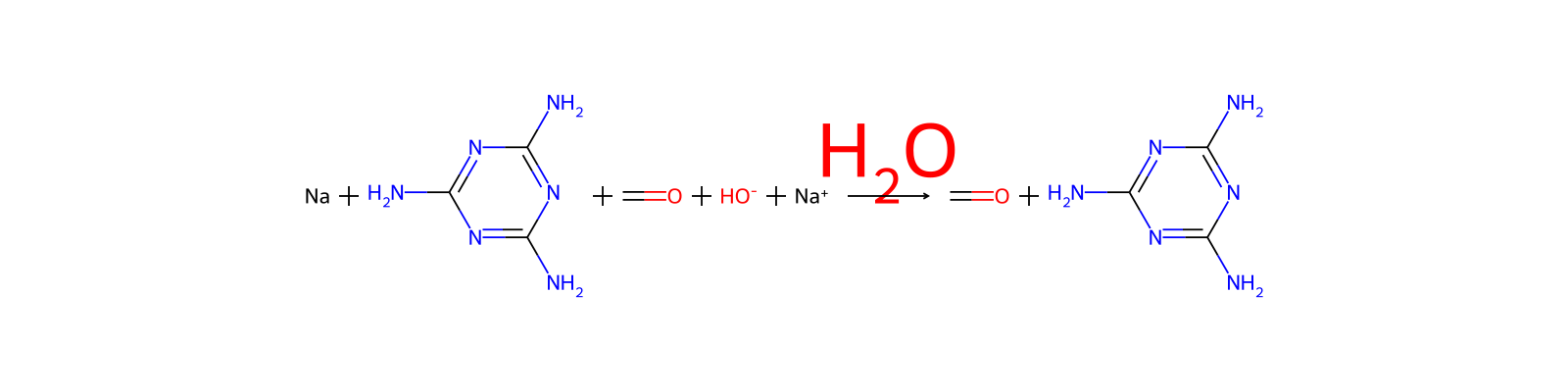


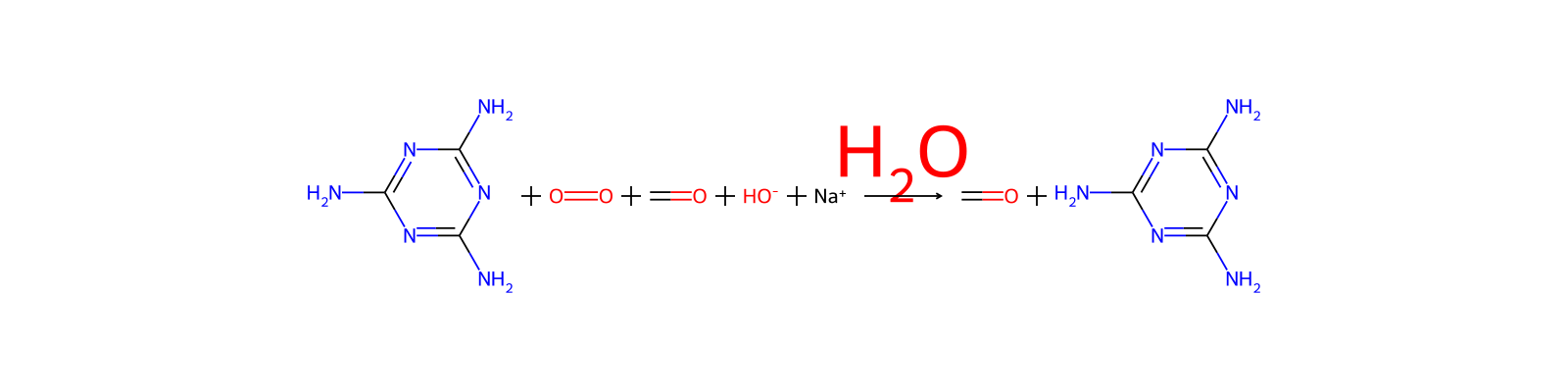
Verknüpfte Notizen
Wird geladen…