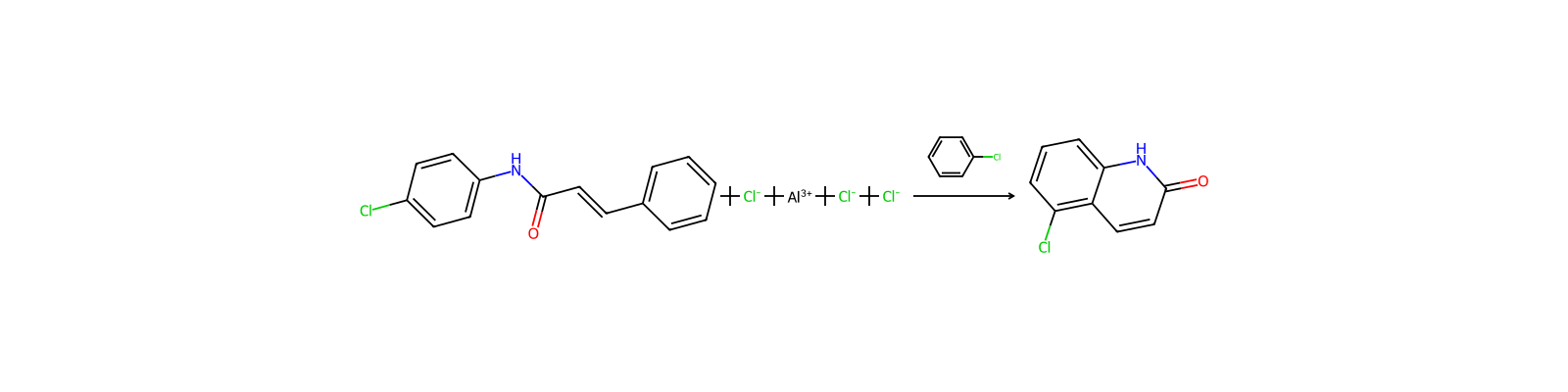

Grundinformationen
- Standard-SMILES
Clc1ccccc1- InChIKey
MVPPADPHJFYWMZ-UHFFFAOYSA-N- Summenformel
- C6H5Cl
- Durchschnittliche Molmasse
- 112,55 g/mol
- Monoisotopische Masse
- 112,00797784
Überblick
Chlorobenzene is a colorless, flammable liquid with an aromatic, almond-like odor. Some of it will dissolve in water, but it readily evaporates into air. It does not occur naturally in the environment. Chlorobenzene production in the United States has declined by more than 60% from its peak in 1960. It was used in the past to make other chemicals, such as phenol and DDT. Now chlorobenzene is used as a solvent for some pesticide formulations, to degrease automobile parts, and as a chemical intermediate to make several other chemicals.
Namen und Bezeichner
- Bevorzugter Name
- Chlorobenzene
- IUPAC
- chlorobenzene
- Lokaler Name
- Chlorbenzol
- Englischer Name
- Chlorobenzene
- Summenformel
- C6H5Cl
- Molmasse
- 112.56
Namen und Synonyme
CHLOROBENZENE108-90-7MonochlorobenzenePhenyl chlorideBenzene chlorideChlorobenzolChlorbenzeneMonochlorbenzeneMonochlorbenzolChlorbenzolBenzene, chloro-Tetrosin SP
Weitere Namen anzeigen
Chlorbenzencp27NSC 8433
ChlorobenzenClorobenzeneChloorbenzeenMonoclorobenzeneMonochloorbenzeenChlorobenzenuchloro-benzenePhCl
Datenbank-Bezeichner
- CAS
108-90-7、50717-45-8、68411-45-0- PubChem CID
- 7964
- DTXSID
DTXSID4020298- ChEMBL
CHEMBL16200- ChEBI
CHEBI:28097- UNII
- K18102WN1G
- EC Number
- 203-628-5、610-564-5
- Nikkaji
- J2.869J
Eigenschaften
Berechnete Struktureigenschaften
- XLogP
- 2,9
- Polarare Oberfläche (TPSA)
- 0 Ų
- H-Brücken-Donoren
- 0
- H-Brücken-Akzeptoren
- 0
- Frei drehbare Bindungen
- 0
- Schwere Atome
- 7
- Formalladung
- 0
- Komplexität
- 46,1
Experimentelle und physikochemische Eigenschaften
Chemical Classes
Hazardous Air Pollutants (HAPs)
Flammable agents - 3rd degree
Volatile Organic Compound (VOC)
SolventsSolvents -> Chlorinated Aromatics
SpringerMaterials Properties13C nuclear magnetic resonance spectrum
PesticidesPesticide -> EPA IRIS
LogP
log Kow = 2.84
2.84
2.18/2.84
Odor
Faint, not unpleasant odor
Almond-like odor
Mild amine odor
Mild aromatic
Characteristic, penetrating odor.
Weak, benzene-like odor.
Density
1.11 at 68 °F (USCG, 1999) - Denser than water; will sink
1.1058 g/cu cm at 20 °C
Percent in caturated air: 1.55 (25 °C); Density of saturated of air: 1.05 (Air = 1)
Saturated liquid density = 69.080 lb/cu ft at 70 °C
Critical density = 0.365 g/cu cm; Heat of fusion = 84.9 J/g; Heat capacity = 1.338 J/g K at 20 °C; Dielectric constant = 5.641 at 20 °C
Relative density (water = 1): 1.11
Viscosity0.806 mPa.s at 20 °C
Color/Form
Colorless liquid
Clear volatile liquid
Solubility
less than 1 mg/mL at 68 °F (NTP, 1992)
In water, 499 mg/L at 25 °C
In water, 0.05 g/100g at 20 °C
Miscible in ethanol, ethyl ether; very soluble in benzene, carbon tetrachloride
Freely soluble in chloroform
For more Solubility (Complete) data for CHLOROBENZENE (6 total), please visit the HSDB record page.
CorrosivityLiquid chlorobenzene will attack some forms of plastics, rubber, and coatings
Flash Point
75 °F (NTP, 1992)
29.2 °C
82 °F (Closed Cup) 28 °C
97 °F (open cup)
27 °C c.c.
75 °F
Physikochemische Eigenschaften
- Schmelzpunkt
- -45 °C · -45 °C (lit.)
- Siedepunkt
- 132 °C · 132 °C (lit.)
- Dichte
- 1.106 g/mL · 1.106 g/mL at 25 °C (lit.)
- Dampfdichte
- 3.86 · 3.86 (vs air)
- Dampfdruck
- 11.8 mm · 11.8 mm Hg ( 25 °C)
- Brechungsindex
- 20 · n20/D 1.524(lit.)
- Flammpunkt
- 75 °F · 75 °F
- storage temp.
- 2 · 2-8°C
- Löslichkeit
- 0.207 g/L · water: soluble0.207 g/L at 20°C
- Aggregatzustand
- Liquid
- Farbe
- 30 · APHA: ≤30
- Geruch (Odor)
- Almond like odour
- PH
- 7 · 7 (20°C)
- Explosionsgrenze
- 1.3 · 1.3-11%(V)
- Wasserlöslichkeit
- 0.4 g/L · 0.4 g/L (20 ºC)
- Spezifische Wärmekapazität
- 1.33 J/ · Cp(liquid): 1.33 J/(g·K), at 25℃
- Merck
- 14 · 14,2121
- BRN
- 605632 · 605632
- Henry's Law Constant
- 1.11 · 1.11, 1.54, 1.81, 2.80, and 3.79 at 2.0, 6.0, 10.0, 18.0, and 25.0 °C, respectively (EPICS-SPME, Dewulf et al., 1999)(x 10-3 atmm3/mol)
- Dielectric constant
- 5.6 · 5.6(25℃)
- Stabilität
- Stable. Incompatible with oxidizing agents. Flammable. Attacks some types of plastics, rubber and coatings.
- Major Application
- food and beverages
- InChI
- 1S/C6H5Cl/c7-6-4-2-1-3-5-6/h1-5H
- InChIKey
- MVPPADPHJFYWMZ-UHFFFAOYSA-N
- SMILES
- Clc1ccccc1
- LogP
- 3 at · 3 at 20℃
- Oberflächenspannung
- 32.42 mN/m · 32.42mN/m at 298.15K
- CAS Datenbank
- 108 · 108-90-7(CAS DataBase Reference)
- NIST chemische Informationen
- Benzene, chloro-(108-90-7)
- EPA chemische Informationen
- Chlorobenzene (108-90-7)
Sicherheit und Regulatorisches
GHS-Klassifizierung
GHS Classification
Warning
H226: Flammable liquid and vapor [Warning Flammable liquids]
P210, P233, P240, P241, P242, P243, P261, P264, P271, P273, P280, P302+P352, P303+P361+P353, P304+P340, P317, P321, P332+P317, P362+P364, P370+P378, P391, P403+P235, and P501 (click each P-code to see the statement)
This chemical does not meet GHS hazard criteria for < 0.1% (1 of 1231) of reports.
Warning
H226 (> 99.9%): Flammable liquid and vapor [Warning Flammable liquids]
Gefahrenhinweise
Regulatory Information
Chemical: Benzene, chloro-
Hazard Traits - Hepatotoxicity and Digestive System Toxicity; Musculoskeletal Toxicity; Nephrotoxicity and Other Toxicity to the Urinary System; Neurotoxicity; Reproductive Toxicity
Benzene, chloro- is listed on the EPA's Chemical Data Reporting (CDR) system. Manufacturers and importers of Benzene, chloro- are required to report information about their production and use of this chemical to the EPA under the Toxic Substances Control Act (TSCA). (40 eCFR Part 711)
Status: Active Update: 10-03-2023 https://echa.europa.eu/registration-dossier/-/registered-dossier/1962
Benzene, chloro-: HSNO Approval: HSR001108 Approved with controls
The New Jersey Worker and Community Right to Know Act requires public and private employers to provide information about hazardous substances at their workplaces. (N.J.S.A. 34:5A-1 et. seq.)
Other Safety InformationIMAP assessments - Benzene, chloro-: Human health tier II assessment
DOT LabelFlammable Liquid
Fire Hazards
Special Hazards of Combustion Products: Burning in open flame can form toxic phosgene and hydrogen chloride gases.
· HIGHLY FLAMMABLE: Will be easily ignited by heat, sparks or flames.
Flammable. Gives off irritating or toxic fumes (or gases) in a fire. Above 27 °C explosive vapour/air mixtures may be formed.
Fire Potential
Dangerous fire hazard when exposed to heat or flame.
Flammable liquid.
Health Hazards
Irritating to skin, eyes and mucous membranes. Repeated exposure of skin may cause dermatitis due to defatting action. Chronic inhalation of vapors or mist may result in damage to lungs, liver, and kidneys. Acute vapor exposures can cause symptoms ranging from coughing to transient anesthesia and central nervous system depression. (USCG, 1999)
· May cause toxic effects if inhaled or absorbed through skin.
Hazards Summary
Chlorobenzene is a colorless, flammable liquid with an aromatic, almond-like odor. Some of it will dissolve in water, but it readily evaporates into air. It does not occur naturally in the environment. Chlorobenzene production in the United States has declined by more than 60% from its peak in 1960. It was used in the past to make other chemicals, such as phenol and DDT. Now chlorobenzene is used as a solvent for some pesticide formulations, to degrease automobile parts, and as a chemical intermediate to make several other chemicals.
Chlorobenzene is used primarily as a solvent, a degreasing agent, and a chemical intermediate. Limited information is available on the acute (short-term) effects of chlorobenzene. Acute inhalation exposure of animals to chlorobenzene produced narcosis, restlessness, tremors, and muscle spasms. Chronic (long- term) exposure of humans to chlorobenzene affects the central nervous system (CNS). Signs of neurotoxicity in humans include numbness, cyanosis, hyperesthesia (increased sensation), and muscle spasms. No information is available on the carcinogenic effects of chlorobenzene in humans. EPA has classified chlorobenzene as a Group D, not classifiable as to human carcinogenicity.
Odor threshold = 0.21 ppm; repeated or prolonged skin contact can cause burns; [NIOSH Guidelines for Chemical Hazards] In animal studies, high doses are toxic to the liver. [ACGIH] If left on clothes, can cause reddening of skin; [CHRIS] A skin and eye irritant; Ingestion can cause aspiration into the lungs; Inhalation of high concentrations can cause CNS depression; May cause kidney and liver injury; [ICSC] A mild skin irritant; Harmful by inhalation; [Alfa Aesar MSDS]
DOT ID and Guide
1134 130
1134 130
FDA RequirementsChlorobenzene is an indirect food additive for use only as a component of adhesives.
Reactive GroupAryl Halides
EC ClassificationSymbol: Xn, N; R: 10-20-51/53; S: (2)-24/25-61
UN ClassificationUN Hazard Class: 3; UN Pack Group: III
Sicherheit und Schutzausrüstung
Fire Fighting
Excerpt from ERG Guide 130 [Flammable Liquids (Water-Immiscible / Noxious)]:
Use water spray, powder, foam, carbon dioxide. In case of fire: keep drums, etc., cool by spraying with water.
First Aid Measures
Fresh air, rest. Refer for medical attention.
Refer for medical attention .
First rinse with plenty of water for several minutes (remove contact lenses if easily possible), then refer for medical attention.
Rinse mouth. Do NOT induce vomiting. Refer for medical attention .
Accidental Release Measures
· CALL 911. Then call emergency response telephone number on shipping paper. If shipping paper not available or no answer, refer to appropriate telephone number listed on the inside back cover.
· ELIMINATE all ignition sources (no smoking, flares, sparks or flames) from immediate area.
First Aid
EYES: First check the victim for contact lenses and remove if present. Flush victim's eyes with water or normal saline solution for 20 to 30 minutes while simultaneously calling a hospital or poison control center. Do not put any ointments, oils, or medication in the victim's eyes without specific instructions from a physician. IMMEDIATELY transport the victim after flushing eyes to a hospital even if no symptoms (such as redness or irritation) develop.
General First Aid:
(General first aid procedures)
Safe StorageFireproof. Separated from strong oxidants.
Firefighting HazardsVapor are heavier than air and may travel to a source of ignition and flash back.
Exposure Control and Personal Protection
· Wear positive pressure self-contained breathing apparatus (SCBA).
Biological Exposure Indices (BEI) [ACGIH] - Total 4-chlorocatechol in urine = 100 mg/g creatinine at end of shift at end of workweek; Total p-chlorophenol in urine = 20 mg/g creatinine at end of shift at end of workweek;
1054.0 [ppm]
5.0 [ppm]
Fire Fighting Procedures
Wear self contained breathing apparatus for fire fighting if necessary.
Approach fire from upwind to avoid hazardous vapors and toxic decomposition products. Use water spray, dry chemical, foam, or carbon dioxide. Use water spray to keep fire exposed containers cool.
If material on fire or involved in fire: Do not extinguish fire unless flow can be stopped or safely confined. Use water in flooding quantities as fog. Solid streams of water may spread fire. Cool all affected containers with flooding quantities of water. Apply water from as far a distance as possible. Use foam, dry chemical or carbon dioxide.
Storage Conditions
Keep container tightly closed in a dry and well-ventilated place. Containers whigh are opened must be carefully resealed and kept upright to prevent leakage.
Storage temp: ambient
Cleanup Methods
ACCIDENTAL RELEASE MEASURES. Personal precautions, protective equipment and emergency procedures: Use personal protective equipment. Avoid breathing vapours, mist or gas. Ensure adequate ventilation. Remove all sources of ignition. Beware of vapours accumulating to form explosive concentrations. Vapours can accumulate in low areas. Environmental precautions: Prevent further leakage or spillage if safe to do so. Do not let product enter drains. Discharge into the environment must be avoided. Methods and materials for containment and cleaning up: Contain spillage, and then collect with an electrically protected vacuum cleaner or by wet-brushing and place in container for disposal according to local regulations.
Water Spill: Use natural deep water pockets, excavated lagoons, or sand bag barriers to trap material at bottom. If dissolved, in region of 10 ppm or greater concentration, apply activated carbon at ten times the spilled amount. Remove trapped material with suction hoses.
Air Spill: Apply water spray or mist to knock down vapors. Combustion products include corrosive or toxic vapors.
Land Spill: Dig a pit, pond, lagoon, holding area to contain liquid or solid material. /SRP: If time permits, pits, ponds, lagoons, soak holes, or holding areas should be sealed with an impermeable flexible membrane liner./ Dike surface flow using soil, sand bags, foamed polyurethane, or foamed concrete. Absorb bulk liquid with fly ash, cement powder, or commercial sorbents. Apply "universal" gelling to immobilize spill. Apply appropriate foam to diminish vapor and fire hazard.
For more Cleanup Methods (Complete) data for CHLOROBENZENE (7 total), please visit the HSDB record page.
Nonfire Spill ResponseExcerpt from ERG Guide 130 [Flammable Liquids (Water-Immiscible / Noxious)]:
Disposal Methods
Generators of waste (equal to or greater than 100 kg/mo) containing this contaminant, EPA hazardous waste numbers U037, F002, and D021 must conform with USEPA regulations in storage, transportation, treatment and disposal of waste.
SRP: Wastewater from contaminant suppression, cleaning of protective clothing/equipment, or contaminated sites should be contained and evaluated for subject chemical or decomposition product concentrations. Concentrations shall be lower than applicable environmental discharge or disposal criteria. Alternatively, pretreatment and/or discharge to a permitted wastewater treatment facility is acceptable only after review by the governing authority and assurance that "pass through" violations will not occur. Due consideration shall be given to remediation worker exposure (inhalation, dermal and ingestion) as well as fate during treatment, transfer and disposal. If it is not practicable to manage the chemical in this fashion, it must be evaluated in accordance with EPA 40 CFR Part 261, specifically Subpart B, in order to determine the appropriate local, state and federal requirements for disposal.
Product: Burn in a chemical incinerator equipped with an afterburner and scrubber but exert extra care in igniting as this material is highly flammable. Offer surplus and non-recyclable solutions to a licensed disposal company. Contact a licensed professional waste disposal service to dispose of this material.; Contaminated packaging: Dispose of as unused product.
Chlorobenzene is a waste chemical stream constituent which may be subjected to ultimate disposal by controlled incineration. Preferably after mixing with another combustible fuel; care must be exercised to assure complete combustion to prevent the formation of phosgene; an acid scrubber is necessary to remove the halo acids produced.
For more Disposal Methods (Complete) data for CHLOROBENZENE (7 total), please visit the HSDB record page.
Toxikologische Informationen
Toxicological InformationCDC-ATSDR Toxicological Profile
Body Burden
42 samples of mothers' milk from women living near manufacturing plants or industrial facilities contained trace to 10 ppb (0.37 ppb avg) chlorobenzene(1). Chlorobenzene was identified in 21% of 1024 blood samples collected from non-occupationally exposed persons in concentrations above the detection limit of 0.007 ppb(2). Chlorobenzene was detected in composite human adipose tissue samples of 763 individual specimens, concentration unknown, collected in fiscal year 1982 for the NHATS (National Human Adipose Tissue Survey) Broad Scan Analysis Program(3). The median concentration in serum of: current transformer repair workers, 0.32 ppb (thirty-five subjects), former transformer repair workers, 0.30 ppb (seventeen subjects), and a control group, 0.26 ppb (fifty-six subjects)(4). In a study conducted by the USEPA in 1984, the personal air of 188 California residents was sampled; chlorobenzene was detected in 0-13% of the population(5). Personal indoor air sampling (24-hour) for residents of two Japanese cities in 1996 and 1997 found chlorobenzene levels of 0.05-0.06 mg/cu m(6).
TreatmentTreatment is mainly symptomatic and supportive. (T36)
Interactions
TNF-alpha stimulated human lung epithelial cells (A549) were exposed to volatile organic compounds (VOC) (1 ng/cu m-100g/cu m) via gas phase. After 20 hr of exposure cytotoxicity and the release of the pro-inflammatory molecules monocyte chemoattractant protein-1 (MCP-1), Interleukin-6 (IL-6) and IL-8 was analyzed. Exposure of A549 cells to chlorobenzene, styrene or m-xylene increased the MCP-1 production within the indoor relevant concentration range (1-25,000 microg/cu m), higher concentrations increased the secretion of IL-8. Mixtures of aromatic compounds caused comparable effects to the single compounds on MCP-1 and IL-8 with a shift to lower concentration ranges. Neither the aliphatic compounds n-nonane, n-decane, n-undecane, n-dodecane, n-tridecane, and methylcyclopentane nor the mixture of these VOC showed any effects on MCP-1 and IL-8 production. Cytotoxic effects were not observed. These results show that aromatic, but no aliphatic compounds stimulate the release of pro-inflammatory mediators from lung epithelial cells. When aromatic compounds were mixed the sensitivity of lung cells to these compounds was increased.
In two complete replicates of a 2 times 2 factorial-designed experiment involving chlorobenzene ... and lindane, ... the hepatotoxicity induced by a challenge dose of chlorobenzene was altered by the pretreatments due to selective changes in various metabolic pathways. Pretreatment with either toxicant alone, or in combination, elevated the metabolism of 1.12 g/kg chlorobenzene to conjugated and polar metabolites. The relative importance of these pathways was increased most by pretreatment with chlorobenzene plus lindane and least with chlorobenzene /alone/. The incidence and severity of chlorobenzene induced hepatocellular necrosis depended on how much the pretreatments increased excretion of these metabolites relative to that of p-chlorophenol, since the conjugates and polar metabolites represent an inactivation of the toxic chlorobenzene-3,4-epoxide, whereas, p-chlorophenol reflects its formation. Thus these changes in the metabolic pathways resulted in either (1) a marginally significant decrease in hepatoxicity (chlorobenzene pretreatment); (2) significance in both the incidence and severity of the lesions (lindane pretreatment) or (3) absence of centrilobular necrosis was present (chlorobenzene and lindane pretreatment). Apparently the effect of pretreatment with xenobiotics on chlorobenzene induced hepatotoxicity was dependent on how much the pretreatments altered the inactivation of chlorobenzene-3,4-epoxide relative to its formation.
... Chlorobenzene appears to be converted to a metab that can produce tissue damage. This damage may be blocked by prior admin of piperonyl butoxide. Metab is apparently produced in liver & transported to kidneys by circulation. ... The hepatotoxic metab may be an epoxide.
The mechanism of bromobenzene hepatotoxicity and its modification by toluene and chlorobenzene were studied in rats. Male Wistar rats were injected ip with 2 mmol/kg bromobenzene, 4 mmol/kg toluene, or 4 mmol/kg chlorobenzene either alone or in combination. Rats were killed 12, 24, or 48 hr after injection and liver injury was assessed biochemically and histopathologically. Serum glutamate pyruvate transaminase and liver glutathione were measured. In vitro experiments were performed on liver microsomes from male Wistar rats pretreated with phenobarbital. Toluene and chlorobenzene each inhibited bromobenzene hepatotoxicity as measured by suppression of glutamate pyruvate transaminase concentrations and by histopathology at 24 hr after treatment; chlorobenzene significantly decreased at 12 hr and recovered at 24 hours when bromobenzene was given alone. This recovery at 24 hr disappeared when chlorobenzene was coadministered. Kinetic analysis of rat liver microsomes of bromobenzene metabolism showed that both toluene and chlorobenzene at 6 mmol/L inhibited p-bromophenol formation but had no effects on o-bromophenol formation.
Target Organs
Hematological (Blood Forming), Hepatic (Liver), Immunological (Immune System), Neurological (Nervous System), Renal (Urinary System or Kidneys)
Hepatic
Eyes, skin, respiratory system, central nervous system, liver
Health EffectsEffects on the central nervous system from breathing chlorobenzene may include unconsciousness and death. Chronic exposure can cause liver and kidney damage. (L200)
Ecotoxicity Values
LC50; Species: Eisenia foetida (Earthworm) contact test (filter paper) 0.01-0.001 mg/sq cm for 48 hr
EC50; Species: Chlamydomonas angulosa (Green algae) age 3-4 days, exponential growth phase 5X10+4 cells/mL; Conditions: static, 19 °C, pH 6.5; Concentration: 503 mmol/cu m for 3 hr; Effect: physiology, photosynthesis /formulated product/
EC50; Species: Chlorella vulgaris (Green algae) age 3-4 days, exponential growth phase 20X10+4 cells/mL; Conditions: static, 19 °C, pH 6.5; Concentration: 880 mmol/cu m for 3 hr; Effect: physiology, photosynthesis /formulated product/
EC50; Species: Pseudokirchneriella subcapitata (Green algae) initial concentration 500000 cells/L; Conditions: static, 20 °C; Concentration: 12500 ug/L for 96 hr; Effect: growth, general
For more Ecotoxicity Values (Complete) data for CHLOROBENZENE (43 total), please visit the HSDB record page.
Environmental Fate
TERRESTRIAL FATE: Based on a classification scheme(1), Koc values ranging from 4.8(2) to 313.1(3) indicate that chlorobenzene is expected to have very high to moderate mobility in soil(SRC). Volatilization of chlorobenzene from moist soil surfaces is expected to be an important fate process(SRC) given a Henry's Law constant of 3.11X10⁻³ atm-cu m/mole(4). Chlorobenzene is expected to volatilize from dry soil surfaces(SRC) based upon a vapor pressure of 12 mm Hg at 25 °C(5). Chlorobenzene biodegrades slowly in soil and aquifer material(6). Biodegradation data are conflicting. A 0% of theoretical BOD using activated sludge in the Japanese MITI test classifies chlorobenzene as not readily biodegradable(7). Other biological screening tests have observed slow biodegradation(8). Biodegradation occurs more rapidly with acclimated microorganisms(6,8).
AQUATIC FATE: Based on a classification scheme(1), Koc values ranging from 4.8(2) to 313.1(3) indicate that chlorobenzene may adsorb to suspended solids and sediment(SRC). Volatilization from water surfaces is expected(4) based upon a Henry's Law constant of 3.11X10⁻³ atm-cu m/mole(5). Using this Henry's Law constant and an estimation method(4), volatilization half-lives for a model river and model lake are 3.4 hours and 4.3 days, respectively(SRC). According to a classification scheme(6), a BCF range of 3.9 to 450(7,8), suggests the potential for bioconcentration in aquatic organisms is low to high(SRC). Hydrolysis is not expected to be an important environmental fate process(SRC) since this compound lacks functional groups that hydrolyze under environmental conditions(4). Chlorobenzene biodegrades slowly(9). However, biodegradatoin data are conflicting. In water, some biodegradation occurs, proceeding more rapidly in fresh water than in estuarine and marine waters(9). A 0% of theoretical BOD using activated sludge in the Japanese MITI test classifies chlorobenzene as not readily biodegradable(7). Other biological screening tests have observed slow biodegradation(10). Biodegradation occurs more rapidly with acclimated microorganisms(9,10).
ATMOSPHERIC FATE: According to a model of gas/particle partitioning of semivolatile organic compounds in the atmosphere(1), chlorobenzene, which has a vapor pressure of 12 mm Hg at 25 °C(2), is expected to exist solely as a vapor in the ambient atmosphere. Vapor-phase chlorobenzene is degraded in the atmosphere by reaction with photochemically-produced hydroxyl radicals(SRC); the half-life for this reaction in air is estimated to be 21 days(SRC), calculated from its rate constant of 7.70X10⁻¹³ cu cm/molecule-sec at 25 °C(3). Chlorobenzene absorbs light at wavelengths >290 nm(4) and, therefore, may be susceptible to direct photolysis by sunlight(SRC). Vapor-phase chlorobenzene in the atmosphere has been shown to partition from the air to snow and ice via sorption(5).
Food Survey Values
Chlorobenzene concentrations ranged from 4.87-40.1 ppb in 2 of 234 foods analyzed, with the highest levels found in clam chowder(1). The concentration of chlorobenzene in volatiles of peanut butter, garlic dressing, and flour was determined to be 1.4-2.1, 0.8, and 0.2 ug/kg, respectively(2). The average concentration of chlorobenzene in 9 United Kingdom vegetable parts (5.6% occurrence) was determined to be 20.2 ug/kg fresh weight and 334 ug/kg dry weight(3). Results of a 5 year analysis study (1996-2000) by the US FDA of 70 foods for the occurrence volatile organic compounds found chlorobenzene in 1 chocolate chip cookie (2 ppb), 1 sour cream sample (2 ppb), 2 fast food french fries samples (4-13 ppb), 1 pepperoni pizza (2 ppb), and 1 cake-doughnut with icing (10 ppb)(4).
Adverse EffectsNeurotoxin - Acute solvent syndrome
Exposure Routes
The substance can be absorbed into the body by inhalation of its vapour, through the skin and by ingestion.
inhalation, ingestion, skin and/or eye contact
Oral (L200) ; inhalation (L200)
Milk ConcentrationsENVIRONMENTAL: Mothers' milk (42 samples from women living near manufacturing plants or industrial facilities) contained trace to 10 ppb (0.37 ppb average) chlorobenzene(1).
Regulatorische Informationen
FDA RequirementsChlorobenzene is an indirect food additive for use only as a component of adhesives.
RCRA Requirements
U037; As stipulated in 40 CFR 261.33, when chlorobenzene, as a commercial chemical product or manufacturing chemical intermediate or an off-specification commercial chemical product or a manufacturing chemical intermediate, becomes a waste, it must be managed according to Federal and/or State hazardous waste regulations. Also defined as a hazardous waste is any residue, contaminated soil, water, or other debris resulting from the cleanup of a spill, into water or on dry land, of this waste. Generators of small quantities of this waste may qualify for partial exclusion from hazardous waste regulations (40 CFR 261.5).
F002; When chlorobenzene is a spent halogenated solvent, it is classified as a hazardous waste from a nonspecific source (F002), as stated in 40 CFR 261.31, and must be managed according to state and/or federal hazardous waste regulations.
D021; A solid waste containing chlorobenzene may or may not become characterized as a hazardous waste when subjected to the Toxicity Characteristic Leaching Procedure listed in 40 CFR 261.24, and if so characterized, must be managed as a hazardous waste.
TSCA Requirements
Section 8(a) of TSCA requires manufacturers of this chemical substance to report preliminary assessment information concerned with production, exposure, and use to EPA as cited in the preamble in 51 FR 41329. Effective date 3/11/94; Reporting date: 5/10/94.
Pursuant to section 8(d) of TSCA, EPA promulgated a model Health and Safety Data Reporting Rule. The section 8(d) model rule requires manufacturers, importers, and processors of listed chemical substances and mixtures to submit to EPA copies and lists of unpublished health and safety studies. Chlorobenzene is included on this list. Effective date 10/4/82; Sunset date: 10/4/92.
FIFRA Requirements
Residues of chlorobenzene are exempted from the requirement of a tolerance when used in accordance with good agricultural practice as inert (or occasionally active) ingredients in pesticide formulations applied to growing crops only. Use: Solvent, cosolvent. Limit: Contains not more than 1% impurities. Not for use after edible parts of plant begin to form. Do not graze livestock in treated areas within 48 hours after application.
Atmospheric Standards
This action promulgates standards of performance for equipment leaks of Volatile Organic Compounds (VOC) in the Synthetic Organic Chemical Manufacturing Industry (SOCMI). The intended effect of these standards is to require all newly constructed, modified, and reconstructed SOCMI process units to use the best demonstrated system of continuous emission reduction for equipment leaks of VOC, considering costs, non air quality health and environmental impact and energy requirements. Chlorobenzene is produced, as an intermediate or a final product, by process units covered under this subpart.
Listed as a hazardous air pollutant (HAP) generally known or suspected to cause serious health problems. The Clean Air Act, as amended in 1990, directs EPA to set standards requiring major sources to sharply reduce routine emissions of toxic pollutants. EPA is required to establish and phase in specific performance based standards for all air emission sources that emit one or more of the listed pollutants. Chlorobenzene is included on this list.
CERCLA Reportable Quantities
Persons in charge of vessels or facilities are required to notify the National Response Center (NRC) immediately, when there is a release of this designated hazardous substance, in an amount equal to or greater than its reportable quantity of 100 lb or 45.4 kg. The toll free number of the NRC is (800) 424-8802. The rule for determining when notification is required is stated in 40 CFR 302.4 (section IV. D.3.b).
Clean Water Act Requirements
Toxic pollutant designated pursuant to section 307(a)(1) of the Federal Water Pollution Control Act and is subject to effluent limitations. /Chlorinated benzenes/
Chlorobenzene is designated as a hazardous substance under section 311(b)(2)(A) of the Federal Water Pollution Control Act and further regulated by the Clean Water Act Amendments of 1977 and 1978. These regulations apply to discharges of this substance. This designation includes any isomers and hydrates, as well as any solutions and mixtures containing this substance.
Two approaches were used to derive criterion levels for monochlorobenzene. Based on available toxicity data, for the protection of public health, the derived level is 488 ug/L. Using available organoleptic data, for controlling undesirable taste and odor quality of ambient water, the estimated level is 20 ug/L. ... Organoleptic data as a basis for establishing a water quality criteria have limitations and have no demonstrated relationship to potential adverse human health effects.
State Drinking Water Standards
(CA) CALIFORNIA 70 ug/L
(NJ) NEW JERSEY 50 ug/L
State Drinking Water Guidelines
(AZ) ARIZONA 60 ug/L
(ME) MAINE 140 ug/L
(MN) MINNESOTA 100 ug/L
Federal Drinking Water StandardsMaximum contaminant levels (MCL) for organic contaminants apply to community and non-transient, non-community water systems: Chemical, MCL 0.1 mg/L.
Sicherheitsdaten
- F
- 3-10
- wgk
- 2
- IDLA
- 1,000 ppm
- tsca
- TSCA listed
- ridadr
- UN 1134
- hs_code
- 29039190
- RTECS-Nr.
- CZ0175000
- risk_code
- 10-20-51/53-40-39/23/24/25-23/24/25-11
- Toxizität
- LD50 orally in Rabbit: 2000 - 4000 mg/kg
- hazard_code
- Xn,N,T,F
- safety_code
- 24/25-61-36/37-45-16-7
- hazard_class
- 3
- packing_group
- III
- Speicherklasse
- 3 - Flammable liquids
- Giftige Stoffe Daten
- 108-90-7(Hazardous Substances Data)
- Hazard Classifications
- Acute Tox. 4 InhalationAquatic Chronic 2Flam. Liq. 3Skin Irrit. 2
- Selbstentzündungstemperatur
- 590 °C
Chemie und Industrie
Pharmakologische Informationen
Mechanism of Action
Chlorobenzene is a volatile organic compound (VOC) that is widely used as a solvent, degreasing agent and chemical intermediate in many industrial settings. Occupational studies have shown that acute and chronic exposure to chlorobenzene can cause irritation of the mucosa of the upper respiratory tract and eyes. Using in vitro assays, /it was/ shown in a previous study that human bronchial epithelial cells release inflammatory mediators such as the cytokine monocyte chemoattractant protein-1 (MCP-1) in response to chlorobenzene. This response is mediated through the NF-kappaB signaling pathway. Here, /researchers/ investigated the effects of monochlorobenzene on human lung cells, with emphasis on potential alterations of the redox equilibrium to clarify whether the chlorobenzene-induced inflammatory response in lung epithelial cells is caused via an oxidative stress-dependent mechanism. /It was/ found that expression of cellular markers for oxidative stress, such as heme oxygenase 1 (HO-1), glutathione S-transferase pi1 (GSTP1), superoxide dismutase 1 (SOD1), prostaglandin-endoperoxide synthase 2 (PTGS2) and dual specificity phosphatase 1 (DUSP1), were elevated in the presence of monochlorobenzene. Likewise, intracellular reactive oxygen species (ROS) were increased in response to exposure. However, in the presence of the antioxidants N-(2-mercaptopropionyl)-glycine (MPG) or bucillamine, chlorobenzene-induced upregulation of marker proteins and release of the inflammatory mediator MCP-1 are suppressed. These results complement /the authors/ previous findings and point to an oxidative stress-mediated inflammatory response following chlorobenzene exposure.
Exposure to chlorobenzene induces the release of monocyte chemoattractant protein 1 (MCP-1) by lung epithelial cells, a chemokine involved in inflammatory reactions. To characterize the underlying mechanisms ... the influence of chlorobenzene on the activation of two intracellular signalling pathways: the nuclear factor-kappa B (NF-kappa B) and the p38 mitogen-activated protein kinase (MAPK) pathways /were investigated/. Human lung epithelial cells (A549) were stimulated with tumor necrosis factor (TNF)-alpha in the presence or absence of specific inhibitors of NF-kappaB or the p38 MAP kinase and exposed to chlorobenzene using an air-liquid cell culture system. Exposure of lung epithelial cells to chlorobenzene resulted in an activation of NF-kappa B and p38 MAP kinase and a release of the chemokine MCP-1. In the presence of IKK-NBD, a specific NF-kappa B inhibitor, or the inhibitors of the p38 MAP kinase SB 203580 and SB 202190, the chlorobenzene-related MCP-1 release was suppressed, suggesting an involvement of both pathways in the chlorobenzene induced expression of MCP-1. /These/ data show that the release of MCP-1 following chlorobenzene exposure is dependent on the NF-kappa B and MAPK pathways.
The binding of epichlorohydrin, 1,2-dichloroethane, 1,2-dibromoethane, chlorobenzene, bromobenzene, and benzene to nucleic acid and proteins of different murine organs was studied in in vivo and in vitro systems. The extent of in vivo enzymatic activation of brominated compounds was higher than that of chlorinated chemicals. Aryl halides were bound mainly to liver DNA whereas interaction of alkyl halides with DNA of liver, kidney, and lung gave rise to similar binding extent. In vitro activation of all chemicals was mediated by microsomal p450-dependent mixed function oxidase system present in rat and mouse liver and, in smaller amount, in mouse lung. Activation of alkyl halides by liver cytosolic GSH-trasferases even occurred. The relative reactivity of chemicals in vivo, expressed as covalent binding index to rat liver DNA, was: 1,2-dibromoethane > bromobenzene > 1,2-dichloroethane > chlorobenzene > epichlorohydrin > benzene. On the whole, it agreed with in vitro activation of chemicals, with genotoxicity data from other short-term assays ... . Covalent binding index values of chlorobenzene and bromobenzene gave the first clear evidence of genotoxicity and of possible carcinogenicity of these two chemicals.
At 22 hr after ip injection into male Wistar rats and BALB/c mice, chlorobenzene was covalently bound to DNA, RNA and proteins of the liver, kidney and lung, as has been found with various weak carcinogens. A microsome-mediated interaction with DNA occurred in vitro. The interaction was enhanced by pretreatment in vivo with phenobarbitone but was suppressed by addition of 2-diethylaminoethyl-2,2-diphenylvalerate hydrochloric acid in vitro. These results indicate the involvement of cytochrome p450. Liver microsomes were efficient bioactivators, whereas cytosol was ineffective. The extent of in vitro interaction of chlorobenzene with synthetic polyribonucleotides was of the same order as that with DNA. Finally, ultraviolet irradiation (lambda= 254 nm or lambda max= 365 nm) activated this environmental contaminant to forms capable of interacting with DNA.
The toxicity of chlorobenzenes to Tetrahymena growth metabolism was studied by microcalorimetry. The growth constant (k), peak time (T) and generation times (T(G)) were calculated. IC(50) of chlorobenzenes was obtained through the kinetic parameters. The results suggested that the order of toxicity was 1,2,4-trichlorobenzene>o-dichlorobenzene>p-dichlorobenzene>m-dichlorobenzene>chlorobenzene. ATR-FTIR spectra revealed that amide groups and PO(2)(-) of the phospholipid phospho-diester, both in the hydrophobic end exposed to the outer layer, were the easiest to be damaged. The relationship between IC(50) and chemicals structure parameters ..., indicated that the more chlorine atoms were substituted, the greater the toxicity was. Chlorobenzenes have toxicity of non-polar narcosis. Their toxicity is proportional to their concentrations at the site of action, and caused by membrane perturbation.
Biological Half-LifeEstimated from animal studies: 2 days; [TDR, p. 313]
Metabolism/Metabolites
Output of mercapturic acid in man ... /from (14)C-labelled chlorobenzene/ was small ... Main metab of chlorobenzene ... accounting for about 70% of excreted radioactivity, was 4-chlorocatechol conjugated mainly with glucuronic acid & to lesser extent with sulfate.
In rats administered chlorobenzene by intraperitoneal injection, 33% of the administered dose was excreted in the urine, with p-chlorophenol as the major metabolite. Other metabolites included 4-chlorocatechol, o-chlorophenol, and m-chlorophenol.
The in vitro metabolites of chlorobenzene are o-chlorophenol, m-chlorophenol, and p-chlorophenol; the proportions differ according to the source of the mono-oxygenase system and its state of purity. The o- and p-chlorophenols result from isomerization of the intermediate 3- and 4-chlorobenzene oxides, respectively. The formation of m-chlorophenol appears to occur via a direct oxidative pathway. In vitro conjugation of the arene oxide with glutathione or hydration is not a significant pathway.
/The study investigated/ urinary metabolites of chlorobenzene in rats, mice, and rabbits. Rats were given oral doses of 0.3 mmol/kg, while all three species received intraperitoneal injections of 0.5, 1.0, or 2.0 mmol/kg. Urinary p-chlorophenylmercapturic acid, and 4-chlorocatechol, after hydrolysis of its conjugate, were reported. Other urinary metabolites /from rabbits/ included quinol, 3-chlorocatechol, and o- and m- chlorophenylmercapturic acids.
For more Metabolism/Metabolites (Complete) data for CHLOROBENZENE (16 total), please visit the HSDB record page.
Chlorobenzene is known to be absorbed via ingestion and inhahation. As it is a lipophilic compound, chlorobenzene distributes preferentially to adipose tissue. It is metabolized by cytochrome P-450 enzymes into its major metabolite 4-chlorocatechol. Unchanged chlorobenzene is exhalted and its metabolites are excreted mainly in the urine. (L200)
Absorption, Distribution and Excretion
... 27% of /0.5 g/kg of body wt admin to rabbits/ was excreted unchanged in expired air; 25% appeared in the urine as glucuronide, 27% as an ethereal sulfate, & 20% as mercapturic acid. The recovery of admnistered radioactivity (99%) was nearly complete in this study.
Chlorobenzene is absorbed from the gastrointestinal tract. In a study with a single human volunteer, /it was/ reported that at least 31% of administered chlorobenzene was absorbed. In the same study, rats administered chlorobenzene absorbed at least 18% of the administered dose. Similar results were reported by /others/, who observed that in rabbits administered (14)C-labeled chlorobenzene, at least 22% of the administered chlorobenzene was absorbed.
... Chlorobenzene is absorbed through the lung and from the gastrointestinal tract. Because chlorobenzene is highly lipophilic and hydrophobic, it is thought to be distributed throughout total body water, with body lipids being a major deposition site.
Rats were exposed to (14)C-chlorobenzene vapor at concentrations of 100, 400, and 700 ppm for 8 hours. The plasma concentration-time profile for chlorobenzene on cessation of exposure, as estimated by respiratory elimination of radioactivity, indicated a two compartment elimination. Increase in exposure by a factor of seven (100-700 ppm) increased the total uptake of radioactivity by a factor of about 13. This increase in body burden was associated with a decrease in total body clearance, as indicated by an approximate four fold increase in the half-life of the central compartment. The proportion of the dose excreted via the lungs (which may be presumed to be largely, if not entirely, unchanged chlorobenzene) increased nonlinearly and the proportion eliminated by hepatic metabolism decreased. Increase in the dose of chlorobenzene was associated with a decrease in the proportion cleared as the mercapturic acid derivative. Of interest, the half-life of chlorobenzene was shorter at the 700 ppm exposure level when the animals were subjected to repeated treatment daily for 5 days, as compared with that of the single 700 ppm exposure animals, raising the possibility of induction of metabolic clearance. In agreement with this possibility, the proportion cleared by metabolism in the multi-exposed animals was increased, and the proportion excreted unchanged via the lung was decreased, as compared with the 700 ppm-single exposure animals.
For more Absorption, Distribution and Excretion (Complete) data for CHLOROBENZENE (8 total), please visit the HSDB record page.
Cellular LocationsMembrane
Verwendung und Herstellung
Uses
The primary uses of chlorobenzene are as a solvent for pesticide formulations, diisocyanate manufacture, and degreasing automobile parts and for the production of nitrochlorobenzene.
Used as a solvent for paints, adhesives, polishes, waxes, and natural rubber; used as a dry cleaning agent and an intermediate in the synthesis of organic chemicals; [NIOSH Guidelines for Chemical Hazards] Used as a heat transfer medium, fiber swelling agent and dye carrier in textile processing, tar and grease remover, solvent for bitumen and asphalt building coatings, and pesticide solvent; [HSDB] Used in leather tanning; [PMID 21938525]
Metal Degreasing [Category: Clean]
For chlorobenzene (USEPA/OPP Pesticide Code: 056504) there are 0 labels match. /SRP: Not registered for current use in the U.S., but approved pesticide uses may change periodically and so federal, state and local authorities must be consulted for currently approved uses./
Intermediate in the manufacture of chloronitrobenzenes, oxide, DDT, and silicones; as a process solvent for methylene diisocyanate, adhesives, polishes, waxes, pharmaceutical products, and natural rubber; as a degrading solvent.
Manufacturing phenol, aniline ...; as a solvent for paints; heat transfer medium.
ImpuritiesTypical analysis of commercial monochlorobenzene: >99.9%, <0.02% benzene, <0.05% dichlorobenzenes.
U.S. Exports
(1972) NEGLIGIBLE
CHEMICAL PROFILE: Chlorobenzene. Monochlorobenzene: US Exports: 2002: 3.5 million pounds; 2003: 1.5 million pounds
U.S. Imports(1972) NEGLIGIBLE
U.S. Production
2023: 10,000,000 - <50,000,000 lb
(1972) 1.83X10+11 GRAMS
(1975) 1.48X10+11 GRAMS
(1984) 1.16X10+11 g
(1988) 2.7X10+8 lbs
For more U.S. Production (Complete) data for CHLOROBENZENE (15 total), please visit the HSDB record page.
Consumption Patterns
Solvent (pesticide formulation, TDI processing, degreasing agent), 42%; Nitrochlorobenzenes, 32%; Diphenyl oxide and phenylphenols, 15%; Miscellaneous, 11% (1985)
CHEMICAL PROFILE: Monochlorobenzene. End-use Pattern for Monochlorobenzene in 1987
CHEMICAL PROFILE: Monochlorobenzene. US Demand: 1986: 222 million pounds; 1987: 220 million pounds; 1991: 195 million pounds /projected/
CHEMICAL PROFILE: Monochlorobenzene. End-use Pattern for Monochlorobenzene in 1990
For more Consumption Patterns (Complete) data for CHLOROBENZENE (14 total), please visit the HSDB record page.
Consumer UsesSolvent
Industry UsesNot Known or Reasonably Ascertainable
Methods of Manufacturing
Most monochlorobenzene is now produced from benzene and chlorine in continuously operated plants. Depending on the ratio of benzene to chlorine chosen, one can achieve either a low rate of benzene conversion and little dichlorobenzene formation, or almost complete conversion of the benzene with a higher degree of dichlorobenzene formation. ... The composition of a chlorination mixture containing the highest possible proportion of monochlorobenzene has been given as 4 - 5% unreacted benzene, 73% monochlorobenzene, and 22 - 23% dichlorobenzene.
Chlorobenzenes are prepared industrially by reaction of liquid benzene with gaseous chlorine in the presence of a catalyst at moderate temperature and atmospheric pressure. Hydrogen chloride is formed as a byproduct. /Chlorobenzenes/
By passing dry chlorine into benzene with a catalyst.
CHEMICAL PROFILE: Chlorobenzene. Monochlorobenzene: US commercial production is by direct chlorination of benzene, primarily to manufacture monochlorobenzene, with ortho- and para- dichlorobenzenes as coproducts.
Formulations/PreparationsGrades: Technical
Household ProductsInformation on 5 consumer products that contain Chlorobenzene in the following categories is provided:
Use ClassificationChemical Classes -> Volatile organic compounds
Anwendungen
VerwendenChlorobenzene is a halogenated benzene that is used as a solvent for paints, as a heat transfer medium, and in the manufacture of phenol, aniline and nitrochlorobenzenes. Now chlorobenzene is mainly used as a solvent for pesticide formulations, diisocyanate manufacture, degreasing automobile parts, and for the production of nitrochlorobenzene and chemical toxicity QSAR research for agricultural pollution.
Darstellung
synthetischeChlorobenzene is produced by chlorination of benzene in the presence of a catalyst, and is produced as an end product in the reductive chlorination of di- and trichlorobenzenes.
Vor- und nachgelagerte Produkte
Vorgelagerte Rohstoffe
Nachgelagerte Produkte
Ergänzende Hinweise
DefinitionChEBI: Chlorobenzene is the simplest member of the class of monochlorobenzenes, that is benzene in which a single hydrogen has been substituted by a chlorine. It has a role as a solvent.
Zugehörige Reaktionen
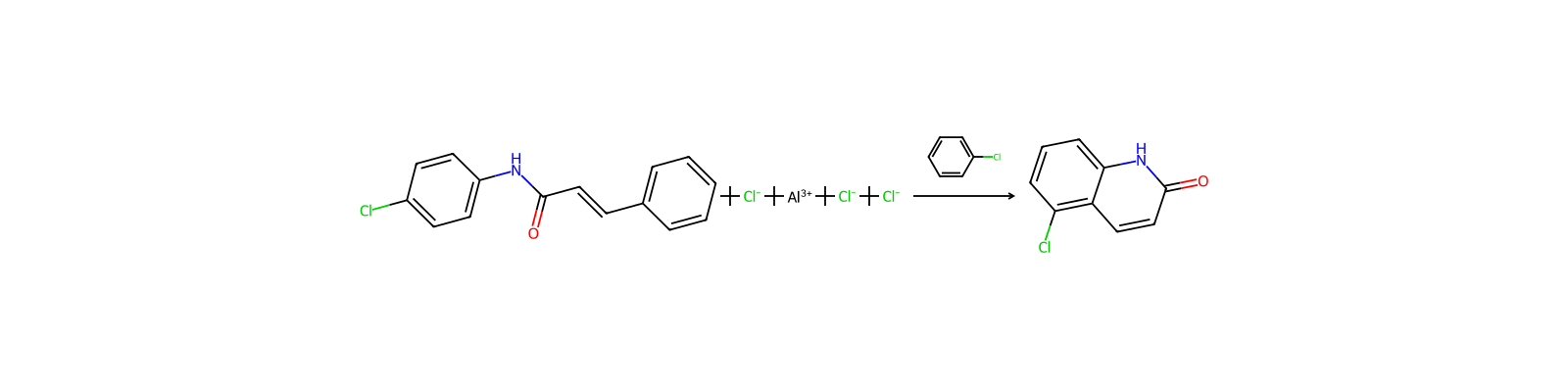
2.505



Verknüpfte Notizen
Wird geladen…