
Grundinformationen
- Standard-SMILES
C1COCCN1- InChIKey
YNAVUWVOSKDBBP-UHFFFAOYSA-N- Summenformel
- C4H9NO
- Durchschnittliche Molmasse
- 87,12 g/mol
- Monoisotopische Masse
- 87,06841391
Namen und Bezeichner
- Bevorzugter Name
- Morpholine
- IUPAC
- morpholine
- Lokaler Name
- Morpholin
- Englischer Name
- Morpholine
- Summenformel
- C4H9NO
- Molmasse
- 87.12
Namen und Synonyme
MORPHOLINE110-91-81-Oxa-4-azacyclohexaneDiethylene oximideTetrahydro-1,4-oxazineDiethylenimide oxideDiethyleneimide oxideDiethylene imidoxideDrewamineTetrahydro-2H-1,4-oxazineTetrahydro-p-oxazinep-Isoxazine, tetrahydro-
Weitere Namen anzeigen
MORPHOLIN1,4-Oxazinanbasf238NA 2054Morphorin
Tetrahydro-1,4-isoxazineBASF 2382H-1,4-Oxazine, tetrahydro-4H-1,4-Oxazine, tetrahydro-DTXSID20256888B2ZCK305ONSC-9376DTXCID305688
Datenbank-Bezeichner
- CAS
110-91-8- PubChem CID
- 8083
- DTXSID
DTXSID2025688- ChEMBL
CHEMBL276518- ChEBI
CHEBI:34856- UNII
- 8B2ZCK305O
- EC Number
- 203-815-1
- Nikkaji
- J2.453H
Eigenschaften
Berechnete Struktureigenschaften
- XLogP
- -0,9
- Polarare Oberfläche (TPSA)
- 21,3 Ų
- H-Brücken-Donoren
- 1
- H-Brücken-Akzeptoren
- 2
- Frei drehbare Bindungen
- 0
- Schwere Atome
- 6
- Formalladung
- 0
- Komplexität
- 34
Experimentelle und physikochemische Eigenschaften
pHStrong base
LogP
log Kow = -0.86
-0.86
-0.86
Odor
Characteristic amine
Penetrating
Weak, ammonia- or fish-like odor
Density
1 at 68 °F (USCG, 1999)
1.007 at 20 °C/4 °C
Bulk density = 8.34 lb/gal at 20 °C
Relative density (water = 1): 1.0
1.007
1.007 @ 20°C
Viscosity2.23 cP at 20 °C
Color/Form
Colorless liquid
Mobile liquid
Colorless liquid [Note: A solid below 23 degrees F].
Solubility
Soluble (NTP, 1992)
Solluble in organic solvents
Immiscible with concn sodium hydroxide soln; miscible with acetone, benzene, ether, castor oil, methanol, ethanol, ethylene glycol, 2-hexanone, linseed oil, turpentine, pine oil; miscible with water with evolution of some heat
In water, 1.00X10+6 mg/L /miscible/
1000 mg/mL
Solubility in water: miscible
CorrosivityCorrosive to metals
Flash Point
100 °F (NTP, 1992)
38 °C
Anhydrous: 35 °C (closed cup), 38 °C (open cup); 88% solution: 42 °C
35 °C c.c.
98 °F (open cup)
(oc) 98 °F
Boiling Point
264 °F at 760 mmHg (NTP, 1992)
128 °C
129 °C
264 °F
128.9 °C @760 [mm Hg]
264 °F
DecompositionWhen heated to decomposition it emits highly toxic fumes of /nitric oxide/.
Melting Point
23.2 °F (NTP, 1992)
-4.8 °C
MP: 145-147 °C; prisms from alcohol; sparingly soluble in water /Morpholine picrate/
Soluble in water, methanol, ethanol, acetone, ethyl acetate, benzene, chloroform; practically insoluble in toluene, xylene, ether, petroleum ether, carbon tetrachloride; MP: 110-111 °C; crystals from ethanol /Morpholine salicylate/
-4.9 °C
-5 °C
Physikochemische Eigenschaften
- Schmelzpunkt
- -7 · -7--5 °C (lit.)
- Siedepunkt
- 126 · 126.0-130.0 °C 129 °C (lit.)
- Dichte
- 0.996 g/mL · 0.996 g/mL at 25 °C (lit.)
- Dampfdichte
- 3 · 3 (vs air)
- Dampfdruck
- 31 mm · 31 mm Hg ( 38 °C)
- Brechungsindex
- 20 · n20/D 1.454(lit.)
- Flammpunkt
- 96 °F · 96 °F
- storage temp.
- 30 °C · Store below +30°C.
- Löslichkeit
- water: miscible
- Aggregatzustand
- Liquid
- pka
- 8.33 · 8.33(at 25℃)
- Farbe
- 15 · APHA: ≤15
- Wichte
- 0.996 · 0.996
- Geruch (Odor)
- Characteristic amine-like odor
- PH
- 11.2 · 11.2 (H2O)(undiluted)
- Explosionsgrenze
- 1.4 · 1.4-15.2%(V)
- Wasserlöslichkeit
- MISCIBLE
- Spezifische Wärmekapazität
- 1.89 J/ · Cp(liquid): 1.89 J/(g·K), at 25℃
- Merck
- 14 · 14,6277
- BRN
- 102549 · 102549
- Henry's Law Constant
- 1.9 · 1.9×102 mol/(m3Pa) at 25℃, Nguyen (2013)
- Dielectric constant
- 7.3 · 7.3(25℃)
- Stabilität
- Stable. Flammable. Incompatible with strong oxidizing agents, strong acids, acid chlorides, acid anhydrides. Hygroscopic.
- Major Application
- cleaning productscosmeticsenvironmentalfood and beveragespersonal care
- Kosmetik-Inhaltsstoffe Funktionen
- BUFFERING
- InChI
- 1S/C4H9NO/c1-3-6-4-2-5-1/h5H,1-4H2
- InChIKey
- YNAVUWVOSKDBBP-UHFFFAOYSA-N
- SMILES
- C1COCCN1
- LogP
- -0.86 · -0.860
- CAS Datenbank
- 110 · 110-91-8(CAS DataBase Reference)
- NIST chemische Informationen
- Morpholine(110-91-8)
- EPA chemische Informationen
- Morpholine (110-91-8)
Sicherheit und Regulatorisches
GHS-Klassifizierung
GHS Classification
Danger
H226: Flammable liquid and vapor [Warning Flammable liquids];H302: Harmful if swallowed [Warning Acute toxicity, oral];H312: Harmful in contact with skin [Warning Acute toxicity, dermal];H314: Causes severe skin burns and eye damage [Danger Skin corrosion/irritation];H332: Harmful if inhaled [Warning Acute toxicity, inhalation]
P210, P233, P240, P241, P242, P243, P260, P261, P264, P270, P271, P280, P301+P317, P301+P330+P331, P302+P352, P302+P361+P354, P303+P361+P353, P304+P340, P305+P354+P338, P316, P317, P321, P330, P362+P364, P363, P370+P378, P403+P235, P405, and P501 (click each P-code to see the statement)
Danger
Gefahrenhinweise
Regulatory Information
Chemical: Morpholine
Morpholine is listed on the EPA's Chemical Data Reporting (CDR) system. Manufacturers and importers of Morpholine are required to report information about their production and use of this chemical to the EPA under the Toxic Substances Control Act (TSCA). (40 eCFR Part 711)
Status: Active Update: 25-04-2023 https://echa.europa.eu/registration-dossier/-/registered-dossier/13364;Status: Active Update: 29-06-2021 https://echa.europa.eu/registration-dossier/-/registered-dossier/32205
Morpholine: HSNO Approval: HSR001204 Approved with controls
The New Jersey Worker and Community Right to Know Act requires public and private employers to provide information about hazardous substances at their workplaces. (N.J.S.A. 34:5A-1 et. seq.)
Other Safety InformationIMAP assessments - Morpholine: Human health tier II assessment;IMAP assessments - Morpholine: Environment tier I assessment
DOT LabelCorrosive Flammable Liquid
Fire Hazards
FLAMMABLE. Flashback along vapor trail may occur. Vapor may explode if ignited in an enclosed area. Irritating vapors are generated when heated. Vapor is heavier than air and may travel some distance to source of ignition and flash back. (USCG, 1999)
· Flammable/combustible material.;· May be ignited by heat, sparks or flames.;· Vapors may form explosive mixtures with air.;· Vapors may travel to source of ignition and flash back.;· Most vapors are heavier than air. They will spread along the ground and collect in low or confined areas (sewers, basements, tanks, etc.).;· Vapor explosion hazard indoors, outdoors or in sewers.;· Those substances designated with a (P) may polymerize explosively when heated or involved in a fire.;· Runoff to sewer may create fire or explosion hazard.;· Containers may explode when heated.;· Many liquids will float on water.
Flammable. Gives off irritating or toxic fumes (or gases) in a fire. Above 35 °C explosive vapour/air mixtures may be formed.
Fire PotentialA very dangrous fire hazard when exposed to flame, heat, or oxidizers.
Health Hazards
VAPOR: Irritating to eyes, nose and throat. If inhaled, will cause nausea, headache, or difficult breathing. LIQUID: Irritating to skin and eyes. (USCG, 1999)
· May cause toxic effects if inhaled or ingested.;· Contact with substance may cause severe burns to skin and eyes.;· Fire will produce irritating, corrosive and/or toxic gases.;· Vapors may cause dizziness or asphyxiation, especially when in closed or confined areas.;· Runoff from fire control or dilution water may cause environmental contamination.
Hazards Summary
Liver damage is prominent in animals exposed to high concentrations. Skin, eye, and respiratory irritation, but no chronic health effects, were reported after occupational exposure. [ACGIH] Corrosive to skin; [Quick CPC] A corrosive substance that can cause pulmonary edema; [ICSC]
DOT ID and Guide
2054 132
2054 132
FDA Requirements
Morpholine is a food additive permitted for direct addition to food for human consumption, as long as 1) the quantity of the substance added to food does not exceed the amount reasonably required to accomplish its intended physical, nutritive, or other technical effect in food, and 2) any substance intended for use in or on food is of appropriate food grade and is prepared and handled as a food ingredient.
Morpholine is an indirect food additive for use only as a component of adhesives.
Reactive GroupAmines, Phosphines, and Pyridines
EC ClassificationSymbol: C; R: 10-20/21/22-34; S: (1/2)-23-36-45
UN ClassificationUN Hazard Class: 8; UN Subsidiary Risks: 3; UN Pack Group: I
Sicherheit und Schutzausrüstung
Fire Fighting
Excerpt from ERG Guide 132 [Flammable Liquids - Corrosive]:;Some of these materials may react violently with water.;SMALL FIRE: Dry chemical, CO2, water spray or alcohol-resistant foam.;LARGE FIRE: Water spray, fog or alcohol-resistant foam. If it can be done safely, move undamaged containers away from the area around the fire. Dike runoff from fire control for later disposal. Do not get water inside containers.;FIRE INVOLVING TANKS, RAIL TANK CARS OR HIGHWAY TANKS: Fight fire from maximum distance or use unmanned master stream devices or monitor nozzles. Cool containers with flooding quantities of water until well after fire is out. Withdraw immediately in case of rising sound from venting safety devices or discoloration of tank. ALWAYS stay away from tanks in direct contact with flames. For massive fire, use unmanned master stream devices or monitor nozzles; if this is impossible, withdraw from area and let fire burn. (ERG, 2024)
Use water spray, powder, alcohol-resistant foam, carbon dioxide. In case of fire: keep drums, etc., cool by spraying with water.
First Aid Measures
Fresh air, rest. Half-upright position. Artificial respiration may be needed. Refer for medical attention.
Remove contaminated clothes. Rinse skin with plenty of water or shower. Refer for medical attention .
First rinse with plenty of water for several minutes (remove contact lenses if easily possible), then refer for medical attention.
Rinse mouth. Give one or two glasses of water to drink. Do NOT induce vomiting. Refer for medical attention .
Accidental Release Measures
· CALL 911. Then call emergency response telephone number on shipping paper. If shipping paper not available or no answer, refer to appropriate telephone number listed on the inside back cover.;· Keep unauthorized personnel away.;· Stay upwind, uphill and/or upstream.;· Ventilate closed spaces before entering, but only if properly trained and equipped.
· ELIMINATE all ignition sources (no smoking, flares, sparks or flames) from immediate area.;· All equipment used when handling the product must be grounded.;· Do not touch or walk through spilled material.;· Stop leak if you can do it without risk.;· Prevent entry into waterways, sewers, basements or confined areas.;· A vapor-suppressing foam may be used to reduce vapors.;· Absorb with earth, sand or other non-combustible material.;· For hydrazine, absorb with DRY sand or inert absorbent (vermiculite or absorbent pads).;· Use clean, non-sparking tools to collect absorbed material.;Large Spill;· Dike far ahead of liquid spill for later disposal.;· Water spray may reduce vapor, but may not prevent ignition in closed spaces.
First Aid
EYES: First check the victim for contact lenses and remove if present. Flush victim's eyes with water or normal saline solution for 20 to 30 minutes while simultaneously calling a hospital or poison control center. Do not put any ointments, oils, or medication in the victim's eyes without specific instructions from a physician. IMMEDIATELY transport the victim after flushing eyes to a hospital even if no symptoms (such as redness or irritation) develop.;SKIN: IMMEDIATELY flood affected skin with water while removing and isolating all contaminated clothing. Gently wash all affected skin areas thoroughly with soap and water. IMMEDIATELY call a hospital or poison control center even if no symptoms (such as redness or irritation) develop. IMMEDIATELY transport the victim to a hospital for treatment after washing the affected areas.;INHALATION: IMMEDIATELY leave the contaminated area; take deep breaths of fresh air. If symptoms (such as wheezing, coughing, shortness of breath, or burning in the mouth, throat, or chest) develop, call a physician and be prepared to transport the victim to a hospital. Provide proper respiratory protection to rescuers entering an unknown atmosphere. Whenever possible, Self-Contained Breathing Apparatus (SCBA) should be used; if not available, use a level of protection greater than or equal to that advised under Protective Clothing.;INGESTION: DO NOT INDUCE VOMITING. Corrosive chemicals will destroy the membranes of the mouth, throat, and esophagus and, in addition, have a high risk of being aspirated into the victim's lungs during vomiting which increases the medical problems. If the victim is conscious and not convulsing, give 1 or 2 glasses of water to dilute the chemical and IMMEDIATELY call a hospital or poison control center. IMMEDIATELY transport the victim to a hospital. If the victim is convulsing or unconscious, do not give anything by mouth, ensure that the victim's airway is open and lay the victim on his/her side with the head lower than the body. DO NOT INDUCE VOMITING. Transport the victim IMMEDIATELY to a hospital. (NTP, 1992)
General First Aid:;· Call 911 or emergency medical service.;· Ensure that medical personnel are aware of the material(s) involved, take precautions to protect themselves and avoid contamination.;· Move victim to fresh air if it can be done safely.;· Administer oxygen if breathing is difficult.;· If victim is not breathing:;-- DO NOT perform mouth-to-mouth resuscitation; the victim may have ingested or inhaled the substance.;-- If equipped and pulse detected, wash face and mouth, then give artificial respiration using a proper respiratory medical device (bag-valve mask, pocket mask equipped with a one-way valve or other device).;-- If no pulse detected or no respiratory medical device available, provide continuous compressions. Conduct a pulse check every two minutes or monitor for any signs of spontaneous respirations.;· Remove and isolate contaminated clothing and shoes.;· For minor skin contact, avoid spreading material on unaffected skin.;· In case of contact with substance, remove immediately by flushing skin or eyes with running water for at least 20 minutes.;· For severe burns, immediate medical attention is required.;· Effects of exposure (inhalation, ingestion, or skin contact) to substance may be delayed.;· Keep victim calm and warm.;· Keep victim under observation.;· For further assistance, contact your local Poison Control Center.;· Note: Basic Life Support (BLS) and Advanced Life Support (ALS) should be done by trained professionals.;Specific First Aid:;· For corrosives, in case of contact, immediately flush skin or eyes with running water for at least 30 minutes. Additional flushing may be required.
(General first aid procedures);Eye: Irrigate immediately - If this chemical contacts the eyes, immediately wash (irrigate) the eyes with large amounts of water, occasionally lifting the lower and upper lids. Get medical attention immediately.;Skin: Water flush immediately - If this chemical contacts the skin, immediately flush the contaminated skin with water. If this chemical penetrates the clothing, immediately remove the clothing and flush the skin with water. Get medical attention promptly.;Breathing: Respiratory support;Swallow: Medical attention immediately - If this chemical has been swallowed, get medical attention immediately.
Safe StorageFireproof. Separated from strong oxidants and acids. Dry.
Firefighting HazardsVapor is heavier than air and may travel some distance to source of ignition and flash back.
Exposure Control and Personal Protection
· Wear positive pressure self-contained breathing apparatus (SCBA).;· Wear chemical protective clothing that is specifically recommended by the manufacturer when there is NO RISK OF FIRE.;· Structural firefighters' protective clothing provides thermal protection but only limited chemical protection.
5.0 [ppm]
Fire Fighting Procedures
Use dry chemical, carbon dioxide, or alcohol foam extinguishers. Vapors are heavier than air and will collect in low areas. Vapors may travel long distances to ignition sources and flashback. Vapors in confined areas may explode when exposed to fire. Containers may explode in fire. Storage containers and parts of containers may rocket great distances, in many directions. If material or contaminated runoff enters waterways, notify downstream users of potentially contaminated waters. Notify local health and fire officials and pollution control agencies. From a secure, explosion-proof location, use water spray to cool exposed containers. If cooling streams are ineffective (venting sound increases in volume and pitch, tank discolors or shows any signs of deforming), withdraw immediately to a secure position ... The only respirators recommended for fire fighting are self-contained breathing apparatuses that have full facepieces and are operated in a pressure-demand or other positive-pressure mode.
If material on fire or involved in fire: Do not extinguish fire unless flow can be stopped. Use water in flooding quantities as fog. Solid streams of water may be ineffective. Cool all affected containers with flooding quantities of water. Apply water from as far a distance as possible. Use "alcohol" foam, carbon dioxide or dry chemical.
Use flooding quantities of water as fog or spray, dry chemical, "alcohol resistant" foam, or carbon dioxide. Use water spray to keep fire-exposed containers cool.
Storage Conditions
Before entering confined space where this chemical may be present, check to make sure that an explosive concentration does not exist. Morpholine must be stored to avoid contact with strong acids, such as nitric acid, and strong oxidizers, such as chlorine dioxide, bromine, nitrates, and permanganates, since violent reactions occur.
Separate from oxidizing materials and acids. Store in a cool, dry, well ventilated location. Outside or detached storage is preferred. Inside storage should be in a standard flammable liquids storage warehouse, room, or cabinet.
Morpholine should be protected from atmospheric moisture and carbon dioxide. As morpholine corrodes copper, aluminum, zinc, and galvanized surfaces, the compound should be stored in iron or steel containers, preferably located outdoors, above ground, and surrounded by dykes to contain spills or leaks.
Keep containers closed and store in a cool, dark place.
Unstable if stored in copper or zinc containers.
Cleanup Methods
Spill handling: evacuate and restrict persons not wearing protective equipment from area of spill or leak until cleanup is complete. Remove all ignition sources. Establish forced ventilation to keep levels below explosive limit. Absorb liquids in vermiculite, dry sand, earth, peat, carbon, or a similar material and deposit in sealed containers. Keep this chemical out of a confined space, such as a sewer, because of the possibility of an explosion, unless the sewer is designed to prevent the build-up of explosive concentrations. It may be necessary to contain and dispose of this chemical as a hazardous waste. If material or contaminated runoff enters waterways, notify downstream users of potentially contaminated waters. Contact your Department of Environmental Protection or your regional office of the federal EPA for specific recommendations.
Environmental considerations - land spill: Dig a pit, pond, lagoon, holding area to contain liquid or solid material. /SRP: If time permits, pits, ponds, lagoons, soak holes, or holding areas should be sealed with an impermeable flexible membrane liner./ Dike surface flow using soil, sand bags, foamed polyurethane, or foamed concrete. Absorb bulk liquid with fly ash, cement powder, or commercial sorbents.
Environmental considerations - water spill: Use natural barriers or oil spill control booms to limit spill travel. Remove trapped material with suction hoses.
Environmental considerations - air spill: Apply water spray or mist to knock down vapors.
For more Cleanup Methods (Complete) data for Morpholine (7 total), please visit the HSDB record page.
Nonfire Spill Response
Excerpt from ERG Guide 132 [Flammable Liquids - Corrosive]:;ELIMINATE all ignition sources (no smoking, flares, sparks or flames) from immediate area. All equipment used when handling the product must be grounded. Do not touch or walk through spilled material. Stop leak if you can do it without risk. Prevent entry into waterways, sewers, basements or confined areas. A vapor-suppressing foam may be used to reduce vapors. Absorb with earth, sand or other non-combustible material. For hydrazine, absorb with DRY sand or inert absorbent (vermiculite or absorbent pads). Use clean, non-sparking tools to collect absorbed material.;LARGE SPILL: Dike far ahead of liquid spill for later disposal. Water spray may reduce vapor, but may not prevent ignition in closed spaces. (ERG, 2024)
Disposal Methods
SRP: The most favorable course of action is to use an alternative chemical product with less inherent propensity for occupational harm/injury/toxicity or environmental contamination. Recycle any unused portion of the material for its approved use or return it to the manufacturer or supplier. Ultimate disposal of the chemical must consider: the material's impact on air quality; potential migration in soil or water; effects on animal and plant life; and conformance with environmental and public health regulations.
Package lots. Distill for reuse or package and label for disposal by burning.
Small quantities. Wear eye protection, laboratory coat, and rubber gloves. Dissolve the morpholine (1 mL) in 50 mL of 3 M sulfuric acid (prepared by slowly adding 8 mL of concentrated sulfuric acid to 21 mL or water). Weigh 10 g of potassium permanganate and stir small portions of the solid into the morpholine solution over a period of about 1 hr. Stir the mixture at room temperature for 48 hr, and then neutralize the solution by adding solid sodium carbonate or a 10% solution of sodium hydroxide. Add solid sodium bisulfite until solution is colorless. Decant the clear liquid into the drain and discard any brown solid with regular refuse.
Incineration is acceptable and the preferred method of disposal; however, nitrogen oxide emission controls may be required to meet environmental regulations. Morpholine is also broken down by activated sludge and this is a possible method of disposal under controlled conditions.
For more Disposal Methods (Complete) data for Morpholine (7 total), please visit the HSDB record page.
Toxikologische Informationen
Interactions
A group of seven female Sprague-Dawley rats /were fed/ 5 g morpholine together with 5 g nitrite/kg diet for 12 weeks. After 39 weeks, all of the animals developed hepato-cellular adenomas, six out of the seven hepatocellular carcinomas, two hemangioendotheliomas of the liver, one a cyst-adenocarcinoma of the liver, and one a renal adenoma. Rats fed morpholine or nitrite alone did not develop tumors.
Pregnant rats /were fed/ on a diet containing various concentrations of morpholine, sodium nitrite, and NMOR (N-nitrosomorpholine) ... Hepatocellular carcinoma and hemangio-sarcomas of the liver and angiosarcoma of the lungs were the most common tumors observed in the rats. The neoplasms induced by nitrite and morpholine were morphologically similar to those induced by NMOR. High concentrations (1000 mg/kg) of morpholine and nitrite together were carcinogenic to rats. When the morpholine concentration was reduced and the nitrite concentration remained high, the incidence of hepatic cell carcinomas decreased with a linear dose-response relationship. When morpholine concentration remained high, with decreasing nitrite concentration, the number of hepatic tumors was sharply reduced. This agrees with the observation in vitro that the nitrosation of morpholine depends on the square of the nitrite concentration.
Groups of 40 male MRC Wistar rats were treated for 2 yr with either 10 g morpholine/kg diet and drinking-water containing 3 g sodium nitrite/L, or with drinking-water containing 0.15 g NMOR/L. In both cases, one group of rats was also given sodium ascorbate (22.7 g/kg diet). The results of treatment with morpholine plus nitrite or with NMOR were similar to those reported /in the feeding experiments/. When ascorbate was present, the liver tumors induced by morpholine plus nitrite had a longer induction period (93 vs 54 weeks) and a slightly lower incidence (49% vs 65%). However, ascorbate did not affect liver tumor induction by preformed NMOR. Of those treated with morpholine, nitrite, and ascorbate, 21/39 animals developed forestomach tumors. In a similar study using Syrian hamsters, a high morpholine, high nitrite diet (1000 mg/kg) induced liver cancer in some animals. In contrast, hamsters fed NMOR in the diet seemed to have greater resistance to tumor induction.
Bis(2,2-dimethyl-4-methanesulfonic acid sodium salt-1,2-dihydroquinoline)-6,6'-methane (MIDQ-DA) inhibited liver necrosis induced in rats by simultaneous admin of morpholine and sodium nitrite.
For more Interactions (Complete) data for Morpholine (17 total), please visit the HSDB record page.
Target OrgansEyes, skin, respiratory system, liver, kidneys
Ecotoxicity Values
LC50; Species: Brachydanio rerio (zebra fish); Conditions: 22 °C, pH 7.5, hardness 250 mg/L CaCO3, no aeration; Concentration: >1000 mg/L for 96 hr
LC50; Species: Leuciscus idus melanotus (golden orfe); Conditions: 20 °C, pH 8, hardness 220-320 mg/L CaCO3, continual aeration; Concentration: 285 mg/L for 48 hr (95% confidence level: 250-340 mg/L)
LC50; Species: Leuciscus idus melanotus (golden orfe); Conditions: 20 °C, pH 8, hardness 220-320 mg/L CaCO3, continual aeration; Concentration: 240 mg/L for 48 hr (95% confidence level: 100-301 mg/L);
LC50; Species: Salmo gairdneri (rainbow trout); Conditions: 15 °C, pH 7.4, hardness 20 mg/L CaCO3, >95% oxygen saturation; Concentration: 380 mg/L for 96 hr (95% confidence level: 375-460 mg/L)
For more Ecotoxicity Values (Complete) data for Morpholine (19 total), please visit the HSDB record page.
Environmental Fate
TERRESTRIAL FATE: Based on a classification scheme(1), an estimated Koc value of 7.4(SRC), determined from a log Kow of -0.86(2) and a regression-derived equation(3), indicates that morpholine is expected to have very high mobility in soil(SRC). The pKa of morpholine is 8.49(4), indicating that this compound will partially exist in the cation form in the environment and cations generally adsorb more strongly to soils containing organic carbon and clay than their neutral counterparts(5). Volatilization of cationic morpholine from moist soil surfaces will not occur since ions do not volatilize(SRC). Volatilization of the neutral form of morpholine from moist soil surfaces may be an important fate process(SRC) given an estimated Henry's Law constant of 1.2X10⁻⁶ atm-cu m/mole(SRC), derived from its vapor pressure, 10.1 mm Hg(6), and assigned value for water solubility of 1.0X10+6 mg/L (miscible)(6). Morpholine is expected to volatilize from dry soil surfaces(SRC) based upon its vapor pressure(6). The theoretical BOD using activated sludge in the Japanese MITI test was 0% after 2 weeks(7). Results from longer biodegradation screening tests indicate morpholine is biodegradable in activated sludge with degradation rates of 87% to greater than 90% within 28 to 31 days, respectively; lag periods ranging from 7 to 21 days were observed for these tests(8,9). In a study investigating morpholine-degrading bacteria, it was noted that these bacteria were slow to become established, and could only be done so in biological treatment plants with a mean solids retention times of more than 8 days(10). Therefore, morpholine is expected to be biodegradable in environments where morpholine-degrading organisms are present and after acclimation to these organism is achieved(SRC).
AQUATIC FATE: Based on a classification scheme(1), an estimated Koc value of 7.4(SRC), determined from a log Kow of -0.86(2) and a regression-derived equation(3), indicates that morpholine is not expected to adsorb to suspended solids and sediment(SRC). A pKa of 8.49(4) indicates morpholine will exist almost entirely in the cation form at pH values of 5 to 9 and therefore volatilization from water surfaces is not expected to be an important fate process(5). According to a classification scheme(6), measured BCF values of less than 0.3 to 0.65 and less than 2.8(7), suggest that bioconcentration in aquatic organisms is low(SRC). Only 3 out of 58 river die-away tests failed to biodegrade morpholine or failed to contain morpholine-degrading bacteria. Lag periods of approximately 6 to 50 days were observed(8). These data indicate that biodegradation in aquatic environments will vary depending on conditions(SRC).
ATMOSPHERIC FATE: According to a model of gas/particle partitioning of semivolatile organic compounds in the atmosphere(1), morpholine, which has a vapor pressure of 10.1 mm Hg at 25 °C(2), is expected to exist solely as a vapor in the ambient atmosphere. Vapor-phase morpholine is degraded in the atmosphere by reaction with photochemically-produced hydroxyl radicals(SRC); the half-life for this reaction in air is estimated to be 2.8 hours(SRC), calculated from its rate constant of 1.4X10⁻¹⁰ cu cm/molecule-sec at 25 °C(SRC) that was derived using a structure estimation method(3). Morpholine does not contain chromophores that absorb at wavelengths >290 nm(4) and therefore is not expected to be susceptible to direct photolysis by sunlight(SRC).
Food Survey Values
An average morpholine concentration in baked ham obtained from a local market (n = 5) in Kobe City, Japan was 0.20 ppm, testing date not specified. It was not detected in fish sausage (n = 5), cod roe (n = 3), spinach (n = 2 ), or miso (n = 2) (detection limit = 0.01 ppm)(1). During a study analyzing naturally-occurring secondary amines in locally purchased food, morpholine was detected in the following food items at concentrations of ppm: 0.5 in baked ham, 0.4 in frankfurters, 0.2 in evaporated milk, 1 in coffee (average of two brands; per dry weight), trace amounts (<0.1) in tea, 0.4 in canned beer, <0.2 in bottled beer, and <0.7 in wine(2).
Adverse Effects
Occupational hepatotoxin - Secondary hepatotoxins: the potential for toxic effect in the occupational setting is based on cases of poisoning by human ingestion or animal experimentation.;Dermatotoxin - Skin burns.;Toxic Pneumonitis - Inflammation of the lungs induced by inhalation of metal fumes or toxic gases and vapors.;ACGIH Carcinogen - Not Classifiable.
Exposure Routes
The substance can be absorbed into the body by inhalation, through the skin and by ingestion.
inhalation, skin absorption, ingestion, skin and/or eye contact
Toxicity Summary
The safety of this ingredient has not been documented and substantiated. The CIR Expert Panel cannot conclude that Morpholine is safe for use in cosmetic products until such time that the appropriate safety data have been obtained and evaluated.
Ingredients for which the data are insufficient and their use in cosmetics is not supported
Ecotoxicity Excerpts
/AQUATIC SPECIES/ The toxicity threshold of morpholine for aerobic bacteria (after 16 hr) was 310 mg/L and for green-blue algae (after 193 hr), 1.7 mg/L. Inhibition of protozoa started at a morpholine concentration of 12 mg/L, and growth of algae was inhibited from 4.1 mg/L.
/AQUATIC SPECIES/ In a 192 hr test, the onset of inhibition by morpholine (in distilled water, pH 7.0) of cell multiplication (here defined as 3% in population growth) in the green alga Scenedesmus quadricauda in a turbidity test was noted at a concentration of 4.1 mg/L.
/AQUATIC SPECIES/ Selenastrum capricornutum grows exponentially without a lag phase in the presence as well as in the absence of morpholine, the growth being inhibited first at a concentration of 100 mg/L. The inhibition was most marked after 6 days, shortly before reaching the stationary phase; the no-observed-effect level (NOEL) was 10 mg/L ... Algal growth /in the same species was evaluated/ by measuring in vivo the fluorometric units at 48, 72, 96 hr, and 7 days. A 96 hr EC50 of 28 mg/L was determined.
/AQUATIC SPECIES/ Exposure of rainbow trout to 5.7 times 10 (-10) M (5 times 10 (-5) mg/L) morpholine during smolting period did not influence the subsequent neural response to this substance when tested immediately and 12 months after smolting. Perfusion of the olfactory organs with 1% morpholine for 10 min irreversibly inhibited the olfactory responsiveness to odorants.
/PLANTS/ 4.4 +/- 0.9 mol morpholine/cu m (383 mg/L) lowers the percentage germination of lettuce seeds (Lactuca sativa) by 50% of the control value. The seeds were kept on agar for 3 days in sealed plastic containers at a temperature of 30 °C.
Plant ConcentrationsMorpholine was detected in the medicinal plant roots obtained from a local market in Ibadan, Nigeria(1).
Signs and Symptoms
Burning sensation. Cough. Laboured breathing. Shortness of breath. Symptoms may be delayed.
MAY BE ABSORBED! Redness. Pain. Skin burns. Blisters.
Redness. Pain. Blurred vision. Severe deep burns.
Abdominal pain. Burning sensation. Cough. Diarrhoea. Nausea. Shock or collapse. Vomiting.
irritation eyes, skin, nose, respiratory system; visual disturbance; cough; In Animals: liver, kidney damage
Medical Surveillance
The following medical procedures should be made available to each employee who is exposed to morpholine at potentially hazardous levels: 1. Initial Medical Screening: Employees should be screened for history of certain medical conditions which might place the employee at increased risk from morpholine exposure. /These include/ chronic respiratory disease ... liver disease ... kidney disease ... eye disease ... /and/ skin disease. 2. Periodic Medical Examination: Any employee developing the above-listed conditions should be referred for further medical examination.
Regulatorische Informationen
Regulatory Information
Chemical: Morpholine
Morpholine is listed on the EPA's Chemical Data Reporting (CDR) system. Manufacturers and importers of Morpholine are required to report information about their production and use of this chemical to the EPA under the Toxic Substances Control Act (TSCA). (40 eCFR Part 711)
Status: Active Update: 25-04-2023 https://echa.europa.eu/registration-dossier/-/registered-dossier/13364;Status: Active Update: 29-06-2021 https://echa.europa.eu/registration-dossier/-/registered-dossier/32205
Morpholine: HSNO Approval: HSR001204 Approved with controls
The New Jersey Worker and Community Right to Know Act requires public and private employers to provide information about hazardous substances at their workplaces. (N.J.S.A. 34:5A-1 et. seq.)
FDA Requirements
Morpholine is a food additive permitted for direct addition to food for human consumption, as long as 1) the quantity of the substance added to food does not exceed the amount reasonably required to accomplish its intended physical, nutritive, or other technical effect in food, and 2) any substance intended for use in or on food is of appropriate food grade and is prepared and handled as a food ingredient.
Morpholine is an indirect food additive for use only as a component of adhesives.
Atmospheric Standards
This action promulgates standards of performance for equipment leaks of Volatile Organic Compounds (VOC) in the Synthetic Organic Chemical Manufacturing Industry (SOCMI). The intended effect of these standards is to require all newly constructed, modified, and reconstructed SOCMI process units to use the best demonstrated system of continuous emission reduction for equipment leaks of VOC, considering costs, non air quality health and environmental impact and energy requirements. Morpholine is produced, as an intermediate or a final product, by process units covered under this subpart.
Sicherheitsdaten
- OEB
- A
- OEL
- TWA: 20 ppm (70 mg/m3), STEL: 30 ppm (105 mg/m3) [skin]
- wgk
- 3
- IDLA
- 1,400 ppm [10% LEL]
- tsca
- TSCA listed
- ridadr
- UN 2054
- hs_code
- 2934 99 90
- RTECS-Nr.
- QD6475000
- risk_code
- 10-20/21/22-34
- Toxizität
- LD50 orally in female rats: 1.05 g/kg (Smyth)
- hazard_code
- C
- safety_code
- 23-36-45
- hazard_class
- 8
- packing_group
- I
- Speicherklasse
- 3 - Flammable liquids
- Giftige Stoffe Daten
- 110-91-8(Hazardous Substances Data)
- Hazard Classifications
- Acute Tox. 3 DermalAcute Tox. 3 InhalationAcute Tox. 4 OralEye Dam. 1Flam. Liq. 3Repr. 2Skin Corr. 1B
- Selbstentzündungstemperatur
- 590 °F
Chemie und Industrie
Pharmakologische Informationen
Mechanism of Action
The irritating and corrosive properties of morpholine are due to its basicity. The mechanism of action of its systemic effects is not known.
Morpholine fungicides have been shown to act by inhibiting several enzymes of sterol biosynthesis.
Biological Half-LifeAfter ip admin of 125 mg/kg (14)C-morpholine (50 uCi)/animal, the blood plasma half-lives in the rat, hamster, and guinea pig were 115, 120, and 300 min, respectively.
Metabolism/Metabolites
There is ample evidence that this substance can be nitrosated to the carcinogenic N-nitrosomorpholine (NMOR) by reactions ... within the human body ... NMOR may be formed following concomitant administration of morpholine and nitrite or nitrous oxide under physiological conditions.
Immunostimulation of rats by intraperitoneal treatment with E. coli lipopolysaccharide (LPS; 1 mg/kg) led to a large increase in urinary nitrate and urinary metabolites of NMOR (N-nitrosomorpholine) when morpholine (80 umol/kg) and L-arginine (400 umol/kg) were injected intraperitoneally. The replacement of LPS with nitrate (330 umol/kg intraperitoneal) did not increase urinary metabolites of NMOR. This result is consistent with endogenous nitrosation of morpholine by nitrogen oxide (NO) from oxidation of the guanido group of arginine by induced NO synthase.
In vitro nitrosation of morpholine has been reported. NMOR (N-nitrosomorpholine) was formed when morpholine was added to human saliva. Additionally, a new type of metabolite, N-cyanomorpholine, was identified in human saliva.
A method /was developed/ to monitor the in vivo formation of NMOR (N-nitrosomorpholine) by measuring N-nitroso (2-hydroxyethyl)glycine, its major urinary metabolite. The formation of NMOR was measured in F-344 rats over wide range of doses of morpholine (38.3 - 0.92 umol) and sodium nitrite (191 - 4.8 umol). According to estimates ..., 0.5 to 12% of the morpholine, depending on the dose, was nitrosated.
For more Metabolism/Metabolites (Complete) data for Morpholine (11 total), please visit the HSDB record page.
Absorption, Distribution and Excretion
The results of a variety of in vivo and in vitro experiments suggested that the kidneys were the primary route of elimination of morpholine in the rabbit. Morpholine was not bound to serum proteins and was excreted 90% unchanged. The concentration of [14C]morpholine in the renal cortex was 6.6 times the concentration in the blood, and in the renal medulla was 15.3 times the concentration in the blood after 30 min after the intravenous injection of single boluses of labeled compound. The chemical appeared to be distributed mainly to the extracellular space, and its rate of elimination was enhanced by acidification of the urine.
Morpholine is well absorbed after oral and dermal administration and inhalation. Distribution studies showed that in rabbits, following inhalation or injection, the highest concentrations of morpholine were found in the kidney, whereas, in rats, high concentrations were found in muscle. In mice, rats, hamsters, guinea-pigs, and rabbits, almost all ingested or intravenously or intraperitoneally injected morpholine was excreted unchanged in the urine. In guinea-pigs, the metabolite N-methylmorpholine-N-oxide was identified. Only 0.5% was eliminated as CO2.
Female New Zealand rabbits (number not given) were exposed to morpholine (905 mg/ci m) for 5 hr by nose-only inhalation. At the end of the exposure, the animals were sacrificed and the tissue and body fluids analyzed. Concentrations of morpholine were highest in urine (324 mg/L) and kidney (118 mg/kg), the other tissues having concentrations below 40 mg/kg.
Elimination of (14)C from labeled morpholine (intraperitoneal injection) through expired air is minimal. In rats, experiments have shown that only about 0.5% of the dose of radioactively labelled morpholine is exhaled as (14)CO2. In rabbits 0.0008% of the administered dose was (14)CO2.
For more Absorption, Distribution and Excretion (Complete) data for Morpholine (14 total), please visit the HSDB record page.
Cellular LocationsCytoplasm;Extracellular
Verwendung und Herstellung
Uses
CIR ingredient: Morpholine
Used as a solvent for resins, waxes, casein and dyes; morpholine compounds are used as emulsifiers, corrosion inhibitors, antioxidants, plasticizers, pesticides, antiseptics, etc. [Merck Index]
Plastic Composites Manufacturing [Category: Industry]
For morpholine (USEPA/OPP Pesticide Code: 054701) there are 0 labels match. /SRP: Not registered for current use in the U.S., but approved pesticide uses may change periodically and so federal, state and local authorities must be consulted for currently approved uses./
Morpholine is used as a separating agent for volatile amines; an intermediate for textile lubricants; in the synthesis of rubber accelerators and pharmaceuticals. It is also used as a solvent, as a boiler water additive, and in the formulation of waxes, polishers, and cleaners.
Solvent for resins, waxes, casein, dyes
Impurities
When produced from diethylene glycol, commercial morpholine is more than 99% pure, being contaminated particularly by N-ethylmorpholine and ethylenediamine.
Impurities in cosmetic grade morpholine have been reported to include arsenic (up to 3 mg/kg) and lead (up to 20 mg/kg).
U.S. Imports(1977) AT LEAST 4.54X10+7 G
U.S. Production
2023: 1,000,000 - <2,500,000 lb;2022: 2,500,000 - <4,000,000 lb;2021: 4,000,000 - <5,500,000 lb;2020: 2,500,000 - <4,000,000 lb
(1974-81) Stable at about 11,000 tons/yr (US)
(1978) PROBABLY GREATER THAN 4.54X10+6 G
(1982) PROBABLY GREATER THAN 6.81X10+6 G
(1992) 19,752,000 Kg
For more U.S. Production (Complete) data for Morpholine (7 total), please visit the HSDB record page.
Consumer UsesNot Known or Reasonably Ascertainable
Industry UsesIntermediate;Anti-scaling agent;Not Known or Reasonably Ascertainable;Corrosion inhibitor;Anti-condensation agent;Abrasives
Methods of Manufacturing
Morpholine is prepared by condensation of ethylene oxide with ammonia...
Dehydration of diethanolamine by strong acid at elevated temperature (Former method)
Prepd by dehydrating diethanolamine
Morpholine can be obtained from diethanolamine by cyclization with sulfuric acid or via diethanolamine hydrochloride or from di(2-chloroethyl) ether and ammonia. Industrially more important is the amination of diglycol under hydrogen pressure and over a cobalt or nickel catalyst.
Formulations/PreparationsThe compound is marketed under the name of "Morpholine". It is distributed as an anhydrous liquid and as 40% and 88% solutions with water.
Household ProductsInformation on 66 consumer products that contain Morpholine in the following categories is provided:;• Auto Products;• Commercial / Institutional;• Home Maintenance;• Inside the Home;• Pesticides
General Manufacturing Information
Soap, Cleaning Compound, and Toilet Preparation Manufacturing;Utilities;Paper Manufacturing;All Other Basic Organic Chemical Manufacturing;Services;All Other Chemical Product and Preparation Manufacturing;Not Known or Reasonably Ascertainable
Morpholine: ACTIVE
Morpholine is listed by the Cosmetic Ingredient Review as an ingredient used in cosmetics, although there are insufficient data to substantiate safety. Morpholine is listed in Annex II of the EEC Cosmetics Directive. Annex II lists compounds that must not be used in cosmetic formulations. In Germany, the use of morpholine in cosmetic preparations has been forbidden since 1985 and in the EU since 1986.
Because water and morpholine have similar volatilities and the latter is an anticorrosion agent, it is useful in steam cycles, aqueous hydraulic liquids, and similar systems.
An aqueous solution of morpholine (2 M) can be used for removing carbon dioxide, hydrogen sulfide, or hydrogen cyanide from gases.
/Morpholines are/ a group of systemic fungicides active against powdery mildew of cereals, including dodemorph and tridemorph. /Morpholines/
Anwendungen
VerwendenMorpholine is made by dehydrating ethanolamines. Its main use is as a rubber accelerator in manufacturing tires. This process requires high temperature (300°F) and pressure, which increase the hazards. Morpholine is also used as a boiler water additive, brightener for detergents, and corrosion inhibitor, in the preservation of book paper, in waxes and polishes, and in organic synthesis.
Vor- und nachgelagerte Produkte
Vorgelagerte Rohstoffe
Nachgelagerte Produkte
Anbieter50 Anbieter
国药集团化学试剂有限公司86-21-63210123 · [email protected]
梯希爱(上海)化成工业发展有限公司021-67121386 · [email protected]
上海阿拉丁生化科技股份有限公司400-6206333 13167063860 · [email protected]
张家港博迈化学有限公司15601563028
山东乐立新材料有限公司18906359122 · [email protected]
上海迈瑞尔生化科技有限公司4006356688 18621169109 · [email protected]
天津中信凯泰化工有限公司022-66880623 · [email protected]
阿法埃莎(中国)化学有限公司400-6106006 · [email protected]
太原市瑞和丰科贸有限公司+86 351 7031519 · [email protected]
安耐吉化学&3A(安徽泽升科技股份有限公司)400-0056266 · [email protected]
上海瀚鸿科技股份有限公司021-54306202 13764082696 · [email protected]
上海柯维化学技术有限公司021-64609169 18901607656 · [email protected]
上海景颜化工科技有限公司13817811078 · [email protected]
嘉兴市艾森化工有限公司0573-85285100 18627885956 · [email protected]
上海泰坦科技股份有限公司400-6009262 15618770481 · [email protected]
合肥天健化工有限公司551-65418679 15856988503;15837135945 · [email protected]
上海常丰生物医药科技有限公司+86-021-61727342 13611721451 · [email protected]
南京蓝白化工有限公司025-85499326 15366059326;13813836665 · [email protected]
山东艺鸿化工有限公司15253143303 15269100373
天津希恩思生化科技有限公司400 638 7771 · [email protected]
河南萬象化工有限公司(优势生产供应!)0371-56669001 13949088811 · [email protected]
南京维奥化工有限公司Please Send Email 18652950785 · [email protected]
斯百全化学(上海)有限公司021-021-021-67601398-809-809-809 15221380277 · [email protected]
艾科试剂4008-755-333 18080918076 · [email protected]
上海思域化工科技有限公司86-21-34053660 · [email protected]
赛默飞世尔科技(中国)有限公司800-810-5118 · [email protected]
北京伊诺凯科技有限公司400-810-7969 010-59572699 · [email protected]
张家港保税区凯利特化工有限公司18606289633 15862625988 · [email protected]
上海遐瑞医药科技有限公司+86 21 61551611
TCI AMERICA800-4238616 · [email protected]
TOKYO CHEMICAL INDUSTRY CO., LTD.03-36680489 · [email protected]
TCI Europe320-37350700 · [email protected]
上海湄水化工科技有限公司021-60549325 18616193163
上海将来实业股份有限公司400-0066400 13621662912 · [email protected]
上海将来实业股份有限公司021-61552785 · [email protected]
HBCChem, Inc.+1-510-219-6317 · [email protected]
日照力德士化工有限公司010-51268198 · [email protected]
上海爱蝶实业有限公司021-58957966 18930537195 · [email protected]
成都零六生物科技有限公司400-1166-196 13458535857 · [email protected]
广拓化学(上海)有限公司021-60899189-8001 18918189673 · [email protected]
上海御略医药科技有限公司021-60345187 13671753212 · [email protected]
上海麦克林生化科技股份有限公司15221275939 15221275939 · [email protected]
上海嵩爰化工科技有限公司010-1234567 18521000990 · [email protected]
上海有朋化工有限公司021-69005955 13701776567 · [email protected]
上海凯赛化工有限公司021-33516722 13701817765 · [email protected]
上海彤源化工有限公司021-021-69182866 13701855675 · [email protected]
成都润泽本土化工有限公司13096311329 028-88469284 616445927 · [email protected]
凯试(上海)科技有限公司021-50135380 · [email protected]
上海蓝润化学有限公司021-69515658 ; 69515628 13701998368 · [email protected]
上海容立化学科技有限公司021-69992220 13701886816 · [email protected]
Zugehörige Reaktionen
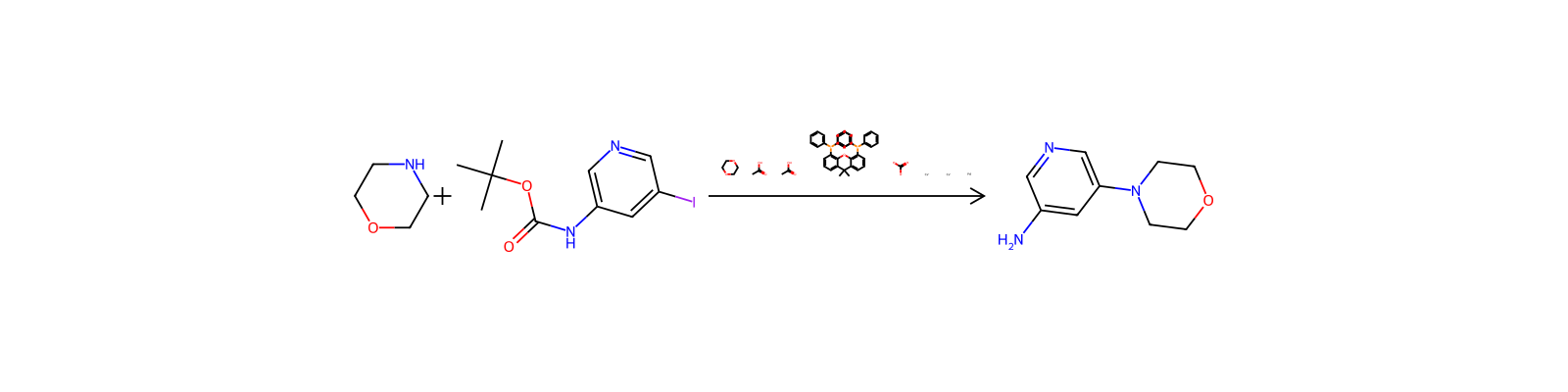
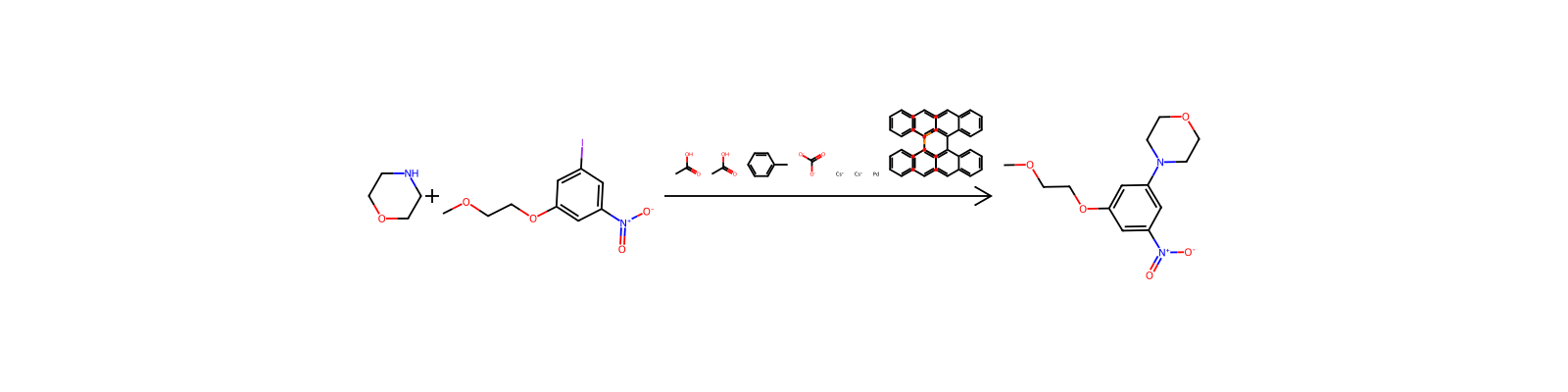
44.861
Verknüpfte Notizen
Wird geladen…