StartseiteMCPWorkbenchSkills
StartseiteWorkbenchBenachrichtigungenMein Bereich
llms.txt · MCP-AnleitungDatenschutz · Nutzungsbedingungen · Supportv1.8.0
  1. Startseite
  2. /Verbindung

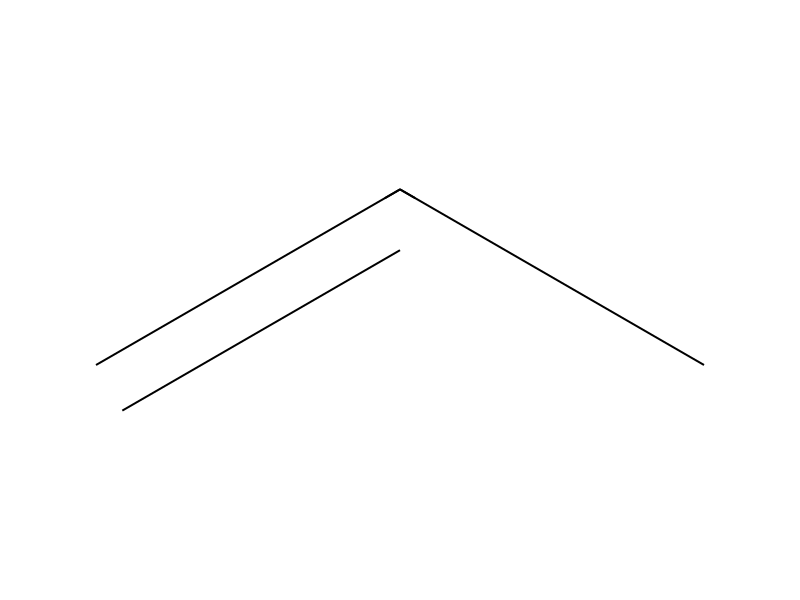
Propylene

HCID 8252
Neue NotizNeue ReaktionAnfrage stellen
Druckvorschau
GrundinformationenÜberblickNamen und BezeichnerEigenschaftenSicherheit und RegulatorischesChemie und IndustrieZugehörige ReaktionenNotizen zur Verbindung
TeilstruktursucheÄhnliche Strukturen suchen

Grundinformationen

CAS
115-07-1
Standard-SMILES
C=CC
InChIKey
QQONPFPTGQHPMA-UHFFFAOYSA-N
Summenformel
C3H6
Durchschnittliche Molmasse
42,08 g/mol
Monoisotopische Masse
42,04695019

Überblick

Propylene is a colorless gas with a faint petroleum like odor. It is shipped as a liquefied gas under its own vapor pressure. For transportation it may be stenched. Contact with the liquid can cause frostbite. It is easily ignited. The vapors are heavier than air. Any leak can either be liquid or vapor. It can asphyxiate by the displacement of air. Under prolonged exposure to fire or intense heat the containers may rupture violently and rocket. It is used to make other chemicals. Can cause explosion.

Namen und Bezeichner

Bevorzugter Name
Propylene
IUPAC
prop-1-ene
Englischer Name
Propylene
Summenformel
C3H6
Molmasse
42.08

Namen und Synonyme

PROPYLENEPropeneprop-1-ene1-PropeneMethylethylene115-07-1Methylethene1-PropyleneNCI-C50077AUG1H506LYR 1270DTXSID5021205
Weitere Namen anzeigen
Propenr1270PropylenPROPENE A10906HC 1270
CHEBI:16052isopropylideneRefChem:9088DTXCID501205204-062-1MFCD00009279Propene-1-13C (gas)CH3CH=CH2

Datenbank-Bezeichner

CAS
115-07-1、13987-01-4、25085-53-4、6842-15-5、90530-12-4、97102-85-7
PubChem CID
8252
DTXSID
DTXSID5021205
ChEMBL
CHEMBL117213
ChEBI
CHEBI:16052
UNII
AUG1H506LY
EC Number
204-062-1、292-050-7、306-335-1
Nikkaji
J2.463E

Eigenschaften

Berechnete Struktureigenschaften

XLogP
1,4
Polarare Oberfläche (TPSA)
0 Ų
H-Brücken-Donoren
0
H-Brücken-Akzeptoren
0
Frei drehbare Bindungen
0
Schwere Atome
3
Formalladung
0
Komplexität
7,5

Experimentelle und physikochemische Eigenschaften

Chemical Classes · 2 Einträge

Toxic Gases & Vapors -> Simple Asphyxiants

Flammable agents - 4th degree

SpringerMaterials PropertiesSchoenflies notation
LogP · 2 Einträge

log Kow = 1.77

1.77

Odor · 2 Einträge

Practically odorless; aromatic

Faint, petroleum-like

Density · 6 Einträge

0.609 at -52.6 °F (USCG, 1999) - Less dense than water; will float

0.5139 at 20 °C/4 °C (liquid)

Density: 1.49 (Air = 1.0) (triple point)

Density: 0.505 g/cu cm at 25 °C (pressure >1 atm )

Relative density (water = 1): 0.5

0.609 at -52.6 °F

Viscosity83.4 micropoises at 16.7 °C
Color/FormColorless gas
Solubility · 6 Einträge

44.6 mL/100 mL (NTP, 1992)

In water, 200 mg/L at 25 °C

Sicherheit und Regulatorisches

Sicherheitsangaben dienen nur zur Orientierung und ersetzen weder das Sicherheitsdatenblatt (SDB) des Lieferanten noch geltende Vorschriften oder eine fachliche Bewertung.

GHS-Klassifizierung

GHS Classification · 6 Einträge

Danger

H220: Extremely flammable gas [Danger Flammable gases]

P203, P210, P222, P280, P377, P381, and P403 (click each P-code to see the statement)

This chemical does not meet GHS hazard criteria for < 0.1% (2 of 2232) of reports.

Danger

H220 (> 99.9%): Extremely flammable gas [Danger Flammable gases]

Gefahrenhinweise

Regulatory Information · 6 Einträge

Chemical: 1-Propene

Hazard Traits - Respiratory Toxicity

1-Propene is listed on the EPA's Chemical Data Reporting (CDR) system. Manufacturers and importers of 1-Propene are required to report information about their production and use of this chemical to the EPA under the Toxic Substances Control Act (TSCA). (40 eCFR Part 711)

REACH registered substance: Propene (EC: 204-062-1)

Propylene: HSNO Approval: HSR001011 Approved with controls

The New Jersey Worker and Community Right to Know Act requires public and private employers to provide information about hazardous substances at their workplaces. (N.J.S.A. 34:5A-1 et. seq.)

Other Safety InformationIMAP assessments - 1-Propene: Human health tier I assessment
DOT LabelFlammable Gas
Fire Hazards · 4 Einträge

Behavior in Fire: Containers may explode. Vapor is heavier than air and may travel considerable distance to a source of ignition and flash back. (USCG, 1999)

· EXTREMELY FLAMMABLE.

· EXTREMELY FLAMMABLE.

Extremely flammable. Gas/air mixtures are explosive.

Fire Potential · 2 Einträge

Flammable gas and very dangerous fire hazard when exposed to heat, flame, or oxidizers.

Chemie und Industrie

Pharmakologische Informationen

Mechanism of Action · 1 Eintrag

In an in vitro study of the mechanism of action of ethylene as a plant growth inhibitor, the effects of ethylene and some of its analogs, including propylene, on the oxidation of indole-3-acetic acid were examined. Ethylene and its analogs inhibited the oxidation of indole-3-acetic acid by peroxidase under conditions where the iron complex (compound III, an oxy-ferrous complex of peroxidase) shuttle was activated. Inhibition occurred only in the presence of the superoxide anion radical 02(-). Spectral and kinetic data indicated that ethylene and its analogs enhanced the rate of reaction of 02(-) with peroxidase; ie, the iron complex (compound III) shuttle, resulting in the formation of compound III. Propylene was a less effective inhibitor than ethylene.

Metabolism/Metabolites · 4 Einträge

...Exposure to 6 ppm propylene for 6 hours produced 160 ng propylene oxide per gram of blood in rats... 600 ppm propylene for 8 hours produced 740 ng propylene oxide per gram of blood. Both exposure concentrations reduced nasal and liver cytochrome P450 levels (to differing degrees).

Propylene oxide is produced during the first step of propylene metabolism. Epoxidation by a reconstituted cytochrome P450LM2 system including cytochrome P450 reductase proceeded with a concomitant, stereospecific (trans to the alkyl group) hydrogen/deuterium exchange from the aqueous phase when trans-1-deuterio-propylene in H2O or propylene in D2O (pH 7.4, 4 °C) was used. Both enantiomers of propylene oxide were found after incubation (37 °C, pH 7.4) of propylene with an NADPH-regenerating system and microsomes prepared from livers of male Wistar rats (control and phenobarbital-pretreated animals) and male NMRI/HAN mice (control, phenobarbital- and benzo[a]pyrene-pretreated animals). Epoxide hydrolase activity was inhibited in those incubates which contained trichloropropylene oxide. In incubations with liver microsomes of rats, about 30% of R- and about 70% of S-enantiomer were formed, whereas with mouse microsomes the amounts of the two enantiomers were nearly equal: R, 42-55%; S, 45-58%, depending on the pretreatment.

Alkylation of DNA at the N7 position of guanine was investigated in male CBA mice exposed to atmospheric propylene or uniformly labelled (14)C-propylene. The adduct levels were related to the concentration of propylene oxide (0.88 mmol/kg bw), calculated from the rate of propylene metabolism. Immediately after exposure to 107 MBq uniformly labelled (14)C-propylene (18.1 MBq/mmol propylene) for 7 hr in a closed exposure chamber, in which the atmospheric concentration-time course was measured after injection of a single dose into the chamber atmosphere, the mice were killed and 2-hydroxypropyl-DNA adducts were measured. The values were: liver, 3000 pmol/g DNA; kidney, 3000 pmol/g DNA; and spleen, 2000 pmol/g DNA.

Zugehörige Reaktionen

515
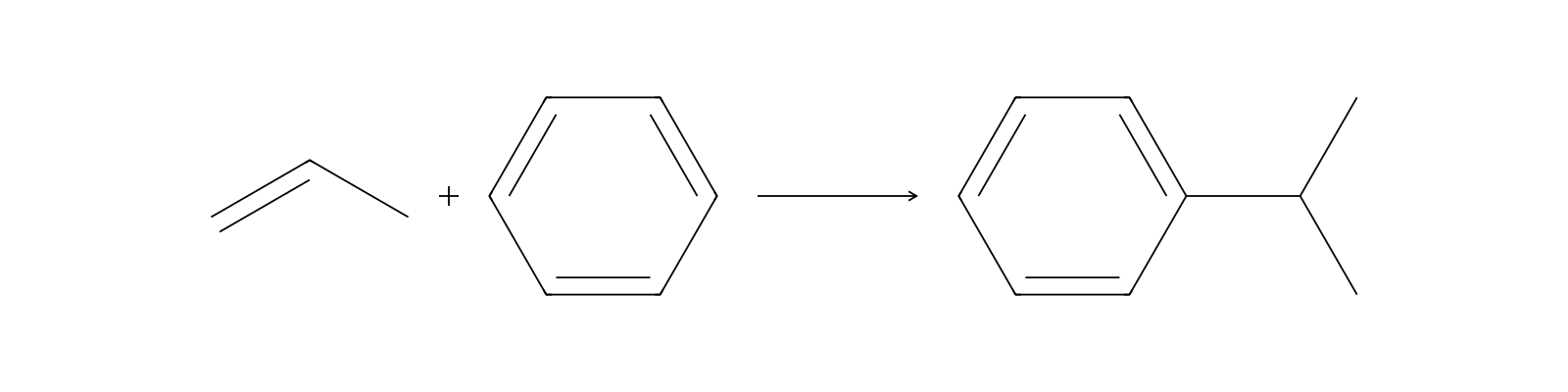
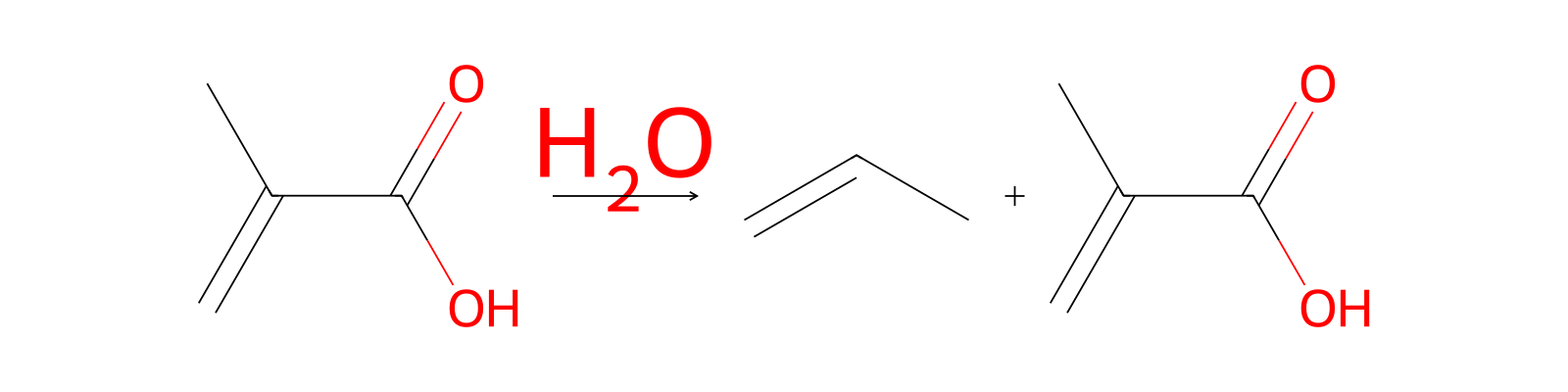
Reaktionsaufzeichnung erstellen
Reaktionsgleichung von HRID 25934
HRID 25934als Produktuspto-grants-1979_04
Reaktionsgleichung von HRID 39625
HRID 39625als Eduktuspto-grants-2013_09
Reaktionsgleichung von HRID 39626
HRID 39626als Eduktuspto-grants-2013_09
Reaktionsgleichung von HRID 52393
HRID 52393als Eduktuspto-grants-1997_04
Reaktionsgleichung von HRID 62564
HRID 62564als Eduktuspto-grants-2016_09
Reaktionsgleichung von HRID 91862
HRID 91862als Produktals EduktTraining data from https://doi.org/10.1039/C8SC04228D (2/10)
Reaktionsgleichung von HRID 94439
HRID 94439als EduktTraining data from https://doi.org/10.1039/C8SC04228D (2/10)
Reaktionsgleichung von HRID 132761
HRID 132761als Produktals Eduktuspto-grants-2008_06
Seite 1 von 65

Notizen zur Verbindung

Wird geladen…

Auf dieser SeiteGrundinformationenÜberblickNamen und BezeichnerEigenschaftenSicherheit und RegulatorischesChemie und IndustrieZugehörige ReaktionenNotizen zur Verbindung
Weitere Aktionen
Neue NotizNeue ReaktionAnfrage stellen

In water, 44.6 mL gas/100 mL at 20 °C

Very soluble in water

Very soluble in ethanol, acetic acid

For more Solubility (Complete) data for Propylene (7 total), please visit the HSDB record page.

Flash Point · 5 Einträge

-162 °F (NTP, 1992)

-108 °C

-162 °F (-108 °C)

Flammable gas

-162 °F

Endocrine DisruptorsPotential endocrine disrupting compound
Boiling Point · 5 Einträge

-53.9 °F at 760 mmHg (NTP, 1992)

-47.68 °C

-48 °C

-53.9 °F

-47.7 °C @760 [mm Hg]

Melting Point · 5 Einträge

-301.4 °F (NTP, 1992)

-185.30 °C

-185 °C

-301.4 °F

-185 °C

Physikochemische Eigenschaften

Schmelzpunkt
185 °C · −185 °C(lit.)
Siedepunkt
47.7 °C · −47.7 °C(lit.)
Dichte
1.49 · 1.49
Dampfdichte
1.48 · 1.48 (vs air)
Dampfdruck
15.4 atm · 15.4 atm ( 37.7 °C)
Brechungsindex
1.3567 · 1.3567
Flammpunkt
-108 °C · -108 °C
pka
43 · 43(at 25℃)
Aggregatzustand
Colorless gas
Odor Threshold
13 ppm · 13ppm
Explosionsgrenze
11.1 % · 11.1%
Wasserlöslichkeit
0.33 g/L · 0.33g/L(25 ºC)
Merck
13 · 13,7941
BRN
1696878 · 1696878
Henry's Law Constant
5.6 · 5.6×10-5 mol/(m3Pa) at 25℃, Plyasunov and Shock (2000)
Dielectric constant
1.9 · 1.9(20℃)
Stabilität
Stable. Highly flammable. Readily forms explosive mixtures with air. Incompatible with strong oxidizing agents, strong acids, halogens.
InChI
1S/C3H6/c1-3-2/h3H,1H2,2H3
InChIKey
QQONPFPTGQHPMA-UHFFFAOYSA-N
SMILES
CC=C
LogP
1.77 at · 1.77 at 20℃
CAS Datenbank
115 · 115-07-1(CAS DataBase Reference)
EPA chemische Informationen
Propylene (115-07-1)

Dangerous fire risk.

Health Hazards · 3 Einträge

Moderate concentration in air causes dizziness, drowsiness, and unconsciousness. Contact with liquefied propylene will cause "freezing burn". (USCG, 1999)

· Vapors may cause dizziness or asphyxiation without warning, especially when in closed or confined areas.

· Vapors may cause dizziness or asphyxiation without warning, especially when in closed or confined areas.

Hazards SummarySimple asphyxiant Evaporating liquid can cause frostbite; Inhalation of high concentrations can cause CNS depression; [ICSC]
DOT ID and Guide · 2 Einträge

1075 115

1077 115

Reactive GroupHydrocarbons, Aliphatic Unsaturated
EC ClassificationSymbol: F+; R: 12; S: (2)-9-16-33
UN ClassificationUN Hazard Class: 2.1
Special Reports · 4 Einträge

USEPA; Summary Health Assessment Document For Propylene (Draft) (1986) EPA Contract No. 68-02-4030

Environment Canada; Tech Info for Problem Spills: Propylene (Draft) (1981)

DHHS/NTP; Toxicology & Carcinogenesis Studies of Propylene in F344/N Rats and B6C3F1 Mice (Inhalation Studies) Technical Report Series No. 272 (1985) NIH Publication No. 86-2528

European Chemicals Bureau; IUCLID Dataset, Propylene(115-07-1) (2000 CD-ROM edition).[Available from, as of July 13, 2005: http://esis.jrc.ec.europa.eu/]

Sicherheit und Schutzausrüstung

Fire Fighting · 2 Einträge

Excerpt from ERG Guide 115 [Gases - Flammable (Including Refrigerated Liquids)]:

Shut off supply; if not possible and no risk to surroundings, let the fire burn itself out. In other cases extinguish with powder, carbon dioxide. In case of fire: keep cylinder cool by spraying with water. NO direct contact with water. Combat fire from a sheltered position.

First Aid Measures · 3 Einträge

Fresh air, rest. Artificial respiration may be needed. Refer for medical attention.

ON FROSTBITE: rinse with plenty of water, do NOT remove clothes. Refer for medical attention .

First rinse with plenty of water for several minutes (remove contact lenses if easily possible), then refer for medical attention.

Accidental Release Measures · 4 Einträge

· CALL 911. Then call emergency response telephone number on shipping paper. If shipping paper not available or no answer, refer to appropriate telephone number listed on the inside back cover.

· ELIMINATE all ignition sources (no smoking, flares, sparks or flames) from immediate area.

· CALL 911. Then call emergency response telephone number on shipping paper. If shipping paper not available or no answer, refer to appropriate telephone number listed on the inside back cover.

· ELIMINATE all ignition sources (no smoking, flares, sparks or flames) from immediate area.

First Aid · 3 Einträge

EYES: First check the victim for contact lenses and remove if present. Flush victim's eyes with water or normal saline solution for 20 to 30 minutes while simultaneously calling a hospital or poison control center. Do not put any ointments, oils, or medication in the victim's eyes without specific instructions from a physician. IMMEDIATELY transport the victim after flushing eyes to a hospital even if no symptoms (such as redness or irritation) develop.

General First Aid:

General First Aid:

Safe StorageFireproof. Cool.
Firefighting Hazards · 2 Einträge

Hazardous decomposition products formed under fire conditions: Carbon oxides

Vapor is heavier than air and may travel considerable distance to a source of ignition and flash back.

Exposure Control and Personal Protection · 2 Einträge

· Wear positive pressure self-contained breathing apparatus (SCBA).

· Wear positive pressure self-contained breathing apparatus (SCBA).

Fire Fighting Procedures · 4 Einträge

To fight fire, stop flow of gas.

Do not extinguish fire unless flow can be stopped. If possible use foam, carbon dioxide, or dry chemical to extinguish fire. If none of these compounds are available use water in flooding quantities as a fog, being sure to cool all affected containers. Apply water from as far a distance as possible, and do not use solid streams of water since they may be ineffective. Keep material out of water sources and sewers and build dikes as necessary to contain flow. Wear self contained breathing apparatus, boots, protective gloves and goggles and be sure to wash away any material which may have contacted the body with copious amounts of water or soap and water. Do not handle damaged packages without protective equipment. If fire becomes uncontrollable or a container is exposed to direct flame, evacuate for a radius of 2500 feet. If material leaking (and is not on fire), downwind evacuation must be considered.

Use water spray, alcohol-resistant foam, dry chemical or carbon dioxide.

Wear self-contained breathing apparatus for firefighting if necessary. Use water spray to cool unopened containers.

Storage ConditionsKeep container tightly closed in a dry and well-ventilated place. Contents under pressure. Storage class (TRGS 510): Gases
Cleanup Methods · 3 Einträge

ACCIDENTAL RELEASE MEASURES; Personal precautions, protective equipment and emergency procedures: Avoid breathing vapors, mist or gas. Ensure adequate ventilation. Remove all sources of ignition. Evacuate personnel to safe areas. Beware of vapors accumulating to form explosive concentrations. Vapours can accumulate in low areas.

Evacuate danger area! Consult an expert! Ventilation. Remove all ignition sources. NEVER direct water jet on liquid. Chemical protection suit including self-contained breathing apparatus.

Environmental precautions: Prevent further leakage or spillage if safe to do so. Do not let product enter drains. Methods and materials for containment and cleaning up: Clean up promptly by sweeping or vacuum.

Nonfire Spill ResponseExcerpt from ERG Guide 115 [Gases - Flammable (Including Refrigerated Liquids)]:
Disposal Methods · 3 Einträge

SRP: Recycle any unused portion of the material for its approved use or return it to the manufacturer or supplier. Ultimate disposal of the chemical must consider: the material's impact on air quality; potential migration in air, soil or water; effects on animal, aquatic and plant life; and conformance with environmental and public health regulations. If it is possible or reasonable use an alternative chemical product with less inherent propensity for occupational harm/injury/toxicity or environmental contamination.

Propylene is a waste chemical stream constituent which may be subjected to ultimate disposal by controlled incineration.

Product: Burn in a chemical incinerator equipped with an afterburner and scrubber but exert extra care in igniting as this material is highly flammable. Offer surplus and non-recyclable solutions to a licensed disposal company. Contact a licensed professional waste disposal service to dispose of this material. Contaminated packaging: Dispose of as unused product.

Toxikologische Informationen

Toxicological InformationRanking: 586 (total points: -1)
Body BurdenIn a pilot study of pollutants in the breast milk of women living in 4 urban industrial areas in the USA, propylene was detected in 2 of 12 samples(1).
Environmental Fate · 4 Einträge

TERRESTRIAL FATE: Based on a classification scheme(1), an estimated Koc value of 22(SRC), determined from a structure estimation method(2), indicates that propylene is expected to have very high mobility in soil(SRC). Volatilization of propylene from moist soil surfaces is expected to be an important fate process(SRC) given a Henry's Law constant of 0.196 atm-cu m/mole(3). Propylene is expected to volatilize from dry soil surfaces(SRC) based upon a vapor pressure of 8690 mm Hg at 25 °C(4). Biodegradation data in soil were not available(SRC, 2017). However, propylene was biodegraded to propylene oxide using acclimated cell free extracts(5).

AQUATIC FATE: Based on a classification scheme(1), an estimated Koc value of 22(SRC), determined from a structure estimation method(2), indicates that propylene is not expected to adsorb to suspended solids and sediment(SRC). Volatilization from water surfaces is expected(3) based upon a Henry's Law constant of 0.196 atm-cu m/mole(4). Using this Henry's Law constant and an estimation method(3), volatilization half-lives for a model river and model lake are 2 hrs and 3 days, respectively(SRC). According to a classification scheme(5), an estimated BCF of 7(SRC), from its log Kow of 1.77(6) and a regression-derived equation(2), suggests the potential for bioconcentration in aquatic organisms is low(SRC). Biodegradation data in water were not available(SRC, 2017). However, propylene was biodegraded to propylene oxide using acclimated cell free extracts(7).

ATMOSPHERIC FATE: According to a model of gas/particle partitioning of semivolatile organic compounds in the atmosphere(1), propylene, which has a vapor pressure of 8690 mm Hg at 25 °C(2), is expected to exist solely as a gas in the ambient atmosphere. Gas-phase propylene is degraded in the atmosphere by reaction with photochemically-produced hydroxyl radicals(SRC); the half-life for this reaction in air is estimated to be 15 hrs(SRC), calculated from its rate constant of 2.9X10⁻¹¹ cu cm/molecule-sec at 25 °C(3). Gas-phase propylene is degraded in the atmosphere by reaction with ozone(SRC); the half-life for this reaction in air is estimated to be 23 hrs(4), calculated from its rate constant of 1.2X10⁻¹⁷ cu cm/molecule-sec at 25 °C(5). Propylene does not contain chromophores that absorb at wavelengths >290 nm(6) and, therefore, is not expected to be susceptible to direct photolysis by sunlight(SRC).

ATMOSPHERIC FATE: The atmospheric fate and photochemical reactions of propylene ... indicate that the principal reactant is the hydroxyl radical. Reactions of propylene with ozone occur predominantly in the evening, while reactions of propylene with atomic oxygen or sulfur dioxide (SO2) are reported to be insignificant ... because of their relatively low /atmospheric/ concentration. ... The atmospheric half-life of propylene was 7.7 hr (calc).

Food Survey Values · 1 Eintrag

Propylene is a volatile component of garlic essential oils with a reported concentration range of 0.01-5.99 ug/g garlic bulb(1). Propylene has been qualitatively detected in the gaseous metabolites released by germinating beans, corn, and pea seeds(2).

Adverse EffectsOther Poison - Simple Asphyxiant
Exposure RoutesThe substance can be absorbed into the body by inhalation.
Milk ConcentrationsIn a pilot study of pollutants in the breast milk of women living in 4 urban industrial areas in the USA, propylene was qualitatively detected in 2 of 12 samples(1).
Toxicity Summary · 1 Eintrag

IDENTIFICATION AND USE: Propylene is a colorless gas. It is used in manufacture of isopropyl alcohol, polypropylene, synthetic glycerol, acrylonitrile, propylene oxide, heptene, cumene, polymer gasoline, acrylic acid, vinyl resins, oxo chemicals. It is also used as aerosol propellant and component. Formerly used in dental surgery as temporary anesthetic. HUMAN STUDIES: In the gaseous state propylene is not irritating to the skin or eyes based on limited human studies. However, should skin or eye contact occur to this chemical in its liquid state, tissue freezing, severe cold burn, and/or frostbite may result. ANIMAL STUDIES: No adverse effects were observed in repeated dose inhalation toxicity studies in rodents at concentrations up to 10,000 ppm propylene, for 14 weeks. Furthermore, there was no evidence of carcinogenicity in rats or mice exposed to propylene concentrations as high as 10,000 ppm for up to 103 weeks. Inflammation of the nasal cavity was the only indication of toxicity observed following exposure of male rats to 5,000 and 10,000 ppm propylene and female rats exposed to 10,000 propylene for 103 weeks. These effects were not observed when rats were exposed to similar concentrations for 14 weeks. Mutagenic activity was observed in a single bacterial strain in the Ames assay in the presence of metabolic activation. Inhalation exposure of pregnant Wistar rats to propylene from implantation to one day prior to the expected day of parturition (days 6-19 p.c.) elicited no maternal toxicity, prenatal or developmental toxicity, or teratogenicity at all tested concentrations up to 10,000 ppm.

Plant Concentrations · 1 Eintrag

Propylene was qualitatively detected in emissions from European fir(1), Scotch pine(1), and the gaseous metabolites released by cotton seeds(2). The compound was reported present in garlic bulb (Allium sativum var. sativum; Liliaceae) at a low concentration of 0.01 to a high concentration of 6.0 ppm(3).

Signs and Symptoms · 3 Einträge

Drowsiness. Suffocation.

ON CONTACT WITH LIQUID: FROSTBITE.

See Skin.

Ongoing Test Status · 1 Eintrag

The following link will take the user to the National Toxicology Program (NTP) Test Status of Agents Search page, which tabulates the results and current status of tests such as "Short-Term Toxicity Studies", "Long-term Carcinogenicity Studies", "Developmental Studies", "Genetic Toxicology Studies", etc., performed with this chemical. Testing status for propylene is available.[Available from, as of July 26, 2017: https://ntpsearch.niehs.nih.gov/?e=True&ContentType=Testing+Status]

Effluent Concentrations · 5 Einträge

Emissions of propylene from automobile exhaust ranged from 2.09 to 3.24% TNMHC (total non-methane hydrocarbon) at 6 sites on U.S. Highway 70, Raleigh, NC(1). Emissions of propylene from various gasoline fueled engines ranged from 45-80 mg/km driven(5). In another study, emissions of propylene from various gasoline fueled engines averaged 95.29 mg/km driven in an urban area, 61.32 mg/km driven in a suburban area, 46.79 mg/km driven in a rural area, and 44.44-50.46 mg/km driven on a motorway(3). Furthermore, emissions of propylene increased from about 2.8 to about 6.5% of total hydrocarbon content (THC) when the speed increased from 20 km/hr to about 115 km/hr(3). Propylene concentrations ranged from 0.038-0.19 ppm in air containing automotive emissions(4). Propylene was qualitatively identified in emissions from burning polyethylene(5) and samples of volcanic gases from Kunashir Island, U.S.S.R(6). The average concentration of propylene in the Lincoln Tunnel (connecting Weehawhen, NJ with Manhattan Island, NY) was 630.1 ppbC in 1970 and 122.4 ppbC in 1982(7).

Propylene was detected in 9 jet engine emission samples at a concentration range of 0.03-430.3 ppmC(1). Propylene was detected at a concentration range of 92-126 ppb in 3 wood combustion emissions(2). Propylene was qualitatively identified in stack emissions from waste incineration(3). Emissions of propylene from various gasoline fueled cars were: 1.42-2.92% of total hydrocarbon content (THC) in a 1987 Toyota Camry, 0.99-4.10% THC in a 1986 GM Grand Am, 1.14-3.16% THC in a 1986 Ford Mustang, 1.36-2.49% THC in a 1984 GM Cavalier, 0.73-1.47% THC in a 1986 Chrysler Omni, 1.57-2.76% THC in a 1987 Nissan Sentra, 2.80-4.79% THC in a 1985 Honda Accord, 0.66-1.77% THC in a 1987 Toyota Corolla, and 1.75-3.12% THC in a 1987 Dodge Caravelle(4). Emissions of propylene from GM's first variable-fuel vehicle using methanol/gasoline mixtures were 0.8 mg/mi (100% methanol), 2.5 mg/mi (85% methanol), 7.8 mg/mi (50% methanol), 10.0 mg/mi (15% methanol), and 10.7 mg/mi (0% methanol)(5). The contribution of vehicle emissions from an attached garage to residential indoor propylene levels was studied using a 1993 Buick Regal. Propylene emission rates (mg/test) at cold start were 300 at -10 °C, 150 at 0 °C, and 150 at 24 °C(6). Propylene was reported at 2.20, 2.19 and 1.19% of total VOC species in exhaust from light-, medium- and heavy-duty diesel trucks, respectively, in Beijing, China. In 2012, the number of vehicles in Beijing numbered 5 million of which 4% where diesel(7).

In the summer of 1990, a six-site air quality monitoring study in Atlanta, GA found the median concentration of propene in nine air samples taken from a major interstate roadway was 1.96 ppb with an error of 0.18(1). A 1999 air quality study in Cairo, Egypt found propene in a median concentration of 1.85 and 1.59 in an unspecified number of roadway and motorcycle emission air samples(2). In 1993, an air sampling study in the Van Nuys Tunnel in Los Angeles, CA found propylene at a concentration of 292 mg/L in the tunnel after a 4 hour sampling period(3). In 1995, a study of Cassiar Connector Tunnel in Vancouver, British Columbia found a propylene concentration of 5.07% of total hydrocarbon content in 16 air samples taken during July-August of 1995(4).

Regulatorische Informationen

Atmospheric Standards · 1 Eintrag

This action promulgates standards of performance for equipment leaks of Volatile Organic Compounds (VOC) in the Synthetic Organic Chemical Manufacturing Industry (SOCMI). The intended effect of these standards is to require all newly constructed, modified, and reconstructed SOCMI process units to use the best demonstrated system of continuous emission reduction for equipment leaks of VOC, considering costs, non air quality health and environmental impact and energy requirements. Propylene is produced, as an intermediate or a final product, by process units covered under this subpart.

DHS Chemicals of Interest (COI) · 4 Einträge

Propylene

1

10000

Flammable chemical that can be released at a facility.

Sicherheitsdaten

wgk
-
tsca
TSCA listed
ridadr
UN 1077
hs_code
29012200
RTECS-Nr.
UC6740000
risk_code
12
hazard_code
F+
safety_code
9-16-33
hazard_class
2.1
Speicherklasse
2A - Gases
DOT Classification
2.1 (Flammable gas)
Giftige Stoffe Daten
115-07-1(Hazardous Substances Data)
Hazard Classifications
Flam. Gas 1Press. Gas Liquefied gas
Selbstentzündungstemperatur
860 °F

... Exposure to 6 ppm propylene for 6 hours produced 160 ng propylene oxide per gram of blood in rats... 600 ppm propylene for 8 hours produced 740 ng propylene oxide per gram of blood. Both exposure concentrations reduced nasal and liver cytochrome P450 levels (to differing degrees).

Absorption, Distribution and Excretion · 5 Einträge

Accumulation is /unlikely/ because of rapid removal from the body. ... A direct chemical interaction between propylene and biological media of the body is /also/ unlikely. Elimination occurs rapidly in an unaltered form through the lungs.

The pharmacokinetics of inhaled propylene have been investigated in male Sprague- Dawley rats and CBA mice in closed exposure chambers, in which the atmospheric concentration-time course was measured after injection of a single dose into the chamber atmosphere. The uptake of propylene into the body of rats has been found to be low. Clearance due to uptake, reflecting the rate of transfer of propylene from the atmosphere into the organism, was 19 mL/min for one rat weighing 250 g. This value represents only 16% of the alveolar ventilation (117 mL/min). Most propylene inhaled into the lungs is exhaled again and does not reach the blood to become systemically available. Maximal accumulation of propylene in the same rat, determined as the thermodynamic partition coefficient for whole body:air (Keq=Conc.animal/Conc.air), was only 1.6. At concentrations below 50 ppm [86 mg/cu m], the concentration ratio at steady-state whole body:air was even smaller (0.7), owing to metabolic elimination. At these concentrations, first-order kinetics were found, and clearance due to metabolism in relation to the concentration in the atmosphere was calculated to be 11 mL/min for a 250-g rat. Thus, at steady state, about 58% of systemically available propylene is eliminated metabolically and 42% is eliminated by exhalation as the unchanged substance. No corresponding data have been published for mice. In rats and mice, the rate of propylene metabolism showed saturation kinetics, with maximal metabolic rates (Vmax) of 0.17 umol/(min x 250 g bw) [1.7 mg/(hr x kg bw)] and 8 mg/(hr xkg bw) and atmospheric concentrations at Vmax/2 of 260 ppm (447 mg/cu m) and 800 ppm (1376 mg/cu m), respectively.

In male Sprague-Dawley rats, propylene /absorption/ becomes increasingly saturated at concentrations above 50 ppm [86 mg/m3] in the atmosphere...

Propylene exhibits saturation kinetics according to Michaelis-Menten.

A physiological toxicokinetic (PT) model was developed for inhaled propylene gas (PE) in mouse, rat, and human. Metabolism was simulated to occur in the liver (90%) and in the richly perfused tissue group (10%). The partition coefficients tissue:air were determined in vitro using tissues of mice, rats, and humans. Most of the tissues have partition coefficients of around 0.5. Only adipose tissue displays a 10 times higher value. The partition coefficient blood:air in human is 0.44, about half of that in rodents. PE can accumulate in the organism only barely. For male B6C3F1 mice and male Fischer 344/N rats, parameters of PE metabolism were obtained from gas uptake experiments. Maximum rates of metabolism (V(maxmo)) were 110 umol/hr/kg in mice and 50.4 umol/hr/kg in rats. V(maxmo)/2 was reached in mice at 270 ppm and in rats at 400 ppm of atmospheric PE. Pretreatment of the animals with sodium diethyldithiocarbamate resulted in an almost complete inhibition of PE metabolism in both species. Preliminary toxicokinetic data on PE metabolism in humans were obtained in one volunteer who was exposed up to 4.5 hr to constant concentrations of 5 and 25 ppm PE. The PT model was used to calculate PE blood concentrations at steady state. At 25 ppm, the blood values were comparable across species, with 0.19, 0.32, and 0.34 umol/L for mouse, rat, and human, respectively. However, the corresponding rates of PE metabolism differed dramatically, being 8.3, 2.1, and 0.29 umol/hr/kg in mouse, rat, and human. For a repeated human exposure to 25 ppm PE in air (8 hr/day, 5 days/wk), PE concentrations in venous blood were simulated. The prediction demonstrates that PE is eliminated so rapidly that it cannot accumulate in the organism. For low exposure concentrations, it became obvious that the rate of uptake into blood by inhalation is limited by the blood flow through the lung and the rate of metabolism is limited by the blood flow through the metabolizing organs.

Verwendung und Herstellung

Uses · 6 Einträge

Used as a chemical intermediate, e.g., polypropylene and isopropanol; [Merck Index]

In polymerized form as polypropylene for plastics and carpet fibers. Chemical intermediate in the manufacture of acetone, isopropylbenzene, isopropanol, isopropyl halides, propylene oxide, acrylonitrile, cumene.

Almost two thirds of the propene produced is used to produce polypropylene, a plastic material accounting for 25% of all plastic products today. Other important applications are propylene oxide, acrylic acid, acrylonitrile and cumene.

Refinery-grade propene (i.e., 50-70% pure propene in propane) is obtained from refinery processes. The main uses of refinery propene are in liquefied petroleum gas for thermal use or as an octane-enhancing component in motor gasoline. Refinery-grade propene can also be used in some chemical syntheses.

Chemical-grade propene is used extensively for most chemical derivatives (e.g., oxo alcohols, acrylonitrile, or polypropylene).

For more Uses (Complete) data for Propylene (9 total), please visit the HSDB record page.

Impurities · 2 Einträge

Contaminants are propane, ethane, carbon dioxide.

Polymerization grade propylene typically contains the following impurities (ppm max): saturates (200), butylene (20), ethylene (20), methylacetylene (10), oxygen (10), butadiene (5), propadiene (5), carbon monoxide (5), carbon dioxide (5), water (5), hydrogen (5), and methanol (5).

U.S. Exports · 2 Einträge

(1972) NEGLIGIBLE

(1975) NEGLIGIBLE

U.S. Imports · 2 Einträge

(1972) NEGLIGIBLE

(1975) NEGLIGIBLE

U.S. Production · 6 Einträge

2023: 30,000,000,000 - <35,000,000,000 lb

(1972) 3.9X10+12 G

(1975) 4.0X10+12 G

(1985) 6.78X10+12 g

(1989) 9.3 X 10+12 g

For more U.S. Production (Complete) data for Propylene (17 total), please visit the HSDB record page.

Consumption Patterns · 5 Einträge

50% FOR ORGANIC CHEMICALS (INCLUDING 11% FOR POLYPROPYLENE; 8% FOR ACRYLONITRILE; 7% FOR PROPYLENE OXIDE; 7% FOR ISOPROPYL ALCOHOL; 5% FOR CUMENE; 4% FOR BUTYRALDEHYDES; 2% FOR NONENE; 1.5% FOR DODECENE; 1% FOR HEPTENE; 1% FOR ALLYL CHLORIDE; 0.5% FOR ETHYLENE-PROPYLENE ELASTOMER; 0.5% FOR ACROLEIN; 1.5% FOR OTHER CHEMICALS); 46% FOR GASOLINES (INCLUDING 36% FOR ALKYLATE GASOLINE; 10% FOR POLYMER GASOLINE); 4% FOR MISC APPLICATIONS (INCLUDING USE AS FUEL AND IN LIQUIFIED REFINERY GASES) (1974)

Polypropylene, 34%; Acrylonitrile, 17%; Propylene oxide, 11%; Cumene, 9%; Oxo chemicals, 8%; Isopropanol, 6%; Acrylic acid and esters, 5%; Miscellaneous, 10% (1984)

CHEMICAL PROFILE: Propylene. Polypropylene, 36%; acrylonitrile; 16%; propylene oxide, 11%; cumene, 8%; isopropanol, 6%; oligimers, 6%; acrylic acid, 3%; export, 1%; other, 5%.

CHEMICAL PROFILE: Propylene. Demand: 1985: 14.7 billion lb; 1986: 15.1 billion lb; 1990 /projected/: 17 billion lb.

For more Consumption Patterns (Complete) data for Propylene (8 total), please visit the HSDB record page.

Consumer UsesIntermediate
Industry UsesProcessing aids, specific to petroleum production
Methods of Manufacturing · 5 Einträge

Obtained from petroleum oils during the refining of gasoline. Catalytic or thermal cracking of hydrocarbons always yields propylene. Can be obtained by catalytic dehydrogenation of propane.

The propene produced in refineries originates from cracking processes. ... Refinery cracking processes operate either purely thermally or thermally-catalytically. By far the most important refinery process for propene production is the fluid-catalytic cracking (FCC) process, in which the powdery catalyst flows as a fluidized bed through the reaction and regeneration phases. This process converts heavy gas oil preferentially into gasoline and light gas oil. Catalysts utilized in FCC units can be modified to produce more propene. Typical propene yields in conventional FCC units are 3%, which can be increased up to 20% by modification of the catalyst by addition of ZSM-5 zeolite to the FCC catalyst. ... As all FCC streams contain contaminants for further processing of the propene, purification to the specified quality (chemical grade or polymer grade) is required.

Propane dehydrogenation is an endothermic equilibrium reaction that is generally performed in the presence of catalysts such as platinum or chromium on special carriers. To improve the selectivity and reduce the coking of the catalyst, a variety of proprietary modifiers are added to the noble metals. Some catalysts require a metal redistribution step after each regeneration. The process is highly selective; selectivities to propene from propane of 85-92 wt% are claimed for commercially available processes. ... Many technologies are available commercially for the dehydrogenation of propane to propene. ... The processes differ in the reactor concepts, dehydrogenation catalysts, and methods of catalyst regeneration.

Metathesis is a general reaction type in organic chemistry, in which two olefins are transferred into other olefins by formal shift of the double bond. ... The metathesis process for the production of propene is based on WO3/SiO2 catalysts. ... The reaction principle was originally applied for the production of ethylene from propene and was developed in the 1960s by Phillips (Triolefin process). In this process, propene was converted into ethylene and 2-butene. With growing demand for propene, the production was stopped in 1972. When the prices for propene increased, reversing the equilibrium reaction became attractive. ... Currently, approximately 3% of the propene production are based on metathesis.

For more Methods of Manufacturing (Complete) data for Propylene (7 total), please visit the HSDB record page.

Formulations/Preparations · 1 Eintrag

The quality requirements placed on propene vary widely, depending on its subsequent use. Two qualities are basically employed, namely, the less pure chemical-grade propene and the highly pure polymer-grade propene for processing of propene in chemical plants.

Household ProductsInformation on 1 consumer products that contain Propylene in the following categories is provided:
General Manufacturing Information · 2 Einträge

Plastics Product Manufacturing

1-Propene: ACTIVE

Anwendungen · 2 Einträge

BeschreibungPropylene is a colorless, fl ammable gas that follows ethylene as the second simplest alkene hydrocarbon. It has an odor similar to garlic and has wide use in the chemical industry as an intermediate in the synthesis of other derivatives such as polypropylene, propylene oxide, isopropyl alcohol, acetone, and acrylonitrile. The production of propylene is similar to ethylene and is obtained through steam cracking of hydrocarbon feedstocks. Steam cracking is a process used to break molecules into smaller molecules by injecting the catalysts with steam.

VerwendenIn polymerized form as polypropylene for plastics and carpet fibers. Chemical intermediate in the manufacture of acetone, isopropylbenzene, isopropanol, isopropyl halides, propylene oxide, acrylonitrile, cumene.

Vor- und nachgelagerte Produkte

Vorgelagerte Rohstoffe

Erdoelgase, verflüssigtHydrogenated gasolineNaphthaAluminiumoxid

Nachgelagerte Produkte

low polymer viscosity reducerOctan-2-olIsobutylbenzolPropylendichloridchelating resin containing acrylic acid amino acetic groupEnalapril2,2,3,3-Tetramethylcyclopropanecarboxylic acid2-Ethylhexan-1-olDiallyldimethylammoniumchloridAcetonIsobutanolEA optical plastics2-Acrylamido-2-methylpropansulfonsaeureAmoxicillinOctan-1-olPoly(propylene-co-ethylene)PhenolPolyethylene2-PhenylpropenGlycerol3-Methylpent-2-en-4-in-1-olMesitylenthickening agent PASan improved PVA hydrogel as artificial vitreous bodysynthetic thickener KG-201ButyraldehydMosquito repellent incense2-PropensäureButan-1,3-diolAnoxomerIsobutyraldehyd1-Chlor-2,3-epoxypropanAcrylnitrilPropan-2-ol1-Butanol2-Chloro-5-methylpyridine3-Chlorpropen1,2-Epoxypropan
Ergänzende Hinweise · 1 Eintrag

DefinitionA gaseous alkene. Propene is not normally present in the gaseous crude-oil fraction but can be obtained from heavier fractions by catalytic cracking. This is the principal industrial source. Propene is the organic starting material for the production of propan-2-ol, required for the manufacture of propanone (acetone), and the starting material for the production of polypropene (polypropylene).

A survey on the concentration of compounds emitted from various trades and industries in Hong Kong was performed to indicate the level of pollutants occurring in the stacks of selected industries. Sampling from 2 stacks in a gas works revealed a mean propylene concentration of 0.257 uL/cu m (range = 0.182 to 0.332).

The propylene content of the exhaust gases of automobiles burning leaded and unleaded gasoline was lower in late-model cars equipped with oxidative catalytic converters (2.9 percent as carbon) than earlier models without converters (6.5 percent as carbon).