StartseiteMCPWorkbenchSkills
StartseiteWorkbenchBenachrichtigungenMein Bereich
llms.txt · MCP-AnleitungDatenschutz · Nutzungsbedingungen · Supportv1.8.0
  1. Startseite
  2. /Verbindung

Malonsäure

Malonic Acid

HCID 867
Neue NotizNeue ReaktionAnfrage stellen
Druckvorschau

Daten werden ergänzt – lade die Seite später neu, um den aktuellen Stand zu sehen

GrundinformationenÜberblickNamen und BezeichnerEigenschaftenSicherheit und RegulatorischesChemie und IndustrieZugehörige ReaktionenNotizen zur Verbindung
TeilstruktursucheÄhnliche Strukturen suchen

Grundinformationen

CAS
141-82-2
Standard-SMILES
O=C(O)CC(=O)O
InChIKey
OFOBLEOULBTSOW-UHFFFAOYSA-N
Summenformel
C3H4O4
Durchschnittliche Molmasse
104,06 g/mol
Monoisotopische Masse
104,0109586

Überblick

Malonic acid appears as white crystals or crystalline powder. Sublimes in vacuum. (NTP, 1992)

Namen und Bezeichner

Bevorzugter Name
Malonic Acid
IUPAC
propanedioic acid
Lokaler Name
Malonsäure
Englischer Name
Malonic acid
Summenformel
C3H4O4
Molmasse
104.06

Namen und Synonyme

malonic acidpropanedioic acid141-82-2DicarboxymethaneCarboxyacetic acidMethanedicarboxylic acidmalonateKyselina malonovaUSAF EK-6951,3-Propanedioic acidmalonylDTXSID7021659
Weitere Namen anzeigen
MAACDaucic acidCH2(COOH)2Methane acidPropandioic acidMethanedicarbonic acidMALONIC ACID, 99%MALONIC ACID, 99%MALONIC ACID, 99%MALONIC ACID, 99%Malonsure
disodium;malonate9KX7ZMG0MKNSC-8124DTXCID401659CHEBI:30794RefChem:5980205-503-0hydron;propanedioate

Datenbank-Bezeichner

CAS
141-82-2、478695-70-4
PubChem CID
867
DTXSID
DTXSID7021659
ChEMBL
CHEMBL7942
ChEBI
CHEBI:30794
UNII
9KX7ZMG0MK
EC Number
205-503-0、639-080-2
Nikkaji
J2.541K

Eigenschaften

Berechnete StruktureigenschaftenWird ergänzt

XLogP
-0,8
Polarare Oberfläche (TPSA)
74,6 Ų
H-Brücken-Donoren
2
H-Brücken-Akzeptoren
4
Frei drehbare Bindungen
2
Schwere Atome
7
Formalladung
0
Komplexität
83,1

Experimentelle und physikochemische Eigenschaften

Chemical ClassesOther Classes -> Organic Acids
DrugsPharmaceuticals -> Listed in ZINC15
LipidsFatty Acyls [FA] -> Fatty Acids and Conjugates [FA01] -> Dicarboxylic acids [FA0117]
Cosmetics · 2 Einträge

Cosmetic ingredients (Malonic Acid) -> CIR (Cosmetic Ingredient Review)

Buffering

LogP · 4 Einträge

log Kow = -0.81

-0.81

-0.91/-0.18 (calculated)

-0.81

Density · 4 Einträge

1.63 (NTP, 1992) - Denser than water; will sink

Density: 1.619 g/cu cm at 10 °C

1.6 g/cm³

1.63 @ 10°C

Flavoring AgentsEU Flavoring substances
Color/Form · 3 Einträge

White crystals

Crystalline powder

Colorless hygroscopic solid which sublimes in vacuum

Sicherheit und Regulatorisches

Sicherheitsangaben dienen nur zur Orientierung und ersetzen weder das Sicherheitsdatenblatt (SDB) des Lieferanten noch geltende Vorschriften oder eine fachliche Bewertung.

GHS-Klassifizierung

GHS Classification · 6 Einträge

This chemical does not meet GHS hazard criteria for 1.4% (6 of 443) of reports.

Danger

H302 (47.2%): Harmful if swallowed [Warning Acute toxicity, oral]

P261, P264, P264+P265, P270, P271, P280, P301+P317, P302+P352, P304+P340, P305+P351+P338, P305+P354+P338, P317, P319, P321, P330, P332+P317, P337+P317, P362+P364, P403+P233, P405, and P501 (click each P-code to see the statement)

Aggregated GHS information provided per 443 reports by companies from 23 notifications to the ECHA C&L Inventory. Each notification may be associated with multiple companies.

Warning

Gefahrenhinweise

Regulatory Information · 5 Einträge

Chemical: Propanedioic acid

Commission Regulation (EC) No 1565/2000 (Repealed by Com. Implementing Reg. (EU) No 872/2012)

Propanedioic acid is listed on the EPA's Chemical Data Reporting (CDR) system. Manufacturers and importers of Propanedioic acid are required to report information about their production and use of this chemical to the EPA under the Toxic Substances Control Act (TSCA). (40 eCFR Part 711)

REACH registered substance: Malonic acid (EC: 205-503-0)

Malonic acid: Does not have an individual approval but may be used under an appropriate group standard

Other Safety InformationIMAP assessments - Propanedioic acid: Human health tier I assessment
Fire Hazards · 2 Einträge

Flash point data for this chemical are not available; however, it is probably combustible. (NTP, 1992)

Combustible.

Health HazardsSYMPTOMS: Symptoms of exposure to this compound include irritation of the skin, eyes, mucous membranes and upper respiratory tract. It can damage the skin and mucous membranes.

Chemie und Industrie

Pharmakologische Informationen

BionecessityMalonic acidaemia is an inborn error of metabolism that accumulates malonate, a competitive succinate dehydrogenase (SDH; EC 1.3.99.1) inhibitor. /Malonate/
Metabolism/MetabolitesSome malonate may be metabilized through the tricarboxylic acid cycle, with decarboxylation to acetate followed by transformation to succinate, which has been detected in rat urine. /Malonate/
Absorption, Distribution and ExcretionMalonic acid injected into rats or rabbits is excreted largely unchanged, but also causes increased excretion of citric and alpha-ketoglutaric acids.
Tissue LocationsKidney
Cellular LocationsCytoplasm
Metabolite PathwaysAspartate Metabolism

Verwendung und Herstellung

Uses · 6 Einträge

CIR ingredient: Malonic Acid

Used to make barbiturates; [Merck Index]

Intermediate for barbiturates and pharmaceuticals.

Malonic acid is used for the introduction of an acetic acid moiety under mild conditions by Knoevenagel condensation and subsequent decarboxylation. Examples include the preparation of cinnamic acid, used for the production of the anti-inflammatory cinmetacin and 3,4,5-trimethoxycinnamic acid, the key intermediate of the vasodilators cinepazet and cinepazide. The fragrance gamma-nonanoic lactone is available by Knoevenagel condensation of malonic acid with heptaldehyde followed by ring closure.

... /The/ diethyl ester is used in syntheses of vitamins B1 and B6, barbiturates, and numerous other valuable compounds. Malonic acid itself is rather unstable and has few applications.

Malonic acid may be used as a cross-linking agent between corn starch and potato starch to improve its mechanical properties.

Zugehörige Reaktionen

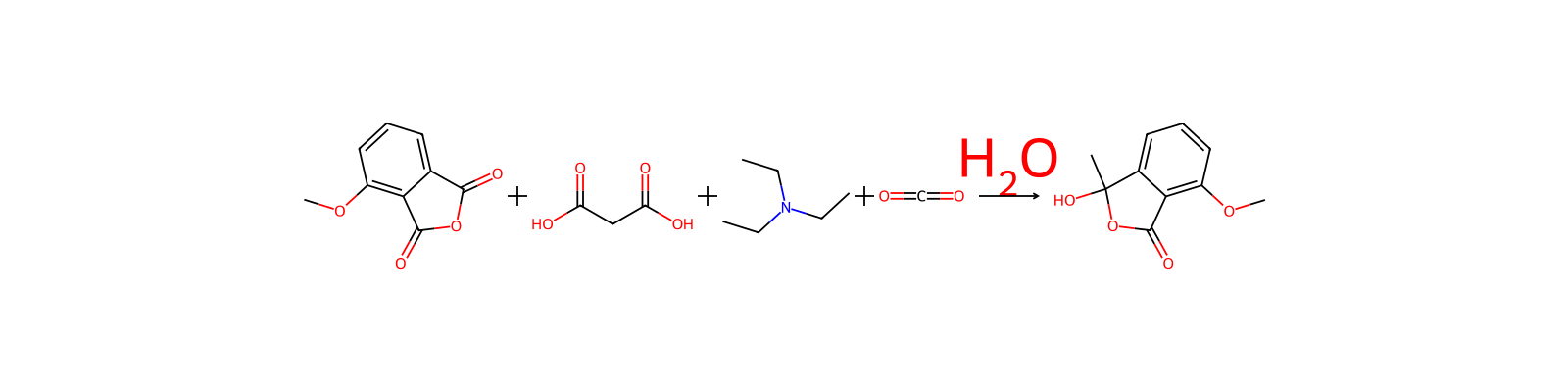
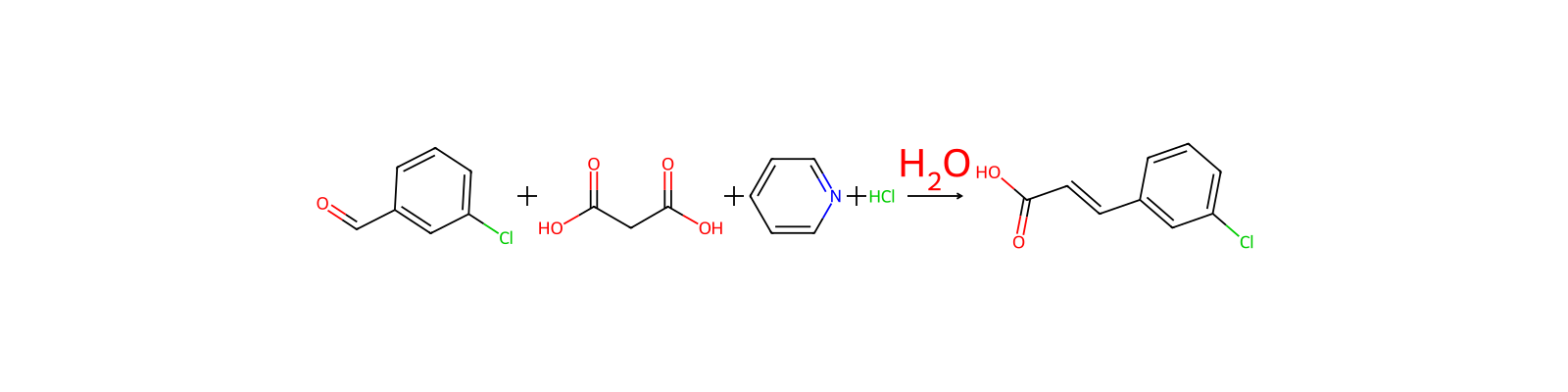
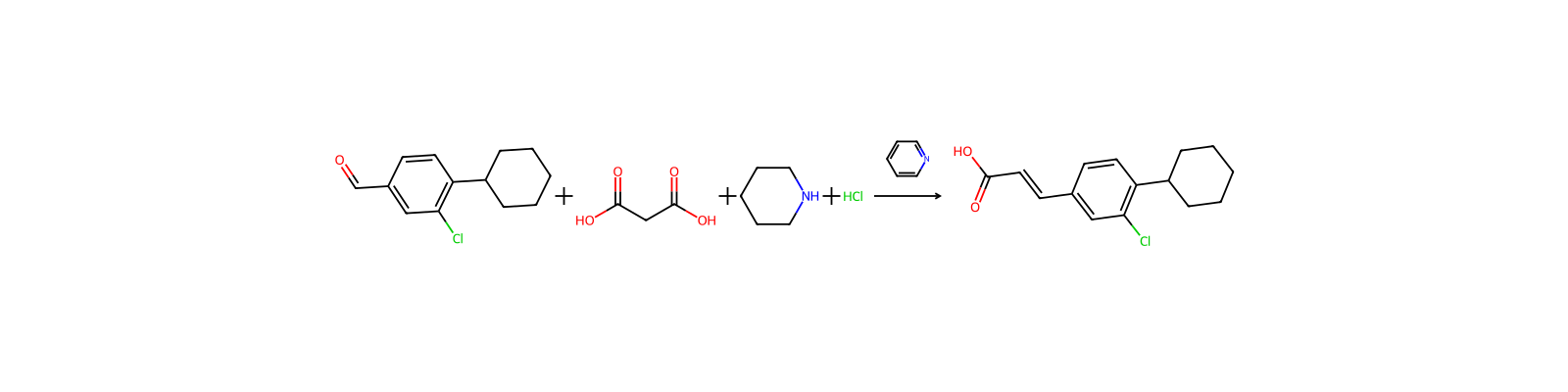
910
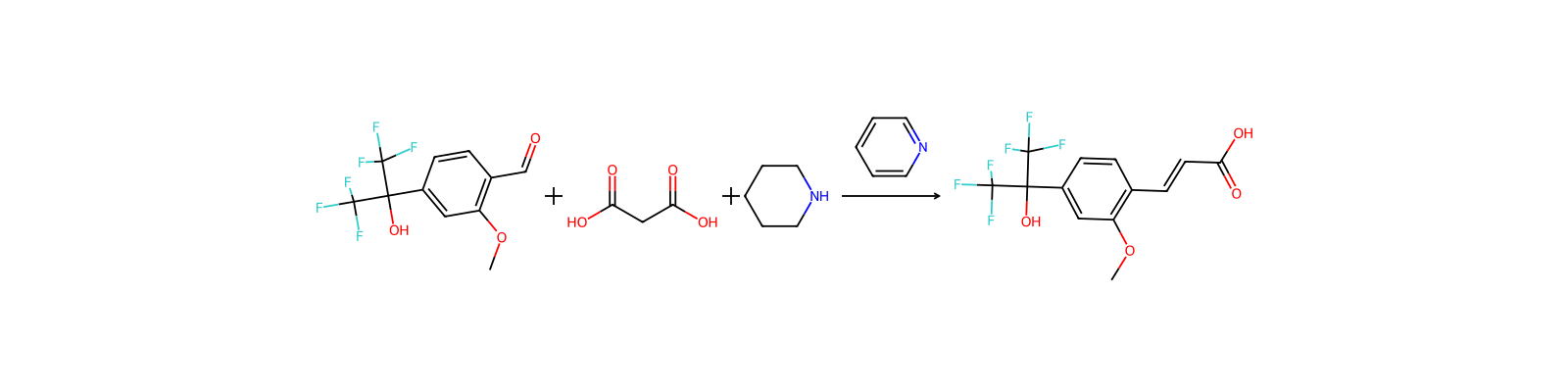
Reaktionsaufzeichnung erstellen
Reaktionsgleichung von HRID 2778
HRID 2778als Eduktuspto-grants-1998_03
Reaktionsgleichung von HRID 4751
HRID 4751als Eduktuspto-grants-1988_02
Reaktionsgleichung von HRID 20054
HRID 20054als Eduktuspto-grants-2010_06
Reaktionsgleichung von HRID 22174
HRID 22174als Eduktuspto-grants-1995_06
Reaktionsgleichung von HRID 22467
HRID 22467als Eduktuspto-grants-1995_06
Reaktionsgleichung von HRID 25968
HRID 25968als Eduktuspto-grants-1979_04
Reaktionsgleichung von HRID 26562
HRID 26562als Eduktuspto-grants-1979_04
Reaktionsgleichung von HRID 27732
HRID 27732als Eduktuspto-grants-1980_09
Seite 1 von 114

Notizen zur Verbindung

Wird geladen…

Auf dieser SeiteGrundinformationenÜberblickNamen und BezeichnerEigenschaftenSicherheit und RegulatorischesChemie und IndustrieZugehörige ReaktionenNotizen zur Verbindung
Weitere Aktionen
Neue NotizNeue ReaktionAnfrage stellen
Solubility · 5 Einträge

greater than or equal to 100 mg/mL at 72 °F (NTP, 1992)

In water, 6.23X10+5 mg/L at 25 °C

In water, 7.66X10+5 mg/L at 20 °C (pH 1-10), EU Guideline Method A.6 (flask method)

One gram dissolves in: 0.65 mL water, about 2 mL alcohol, 1.1 mL methanol, 3 mL propyl alcohol, 13 mL ether, 7 mL pyridine

763.0 mg/mL

Boiling Point · 2 Einträge

284 °F at 760 mmHg (decomposes) (NTP, 1992)

Decomposes above 140 °C

Decomposition · 3 Einträge

Hazardous decomposition products formed under fire conditions. - Carbon oxides.

When heated to decomposition it emits acrid smoke and irritating fumes.

135 °C

Melting Point · 3 Einträge

276.1 °F (NTP, 1992)

135-137 °C

135 °C

Physikochemische Eigenschaften

Schmelzpunkt
132 · 132-135 °C (dec.) (lit.)
Siedepunkt
140 ℃ · 140℃(decomposition)
Dichte
1.619 g/cm3 · 1.619 g/cm3 at 25 °C
Dampfdruck
0 · 0-0.2Pa at 25℃
Brechungsindex
1.478 · 1.4780
Flammpunkt
157 °C · 157°C
storage temp.
Sealed in dry,Room Temperature
Löslichkeit
1 M · 1 M NaOH: soluble100mg/mL, clear to slightly hazy, colorless to faintly yellow
Aggregatzustand
Liquid
pka
2.83 · 2.83(at 25℃)
Farbe
White
PH
3.17 · 3.17(1 mM solution);2.5(10 mM solution);1.94(100 mM solution)
Wasserlöslichkeit
1400 g/L · 1400 g/L (20 ºC)
Merck
14 · 14,5710
BRN
1751370 · 1751370
Henry's Law Constant
2.4 · 2.4×108 mol/(m3Pa) at 25℃, Burkholder et al. (2019)
Stabilität
Stable. Incompatible with oxidizing agents, reducing agents, bases.
Kosmetik-Inhaltsstoffe Funktionen
BUFFERING
InChI
1S/C3H4O4/c4-2(5)1-3(6)7/h1H2,(H,4,5)(H,6,7)
InChIKey
OFOBLEOULBTSOW-UHFFFAOYSA-N
SMILES
OC(=O)CC(O)=O
LogP
-0.81 · -0.81
CAS Datenbank
141 · 141-82-2(CAS DataBase Reference)
NIST chemische Informationen
Malonic acid(141-82-2)
EPA chemische Informationen
Propanedioic acid (141-82-2)
Hazards Summary · 1 Eintrag

Members of the linear alkyl diacids category demonstrate no evidence of skin sensitization; No effects to reproductive organs in repeated-dose studies; Low repeated-dose and developmental toxicity; Low potential for genotoxicity and carcinogenicity; [EPA ChAMP: Screening Level Hazard Characterization] A strong irritant; [Merck Index] A skin and severe eye and respiratory tract irritant; [ICSC] A strong irritant that may damage the skin and mucous membranes; [NTP] An irritant that may cause serious eye injury; Harmful by ingestion; [Alfa Aesar MSDS]

Reactive GroupAcids, Carboxylic
Reactivity Profile · 1 Eintrag

MALONIC ACID is a carboxylic acid. Carboxylic acids donate hydrogen ions if a base is present to accept them. They react in this way with all bases, both organic (for example, the amines) and inorganic. Their reactions with bases, called "neutralizations", are accompanied by the evolution of substantial amounts of heat. Neutralization between an acid and a base produces water plus a salt. Carboxylic acids with six or fewer carbon atoms are freely or moderately soluble in water; those with more than six carbons are slightly soluble in water. Soluble carboxylic acid dissociate to an extent in water to yield hydrogen ions. The pH of solutions of carboxylic acids is therefore less than 7.0. Many insoluble carboxylic acids react rapidly with aqueous solutions containing a chemical base and dissolve as the neutralization generates a soluble salt. Carboxylic acids in aqueous solution and liquid or molten carboxylic acids can react with active metals to form gaseous hydrogen and a metal salt. Such reactions occur in principle for solid carboxylic acids as well, but are slow if the solid acid remains dry. Even "insoluble" carboxylic acids may absorb enough water from the air and dissolve sufficiently in it to corrode or dissolve iron, steel, and aluminum parts and containers. Carboxylic acids, like other acids, react with cyanide salts to generate gaseous hydrogen cyanide. The reaction is slower for dry, solid carboxylic acids. Insoluble carboxylic acids react with solutions of cyanides to cause the release of gaseous hydrogen cyanide. Flammable and/or toxic gases and heat are generated by the reaction of carboxylic acids with diazo compounds, dithiocarbamates, isocyanates, mercaptans, nitrides, and sulfides. Carboxylic acids, especially in aqueous solution, also react with sulfites, nitrites, thiosulfates (to give H2S and SO3), dithionites (SO2), to generate flammable and/or toxic gases and heat. Their reaction with carbonates and bicarbonates generates a harmless gas (carbon dioxide) but still heat. Like other organic compounds, carboxylic acids can be oxidized by strong oxidizing agents and reduced by strong reducing agents. These reactions generate heat. A wide variety of products is possible. Like other acids, carboxylic acids may initiate polymerization reactions; like other acids, they often catalyze (increase the rate of) chemical reactions This chemical is incompatible with strong oxidizers. It is also incompatible with bases and reducing agents. (NTP, 1992)

Chemical DangersThe solution in water is a medium strong acid. Reacts with strong oxidants.
Air and Water ReactionsWater soluble.
Hazard Classes and Categories · 3 Einträge

Acute Tox. 4 (47.2%)

Acute toxicity (Oral) - Category 4

Serious eye damage/eye irritation - Category 2

Skin, Eye, and Respiratory IrritationsA skin and severe eye irritant.
Critical Temperature and PressureCritical temperature: 805 K (estimated); critical pressure: 5640 kPa (estimated)

Sicherheit und Schutzausrüstung

Fire Fighting · 2 Einträge

Fires involving this material can be controlled with a dry chemical, carbon dioxide or Halon extinguisher. A water spray may also be used. (NTP, 1992)

Use water spray, powder, foam, carbon dioxide.

First Aid Measures · 4 Einträge

Fresh air, rest. Refer for medical attention.

Remove contaminated clothes. Rinse skin with plenty of water or shower.

First rinse with plenty of water for several minutes (remove contact lenses if easily possible), then refer for medical attention.

Rinse mouth. Refer for medical attention .

First Aid · 1 Eintrag

EYES: First check the victim for contact lenses and remove if present. Flush victim's eyes with water or normal saline solution for 20 to 30 minutes while simultaneously calling a hospital or poison control center. Do not put any ointments, oils, or medication in the victim's eyes without specific instructions from a physician. IMMEDIATELY transport the victim after flushing eyes to a hospital even if no symptoms (such as redness or irritation) develop.

Safe StorageSeparated from bases and strong oxidants.
Fire Fighting ProceduresSuitable extinguishing media: Use water spray, alcohol-resistant foam, dry chemical or carbon dioxide. Advice for firefighters: Wear self-contained breathing apparatus for firefighting if necessary.
Storage ConditionsKeep container tightly closed in a dry and well-ventilated place. Keep in a dry place.
Cleanup Methods · 1 Eintrag

ACCIDENTAL RELEASE MEASURES; Personal precautions, protective equipment and emergency procedures: Use personal protective equipment. Avoid dust formation. Avoid breathing vapors, mist or gas. Ensure adequate ventilation. Evacuate personnel to safe areas. Avoid breathing dust. Environmental precautions: Do not let product enter drains. Methods and materials for containment and cleaning up: Pick up and arrange disposal without creating dust. Sweep up and shovel. Keep in suitable, closed containers for disposal.

Nonfire Spill Response · 1 Eintrag

SMALL SPILLS AND LEAKAGE: If you spill this chemical, you should dampen the solid spill material with water, then transfer the dampened material to a suitable container. Use absorbent paper dampened with water to pick up any remaining material. Seal your contaminated clothing and the absorbent paper in a vapor-tight plastic bag for eventual disposal. Wash all contaminated surfaces with a soap and water solution. Do not reenter the contaminated area until the Safety Officer (or other responsible person) has verified that the area has been properly cleaned.

Disposal Methods · 2 Einträge

SRP: Recycle any unused portion of the material for its approved use or return it to the manufacturer or supplier. Ultimate disposal of the chemical must consider: the material's impact on air quality; potential migration in air, soil or water; effects on animal, aquatic and plant life; and conformance with environmental and public health regulations. If it is possible or reasonable use an alternative chemical product with less inherent propensity for occupational harm/injury/toxicity or environmental contamination.

Product: Offer surplus and non-recyclable solutions to a licensed disposal company. Contact a licensed professional waste disposal service to dispose of this material. Contaminated packaging: Dispose of as unused product.

Spillage DisposalSweep spilled substance into covered containers. Then wash away with plenty of water.
Preventive Measures · 5 Einträge

Gloves must be inspected prior to use. Use proper glove removal technique (without touching glove's outer surface) to avoid skin contact with this product. Dispose of contaminated gloves after use in accordance with applicable laws and good laboratory practices. Wash and dry hands.

Avoid contact with skin and eyes. Avoid formation of dust and aerosols. Further processing of solid materials may result in the formation of combustible dusts. The potential for combustible dust formation should be taken into consideration before additional processing occurs. Provide appropriate exhaust ventilation at places where dust is formed.

ACCIDENTAL RELEASE MEASURES; Personal precautions, protective equipment and emergency procedures: Use personal protective equipment. Avoid dust formation. Avoid breathing vapors, mist or gas. Ensure adequate ventilation. Evacuate personnel to safe areas. Avoid breathing dust. Environmental precautions: Do not let product enter drains.

Handle in accordance with good industrial hygiene and safety practice. Wash hands before breaks and at the end of workday.

For more Preventive Measures (Complete) data for Malonic acid (6 total), please visit the HSDB record page.

Eye PreventionWear safety goggles.

Toxikologische Informationen

Interactions · 5 Einträge

The present experiments were carried out to provide direct in vivo evidence for the involvement of c-Jun N-terminal kinase (JNK) in the induction of ischemic brain injury. Malonate, which produces lesions similar to those of focal ischemia-reperfusion by a reversible inhibition of succinate dehydrogenase in mitochondria, was injected into the left striatum in the rat brain without or with the simultaneous injection of a cell permeable peptidic JNK inhibitor, (L)-HIV-TAT48-57-PP-JBD20. Two regions of malonate-induced brain injury were visualized as a hyperintense region with surrounding hypointense regions by apparent diffusion coefficient mapping magnetic resonance imaging. The JNK inhibitor significantly counteracted both hyper- and hypointense regions at the early stage of brain injury. Histological examination clarified that the inhibitor suppressed the induction of coagulation necrosis and spongy degeneration at early and late stages. /Malonate/

The acute and long-term effects of the local perfusion of 3,4-methylenedioxymethamphetamine (MDMA) and the interaction with the mitochondrial inhibitor malonate (MAL) were examined in the rat striatum. MDMA, MAL or the combination of MAL with MDMA was reverse dialyzed into the striatum for 8 h via a microdialysis probe while extracellular dopamine (DA) and serotonin (5-HT) were measured. One week later, tissue immediately surrounding the probe was assayed for DA and 5-HT tissue content. Local perfusion of MDMA increased DA and 5-HT release but did not produce long-term depletion of DA or 5-HT in tissue. Malonate also increased both DA and 5-HT release but, in contrast to MDMA, produced only long-term depletion of DA. The combined perfusion of MDMA/MAL synergistically increased the release of DA and 5-HT and produced long-term depletion of both DA and 5-HT in tissue. These results support the conclusion that DA, compared with 5-HT, neurons are more susceptible to mitochondrial inhibition. Moreover, MDMA, which does not normally produce DA depletion in the rat, exacerbated MAL-induced DA depletions. The effect of MDMA in combination with MAL to produce 5-HT depletion suggests a role for bio-energetic stress in MDMA-induced toxicity to 5-HT neurons. Overall, these results highlight the importance of energy balance to the function of DA and 5-HT neurons and to the toxic effects of MDMA. /Malonate/

We examined whether creatine administration could exert neuroprotective effects against excitotoxicity mediated by N-methyl-D-aspartate (NMDA), alpha-amino-3-hydroxy-5-methyl-4-isoxazolepropionic acid (AMPA) and kainic acid. Oral administration of 1% creatine significantly attenuated striatal excitotoxic lesions produced by NMDA, but had no effect on lesions produced by AMPA or kainic acid. Both creatine and nicotinamide can exert significant protective effects against malonate-induced striatal lesions. We, therefore, examined whether nicotinamide could exert additive neuroprotective effects with creatine against malonate-induced lesions. Nicotinamide with creatine produced significantly better neuroprotection than creatine alone against malonate-induced lesions. Creatine can, therefore, produce significant neuroprotective effects against NMDA mediated excitotoxic lesions in vivo and the combination of nicotinamide with creatine exerts additive neuroprotective effects. /Malonate/

The mitochondrial inhibitors malonate and 3-nitropropionic (3NP) acid are potent neurotoxins in vivo. Administration of these compounds results in neuronal loss similar to that seen in Huntington's disease. Although the mechanism of cell death produced by these compounds likely involves activation of N-methyl-D-aspartate receptors, it remains unclear why the striatum demonstrates regional susceptibility to the toxicity of these and other mitochondrial poisons. We hypothesized that dopamine, a weak neurotoxin that occurs in high concentrations in the striatum, may contribute to the neuronal damage caused by mitochondrial inhibition. We investigated whether depletion of striatal dopamine using the catecholaminergic toxin 6-hydroxydopamine would attenuate lesions induced by mitochondrial inhibition. We found that dopamine depletion reduced significantly the extent of histological damage in the striatum elicited by both intraparenchymal injections of 0.8 micromol malonate and 20 mg/kg systemic administration of 3NP. These data suggest that dopamine or one of its metabolites may contribute to mitochondrial toxin-induced cell death. /Malonate/

For more Interactions (Complete) data for Malonic acid (7 total), please visit the HSDB record page.

Ecotoxicity Values · 2 Einträge

LC50; Species: Daphnia magna (Water Flea) age <24 hr larva, 1st instar; Conditions: freshwater, static, 22 °C, pH 7.7 (7.0-8.2 ug/L); Concentration: 275000 ug/L for 48 hr (95% confidence interval: 233000- 324000 ug/L)

LC50; Species: Lepomis macrochirus (Bluegil); Conditions: freshwater, static, 21-25 °C; Concentration: 150000 ug/L for 24 hr /formulated product/

Environmental Fate · 3 Einträge

TERRESTRIAL FATE: Based on a classification scheme(1), an estimated Koc value of 4(SRC), determined from a structure estimation method(2), indicates that malonic acid is expected to have very high mobility in soil(SRC). Respective pKa1 and pKa2 values of 2.8 and 5.7(3), indicate this compound will exist almost entirely in the anion form in the environment and anions generally do not adsorb more strongly to soils containing organic carbon and clay than their neutral counterparts(4). Volatilization of malonic acid from moist soil surfaces is not expected to be an important fate process(SRC) due to ionization. Based on biodegradation screening results of analogous dicarboxylic acids (succinic acid and oxalic acid), malonic acid is expected to be readily biodegradable(3). In two 5-day BOD studies, malonic acid achieved 38 to 76.6% theoretical BODs(5,6).

AQUATIC FATE: Based on a classification scheme(1), an estimated Koc value of 4(SRC), determined from a structure estimation method(2), indicates that malonic acid is not expected to adsorb to suspended solids and sediment(SRC). Respective pKa1 and pKa2 values of 2.8 and 5.7(3), indicate this compound will exist almost entirely in the anion form in the environment and therefore, volatilization from water surfaces is not expected to be an important fate process(SRC). According to a classification scheme(4), an estimated BCF of 3(SRC), from its log Kow of -0.81(5) and a regression-derived equation(2), suggests the potential for bioconcentration in aquatic organisms is low(SRC). Based on biodegradation screening results of analogous dicarboxylic acids (succinic acid and oxalic acid), malonic acid is expected to be readily biodegradable(3). In two 5-day BOD studies, malonic acid achieved 38 to 76.6% theoretical BODs(6,7). Malonic acid is not expected to undergo hydrolysis in the environment due to the lack of functional groups that hydrolyze under environmental conditions(8).

ATMOSPHERIC FATE: According to a model of gas/particle partitioning of semivolatile organic compounds in the atmosphere(1), malonic acid, which has a vapor pressure of 2.7X10⁻⁶ mm Hg at 23 °C(2), will exist in both the vapor and particulate phases in the ambient atmosphere. Vapor-phase malonic acid is degraded in the atmosphere by reaction with photochemically-produced hydroxyl radicals(SRC); the half-life for this reaction in air is estimated to be 10 days(SRC), calculated from its rate constant of 1.6X10⁻¹² cu cm/molecule-sec at 25 °C(SRC) that was derived using a structure estimation method(3). Particulate-phase malonic acid may be removed from the air by wet and dry deposition(SRC). Malonic acid absorbs weakly at wavelengths >290 nm(4) and, therefore, may be susceptible to direct photolysis by sunlight(SRC).

Food Survey Values · 1 Eintrag

Malonic acid has been identified in celery, parsnip, green pepper, tangerine, beet, oats, tabasco, chili, orange, grapefruit, lime, melon, cantaloupe, sunflower, barley, prickly pear, Indian fig, ginseng, black bean, kidney bean, green bean, peach, corn, and banana(1).

Exposure RoutesThe substance can be absorbed into the body by inhalation and by ingestion.
Toxicity Summary · 2 Einträge

Safe in the present practices of use and concentration. Ingredient, concentration, and use information are available in documents discoverable at https://cir-reports.cir-safety.org

IDENTIFICATION AND USE: Malonic acid is used in biochemical and cell studies, as well as in chemical synthesis. This acid is well known as a competitive inhibitor of succinic dehydrogenase, and has been used extensively in investigations of the tricarboxylic acid cycle. It can be used in veterinary medicine to prevent resorption of bone tissue in broiler chicks caused by disturbance of photoperiodism. HUMAN STUDIES: The influence of malonic acid on the proliferation rate of cultured human fetal skin fibroblasts was investigated. Addition of malonate stimulated fibroblast proliferation. The maximum stimulation occurred in the medium at the 0.01 mM concentration of malonic acid. When the cells were cultured in the medium with serum, the influence of malonate on the cells proliferation increased. ANIMAL STUDIES: Malonic acid (MA) is a reversible inhibitor of succinate dehydrogenase (SDH) which induces mitochondrial dysfunction followed by secondary excitotoxicity and apoptosis due to generation of reactive oxygen species. Intrastriatal injection of malonate results in both chemically induced hypoxia and striatal lesions that are similar to those seen in Huntington's disease and cerebral ischemia. Malonic acid was mildly irritating to skin in rats. In an in vitro eye irritation test, malonic acid was considered to be irritating. The behavioral effects of unilateral intrastriatal administration of malonate (0.6, 1.8 or 6 umol) in adult male rats have been reported. Low doses of malonate (1.8 umol) decreased exploratory activity and caused ipsiversive rotational behavior. High doses of malonate (6 umol) induced contralateral rotational behavior and convulsive episodes. Malonate-induced striatal toxicity was significantly reduced following lesions of either the glutamatergic or dopaminergic afferents to the striatum. Intrastriatal injection of malonate produced age-dependent striatal lesions, which were significantly greater in 4- and 12-month-old animals than in 1-month-old animals. Malonic acid was negative for mutagenicity in a bacterial reverse mutation assay.

Average Daily IntakeEstimated intake of malonic acid: 3200 ug/person/day(1).
Plant ConcentrationsMalonic acid occurrence in plants(1).
Signs and Symptoms · 4 Einträge

Cough. Sore throat.

Redness. Pain.

Redness. Pain.

Abdominal pain. Diarrhoea. Nausea. Vomiting.

Ongoing Test Status · 2 Einträge

EPA has released the Interactive Chemical Safety for Sustainability (iCSS) Dashboard. The iCSS Dashboard provides an interactive tool to explore rapid, automated (or in vitro high-throughput) chemical screening data generated by the Toxicity Forecaster (ToxCast) project and the federal Toxicity Testing in the 21st century (Tox21) collaboration. /The title compound was tested by ToxCast and/or Tox21 assays/[USEPA; ICSS Dashboard Application; Available from, as of August 9, 2018: http://actor.epa.gov/dashboard/]

The following link will take the user to the National Toxicology Program (NTP) Test Status of Agents Search page, which tabulates the results and current status of tests such as "Short-Term Toxicity Studies", "Long-term Carcinogenicity Studies", "Developmental Studies", "Genetic Toxicology Studies", etc., performed with this chemical. Testing status for malonic acid is available.[Available from, as of August 9, 2018: https://ntpsearch.niehs.nih.gov/?e=True&ContentType=Testing+Status]

Effluent Concentrations · 1 Eintrag

Based on monitoring at a Los Angeles roadway tunnel, the emission rate malonic acid was 14.0 ug/L of gasoline-equivalent burned(1). Malonic acid was detected in effluents from a kraft pulp mill bleach factory(2) and at a concentration of 8.1 mg/L in shale oil process retort water(3).

Soil Adsorption/Mobility · 1 Eintrag

Using a structure estimation method based on molecular connectivity indices(1), the Koc of malonic acid can be estimated to be 4(SRC). According to a classification scheme(2), this estimated Koc value suggests that malonic acid is expected to have very high mobility in soil. Respective pKa1 and pKa2 values of 2.8 and 5.7(3), indicate this compound will exist almost entirely in the anion form in the environment and anions generally do not adsorb more strongly to soils containing organic carbon and clay than their neutral counterparts(4).

Sicherheitsdaten

wgk
1
tsca
TSCA listed
ridadr
3261
hs_code
29171910
RTECS-Nr.
OO0175000
risk_code
20/22-41-36/37/38-22
Toxizität
mouse,LD50,intraperitoneal,300mg/kg (300mg/kg),National Technical Information Service. Vol. AD277-689,
hazard_code
Xn,Xi
safety_code
26-36/39-37/39-36
packing_group
III
Speicherklasse
13 - Non Combustible Solids
Giftige Stoffe Daten
141-82-2(Hazardous Substances Data)
Hazard Classifications
Eye Dam. 1
U.S. Production · 2 Einträge

2023: <75,000 lb

Non-confidential 2016 Chemical Data Reporting (CDR) information on the production and use of chemicals manufactured or imported into the United States. Chemical: Malonic acid:

Industry UsesChelating agent
Methods of Manufacturing · 2 Einträge

Malonic acid is usually produced by hydrolysis of cyanoacetic acid or by acid saponification of malonates. Alternative more recently reported methods for the preparation of malonic acid are the ozonolysis of cyclopentadiene, the palladium-catalyzed air oxidation of 1,3-propanediol, the platinum group metalcatalyzed oxidation of 3-hydroxypropionaldehyde or 3-hydroxypropionic acid and the use of malononitrile as a substrate for a nitrilase.

From monochloroacetic acid by reaction with potassium cyanide followed by hydrolysis.

Use ClassificationCosmetics -> Buffering
General Manufacturing Information · 3 Einträge

All Other Chemical Product and Preparation Manufacturing

Propanedioic acid: ACTIVE

The occurrence of malonic acid has been reported in the leaves of lucerne and in green wheat plants. This acid is well known as a competitive inhibitor of succinic dehydrogenase, and has been used extensively in investigations of the tricarboxylic acid cycle.

Anwendungen · 2 Einträge

BeschreibungMalonic acid (MA), also known as propanedioic acid, is a dicarboxylic acid with structure CH2(COOH)2. It have three kinds of crystal forms, of which two are triclinic, and one is monoclinic. That crystallized from ethanol is white triclinic crystals.It decomposes to acetic acid and carbon dioxide at 140℃. It does not decompose at 1.067×10³~1.333×10³Pa vacuum, but directly sublimates. The ionised form of malonic acid, as well as its esters and salts, are known as malonates. For example, diethyl malonate is malonic acid's ethyl ester. The name originates from Latin malum, meaning apple.

VerwendenMalonic acid is used as an intermediate in the manufacture of barbiturates and other pharmaceuticals. It is a component used as a stabilizer in many high-end cosmetic and pharmaceutical products. Malonic acid is also used as building block in chemical synthesis, specifically to introduce the molecular group -CH2-COOH. It is used for the introduction of an acetic acid moiety under mild conditions by Knoevenagel condensation and subsequent decarboxylation.

Darstellung · 1 Eintrag

synthetischeMalonic acid is usually produced from chloroacetic acid.Reaction: The chloroacetic acid is added to the reaction kettle by adding sodium carbonate aqueous solution to generate sodium chloroacetate aqueous solution, and then 30% sodium cyanide solution is slowly added dropwise, and the reaction is carried out at a predetermined temperature to generate sodium cyanoacetate. After the cyanation reaction is completed, add sodium hydroxide for heating and hydrolysis to generate sodium malonate solution, concentrate, then dropwise add sulfuric acid for acidification to generate malonic acid, filter and dry to obtain the product.This method often does not produce a pure enough product or the pure product has an extremely low yield. Industrially, malonic acid is also produced by hydrolyzing dimethyl malonate or diethyl malonate. This manufacturing method is able to bring about a higher yield and purity, but the organic synthesis of malonic acid through these processes is extremely costly and environmentally hazardous.

Vor- und nachgelagerte Produkte

Vorgelagerte Rohstoffe

Diethyl esterChloressigsäureAcetonCalciummalonatNatriumcyanidHydrogenchloridCyanessigsäureDinatriummalonatDiethylmalonatNatriumchloracetat

Nachgelagerte Produkte

4-(MORPHOLIN-4-YLMETHYL)-1,3-THIAZOL-2-AMINEDiethylmesoxalat3,4,5-TrimethoxyhydrozimtsureTartronsureMethylnon-2-enoat2',4',5'-Trimethoxycinnamsure4-CHLORO-BETA-METHYL-Y-OXO-BENZENEBUTANOIC ACIDDecan-4-olid5,5-Dimethylcyclohexan-1,3-dion3-PYRIDIN-2-YL-PROPIONIC ACID H2SO4(E)-4'-Hydroxy-3'-methoxycinnamsuretrans-Hex-3-ensure4-BROMO-PYRAN-2-ONE4-Hydroxy-7-methyl-1,8-naphthyridin-3-carbonsure6-METHOXY-2-OXO-2H-CHROMENE-3-CARBOXYLIC ACID3-(TRIFLUOROMETHOXY)CINNAMIC ACIDDiethylbutylmalonat3,3-DIMETHOXYESTR-5(10)-ENE-17 B OL3-AMINO-3-(2-THIENYL)PROPANOIC ACIDDiethyl(phenylacetyl)malonateAntifreezeDiethyl-(1-methylpropyl)malonat4-ETHOXYCINNAMIC ACID3',5'-Dimethoxycinnamsure(1H-INDAZOL-3-YL)-ACETIC ACID4-Fluorzimtsaeure3-(2-METHYLPHENYL)PROPIONIC ACID5-BROMO-2-FLUOROCINNAMIC ACID3-(3-CHLOROPHENYL)PROPIONIC ACID3-(p-Tolyl)propionsureDiethyl butyrylmalonatetrans-3-MethoxyzimtsureDiethylnitromalonat3-Pyridinepropionic acid3-(2-Furyl)acrylsure3-(1-NAPHTHYL)-PROPIONIC ACID2-Acetylbenzoesure3-(3-METHYL-2-THIENYL)ACRYLIC ACID3-PyridylacrylsaeureDiethyl-[(m-chloranilino)methylen]malonat

Ergänzende Hinweise

DefinitionChEBI: Malonic acid is an alpha,omega-dicarboxylic acid in which the two carboxy groups are separated by a single methylene group. It has a role as a human metabolite. It is a conjugate acid of a malonate(1-).