
Grundinformationen
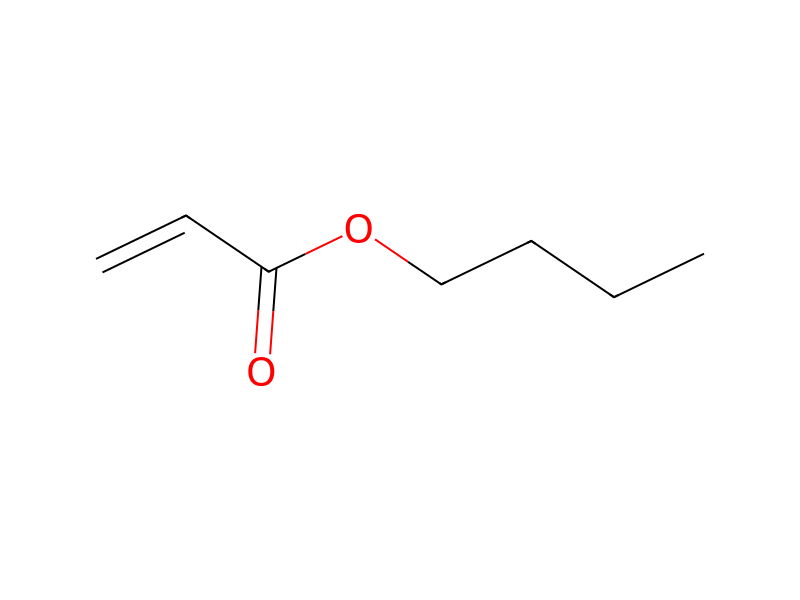
- Standard-SMILES
C=CC(=O)OCCCC- InChIKey
CQEYYJKEWSMYFG-UHFFFAOYSA-N- Summenformel
- C7H12O2
- Durchschnittliche Molmasse
- 128,17 g/mol
- Monoisotopische Masse
- 128,08372962
Überblick
Butyl acrylate appears as a clear colorless liquid with a sharp characteristic odor. Very slightly soluble in water and somewhat less dense than water. Hence forms surface slick on water. Flash point 105 °F. Density 7.5 lb / gal. Used for making paints, coatings, caulks, sealants, adhesives.
Namen und Bezeichner
- Bevorzugter Name
- Butyl Acrylate
- IUPAC
- butyl prop-2-enoate
- Englischer Name
- 141-32-2
- Summenformel
- C7H12O2
- Molmasse
- 128.17
Namen und Synonyme
BUTYL ACRYLATE141-32-2n-Butyl acrylateAcrylic acid butyl estern-Butyl propenoate2-Propenoic acid, butyl esterButyl 2-propenoate2-propenoic acid butyl esterAcrylic acid, butyl esterAcrylic acid n-butyl esterButylester kyseliny akryloveDTXSID6024676
Weitere Namen anzeigen
705NM8U35VNSC-5163CHEBI:3245DTXCID104676Butyl ester of acrylic acidPERM GLUERefChem:5627butyl acrylate;butyl prop-2-enoate
Datenbank-Bezeichner
- CAS
141-32-2、9003-49-0- PubChem CID
- 8846
- DTXSID
DTXSID6024676- ChEMBL
CHEMBL1546388- ChEBI
CHEBI:3245- UNII
- 705NM8U35V
- EC Number
- 205-480-7
- Nikkaji
- J2.535F
Eigenschaften
Berechnete Struktureigenschaften
- XLogP
- 2,4
- Polarare Oberfläche (TPSA)
- 26,3 Ų
- H-Brücken-Donoren
- 0
- H-Brücken-Akzeptoren
- 2
- Frei drehbare Bindungen
- 5
- Schwere Atome
- 9
- Formalladung
- 0
- Komplexität
- 97,1
Experimentelle und physikochemische Eigenschaften
Chemical ClassesFlammable agents - 3rd degree
PolymersPlastics & Rubber -> (Meth)acrylates
CosmeticsFilm forming; Binding
SpringerMaterials PropertiesBoiling point
LogP
log Kow = 2.36
2.38
2.36
Odor
Sharp, fragrant
Sharp, biting characteristic odor
Strong, fruity odor
Density
0.899 at 68 °F (USCG, 1999) - Less dense than water; will float
0.8898 g/cu cm at 20 °C
Relative density (water = 1): 0.90
0.89
0.8898 @ 20°C
0.89
Color/Form
Colorless liquid
Water-white monomer
Clear, colorless liquid [Note: Highly reactive; may contain an inhibitor to prevent spontaneous polymerization].
Solubility
less than 1 mg/mL at 68 °F (NTP, 1992)
Solubility of water in n-butyl acrylate at 20 °C: 0.8 mL/100 g
Sol in ethanol, ethyl ether, acetone; slightly soluble in carbon tetrachloride
0.14 g/100 mL water at 20 °C; 9.12 g/100 mL at 40 °C
In water, 2,000 mg/L 23 °C
Solubility in water, g/100ml: 0.14
Flash Point
120 °F (NTP, 1992)
84 °F (29 °C) (closed cup)
48.9 °C, open cup
36 °C c.c.
103 °F
103 °F
Boiling Point
295 to 298 °F at 760 mmHg (NTP, 1992)
145 °C
BP: 138 °C at 760 mm Hg; 84-86 °C at 101 mm Hg; 59 °C at 25 mm Hg; 39 °C at 10 mm Hg; 35 °C at 8 mm Hg
145-149 °C
293 °F
145 °C @760 [mm Hg]
DecompositionWhen heated to decomposition it emits acrid and irritating fumes.
Sicherheit und Regulatorisches
GHS-Klassifizierung
GHS Classification
Warning
H226: Flammable liquid and vapor [Warning Flammable liquids]
P210, P233, P240, P241, P242, P243, P261, P264, P264+P265, P271, P272, P280, P302+P352, P303+P361+P353, P304+P340, P305+P351+P338, P319, P321, P332+P317, P333+P317, P337+P317, P362+P364, P370+P378, P403+P233, P403+P235, P405, and P501 (click each P-code to see the statement)
This chemical does not meet GHS hazard criteria for < 0.1% (1 of 3522) of reports.
Warning
H226 (> 99.9%): Flammable liquid and vapor [Warning Flammable liquids]
Gefahrenhinweise
Regulatory Information
Chemical: 2-Propenoic acid, butyl ester
2-Propenoic acid, butyl ester is listed on the EPA's Chemical Data Reporting (CDR) system. Manufacturers and importers of 2-Propenoic acid, butyl ester are required to report information about their production and use of this chemical to the EPA under the Toxic Substances Control Act (TSCA). (40 eCFR Part 711)
Status: Active Update: 28-03-2023 https://echa.europa.eu/registration-dossier/-/registered-dossier/15779
2-Propenoic acid, butyl ester: HSNO Approval: HSR001100 Approved with controls
The New Jersey Worker and Community Right to Know Act requires public and private employers to provide information about hazardous substances at their workplaces. (N.J.S.A. 34:5A-1 et. seq.)
Other Safety InformationIMAP assessments - 2-Propenoic acid, butyl ester: Human health tier II assessment
DOT LabelFlammable Liquid
Fire Hazards
Excerpt from ERG Guide 129 [Flammable Liquids (Water-Miscible / Noxious); polymerization hazard]:
Flammable. Above 36 °C explosive vapour/air mixtures may be formed.
Fire Potential
A flammable liquid when exposed to heat or flame.
Combustible liquid. Thermally unstable.
Health HazardsVapor is irritating when breathed at high concentrations. Contact with liquid causes irritation of skin and burning of eyes. (USCG, 1999)
Hazards Summary
Can cause skin sensitization; Can cause pulmonary edema after heavy inhalation exposure; [ICSC] If left on clothing, can cause reddening of skin; [CHRIS] Butyl acrylate is a skin irritant. [Quick CPC] A lachrymator; [HSDB] A dermal sensitizer; [ACGIH] Butyl acrylates, stabilized (UN2348) has warning of explosive polymerization; [ERG 2016]
DOT ID and Guide2348 129P
FDA RequirementsHomopolymers and copolymers of butyl acrylate are an indirect food additive for use only as a component of adhesives.
Reactive GroupAcrylates and Acrylic Acids
EC ClassificationSymbol: Xi; R: 10-36/37/38-43; S: (2)-9; Note: D
UN ClassificationUN Hazard Class: 3; UN Pack Group: III
Sicherheit und Schutzausrüstung
Fire Fighting
Excerpt from ERG Guide 129 [Flammable Liquids (Water-Miscible / Noxious); polymerization hazard]:
Use powder, AFFF, foam, carbon dioxide. In case of fire: keep drums, etc., cool by spraying with water.
First Aid Measures
Fresh air, rest. Refer for medical attention.
Remove contaminated clothes. Rinse skin with plenty of water or shower. Refer for medical attention .
First rinse with plenty of water for several minutes (remove contact lenses if easily possible), then refer for medical attention.
Rinse mouth. Do NOT induce vomiting. Give one or two glasses of water to drink. Refer for medical attention .
First Aid
EYES: First check the victim for contact lenses and remove if present. Flush victim's eyes with water or normal saline solution for 20 to 30 minutes while simultaneously calling a hospital or poison control center. Do not put any ointments, oils, or medication in the victim's eyes without specific instructions from a physician. IMMEDIATELY transport the victim after flushing eyes to a hospital even if no symptoms (such as redness or irritation) develop.
(General first aid procedures)
Safe StorageFireproof. Cool. Keep in the dark. Separated from strong oxidants. Store only if stabilized.
Exposure Control and Personal Protection2.0 [ppm]
Fire Fighting Procedures
Use water spray to keep fire exposed containers cool. Solid streams of water may be ineffective or may cause frothing. Use water spray, dry chemical, foam, or carbon dioxide. Fight fire from protected location or maximum possible distance.
If material on fire or involved in fire: Do not extinguish fire unless flow can be stopped or safely confined. Use water in flooding quantities as fog. Solid stream of water may be ineffective. Cool all affected containers with flooding quantities of water. Apply water from as far a distance as possible. Use foam, dry chemical or carbon dioxide. /Butyl acrylates, stabilized/
Use dry chemical, carbon dioxide, or foam extinguishers. Vapors are heavier than air and will collect in low areas. Vapors may travel long distances to ignition sources and flashback. Vapors in confined areas may explode when exposed to fire. Containers may explode in fire. Storage containers and parts of containers may rocket great distances, in many directions. If material or contaminated runoff enters waterways, notify downstream users of potentially contaminated waters. Notify local health and fire officials and pollution control agencies. From a secure, explosion-proof location, use water spray to cool exposed containers. If cooling streams are ineffective (venting sound increases in volume and pitch, tank discolors or shows any signs of deforming), withdraw immediately to a secure position.
Wear full protective clothing and positive pressure self-contained breathing apparatus.
Storage Conditions
Do not store unless stabilized. Before entering a confined space where butyl acrylate may be present, check to make sure that an explosive concentration does not exist. Store in tightly closed containers in a cool, well ventilated, fireproof area. Metal containers involving the transfer of this chemical should be grounded and bonded. Where possible, automatically pump liquid from drums or other storage containers to process containers. Drums must be equipped with self-closing valves, pressure vacuum bungs, and flame arresters. Use only nonsparking tools and equipment, especially when opening and closing containers of this chemical. Sources of ignition, such as smoking and open flames, are prohibited where this chemical is used, handled, or stored in a manner that could create a potential fire or explosion hazard.
Separate from any oxidizing materials, peroxides, or other initiators. Store in a cool, dry, well-ventilated location. Outside or detached storage is preferred.
The effectiveness of phenolic inhibitors is dependent on the presence of oxygen and the monomers must be stored under air rather than an inert atmosphere. Temp must be kept low to minimize formation of peroxides and other products ... The acrylic esters may be stored in mild or stainless steel, or aluminum. /Acrylic acid and derivatives/
Cleanup Methods
SRP: Wastewater from contaminant suppression, cleaning of protective clothing/equipment, or contaminated sites should be contained and evaluated for subject chemical or decomposition product concentrations. Concentrations shall be lower than applicable environmental discharge or disposal criteria. Alternatively, pretreatment and/or discharge to a permitted wastewater treatment facility is acceptable only after review by the governing authority and assurance that "pass through" violations will not occur. Due consideration shall be given to remediation worker exposure (inhalation, dermal and ingestion) as well as fate during treatment, transfer and disposal. If it is not practicable to manage the chemical in this fashion, it must be evaluated in accordance with EPA 40 CFR Part 261, specifically Subpart B, in order to determine the appropriate local, state and federal requirements for disposal.
Spill Handling: Evacuate and restrict persons not wearing protective equipment from area of spill or leak until cleanup is complete. Remove all ignition sources. Establish forced ventilation to keep levels below explosive limit. Cover liquids with dry lime or soda ash or absorb liquids in vermiculite, dry sand, earth, peat, carbon, or a similar material and deposit in sealed containers. It may be necessary to contain and dispose of this chemical as a hazardous waste. If material or contaminated runoff enters waterways, notify downstream users of potentially contaminated waters.
Nonfire Spill ResponseExcerpt from ERG Guide 129 [Flammable Liquids (Water-Miscible / Noxious); polymerization hazard]:
Disposal Methods
SRP: The most favorable course of action is to use an alternative chemical product with less inherent propensity for occupational harm/injury/toxicity or environmental contamination. Recycle any unused portion of the material for its approved use or return it to the manufacturer or supplier. Ultimate disposal of the chemical must consider: the material's impact on air quality; potential migration in soil or water; effects on animal and plant life; and conformance with environmental and public health regulations.
Disposal method suggested: Incineration /SRP: with emissions Controls/
The following wastewater treatment technologies have been investigated for butyl acrylate: Activated carbon.
Spillage Disposal
Personal protection: chemical protection suit and filter respirator for organic gases and vapours adapted to the airborne concentration of the substance. Do NOT let this chemical enter the environment. Remove all ignition sources. Collect leaking and spilled liquid in covered containers as far as possible. Absorb remaining liquid in sand or inert absorbent. Then store and dispose of according to local regulations.
Preventive Measures
SRP: The scientific literature for the use of contact lenses by industrial workers is inconsistent. The benefits or detrimental effects of wearing contact lenses depend not only upon the substance, but also on factors including the form of the substance, characteristics and duration of the exposure, the uses of other eye protection equipment, and the hygiene of the lenses. However, there may be individual substances whose irritating or corrosive properties are such that the wearing of contact lenses would be harmful to the eye. In those specific cases, contact lenses should not be worn. In any event, the usual eye protection equipment should be worn even when contact lenses are in place.
SRP: Contaminated protective clothing should be segregated in a manner that results in no direct personal contact by personnel who handle, dispose of, or clean the clothing. Quality assurance procedures to confirm the efficacy of the cleaning procedures should be implemented prior to the decontaminated protective clothing being returned for reuse by the workers. Contaminated clothing (including shoes/socks) should not be taken home at end of shift, but should remain at employee's place of work for cleaning.
Awareness of the dangers and of good engineering design are essential to safety. Employees should be instructed about the necessity of cleansing the skin if it is contaminated by materials which are irritants or skin-absorbed. With careful design, however, and complete enclosure of those processes where toxic chemicals or intermediates occur, dangerous exposures can be avoided. /Acrylic acid & derivatives/
If material not on fire and not involved in fire: Keep sparks, flames, and other sources of ignition away. Keep material out of water sources and sewers. Build dikes to contain flow as necessary. Use water spray to knock down vapors. /Butyl acrylates, stabilized/
For more Preventive Measures (Complete) data for n-Butyl acrylate (7 total), please visit the HSDB record page.
Toxikologische Informationen
Target OrgansEyes, skin, respiratory system
Ecotoxicity Values
LC50; Species: /Agelaius phoeniceus/ (Red-wing blackbird); Concentration: >103 mg/kg bw for 18 hr /Conditions of bioassay not specified in source examined/
LC50; Species: Daphnia magna (Water flea, age < or =24 hr); Conditions: freshwater, static, 20-22 °C, pH 7.6-7.7; Concentration: 230 mg/L for 24 hr /formulation/
LC50; Species: Cyprinodon variegatus (Sheepshead minnow); Conditions: flow-through, temperature 22.5-23.5 °C, pH 7.8-7.9, salinity 20-22% (parts per thousand), dissolved oxygen 6.0-7.8 mg/L; Concentration: 2.1 mg/L for 96 hr
LC50; Species: Oncorhynchus mykiss (Rainbow trout); Conditions: flow through, hardness 43-44 mg/L (as CaCO3), alkalinity 56-57 mg/L (as CaCO3), pH 7.5-7.9, conductivity 102-115 uMhos/cm, total organic carbon <1 mg/L, suspended solids 0.4 mg/L; Concentration: 5.2 mg/L for 96 hr
For more Ecotoxicity Values (Complete) data for n-Butyl acrylate (10 total), please visit the HSDB record page.
Environmental Fate
TERRESTRIAL FATE: Based on a classification scheme(1), Koc values of 40-148(2), indicate that n-butyl acrylate is expected to have very high to high mobility in soil(SRC). Volatilization of n-butyl acrylate from moist soil surfaces is expected to be an important fate process(SRC) given an estimated Henry's Law constant of 4.6X10⁻⁴ atm-cu m/mole(SRC), based upon its vapor pressure, 5.45 mm Hg(3), and water solubility, 2,000 mg/L(4). n-Butyl acrylate is expected to volatilize from dry soil surfaces(SRC) based upon its vapor pressure(3). Utilizing the Japanese MITI test 61.3% of the theoretical BOD was reached in 2 weeks(5) suggesting that biodegradation is an important environmental fate process in soil(SRC). n-Butyl acrylate had a theoretical BOD of 56% and 40% in other biodegradation tests using OECD methods(2).
AQUATIC FATE: Based on a classification scheme(1), Koc values of 40-148(2), indicate that n-butyl acrylate is not expected to adsorb to suspended solids and sediment(SRC). Volatilization from water surfaces is expected(3) based upon an estimated Henry's Law constant of 4.6X10⁻⁴ atm-cu m/mole(SRC), derived from its vapor pressure, 5.45 mm Hg(4), and water solubility, 2,000 mg/L(5). Using this Henry's Law constant and an estimation method(3), volatilization half-lives for a model river and model lake are 5 hours and 5 days, respectively(SRC). According to a classification scheme(6), an estimated BCF of 17(SRC), from its log Kow of 2.36(7) and a regression-derived equation(8), suggests the potential for bioconcentration in aquatic organisms is low(SRC). Hydrolysis is not expected to be an important process(SRC) based on estimated hydrolysis half-lives of 11 and 1.1 years at pHs 7 and 8, respectively(9). n-Butyl acrylate has experimental aquatic first-order photochemical degradation rates of 5.7X10⁻⁴, 5.9X10⁻⁴, 4.7X10⁻⁴, and 4.1X10⁻⁴/sec in distilled water, river water, artificial seawater, and seawater, respectively(10), corresponding to half-lives of 20 min, 19 min, 25 min, and 28 min, respectively(SRC). Utilizing the Japanese MITI test, 61.3% of the theoretical BOD was reached in 2 weeks(11), suggesting that biodegradation is an important environmental fate process in water(SRC).
ATMOSPHERIC FATE: According to a model of gas/particle partitioning of semivolatile organic compounds in the atmosphere(1), n-butyl acrylate, which has a vapor pressure of 5.45 mm Hg at 25 °C(2), is expected to exist solely as a vapor in the ambient atmosphere. Vapor-phase n-butyl acrylate is degraded in the atmosphere by reaction with photochemically-produced hydroxyl radicals(SRC); the half-life for this reaction in air is estimated to be 28 hours(SRC), calculated from its rate constant of 1.4X10⁻¹¹ cu cm/molecule-sec at 25 °C(SRC) that was derived using a structure estimation method(3). Vapor-phase n-butyl acrylate is also degraded in the atmosphere by reaction with ozone(SRC); the half-life for this reaction in air is estimated to be 7 hours(SRC), calculated from its rate constant of 1.8X10⁻¹⁸ cu cm/molecule-sec at 25 °C(SRC) that was derived using a structure estimation method(3). Experimental photodegradation rates in distilled water, river water, artificial seawater, and seawater of 5.7X10⁻⁴, 5.9X10⁻⁴, 4.7X10⁻⁴, and 4.1X10⁻⁴/sec, respectively(4), which correspond to half-lives of 20 min, 19 min, 25 min, and 28 min, respectively(SRC), suggest that n-butyl acrylate may be susceptible to direct photolysis in sunlight(SRC).
Adverse EffectsLacrimator (Lachrymator) - A substance that irritates the eyes and induces the flow of tears.
Exposure Routes
The substance can be absorbed into the body by inhalation and through the skin.
inhalation, skin absorption, ingestion, skin and/or eye contact
Ecotoxicity Excerpts
/AQUATIC SPECIES/ Toxicity tests were conducted using freshwater and marine fish, invertebrates, and algae. Acrylic acid effect concentrations for fish and invertebrates ranged from 27 to 236 mg/L. Effect concentrations (LC50 or EC50) for fish and invertebrates using methyl acrylate, ethyl acrylate, and butyl acrylate ranged from 1.1 to 8.2 mg/L. The chronic maximum acceptable toxicant concentration (MATC) for acrylic acid with Daphnia magna was 27 mg/L based on length and young produced per adult reproduction day and for ethyl acrylate was 0.29 mg/L based on both the reproductive and growth endpoints.
Signs and Symptoms
Burning sensation. Cough. Shortness of breath. Sore throat.
Redness. Pain.
Redness. Pain.
Abdominal pain. Nausea. Vomiting. Diarrhoea.
irritation eyes, skin, upper respiratory system; sensitization dermatitis; dyspnea (breathing difficulty)
Effluent Concentrations
The following industrial categories have been identified as sources of emission of butyl acrylate in a screening of possible sources emitting toxic air pollutants: commercial gravure printing, plastics materials and resins, medicinals and botanicals, pharmaceutical preparations, soap and other detergents, paints and allied products, industrial organic chemicals, photographic equipment and supplies, petroleum bulk stations and terminals, nonresidential building operations; no quantitative data were reported(1).
ICSC Environmental DataThe substance is toxic to aquatic organisms.
Soil Adsorption/Mobility
Koc values for n-butyl acrylate have been reported as 40 in Washington clay/loam (29% sand, 42% silt, 29% clay, 3.39% organic carbon, pH 6.0), 50 in Canfield loam (45% sand, 42% silt, 13% clay, 4.58% organic carbon, pH 6.1), 97 in Ellsworth loam (35% sand, 40% silt, 25% clay, 1.42% organic carbon, pH 7.2), 148 in Tyner loamy sand (79% sand, 14% silt, 7% clay, 0.46% organic carbon, pH 5.2), and 107 in sandy loam sediment (53% sand, 28% silt, 19% clay, 1.23% organic carbon, pH 7.5)(1). According to a classification scheme(2), these Koc values suggest that n-butyl acrylate is expected to have high to very high mobility in soil.
Atmospheric Concentrations
URBAN/SUBURBAN: n-Butyl acrylate was detected in ambient air samples from 1 of 8 locations near industrial sites in New Jersey and Staten Island, NY, sampled in March and May, 1976(1). The ambient concn in the air near the industrial site in Newark, NJ was 17 ug/cu m(1).
Human Toxicity Excerpts
/HUMAN EXPOSURE STUDIES/ Human skin sensitization to n-butyl acrylate was reported. Patch test concentration ranged from 0.1 to 0.5%. 6 out of 124 patients were positive, but also /it was noted/ that those results should be interpreted with caution, due to clinical history of the patients and purity of the different tested acrylates ... Another /study/ described ... a data collection of 82 patients between 1987 and 1992 suspected of occupational acrylic sensitization, showed in the patch test with 1% in petrolatum 2 patients to be sensitized to n-butyl acrylate.
/HUMAN EXPOSURE STUDIES/ ... In 542 dermatitis patients given covered patch tests with 1% EMA or 1% nBMA in petrolatum, one individual responded to EMA and another to both EMA and nBMA ... No reactions were seen in 22 contact dermatitis patients given 24-hr covered patch tests with esters within the category at a concentration of 1% in petrolatum ... The contact dermatitis of many of the tested individuals was attributed to (meth)acrylate exposure ... The prevalence of positive clinical challenge responses /was reported/ in dental clinicians that had been referred with dermatitis and suspected of having allergy to (meth)acrylates as 1.2% (51/4221) for MMA, 0.7% (16/2323) for EMA and 0.3% (1/347) for BMA ... The prevalence in a similar, pre-selected clinical cohort /was reported/ as 0.8% (9/1161) for MMA and 0.3% (2/625) for EMA ... The prevalence of positive clinical challenge tests in patients referred with dermatitis with previous contact with (meth)acrylates was reported as 4.8% (17/352) for MMA, 4.4% (11/246) for EMA and 0.6% (2/331) for BMA ... Cross-reactivity with common acrylates (i.e. between methacrylates and acrylates) has not been observed ... and methacrylic acid, the common hydrolysis product for these methacrylate esters, is not a contact allergen ... /Short chain alkyl-methacrylate esters/
/SIGNS AND SYMPTOMS/ n-Butyl acrylate ... /can/ cause allergic contact dermatitis.
/SIGNS AND SYMPTOMS/ The acute toxicity of the acrylates decreases with increasing molecular weight ... Human signs and symptoms following ingestion of acrylic monomers include collapse, severe respiratory difficulties, and CNS stimulation. Acute inhalation of higher concentration may cause marked irritation, salivation, conjunctival irritation, and pronounced pulmonary irritation or edema. Prolonged skin or eye contact may result in severe tissue damage. The pathology from single exposure is contrary to repeated exposure effects, which include pulmonary congestion or hemorrhage and cloudy swelling of liver and kidney. /Acrylates/
For more Human Toxicity Excerpts (Complete) data for n-Butyl acrylate (10 total), please visit the HSDB record page.
Regulatorische Informationen
FDA RequirementsHomopolymers and copolymers of butyl acrylate are an indirect food additive for use only as a component of adhesives.
Atmospheric Standards
This action promulgates standards of performance for equipment leaks of Volatile Organic Compounds (VOC) in the Synthetic Organic Chemical Manufacturing Industry (SOCMI). The intended effect of these standards is to require all newly constructed, modified, and reconstructed SOCMI process units to use the best demonstrated system of continuous emission reduction for equipment leaks of VOC, considering costs, non air quality health and environmental impact and energy requirements. n-Butyl acrylate is produced, as an intermediate or a final product, by process units covered under this subpart.
Sicherheitsdaten
- ridadr
- 2348
- hazard_class
- 3
- packing_group
- III
Chemie und Industrie
Pharmakologische Informationen
Metabolism/Metabolites
After oral administration, n-butyl acrylate is rapidly absorbed and metabolized in male rats (75% was eliminated as CO2, approximately 10% via urine and 2% via feces). The major portion of n-butyl acrylate was hydrolyzed by carboxyesterase to acrylic acid and butanol.
/In/ the rapid hydrolysis of n-butyl acrylate in whole homogenate of rat liver, the rate of ester disappearance /is/ the same as that of appearance of acrylic acid. Among a series of acrylate esters, n-butyl acrylate was very rapidly hydrolyzed by a 5000 X g supernatant of the nasal mucosa of mice ... This would lead to high local concentrations of the irritant acrylic acid, consistent with the nasal mucosa being a target organ for toxic effects of this ester when inhaled.
Acrylates and methacrylates are detoxified predominantly via conjugation with glutathione via the Michael addition reaction or glutathione-S-transferase. They are also likely to be hydrolyzed via carboxylesterases. The lower molecular weight esters are rapidly metabolized and eliminated, therefore, will not likely cause cumulative toxicity.
The excretion of urinary metabolites was studied in rats dosed intraperitoneally with ethyl acrylate and 1-butyl acrylate ... A significant increase in the amounts of 3-hydroxypropanoic acid and acetic acid excreted within 24 hr after dosing was found in both the ethyl acrylate and 1-butyl acrylate-exposed rats. A slight increase in the excretion of lactic acid (p < 0.10) was also found in animals exposed to ethyl and 1-butyl acrylates. Two mercapturic acids, N-acetyl-S-(2-carboxyethyl)cysteine and the corresponding N-acetyl-S-[(2-alkoxycarbonyl)ethyl]cysteine were formed from both acrylate esters ... For ethyl acrylate the conversion to mercapturic acids amounted to 11% of the administered dose, whereas for 1-butyl acrylate the corresponding conjugates decreased from 3.6% at 0.5 mmol/kg to 1.6% at 3.0 mmol/kg. Mercapturic acids appear to be potential biological markers of exposure to acrylate esters ...
For more Metabolism/Metabolites (Complete) data for n-Butyl acrylate (6 total), please visit the HSDB record page.
Absorption, Distribution and Excretion
After oral administration, n-butyl acrylate is rapidly absorbed and metabolized in male rats (75% was eliminated as CO2, approximately 10% via urine and 2% via feces). The major portion of n-butyl acrylate was hydrolyzed by carboxyesterase to acrylic acid and butanol and eliminated as CO2. A smaller portion was conjugated with endogenous GSH to be subsequently excreted as mercapturic acids in the urine.
Male Fischer 344 rats were given an IP dose of 40 mg/kg butyl 2,3-(14)C-acrylate (specific activity 20 uCi/kg) in a 1:1:8 v/v solution of ethanol, Emulphor EL-620, and water at 1 mL/kg ... Subgroups of three animals per dose were killed at various intervals between 15 minutes and 3 days after dosing. Butyl acrylate was rapidly delivered to all major tissues; peak concentrations were seen at or before 15 minutes in all tissues except adipose tissue. There was a rapid initial decrease in radioactivity in all major tissues, except adipose tissue, during the first 2 hours after dosing; the elimination slowed to a negligible rate and remained relatively constant between 2 hours and 3 days after dosing. Fifteen minutes after dosing, 154.3, 98.6, and 51.4 ug/g radioactivity was found in the kidneys, liver, and blood, respectively; the amounts found in the liver, kidneys, and blood were 86.0, 78.7, and 27.0 ug/g, respectively, after 45 minutes; 53.5, 33.7, and 18.5 ug/g, respectively, after 2 hours; and 45.0, 23.0, and 19.8 ug/g, respectively, after 6 hours. (The radioactivity concentration in adipose tissue at 15 minutes, 45 minutes, 2 hours, and 6 hours was 10.8, 10.6, 8.5, and 14.0 ug/g, respectively.) The majority of the dose was excreted in CO2. After 24 hours, 45.3% of the dose was excreted in expired air and 15.6% was excreted in the urine. The greatest amount of radioactivity was found in the adipose tissue, muscle, and skin at this time (12.2%, 5.2%, and 2.7% of the dose, respectively).
n-Butyl (2,3-(14)C)acrylate /was administered/ to rats orally at doses of 4, 40, and 400 mg/kg bw and intravenously at 40 mg/kg bw. After oral administration, n-butyl acrylate was very rapidly absorbed and hydrolyzed to acrylic acid, with more than 75% of the dose eliminated as its metabolic end product (14)CO2. Some 10% of the dose was excreted in the urine, two metabolites being identified as the mercapturic acid N-acetyl-S-(2-carboxyethyl)cysteine and its sulfoxide. The elimination pattern of (14)C was essentially identical at all doses, but additional unidentified (14)C peaks were present in the urine at 400 mg/kg. Comparison of the data from the two routes of administration suggested that n-butyl acrylate exhibited a first-pass effect after oral dosing, but this was not investigated further. n-Butyl acrylate was rapidly and extensively excreted, the tissues being cleared of (14)C by 24-72 hr. After an initial rapid reduction, a small amount of (14)C was retained in whole blood and adipose tissue, possibly by incorporation of (14)C via the one-carbon pool. These findings were confirmed ... using (13)C-labelled n-butyl acrylate with nuclear magnetic resonance analysis. These authors also found a significant enrichment of (13)C in 3-hydroxypropanoic acid in the urine of rats and, when esterase activity was inhibited with tri-o-tolyl phosphate, a third mercapturic acid, N-acetyl-S-(butoxycarbonylethyl)cysteine, was found. This is derived from the reverse Michael addition of glutathione across the alpha,beta-unsaturated bond of n-butyl acrylate. In further work, ... slight increases /were reported/ in the amounts of lactic and acetic acids in rat urine after administration of n-butyl acrylate.
Wistar rats that received an intraperitoneal injection of 90 mg/kg bw n-butyl acrylate excreted 6% of the dose as mercapturic acids in the urine within 24 hr; this amount was increased to 38% when animals were pretreated with tri-ortho-tolyl phosphate, an inhibitor of esterases.
For more Absorption, Distribution and Excretion (Complete) data for n-Butyl acrylate (6 total), please visit the HSDB record page.
Verwendung und Herstellung
Uses
Used in polymer manufacturing, textile and leather finishing, and formulating paints and adhesives; [ACGIH]
Painting (Pigments, Binders, and Biocides) [Category: Paint]
Monomer for the manufacture of polymers and resins for textile and leather finishes and paint formulations, etc
Intermediate in organic synthesis, polymers and coploymers for solvent coatings, adhesives, paints, binders, and emulsifiers.
...Polymerized esters ... especially methyl, ethyl, and butyl esters, are known under trade names of "lucite", "plexiglas", and "perspex", and are of considerable commercial importance ... Widely used for dentures, artificial eyes, and surgical prostheses. The polymers may be cast into sheets or molded ...
Butyl acrylate is used in the production of coatings and inks, adhesives, sealants, textiles, plastics and elastomers. Coatings applications include: architectural latex coatings, water based dispersions and automotive original equipment manufacture and refinish materials. Pressure sensitive adhesives contain butyl acrylate; other adhesive applications are found in the textile and construction industries. Textile industry products which contain butyl acrylate are fibers, warp sizings, thickener, and back coat formulations; in the plastics industry, butyl acrylate is found in some PVC modifiers and molding or extrusion additives.
Impurities
Acrylic acid: 0.009% by wt (max); water: 0.10% by wt (max)
Acrylic acid: 0.009% by wt (max); water: 0.05% by wt (max)
U.S. Exports
(1972) 1.29 X 10+10 g (+ Ethylhexyl and Methyl)
(1975) 2.36 X 10+10 g (including Ethylhexyl and Methyl)
(1984) 4.23 X 10+10 g
(1987) 8.54 X 10+6 lb
(1988) 9.94 X 10+6 lb
U.S. Imports
(1972) 4.54 X 10+7 g (+ Ethylhexyl and Methyl)
(1983) 1.36 x 10+9 g /Acrylates & Acrylic Acid/
U.S. Production
2023: 1,000,000,000 - <2,500,000,000 lb
(1972) 5.7 X 10+10 g
(1975) 8.12 X 10+10 g
(1984) 1.92 X 10+11 g
1993: 3.40 X 10+8 kg (3.40 X 10+11 g)
For more U.S. Production (Complete) data for n-Butyl acrylate (10 total), please visit the HSDB record page.
Consumption Patterns
(All acrylic acid esters) 46% as a monomer for emulsion polymers and solution polymers in latex paints; 26% as a monomer for emulsion polymers in textile applications; 6% as a comonomer for acrylic fibers; 6% as a monomer for emulsion polymers in polishes; 6% as a monomer for emulsion polymers in paper applications; 4% as a monomer for emulsion polymers used in base coatings and surface impregnation of natural leather; 6% in misc applications (1973)
45% for coatings, 16% for textiles & leather finishes, 9% for paper coatings, 8% for adhesives, 6% for polyacrylates, 5% for polishes, 5% for acrylic fibers, 6% other (1983 est) /Acrylates and acrylic acid/
(All acrylate esters, of which n-butyl acetate is the largest volume): surface coatings 44%; adhesives/sealants 18%; textiles 15%, plastics additives 9%, paper 5%, other 9% (2000)
Consumer UsesHardener
Industry UsesMonomers
Methods of Manufacturing
Reaction of acetylene, n-butyl alcohol, carbon monoxide, nickel carbonyl, & hydrochloric acid.
Reaction of acrylic acid or methyl acrylate with butanol.
In ... propylene oxidation process acrolein is first formed by the catalytic oxidation of propylene vapor at high temp in the presence of steam. The acrolein is then oxidized to acrylic acid. ... The acrylic acid is esterified with alcohol to the ... acrylic ester in a separate process. /Acrylic ester monomers/
Formulations/Preparations
Grades: Technical (inhibited)
Assay: 99.5% min - includes iso- and secondary butyl acrylate (up to 0.4% by wt combined) which are equivalent to normal butyl acrylate in reactivity; 15-20 ppm monomethyl ether of hydroquinone (inhibitor)
Purity: 99.5% by wt (min)-includes 0.3% by wt, max of isobutyl acrylate; inhibited with either hydroquinone or monomethyl ether of hydroquinone
Usually contains inhibitor to prevent polymerization
Household ProductsInformation on 2 consumer products that contain Butyl acrylate in the following categories is provided:
Use ClassificationCosmetics -> Film forming; Binding
Anbieter50 Anbieter
国药集团化学试剂有限公司86-21-63210123 · [email protected]
梯希爱(上海)化成工业发展有限公司021-67121386 · [email protected]
上海阿拉丁生化科技股份有限公司400-6206333 13167063860 · [email protected]
Shandong chuangyingchemical Co., Ltd.18853181302 · [email protected]
济南新晨化工有限公司15318808971 15318808971
Career Henan Chemica Co+86-0371-86658258 +86-13203830695 · [email protected]
山东铭宇供应链管理有限公司0531-18615601 18615601385
合肥翰刚医药科技有限公司+8618062405514 · [email protected]
河北创海生物科技有限公司+86-86-13131129325 · [email protected]
爱斯特(成都)生物制药股份有限公司+86-28-85122536 85324413 · [email protected]
Dayang Chem (Hangzhou) Co.,Ltd.+86-0571-88938639 17705817739 · [email protected]
Henan Xiangtong Chemical Co., Ltd.86-371-61312303 · [email protected]
Syntechem Co.,Ltd[email protected]
上海迈瑞尔生化科技有限公司4006356688 18621169109 · [email protected]
阿法埃莎(中国)化学有限公司400-6106006 · [email protected]
安耐吉化学&3A(安徽泽升科技股份有限公司)400-0056266 · [email protected]
济南和信化工有限公司18764033565 18764033565 · [email protected]
上海瀚鸿科技股份有限公司021-54306202 13764082696 · [email protected]
山东洛克化工有限公司17653113209 13065062079 · [email protected]
上海泰坦科技股份有限公司400-6009262 15618770481 · [email protected]
山东西亚化学有限公司13355009207 13355009207 · [email protected]
四川库利南科技有限公司400-1166-196 18981987031 · [email protected]
天津希恩思生化科技有限公司400 638 7771 · [email protected]
Xiamen AmoyChem Co., Ltd+86-86-5926051114 · [email protected]
南京化学试剂股份有限公司025-58369808 17895012682 · [email protected]
斯百全化学(上海)有限公司021-021-021-67601398-809-809-809 15221380277 · [email protected]
艾科试剂4008-755-333 18080918076 · [email protected]
上海思域化工科技有限公司86-21-34053660 · [email protected]
赛默飞世尔科技(中国)有限公司800-810-5118 · [email protected]
北京伊诺凯科技有限公司400-810-7969 010-59572699 · [email protected]
TCI AMERICA800-4238616 · [email protected]
TOKYO CHEMICAL INDUSTRY CO., LTD.03-36680489 · [email protected]
TCI Europe320-37350700 · [email protected]
上海睿升化工科技有限公司+86-021-50935922
北京环宇世纪化学科技有限公司hysj_bj.com
上海将来实业股份有限公司021-61552785 · [email protected]
HBCChem, Inc.+1-510-219-6317 · [email protected]
日照力德士化工有限公司010-51268198 · [email protected]
美岚实业(上海)有限公司021-58958189 · [email protected]
上海爱蝶实业有限公司021-58957966 18930537195 · [email protected]
成都零六生物科技有限公司400-1166-196 13458535857 · [email protected]
广拓化学(上海)有限公司021-60899189-8001 18918189673 · [email protected]
上海麦克林生化科技股份有限公司15221275939 15221275939 · [email protected]
上海有朋化工有限公司021-69005955 13701776567 · [email protected]
上海凯赛化工有限公司021-33516722 13701817765 · [email protected]
上海彤源化工有限公司021-021-69182866 13701855675 · [email protected]
成都润泽本土化工有限公司13096311329 028-88469284 616445927 · [email protected]
上海蓝润化学有限公司021-69515658 ; 69515628 13701998368 · [email protected]
上海容立化学科技有限公司021-69992220 13701886816 · [email protected]
上海康拓化工有限公司021-69185552 13701777608 · [email protected]
Zugehörige Reaktionen
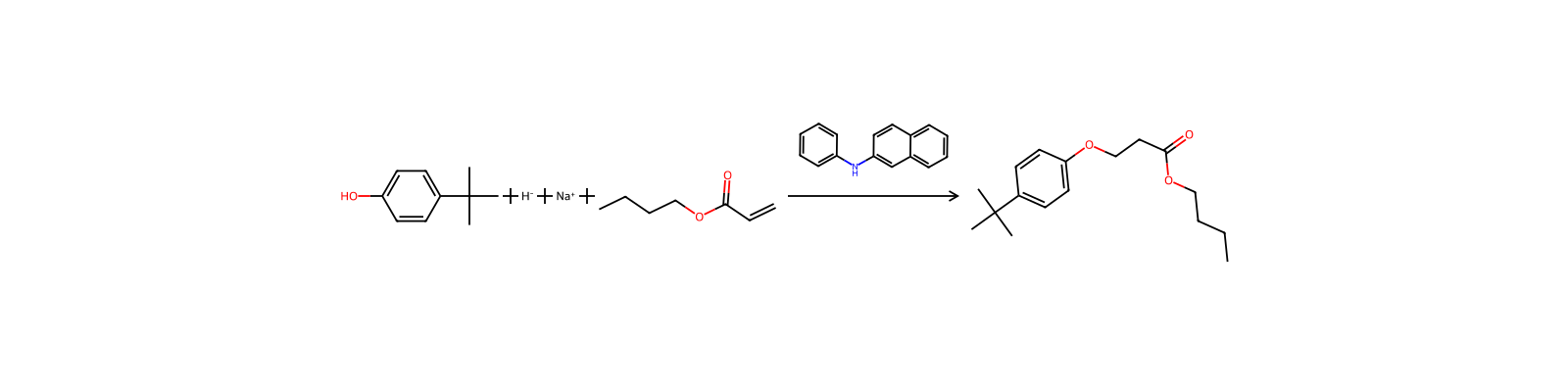
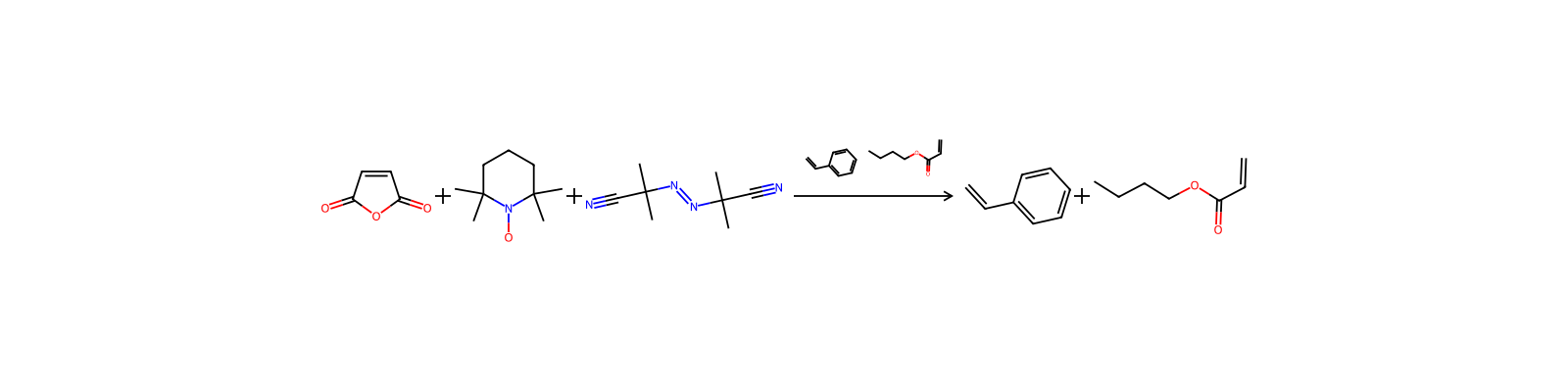
458





Verknüpfte Notizen
Wird geladen…