

Grundinformationen
- Standard-SMILES
C1=CCCC1- InChIKey
LPIQUOYDBNQMRZ-UHFFFAOYSA-N- Summenformel
- C5H8
- Durchschnittliche Molmasse
- 68,12 g/mol
- Monoisotopische Masse
- 68,06260026
Überblick
Cyclopentene appears as a colorless liquid. Less dense than water and insoluble in water. Flash point below 0 °F. Vapors heavier than air. Inhalation of high concentrations may be narcotic. Used to make rubber and plastics.
Namen und Bezeichner
- Bevorzugter Name
- Cyclopentene
- IUPAC
- cyclopentene
- Lokaler Name
- Cyclopenten
- Englischer Name
- Cyclopentene
- Summenformel
- C5H8
- Molmasse
- 68.12
Namen und Synonyme
CYCLOPENTENE142-29-01-CyclopenteneDTXSID6029171UNII-ONM2CKV81ZONM2CKV81ZNSC 5160EINECS 205-532-9UN2246NSC-5160DTXCID609171CHEBI:49155
Weitere Namen anzeigen
CyclopentenopenteneCyclopcntenCyclopentene >Cyclopentene, 98+%CYCLOPENTENE, STAB.Cyclopentene, tech.Cyclopentene, tech., ≥95%
EC 205-532-9RefChem:129879205-532-9InChI=1/C5H8/c1-2-4-5-3-1/h1-2H,3-5HLPIQUOYDBNQMRZ-UHFFFAOYSA-NC5H8MFCD0000139429300-20-7
Datenbank-Bezeichner
- CAS
142-29-0- PubChem CID
- 8882
- DTXSID
DTXSID6029171- ChEMBL
CHEMBL1797299- ChEBI
CHEBI:49155- UNII
- ONM2CKV81Z
- EC Number
- 205-532-9
- Nikkaji
- J34.912G
Eigenschaften
Berechnete Struktureigenschaften
- XLogP
- 1,9
- Polarare Oberfläche (TPSA)
- 0 Ų
- H-Brücken-Donoren
- 0
- H-Brücken-Akzeptoren
- 0
- Frei drehbare Bindungen
- 0
- Schwere Atome
- 5
- Formalladung
- 0
- Komplexität
- 38
Experimentelle und physikochemische Eigenschaften
Chemical Classes
Other Classes -> Aliphatics, Unsaturated
Flammable agents - 3rd degree
SpringerMaterials PropertiesSchoenflies notation
Density0.774 (USCG, 1999) - Less dense than water; will float
Flash Point-30 °F (USCG, 1999)
Boiling Point112 °F at 760 mmHg (USCG, 1999)
Melting Point-211 °F (USCG, 1999)
Vapor Pressure380.0 [mmHg]
Physical Description
Cyclopentene appears as a colorless liquid. Less dense than water and insoluble in water. Flash point below 0 °F. Vapors heavier than air. Inhalation of high concentrations may be narcotic. Used to make rubber and plastics.
Liquid
Colorless liquid; [CAMEO] Odor like gasoline; [FAHG] Slightly sweetish odor; [Alfa Aesar MSDS]
Physikochemische Eigenschaften
- Schmelzpunkt
- 135 °C · −135 °C(lit.)
- Siedepunkt
- 44 · 44-46 °C(lit.)
- Dichte
- 0.771 g/mL · 0.771 g/mL at 25 °C(lit.)
- Dampfdruck
- 20.89 psi · 20.89 psi ( 55 °C)
- Brechungsindex
- 20 · n20/D 1.421(lit.)
- Flammpunkt
- 30 °F · <−30 °F
- storage temp.
- 0 · 0-6°C
- Löslichkeit
- 0.535 g/L · water: soluble0.535g/L at 25°C
- Aggregatzustand
- Liquid
- Wichte
- 0.771 · 0.771
- Farbe
- Colorless
- Wasserlöslichkeit
- immiscible
- Spezifische Wärmekapazität
- 1.8 J/ · Cp(liquid): 1.8 J/(g·K), at 25℃
- BRN
- 635707 · 635707
- Henry's Law Constant
- 6.3 x · 6.3 x 10-2 atmm3/mol at 25 °C (Hine and Mookerjee, 1975)
- Stabilität
- Stable. Highly flammable. Incompatible with strong oxidizing agents. Store cold.
- InChI
- 1S/C5H8/c1-2-4-5-3-1/h1-2H,3-5H2
- InChIKey
- LPIQUOYDBNQMRZ-UHFFFAOYSA-N
- SMILES
- C1CC=CC1
- LogP
- 2.47 at · 2.47 at 25℃
- CAS Datenbank
- 142 · 142-29-0(CAS DataBase Reference)
- NIST chemische Informationen
- Cyclopentene(142-29-0)
- EPA chemische Informationen
- Cyclopentene (142-29-0)
Sicherheit und Regulatorisches
GHS-Klassifizierung
GHS Classification
Danger
H225 (100%): Highly Flammable liquid and vapor [Danger Flammable liquids]
P210, P233, P240, P241, P242, P243, P261, P264, P264+P265, P270, P271, P273, P280, P301+P316, P301+P317, P302+P352, P303+P361+P353, P304+P340, P305+P351+P338, P317, P319, P321, P330, P331, P332+P317, P337+P317, P362+P364, P370+P378, P403+P233, P403+P235, P405, and P501 (click each P-code to see the statement)
Aggregated GHS information provided per 190 reports by companies from 12 notifications to the ECHA C&L Inventory. Each notification may be associated with multiple companies.
Danger
H225: Highly Flammable liquid and vapor [Danger Flammable liquids]
Gefahrenhinweise
Regulatory Information
Chemical: Cyclopentene
Cyclopentene is listed on the EPA's Chemical Data Reporting (CDR) system. Manufacturers and importers of Cyclopentene are required to report information about their production and use of this chemical to the EPA under the Toxic Substances Control Act (TSCA). (40 eCFR Part 711)
Status: Active Update: 25-02-2021 https://echa.europa.eu/registration-dossier/-/registered-dossier/27532
Cyclopentene: Does not have an individual approval but may be used under an appropriate group standard
The New Jersey Worker and Community Right to Know Act requires public and private employers to provide information about hazardous substances at their workplaces. (N.J.S.A. 34:5A-1 et. seq.)
DOT LabelFlammable Liquid
Fire Hazards
Special Hazards of Combustion Products: Vapor may travel considerable distance to a source of ignition and flashback. Explosion may occur under fire condition. (USCG, 1999)
· HIGHLY FLAMMABLE: Will be easily ignited by heat, sparks or flames.
Health Hazards
May be harmful by inhalation, ingestion, or skin absorption. May cause eye and skin irritation. (USCG, 1999)
CAUTION: Petroleum crude oil (UN1267) may contain TOXIC hydrogen sulphide gas.
Hazards Summary
May polymerize; High vapor concentrations may have narcotic effects; [CAMEO] May cause smarting and reddening of skin if spilled and allowed to remain on clothes; High vapor concentrations may cause mild smarting of eyes and respiratory system, dizziness, and loss of consciousness; [CHRIS] An irritant that can cause skin burns on prolonged contact; [FAHG] May form explosive peroxides; An irritant; Harmful by ingestion (may cause lung damage by aspiration); Inhalation may cause dizziness or drowsiness; Harmful by ingestion and skin absorption; [Alfa Aesar MSDS] See 1-Pentene.
DOT ID and Guide2246 128
Reactive GroupHydrocarbons, Aliphatic Unsaturated
Reactivity AlertsHighly Flammable
Reactivity Profile
CYCLOPENTENE may react vigorously with strong oxidizing agents. May react exothermically with reducing agents to release hydrogen gas. In the presence of various catalysts (such as acids) or initiators, may undergo exothermic addition polymerization reactions.
DOT Hazard Classification
Cyclopentene
UN2246
Class 3 Flammable and combustible liquid (49 eCFR § 173.120)
PG II: the degree of danger presented by the material is medium
Air and Water ReactionsHighly flammable. Insoluble in water.
Peroxide Forming Chemical
Cyclopentene
B: Compounds that form peroxides on concentration (distillation/evaporation)
Clark
Sicherheit und Schutzausrüstung
Fire FightingExcerpt from ERG Guide 128 [Flammable Liquids (Water-Immiscible)]:
Accidental Release Measures
· CALL 911. Then call emergency response telephone number on shipping paper. If shipping paper not available or no answer, refer to appropriate telephone number listed on the inside back cover.
· ELIMINATE all ignition sources (no smoking, flares, sparks or flames) from immediate area.
First Aid
INHALATION: Call a physician. If inhaled, remove victim to fresh air. If not breathing, give artificial respiration. If breathing is difficult, give oxygen.
General First Aid:
Exposure Control and Personal Protection· Wear positive pressure self-contained breathing apparatus (SCBA).
Nonfire Spill ResponseExcerpt from ERG Guide 128 [Flammable Liquids (Water-Immiscible)]:
Isolation and Evacuation
Excerpt from ERG Guide 128 [Flammable Liquids (Water-Immiscible)]:
Immediate precautionary measure
Personal Protective Equipment (PPE)Self-contained breathing apparatus and protective clothing. (USCG, 1999)
Emergency Response Planning GuidelinesCAUTION: The majority of these products have a very low flash point. Use of water spray when fighting fire may be inefficient.
Toxikologische Informationen
Adverse EffectsNeurotoxin - Acute solvent syndrome
Toxicity DataLCLo (rat) = 16,000 ppm/4hr
Sicherheitsdaten
- F
- 10-23
- wgk
- 3
- tsca
- TSCA listed
- ridadr
- UN 2246
- hs_code
- 29021990
- RTECS-Nr.
- GY5950000
- risk_code
- 11-21/22-36/37/38-65-67-52/53-38
- Toxizität
- Acute oral LD50 for rats is 1,656 mg/kg (quoted, RTECS, 1985).
- hazard_code
- F,Xn
- safety_code
- 9-16-26-33-36-62-61-36/37
- hazard_class
- 3
- packing_group
- II
- Speicherklasse
- 3 - Flammable liquids
- Hazard Classifications
- Acute Tox. 4 DermalAcute Tox. 4 OralAsp. Tox. 1Flam. Liq. 2Skin Irrit. 2
- Selbstentzündungstemperatur
- 743 °F
Chemie und Industrie
Verwendung und Herstellung
UsesUsed to make rubber and plastics; [CAMEO]
U.S. Production2023: 50,000,000 - <100,000,000 lb
Consumer UsesOther
Industry UsesOther
General Manufacturing Information
Petrochemical Manufacturing
Cyclopentene: ACTIVE
Anwendungen
VerwendenCyclopentene is a cycloalkene that is cyclopentane having one endocyclic double bond. Vapors heavier than air. Inhalation of high concentrations may be narcotic. Used to make rubber and plastics. Neopentyl phosphine ligand catalyzed Heck coupling of cyclopentene has been reported. Mechanism of reaction of ground state oxygen atom with cyclopentene has been investigated. Homopolymerization of cyclopentene has been reported. Photocatalytic oxidation of cyclopentene over various titanium(IV) oxide catalyst has been reported. Cyclopentene was used to investigate the [2+2] cycloaddition of diamond (001) surfaces with alkene.
Darstellung
synthetischeCyclopentene is synthesized by selective hydrogenation of cyclopentadiene or by dehydration of cyclopentanol. It is produced industrially in large amounts by steam cracking of naphtha. Cyclopentene is present in coal tar, cigarette smoke, and automobile emissions.
Vor- und nachgelagerte Produkte
Vorgelagerte Rohstoffe
Nachgelagerte Produkte
Anbieter50 Anbieter
国药集团化学试剂有限公司86-21-63210123 · [email protected]
梯希爱(上海)化成工业发展有限公司021-67121386 · [email protected]
上海阿拉丁生化科技股份有限公司400-6206333 13167063860 · [email protected]
山东春雨精细化工有限责任公司13561220159 · [email protected]
上海比阳实业有限公司+86-21-52699951; +8613917686115 · [email protected]
Wuhan Chemwonders Technology Inc.027-85778276 · [email protected]
武汉欣扬瑞和化学科技有限公司153-07155313 15307155313 · [email protected]
河北创海生物科技有限公司+86-86-13131129325 · [email protected]
T&W GROUP021-61551611 13296011611 · [email protected]
爱斯特(成都)生物制药股份有限公司+86-28-85122536 85324413 · [email protected]
Baoji Guokang Healthchem co.,ltd+8615604608665 15604608665 · [email protected]
Dayang Chem (Hangzhou) Co.,Ltd.+86-0571-88938639 17705817739 · [email protected]
淄博联碳化学有限公司0533-0533-13695336297 13695336297 · [email protected]
浙江荣大化工有限公司571-88086013
Syntechem Co.,Ltd[email protected]
上海迈瑞尔生化科技有限公司4006356688 18621169109 · [email protected]
北京华威锐科化工有限公司0757-86329057 18934348241 · [email protected]
阿法埃莎(中国)化学有限公司400-6106006 · [email protected]
安耐吉化学&3A(安徽泽升科技股份有限公司)400-0056266 · [email protected]
广东云星生物技术有限公司0751-18902340975/189023400307 18902340307 · [email protected]
上海瀚鸿科技股份有限公司021-54306202 13764082696 · [email protected]
山东昱轩化工产品有限公司15315790065 15315790065 · [email protected]
上海景颜化工科技有限公司13817811078 · [email protected]
池州捷峰生物科技有限公司0566-8928158 · [email protected]
上海比阳实业有限公司+86-15021878111 · [email protected]
上海忆嵘生物科技有限公司18049974220 · [email protected]
山东西亚化学有限公司13355009207 13355009207 · [email protected]
玛雅试剂+86 (573) 82222445 (0)18006601000 452520369 · [email protected]
四川库利南科技有限公司400-1166-196 18981987031 · [email protected]
天津希恩思生化科技有限公司400 638 7771 · [email protected]
Xiamen AmoyChem Co., Ltd+86-86-5926051114 · [email protected]
Hebei Qige Biological Technology Co. Ltd+86 +8618733132031
斯百全化学(上海)有限公司021-021-021-67601398-809-809-809 15221380277 · [email protected]
艾科试剂4008-755-333 18080918076 · [email protected]
上海思域化工科技有限公司86-21-34053660 · [email protected]
赛默飞世尔科技(中国)有限公司800-810-5118 · [email protected]
TCI AMERICA800-4238616 · [email protected]
TOKYO CHEMICAL INDUSTRY CO., LTD.03-36680489 · [email protected]
TCI Europe320-37350700 · [email protected]
上海贤鼎生物科技有限公司4009209199 · [email protected]
北京环宇世纪化学科技有限公司hysj_bj.com
上海将来实业股份有限公司400-0066400 13621662912 · [email protected]
上海将来实业股份有限公司021-61552785 · [email protected]
江苏汇鸿国际集团鸿金贸易有限公司+86-025-84522992 84524602 13805186390 · [email protected]
美岚实业(上海)有限公司021-58958189 · [email protected]
上海石洋化工有限公司021-56795766 · [email protected]
上海爱蝶实业有限公司021-58957966 18930537195 · [email protected]
成都零六生物科技有限公司400-1166-196 13458535857 · [email protected]
广拓化学(上海)有限公司021-60899189-8001 18918189673 · [email protected]
雷丁试剂0510-85629785 18013409632 · [email protected]
Ergänzende Hinweise
DefinitionChEBI: Cyclopentene is a cycloalkene that is cyclopentane having one endocyclic double bond.
Zugehörige Reaktionen
77
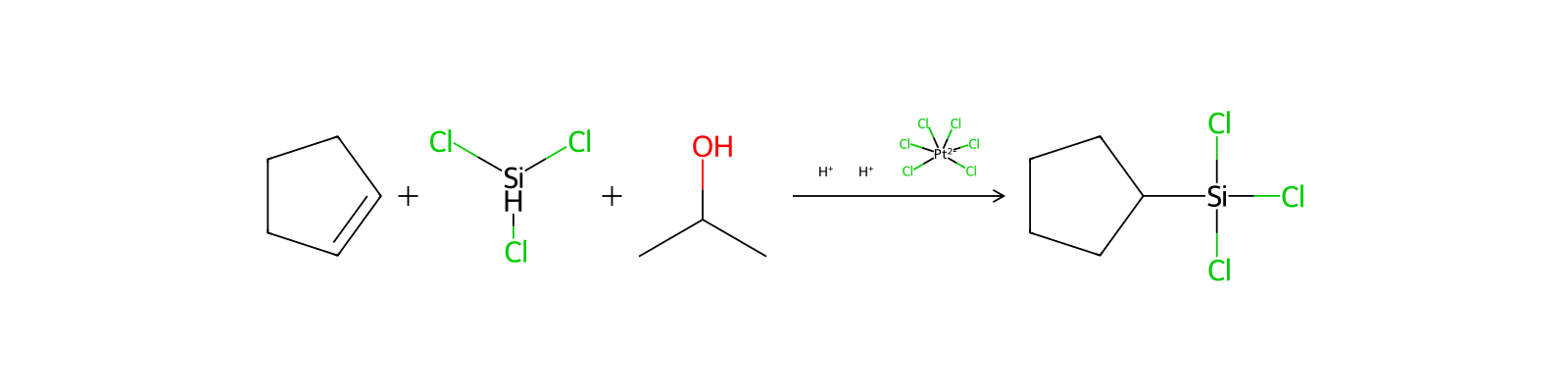


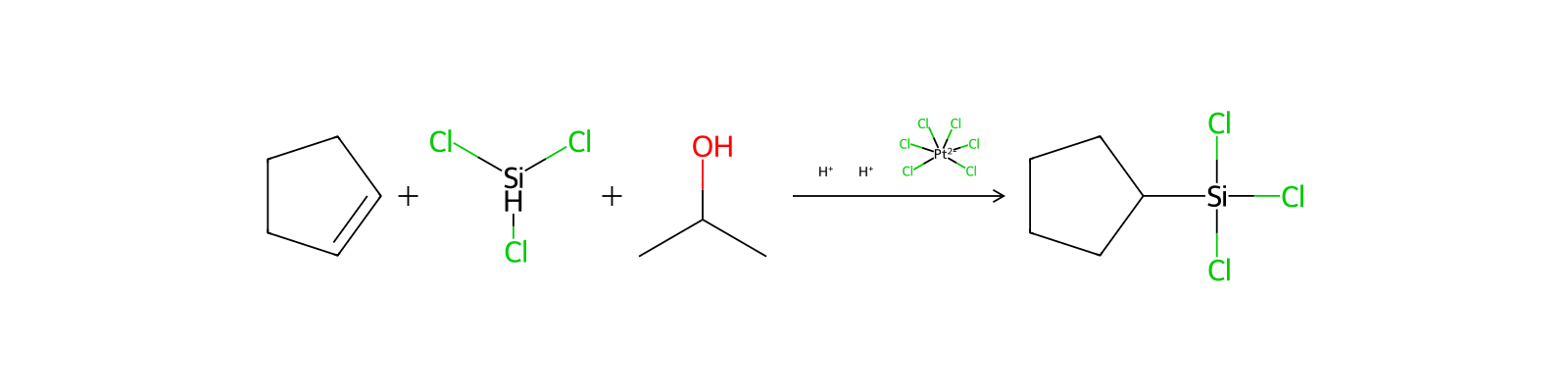
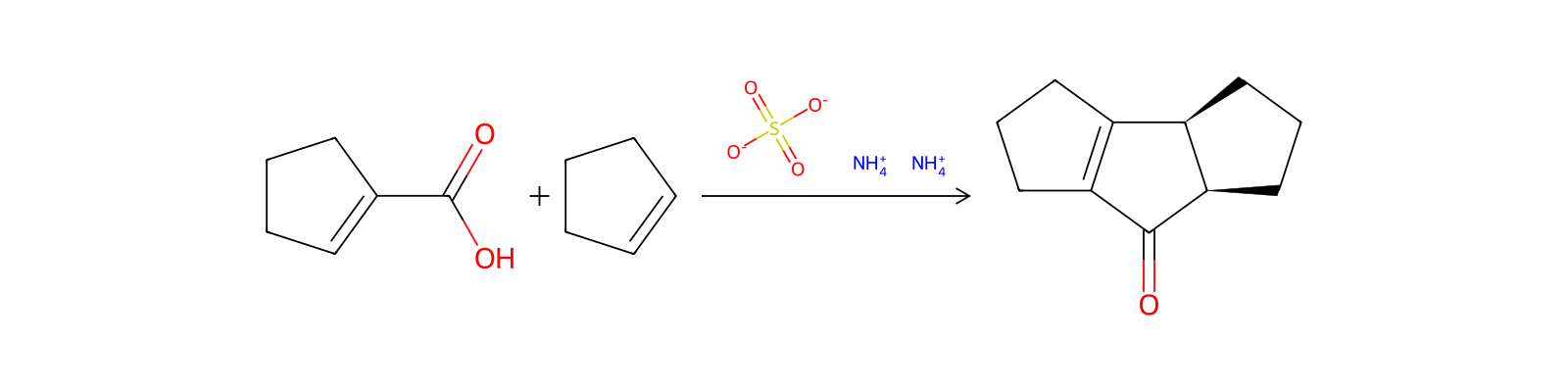


Verknüpfte Notizen
Wird geladen…