StartseiteMCPWorkbenchSkills
StartseiteWorkbenchBenachrichtigungenMein Bereich
llms.txt · MCP-AnleitungDatenschutz · Nutzungsbedingungen · Supportv1.8.0
  1. Startseite
  2. /Verbindung

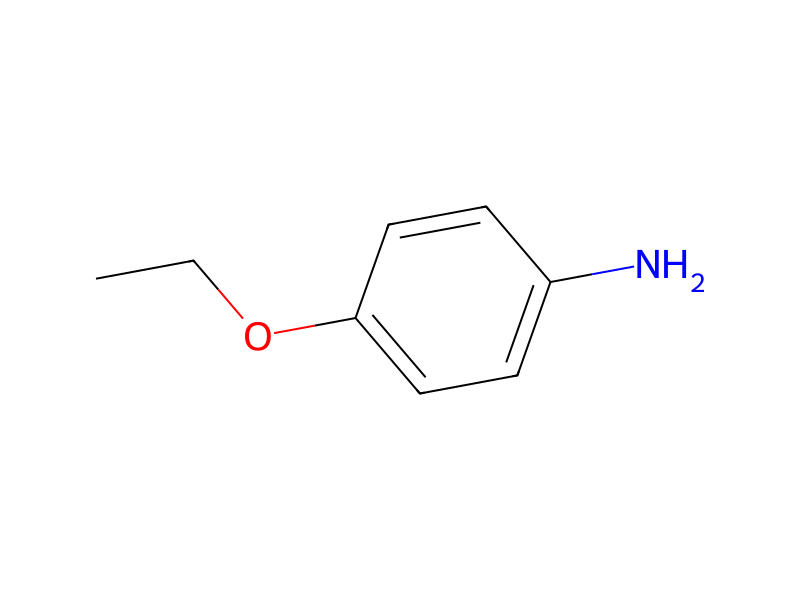
4-Ethoxyanilin

4-Ethoxyaniline

HCID 9076
Neue NotizNeue ReaktionAnfrage stellen
Druckvorschau

Daten werden ergänzt – lade die Seite später neu, um den aktuellen Stand zu sehen
GrundinformationenÜberblickNamen und BezeichnerEigenschaftenSicherheit und RegulatorischesChemie und IndustrieZugehörige ReaktionenNotizen zur Verbindung
TeilstruktursucheÄhnliche Strukturen suchen

Grundinformationen

CAS
156-43-4
Standard-SMILES
CCOc1ccc(N)cc1
InChIKey
IMPPGHMHELILKG-UHFFFAOYSA-N
Summenformel
C8H11NO
Durchschnittliche Molmasse
137,18 g/mol
Monoisotopische Masse
137,08406397

Überblick

P-phenetidine is a colorless to dark red liquid. (NTP, 1992)

Namen und Bezeichner

Bevorzugter Name
4-Ethoxyaniline
IUPAC
4-ethoxyaniline
Lokaler Name
4-Ethoxyanilin
Englischer Name
Phenetidine
Summenformel
C8H11NO
Molmasse
137.18

Namen und Synonyme

p-Phenetidine4-ETHOXYANILINE156-43-4Phenetidine4-Aminophenetolep-Ethoxyanilinep-Phenetidinp-AminophenetoleBenzenamine, 4-ethoxy-Phenethidine1-Amino-4-ethoxybenzeneAniline, p-ethoxy-
Weitere Namen anzeigen
PARA PHENETIDINEethoxyanilinep-Aminophenolethylether4-EthoxyanilinPARA-PHENETIDIN
4-Phenetidine4-AminoethoxybenzeneEthyl p-aminophenolDTXSID00258649TSL224ZSECP 5685NSC-3116DTXCID505864

Datenbank-Bezeichner

CAS
156-43-4
PubChem CID
9076
DTXSID
DTXSID0025864
ChEMBL
CHEMBL250969
ChEBI
CHEBI:85505
UNII
9TSL224ZSE
EC Number
205-855-5
Nikkaji
J2.032J

Eigenschaften

Berechnete StruktureigenschaftenWird ergänzt

XLogP
1,2
Polarare Oberfläche (TPSA)
35,3 Ų
H-Brücken-Donoren
1
H-Brücken-Akzeptoren
2
Frei drehbare Bindungen
2
Schwere Atome
10
Formalladung
0
Komplexität
87,3

Experimentelle und physikochemische Eigenschaften

Chemical ClassesNitrogen Compounds -> Amines, Aromatic
SpringerMaterials PropertiesBoiling point
LogP · 2 Einträge

1.24

1.24

Density · 3 Einträge

1.0652 at 61 °F (NTP, 1992) - Denser than water; will sink

1.1 g/cm³

Relative density of the vapour/air-mixture at 20 °C (air = 1): 1.0

Solubility · 2 Einträge

5 to 10 mg/mL at 68 °F (NTP, 1992)

Solubility in water, g/100ml at 20 °C: 2 (moderate)

Flash Point · 2 Einträge

240 °F (NTP, 1992)

120 °C c.c.

Boiling Point · 2 Einträge

482 °F at 760 mmHg (NTP, 1992)

253-255 °C

Melting Point · 2 Einträge

36 to 39 °F (NTP, 1992)

2.4 °C

Sicherheit und Regulatorisches

Sicherheitsangaben dienen nur zur Orientierung und ersetzen weder das Sicherheitsdatenblatt (SDB) des Lieferanten noch geltende Vorschriften oder eine fachliche Bewertung.

GHS-Klassifizierung

GHS Classification · 6 Einträge

Warning

H302: Harmful if swallowed [Warning Acute toxicity, oral]

P203, P261, P264, P264+P265, P270, P271, P272, P280, P301+P317, P302+P352, P304+P340, P305+P351+P338, P317, P318, P321, P330, P333+P317, P337+P317, P362+P364, P405, and P501 (click each P-code to see the statement)

Warning

H302 (100%): Harmful if swallowed [Warning Acute toxicity, oral]

P203, P261, P264, P264+P265, P270, P271, P272, P280, P301+P317, P302+P352, P304+P340, P305+P351+P338, P317, P318, P321, P330, P333+P317, P337+P317, P362+P364, P405, and P501 (click each P-code to see the statement)

Gefahrenhinweise

Regulatory Information · 4 Einträge

Chemical: Benzenamine, 4-ethoxy-

Benzenamine, 4-ethoxy- is listed on the EPA's Chemical Data Reporting (CDR) system. Manufacturers and importers of Benzenamine, 4-ethoxy- are required to report information about their production and use of this chemical to the EPA under the Toxic Substances Control Act (TSCA). (40 eCFR Part 711)

REACH registered substance: p-phenetidine (EC: 205-855-5)

Phenetidine: Does not have an individual approval but may be used under an appropriate group standard

Other Safety InformationIMAP assessments - Benzenamine, 4-ethoxy-: Human health tier II assessment
DOT LabelPoison
Fire Hazards · 2 Einträge

This compound is combustible. (NTP, 1992)

Combustible.

Health HazardsSYMPTOMS: Symptoms of exposure to this compound may include cyanosis, hypothermia, headache, drowsiness, vomiting, nephritis and irritation of the alimentary tract.

Chemie und Industrie

Verwendung und Herstellung

UsesUsed to make acetophenetidine, phenocoll, dulcin, and dyes; [Merck Index] Used to make fine chemicals; [ExPub: ECHA REACH Registrations]
U.S. Production2023: 50,000 - <250,000 lb
Industry UsesOther
General Manufacturing Information · 2 Einträge

Explosives Manufacturing

Benzenamine, 4-ethoxy-: ACTIVE

Anwendungen

VerwendenA toxic metabolite of Phenacetin (P294580) which exhibits high renal toxicity. p-Phenetidine also reduced COX-1 and COX-2 expression in neutrophils.

Vor- und nachgelagerte Produkte

Vorgelagerte Rohstoffe

1-Chlor-4-nitrobenzolEthanolDinatriumsulfid4-Nitrophenetol4-AminophenolMethanolNatriumhydroxid

Nachgelagerte Produkte

AethoxidumHydrogen[4-[4-(p-ethoxyanilino)-4'-[ethyl(m-sulfonatobenzyl)amino]benzhydrylen]cyclohexa-2,5-dien-1-yliden](ethyl)(m-sulfonatobenzyl)ammonium, Mononatriumsalz

Zugehörige Reaktionen

258
Reaktionsaufzeichnung erstellen
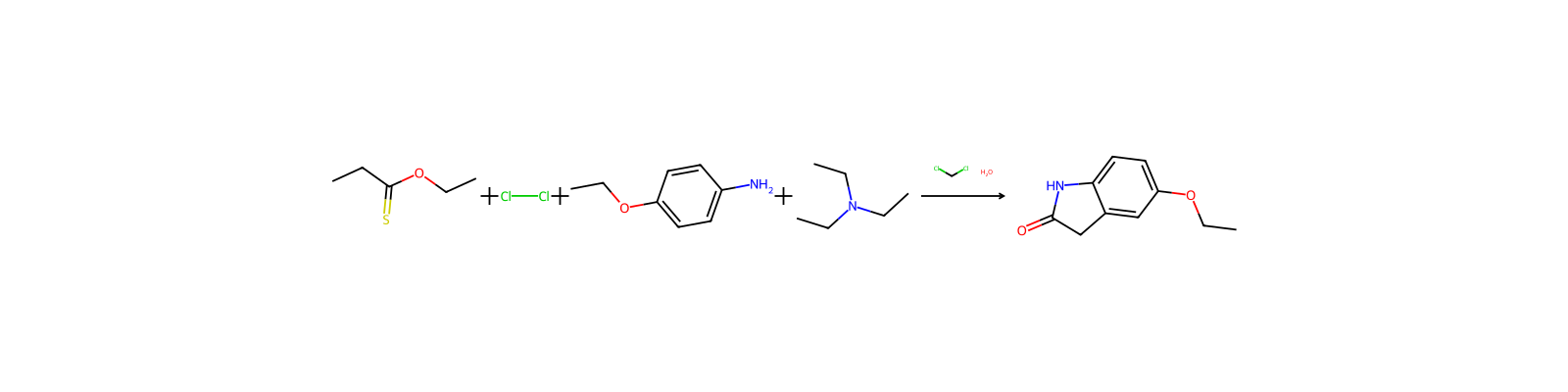
Reaktionsgleichung von HRID 1814
HRID 1814als Eduktuspto-grants-1998_03
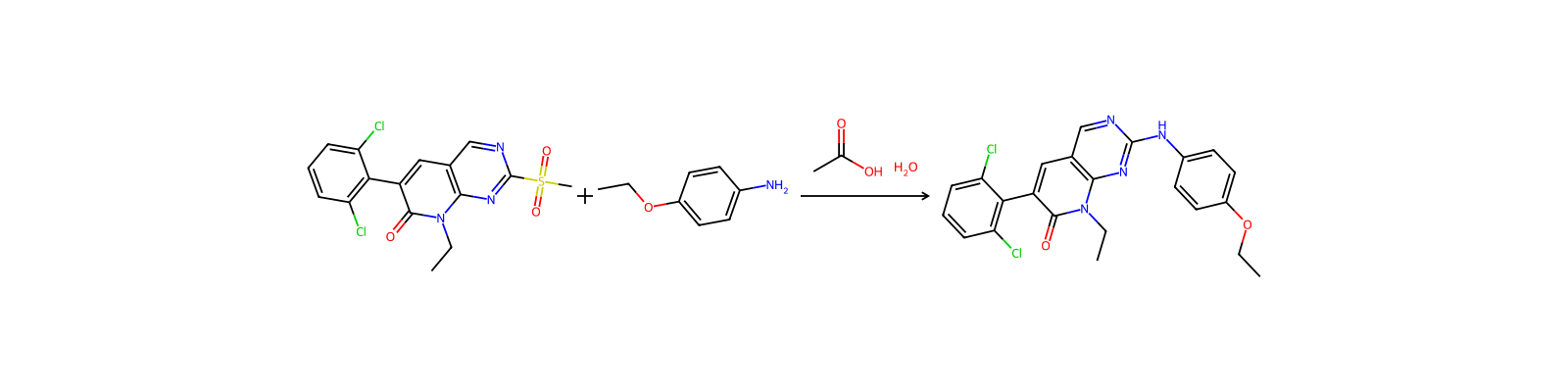
Reaktionsgleichung von HRID 2197
HRID 2197als Eduktuspto-grants-1998_03
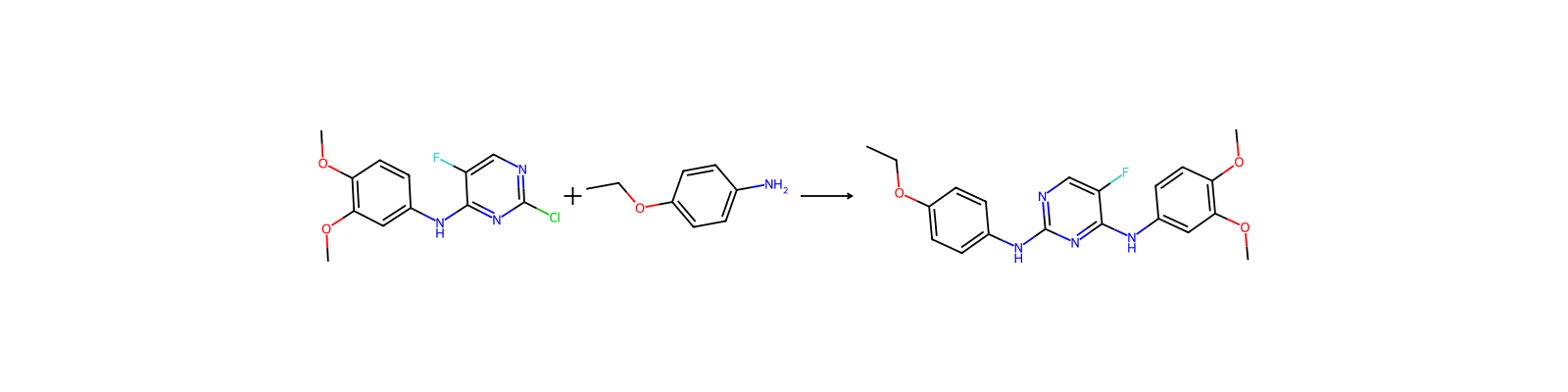
Reaktionsgleichung von HRID 3205
HRID 3205als Eduktuspto-grants-1998_03
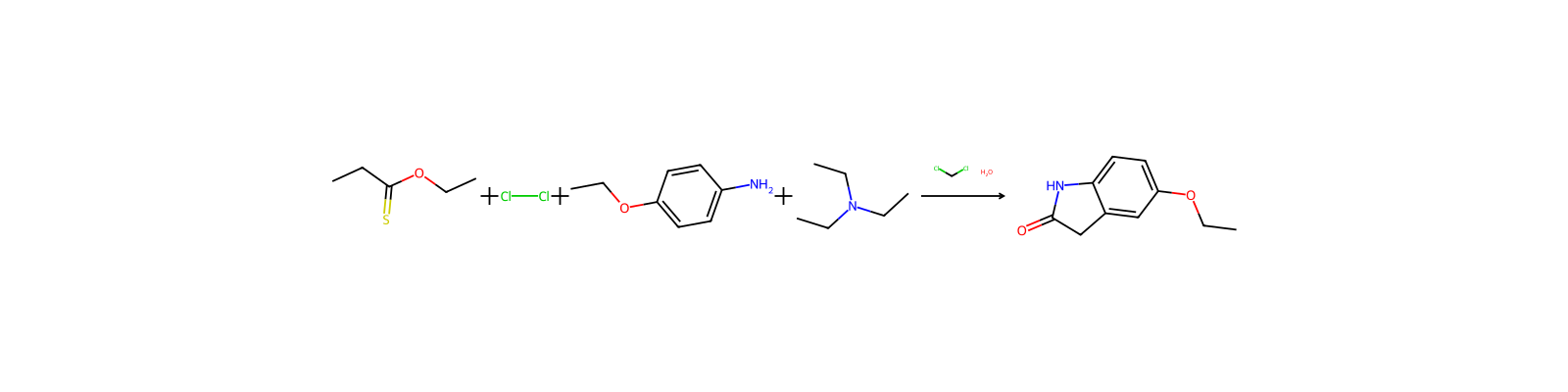
Reaktionsgleichung von HRID 53250
HRID 53250als Eduktuspto-grants-1997_04
Reaktionsgleichung von HRID 71291
HRID 71291als Eduktuspto-grants-2014_09
Reaktionsgleichung von HRID 71351
HRID 71351als Eduktuspto-grants-2014_09
Reaktionsgleichung von HRID 71381
HRID 71381als Eduktuspto-grants-2014_09
Reaktionsgleichung von HRID 71489
HRID 71489als Eduktuspto-grants-2014_09
Seite 1 von 33

Notizen zur Verbindung

Wird geladen…

Auf dieser SeiteGrundinformationenÜberblickNamen und BezeichnerEigenschaftenSicherheit und RegulatorischesChemie und IndustrieZugehörige ReaktionenNotizen zur Verbindung
Weitere Aktionen
Neue NotizNeue ReaktionAnfrage stellen
Vapor Density · 2 Einträge

4.73 (NTP, 1992) - Heavier than air; will sink (Relative to Air)

Relative vapor density (air = 1): 4.7

Vapor Pressure · 3 Einträge

3.48 mmHg at 77 °F (NTP, 1992)

0.01 [mmHg]

Vapor pressure, Pa at 50 °C: 10

Physical Description · 4 Einträge

P-phenetidine is a colorless to dark red liquid. (NTP, 1992)

CBI

Colorless liquid; Turns red to brown on air and light exposure; [Merck Index] Brown liquid with an unpleasant odor; [Alfa Aesar MSDS]

COLOURLESS LIQUID. TURNS DARK RED ON EXPOSURE TO AIR AND LIGHT.

Collision Cross Section139.8 Ų [M+H]+ [CCS Type: DT; Buffer gas: N2; Ionization: ESI+; Dataset: TOXCAST; Source Identifier: DTXSID0025864]

Physikochemische Eigenschaften

Schmelzpunkt
2 · 2-5 °C(lit.)
Siedepunkt
250 °C · 250 °C(lit.)
Dichte
1.065 g/mL · 1.065 g/mL at 25 °C(lit.)
Dampfdruck
2.93 Pa · 2.93Pa at 25℃
Brechungsindex
20 · n20/D 1.559(lit.)
Flammpunkt
240 °F · 240 °F
storage temp.
2 · 2-8°C
Löslichkeit
20 g/l · 20g/l
pka
5.2 · 5.2(at 28℃)
Aggregatzustand
A liquid
Farbe
Clear Yellow
PH
8 · 8 (1g/l, H2O, 20℃)
Wasserlöslichkeit
practically insoluble
Merck
14 · 14,7228
BRN
606666 · 606666
Dielectric constant
7.3 · 7.3(21℃)
Stabilität
Stable, but light and air sensitive. Combustible. Incompatible with strong oxidizing agents.
Kosmetik-Inhaltsstoffe Funktionen
HAIR DYEING
InChI
1S/C8H11NO/c1-2-10-8-5-3-7(9)4-6-8/h3-6H,2,9H2,1H3
InChIKey
IMPPGHMHELILKG-UHFFFAOYSA-N
SMILES
CCOc1ccc(N)cc1
CAS Datenbank
156 · 156-43-4(CAS DataBase Reference)
NIST chemische Informationen
4 · 4-Ethoxyaniline(156-43-4)
EPA chemische Informationen
p-Phenetidine (156-43-4)
Hazards Summary · 1 Eintrag

An eye irritant; May induce methemoglobinemia; [ICSC] Causes methemoglobinemia in repeated-dose oral studies of rats; [RTECS] Toxic by ingestion, inhalation, and skin absorption; May cause contact irritation, cyanosis, hypothermia, headache, drowsiness, vomiting, nephritis, and alimentary tract irritation; [NTP] Case report of methemoglobinemia from occupational exposure; Sensitizing in 2 of 3 maximization tests of guinea pigs; Not a lung sensitizer in guinea pigs; Some evidence of skin sensitization in humans; [IUCLID] A strong eye irritant; May cause skin sensitization; Harmful by ingestion, inhalation, and skin absorption; Suspected mutagen; [Alfa Aesar MSDS] See m-Phenetidine. See p-Anisidine.

Reactive GroupEthers
EC ClassificationSymbol: Xn; R: 20/21/22-36-43-68; S: (2)-36/37-46
UN ClassificationUN Hazard Class: 6.1; UN Pack Group: III
Reactivity ProfileP-PHENETIDINE reacts vigorously with powerful oxidizers.
Chemical DangersOn combustion, forms nitrogen oxides. Reacts with strong oxidants.
Physical DangersThe vapour mixes well with air, explosive mixtures are easily formed.

Sicherheit und Schutzausrüstung

Fire Fighting · 2 Einträge

Fires involving this material can be controlled with a dry chemical, carbon dioxide or Halon extinguisher. (NTP, 1992)

Use powder, alcohol-resistant foam, water spray, carbon dioxide.

First Aid Measures · 4 Einträge

Fresh air, rest.

Remove contaminated clothes. Rinse and then wash skin with water and soap.

Rinse with plenty of water (remove contact lenses if easily possible).

Rinse mouth. Seek medical attention if you feel unwell.

First Aid · 1 Eintrag

EYES: First check the victim for contact lenses and remove if present. Flush victim's eyes with water or normal saline solution for 20 to 30 minutes while simultaneously calling a hospital or poison control center. Do not put any ointments, oils, or medication in the victim's eyes without specific instructions from a physician. IMMEDIATELY transport the victim after flushing eyes to a hospital even if no symptoms (such as redness or irritation) develop.

Safe StorageSeparated from strong oxidants and food and feedstuffs.
Nonfire Spill Response · 1 Eintrag

SMALL SPILLS AND LEAKAGE: If you spill this chemical, FIRST REMOVE ALL SOURCES OF IGNITION. Then, use absorbent paper to pick up all liquid spill material. Your contaminated clothing and absorbent paper should be sealed in a vapor-tight plastic bag for eventual disposal. Solvent wash all contaminated surfaces with 60-70% ethanol followed by washing with a soap and water solution. Do not reenter the contaminated area until the Safety Officer (or other responsible person) has verified that the area has been properly cleaned.

Spillage Disposal · 1 Eintrag

Personal protection: filter respirator for organic gases and vapours adapted to the airborne concentration of the substance. Collect leaking liquid in sealable containers. Absorb remaining liquid in sand or inert absorbent. Then store and dispose of according to local regulations.

Isolation and EvacuationExcerpt from ERG Guide 153 [Substances - Toxic and/or Corrosive (Combustible)]:
Eye PreventionWear safety goggles.
Fire PreventionNO open flames.
Inhalation RiskNo indication can be given about the rate at which a harmful concentration of this substance in the air is reached on evaporation at 20 °C.
Skin PreventionProtective gloves.
Ingestion PreventionDo not eat, drink, or smoke during work.

Toxikologische Informationen

Adverse EffectsMethemoglobinemia - The presence of increased methemoglobin in the blood; the compound is classified as secondary toxic effect
Exposure RoutesThe substance can be absorbed into the body by inhalation of its vapour and by ingestion.
Signs and SymptomsRedness.
ICSC Environmental DataEnvironmental effects from the substance have not been investigated adequately.
Toxicity DataLCLo (rat) = 487 mg/m3/4hr

Sicherheitsdaten

F
8-10
wgk
1
tsca
TSCA listed
ridadr
UN 2311 (PHENETIDINES)
hs_code
29222200
RTECS-Nr.
SI6465500
risk_code
23/24/25-33-68-43-36-20/21/22
Toxizität
LD50 orl-rat: 580 mg/kg GISAAA 35(8),28,70
hazard_code
T,Xi,Xn
hazard_note
Irritant
safety_code
28-36/37-45-46
hazard_class
6.1
packing_group
III
Speicherklasse
6.1C - Combustible acute toxic Cat.3toxic compounds or compounds which causing chronic effects
Hazard Classifications
Acute Tox. 4 DermalAcute Tox. 4 InhalationAcute Tox. 4 OralEye Irrit. 2Muta. 2Skin Sens. 1
Hydrogen[4-[4-(p-ethoxyanilino)-4'-[ethyl(m-sulfonatobenzyl)amino]-2'-methylbenzhydrylen]-3-methylcyclohexa-2,5-dien-1-yliden](ethyl)(m-sulfonatobenzyl)ammonium, Mononatriumsalz
4'-Ethoxy-3-hydroxy-2-naphthanilid
Ethoxychin
Phenacetin
2-((4-ETHOXYPHENYL)AMINO)-4-NITROBENZOIC ACID
H-GLU-LYS-OH
4-ETHOXYBENZONITRILE
6-Ethoxy-2-methylchinolin
6-Ethoxybenzothiazol-2-ylamin
Hydrogen[4-[4-(p-ethoxyanilino)-4'-[ethyl(m-sulfonatobenzyl)amino]benzhydrylen]cyclohexa-2,5-dien-1-yliden](ethyl)(m-sulfonatobenzyl)ammonium, Mononatriumsalz
Hydrogen[4-[4-(p-ethoxyanilino)-4'-[ethyl(m-sulfonatobenzyl)amino]-2'-methylbenzhydrylen]-3-methylcyclohexa-2,5-dien-1-yliden](ethyl)(m-sulfonatobenzyl)ammonium, Mononatriumsalz
4'-Ethoxy-3-hydroxy-2-naphthanilid
Sulfanilamide, N4-(p-ethoxyphenyl)-3-nitro-
Natriumhydrogen-2-ethoxy-5-[[4-[[4-[(4-ethoxy-3-sulfonatophenyl)amino]phenyl]-(1H-indol-3-yl-1-methyl-2-phenyl)methylen]-2,5-cyclohexadien-1-yliden]amino]benzolsulfonat
4-[(4-Ethoxyphenyl)azo]naphthol
Mordant Yellow 38

Ergänzende Hinweise

DefinitionChEBI: An aromatic ether that is aniline in which the hydrogen at position 4 is replaced by an ethoxy group. It is a hydrolysis metabolite of phenacetin.