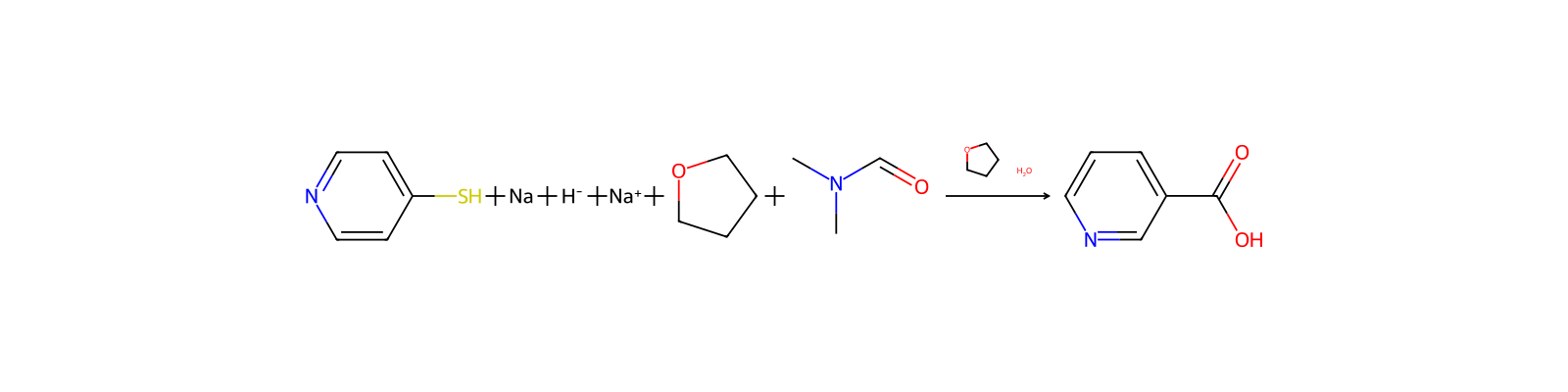

Grundinformationen
- Standard-SMILES
O=C(O)c1cccnc1- InChIKey
PVNIIMVLHYAWGP-UHFFFAOYSA-N- Summenformel
- C6H5NO2
- Durchschnittliche Molmasse
- 123,11 g/mol
- Monoisotopische Masse
- 123,0320284
Namen und Bezeichner
- Bevorzugter Name
- Nicotinic Acid
- IUPAC
- pyridine-3-carboxylic acid
- Lokaler Name
- Nicotinsure
- Englischer Name
- Nicotinic acid
- Summenformel
- C6H5NO2
- Molmasse
- 123.11
Namen und Synonyme
nicotinic acidniacin59-67-6Pyridine-3-carboxylic acid3-pyridinecarboxylic acid3-CarboxypyridineAkotinwampocapApelagrinPellagrinDaskilEfacin
Weitere Namen anzeigen
VITAMIN B3VB3nicotinicVitamin PPNICO3-PICOLINIC ACIDNiacPYRIDINE-3-CARBOXYLATE
NiaspanPeloninLinicNicylnicolarNicotinipcaNicacidNicangin
Datenbank-Bezeichner
- CAS
59-67-6- PubChem CID
- 938
- DTXSID
DTXSID1020932- ChEMBL
CHEMBL573- ChEBI
CHEBI:15940- UNII
- 2679MF687A
- EC Number
- 200-441-0
- Nikkaji
- J2.809F、J452.016E
Eigenschaften
Berechnete Struktureigenschaften
- XLogP
- 0,4
- Polarare Oberfläche (TPSA)
- 50,2 Ų
- H-Brücken-Donoren
- 1
- H-Brücken-Akzeptoren
- 3
- Frei drehbare Bindungen
- 1
- Schwere Atome
- 9
- Formalladung
- 0
- Komplexität
- 114
Experimentelle und physikochemische Eigenschaften
pHpH = 2.7 (saturated aq soln)
LogP
0.147
log Kow = 0.36
0.36
-2.43
LogS-0.84
OdorOdorless
TasteSour taste
Density
1.473 (NTP, 1992) - Denser than water; will sink
1.473 g/cu cm at 25 °C
1.5 g/cm³
Color/Form
Needles from alcohol or water
Colorless needles
Solubility
10 to 50 mg/mL at 63 °F (NTP, 1992)
18000
In water, 1.8X10+4 mg/L at 20 °C
Slightly soluble in water
Slightly soluble in ethanol, ethyl ether
Soluble in alcohol, insoluble in most lipid solvents
Flash Point
193 °C (379 °F) - closed cup
193 °C c.c.
Boiling Point
Sublimes (NTP, 1992)
292.4
Sublimes
Decomposition
Hazardous decomposition products formed under fire conditions - Carbon oxides, nitrogen oxides (NOx).
When heated to decomposition it emits toxic fumes of /nitrogen oxides/.
Melting Point
457 °F (NTP, 1992)
236-239
237 °C
Mol wt: 139.11. Needles; MP: 254-255 °C. Slightly soluble in cold water, more soluble in hot water, hot glacial acetic acid, hot methanol, less soluble in ethanol. Insoluble in light petroleum, benzene, chloroform. UV max (0.1N H2SO4): 220, 260 nm (epsilon 22400, 10200) /Nicotinic acid, 1-oxide/
236.6 °C
236.6 °C
Physikochemische Eigenschaften
- Schmelzpunkt
- 236 · 236-239 °C(lit.)
- Siedepunkt
- 260 C · 260C
- Dichte
- 1.473 · 1.473
- Brechungsindex
- 1.5423 · 1.5423 (estimate)
- Flammpunkt
- 193 °C · 193°C
- storage temp.
- 2 · 2-8°C
- Löslichkeit
- 18 g/l · 18g/l
- pka
- 4.85 · 4.85(at 25℃)
- Aggregatzustand
- Powder
- Farbe
- White to off-white
- PH
- 2.7 · 2.7 (18g/l, H2O, 20℃)
- Geruch (Odor)
- odorless to sl. odor, sour taste
- Biologische Quelle
- synthetic (organic)
- Wasserlöslichkeit
- 1 · 1-5 g/100 mL at 17 ºC
- Merck
- 14 · 14,6525
- BRN
- 109591 · 109591
- Henry's Law Constant
- 2.5 · 2.5×104 mol/(m3Pa) at 25℃, Abraham and Jr. (2019)
- BCS Class
- 3 · 3
- Stabilität
- Stable. Incompatible with strong oxidizing agents. May be light sensitive.
- Major Application
- agriculture
- Kosmetik-Inhaltsstoffe Funktionen
- SMOOTHINGANTISTATIC
- InChI
- 1S/C6H5NO2/c8-6(9)5-2-1-3-7-4-5/h1-4H,(H,8,9)
- InChIKey
- PVNIIMVLHYAWGP-UHFFFAOYSA-N
- SMILES
- OC(=O)c1cccnc1
- LogP
- 0.36 · 0.360
- CAS Datenbank
- 59 · 59-67-6(CAS DataBase Reference)
- NIST chemische Informationen
- Niacin(59-67-6)
- EPA chemische Informationen
- Nicotinic acid (59-67-6)
Sicherheit und Regulatorisches
GHS-Klassifizierung
GHS Classification
Warning
H319 (99.8%): Causes serious eye irritation [Warning Serious eye damage/eye irritation]
P264+P265, P280, P305+P351+P338, and P337+P317 (click each P-code to see the statement)
Aggregated GHS information provided per 554 reports by companies from 12 notifications to the ECHA C&L Inventory.;Information may vary between notifications depending on impurities, additives, and other factors. The percentage value in parenthesis indicates the notified classification ratio from companies that provide hazard codes. Only hazard codes with percentage values above 10% are shown. For more detailed information, please visit ECHA C&L website.
Gefahrenhinweise
Regulatory Information
Chemical: 3-Pyridinecarboxylic acid
3-Pyridinecarboxylic acid is listed on the EPA's Chemical Data Reporting (CDR) system. Manufacturers and importers of 3-Pyridinecarboxylic acid are required to report information about their production and use of this chemical to the EPA under the Toxic Substances Control Act (TSCA). (40 eCFR Part 711)
Status: Active Update: 25-07-2018 https://echa.europa.eu/registration-dossier/-/registered-dossier/10726;Status: Active Update: 17-07-2018 https://echa.europa.eu/registration-dossier/-/registered-dossier/20155
Niacin: Does not have an individual approval but may be used under an appropriate group standard
Other Safety InformationEvaluation - Chemicals that are unlikely to require further regulation to manage risks to human health;Evaluation - Chemicals that are unlikely to require further regulation to manage risks to environment
Fire Hazards
Flash point data for this chemical are not available; however, it is probably combustible. (NTP, 1992)
Combustible. Gives off irritating or toxic fumes (or gases) in a fire. Finely dispersed particles form explosive mixtures in air.
Health Hazards
SYMPTOMS: Symptoms of exposure to this compound include impaired liver function, dryness of the skin, anorexia, nausea, vomiting, diarrhea, activation of peptic ulcers, hepatic disease, hyperuricemia and circulatory collapse (after rapid intravenous injection). It may cause temporary flushing and a feeling of warmth, temporary headache, itching, tingling, skin rash and allergies. It may also cause burning of the skin, face and upper trunk and elevation of serum bilirubin. Other symptoms include mild irritation of upper respiratory tract and gastrointestinal disturbances. It may cause dyspepsia, hyperpigmentation, decrease in excretion of bromosulfophthalein, increase of plasma transaminase activities, incidence of acute gouty arthritis, acanthosis nigricans, hyperglycemia, increased vasodilation and cystoid edema of the macula. It may also cause furunculosis and other skin lesions, hypotension, abdominal cramps, mild diabetes and urticaria. Other symptoms include pruritus, toxic amblyopia, jaundice and decreased glucose tolerance.;ACUTE/CHRONIC HAZARDS: This compound may cause mild irritation to the upper respiratory tract. When heated to decomposition it may emit toxic fumes of NOx. (NTP, 1992)
Hazards Summary
A mild eye irritant; [ICSC] Flushing of the skin accompanied by itching, tingling, and warmness have been observed following occupational exposure; [IUCLID] Ingestion of large amounts, e.g., by drug abusers attempting to mask drugs in the urine, can cause vomiting, abdominal pain, dizziness, and hypoglycemia followed by persistent hyperglycemia, acidosis, hypotension, and coagulopathy; Also, chronic, excessive use may cause hepatitis; [Olson, p. 445-6] May cause mild upper respiratory tract irritation; [NTP] An irritant that may cause severe eye irritation; [Sigma-Aldrich MSDS] See Nicotinamide.
FDA Requirements
Substance added directly to human food affirmed as generally recognized as safe (GRAS).
Niacin used as a nutrient and/or dietary supplement in animal drugs, feeds, and related products is generally recognized as safe when used in accordance with good manufacturing or feeding practice.
The Approved Drug Products with Therapeutic Equivalence Evaluations identifies currently marketed prescription drug products, including niacin, approved on the basis of safety and effectiveness by FDA under sections 505 of the Federal Food, Drug, and Cosmetic Act.
Reactive GroupAcids, Carboxylic;Amines, Phosphines, and Pyridines
Special ReportsCosmetic Ingredient Review (CIR) Expert Panel; Final Report of the Safety Assessment of Niacinamide and Niacin; Intl J of Toxicology 24 (Suppl 5): 12 (2005)
Reactivity ProfileNICOTINIC ACID is incompatible with strong oxidizers. It is also incompatible with sodium nitrite. (NTP, 1992)
Chemical DangersOn combustion, forms toxic gases including nitrogen oxides. Reacts with oxidants, strong acids and bases.
Physical DangersDust explosion possible if in powder or granular form, mixed with air.
Air and Water ReactionsWater soluble.
Sicherheit und Schutzausrüstung
Fire Fighting
Fires involving this material can be controlled with a dry chemical, carbon dioxide or Halon extinguisher. A water spray may also be used. (NTP, 1992)
Use water spray, foam, powder, carbon dioxide.
First Aid Measures
Fresh air, rest.
Rinse skin with plenty of water or shower.
Rinse with plenty of water (remove contact lenses if easily possible).
Rinse mouth. Give one or two glasses of water to drink.
First Aid
EYES: First check the victim for contact lenses and remove if present. Flush victim's eyes with water or normal saline solution for 20 to 30 minutes while simultaneously calling a hospital or poison control center. Do not put any ointments, oils, or medication in the victim's eyes without specific instructions from a physician. IMMEDIATELY transport the victim after flushing eyes to a hospital even if no symptoms (such as redness or irritation) develop.;SKIN: IMMEDIATELY flood affected skin with water while removing and isolating all contaminated clothing. Gently wash all affected skin areas thoroughly with soap and water. If symptoms such as redness or irritation develop, IMMEDIATELY call a physician and be prepared to transport the victim to a hospital for treatment.;INHALATION: IMMEDIATELY leave the contaminated area; take deep breaths of fresh air. If symptoms (such as wheezing, coughing, shortness of breath, or burning in the mouth, throat, or chest) develop, call a physician and be prepared to transport the victim to a hospital. Provide proper respiratory protection to rescuers entering an unknown atmosphere. Whenever possible, Self-Contained Breathing Apparatus (SCBA) should be used; if not available, use a level of protection greater than or equal to that advised under Protective Clothing.;INGESTION: DO NOT INDUCE VOMITING. If the victim is conscious and not convulsing, give 1 or 2 glasses of water to dilute the chemical and IMMEDIATELY call a hospital or poison control center. Be prepared to transport the victim to a hospital if advised by a physician. If the victim is convulsing or unconscious, do not give anything by mouth, ensure that the victim's airway is open and lay the victim on his/her side with the head lower than the body. DO NOT INDUCE VOMITING. IMMEDIATELY transport the victim to a hospital. (NTP, 1992)
Safe StorageStore in an area without drain or sewer access. Separated from strong acids, bases and oxidants.
Fire Fighting Procedures
Suitable extinguishing media: Use water spray, alcohol-resistant foam, dry chemical or carbon dioxide.
Advice for firefighters: Wear self-contained breathing apparatus for firefighting if necessary.
Storage Conditions
Keep container tightly closed in a dry and well-ventilated place. Light sensitive.
Niacin should be stored in well-closed, light-resistant containers at 20-25 °C. When stored under these conditions, Niaspan extended-release and Niacor immediate-release tablets are stable for 3 and 2 years, respectively, after the date of manufacture. The fixed-combination preparation containing extended-release niacin and lovastatin (Advicor) should be stored at room temperature (20-25 °C).
Cleanup Methods
ACCIDENTAL RELEASE MEASURES: Personal precautions, protective equipment and emergency procedures: Use personal protective equipment. Avoid dust formation. Avoid breathing vapors, mist or gas. Ensure adequate ventilation. Avoid breathing dust. Environmental precautions: Prevent further leakage or spillage if safe to do so. Do not let product enter drains. Discharge into the environment must be avoided. Methods and materials for containment and cleaning up: Pick up and arrange disposal without creating dust. Sweep up and shovel. Keep in suitable, closed containers for disposal.
Nonfire Spill Response
SMALL SPILLS AND LEAKAGE: If you spill this chemical, you should dampen the solid spill material with water, then transfer the dampened material to a suitable container. Use absorbent paper dampened with water to pick up any remaining material. Seal your contaminated clothing and the absorbent paper in a vapor-tight plastic bag for eventual disposal. Wash all contaminated surfaces with a soap and water solution. Do not reenter the contaminated area until the Safety Officer (or other responsible person) has verified that the area has been properly cleaned.;STORAGE PRECAUTIONS: You should store this material under ambient temperatures. (NTP, 1992)
Disposal Methods
SRP: Recycle any unused portion of the material for its approved use or return it to the manufacturer or supplier. Ultimate disposal of the chemical must consider: the material's impact on air quality; potential migration in air, soil or water; effects on animal, aquatic and plant life; and conformance with environmental and public health regulations. If it is possible or reasonable use an alternative chemical product with less inherent propensity for occupational harm/injury/toxicity or environmental contamination.
Product: Offer surplus and non-recyclable solutions to a licensed disposal company. Contact a licensed professional waste disposal service to dispose of this material; Contaminated packaging: Dispose of as unused product.
Spillage Disposal
Personal protection: particulate filter respirator adapted to the airborne concentration of the substance. Do NOT let this chemical enter the environment. Sweep spilled substance into covered containers. If appropriate, moisten first to prevent dusting. Carefully collect remainder. Then store and dispose of according to local regulations.
Preventive Measures
ACCIDENTAL RELEASE MEASURES: Personal precautions, protective equipment and emergency procedures: Use personal protective equipment. Avoid dust formation. Avoid breathing vapors, mist or gas. Ensure adequate ventilation. Avoid breathing dust. Environmental precautions: Prevent further leakage or spillage if safe to do so. Do not let product enter drains. Discharge into the environment must be avoided.
Precautions for safe handling: Avoid contact with skin and eyes. Avoid formation of dust and aerosols. Further processing of solid materials may result in the formation of combustible dusts. The potential for combustible dust formation should be taken into consideration before additional processing occurs. Provide appropriate exhaust ventilation at places where dust is formed.
Appropriate engineering controls: Handle in accordance with good industrial hygiene and safety practice. Wash hands before breaks and at the end of workday.
Gloves must be inspected prior to use. Use proper glove removal technique (without touching glove's outer surface) to avoid skin contact with this product. Dispose of contaminated gloves after use in accordance with applicable laws and good laboratory practices. Wash and dry hands.
SRP: Local exhaust ventilation should be applied wherever there is an incidence of point source emissions or dispersion of regulated contaminants in the work area. Ventilation control of the contaminant as close to its point of generation is both the most economical and safest method to minimize personnel exposure to airborne contaminants. Ensure that the local ventilation moves the contaminant away from the worker.
Eye PreventionWear safety goggles.
Toxikologische Informationen
Body Burden
Nicotinic acid is widely distributed in nature and is the precursor to coenzymes NAD (nicotinamide adenine dinucleotide) and NADP (nicotinamide adenine dinucleotide phosphate)(1). An antipellagra vitamin, it is essential to many animals for growth and health. In humans, niacin is believed necessary, along with other vitamins, for the prevention and cure of pellagra. It functions in protein and carbohydrate metabolism. As a component of two important enzymes, coenzymes I and II, it functions in glycolysis and tissue respiration(2). Nicotinic acid has been reported in humans at 1.47 mg/L(3).
TreatmentSupportive measures should be undertaken in the event of an overdose. (L1712)
Interactions
Chronic kidney disease (CKD) in patients is strongly associated with cardiovascular morbidity and mortality, and prevalent abnormal lipid metabolism. The AIM-HIGH trial examined the benefits of adding extended-release niacin (ERN) to simvastatin in patients with established coronary heart disease. Here we conducted a post hoc analysis of the AIM-HIGH trial examining whether participants derived cardiovascular or renal benefits when stratified by renal function. Of 3414 participants, 505 had stage 3 CKD at baseline. Among the CKD subset, demographics and cardiovascular disease (CVD) risk factors were well balanced in the ERN and placebo arms. Compared with placebo, CKD participants receiving ERN had a significant decrease in triglycerides by a median of 59.0 mg/dL, and high-density lipoprotein cholesterol significantly increased by a mean of 11.3 mg/dL over a mean follow-up of 3 years. CVD events were similar between CKD participants in both arms. However, all-cause mortality was significantly higher in the ERN group (hazard ratio of 1.73). Mean change in eGFR among ERN-treated CKD participants was not significantly different between study arms. Thus, among AIM-HIGH participants with CKD, the addition of ERN to simvastatin for secondary prevention of CVD improved triglyceride and high-density lipoprotein-cholesterol concentrations but did not improve cardiovascular outcomes or kidney function, and was associated with higher all-cause mortality.
The risk of developing myopathy and rhabdomyolysis is increased in patients receiving niacin (particularly at antilipemic dosages [exceeding 1 g daily]) concomitantly with statins. ... Myopathy or rhabdomyolysis has occurred in some patients receiving certain statins concomitantly with antilipemic dosages of niacin. However, some manufacturers state that no cases of rhabdomyolysis were reported in 124 patients receiving extended-release niacin (Niaspan) concomitantly with various statins; rhabdomyolysis also was not reported in 1079 patients receiving extended-release niacin in fixed combination with lovastatin (Advicor) for up to 2 years. Other severe adverse effects, including disturbances in glycemic control requiring hospitalization, development of diabetes mellitus, adverse GI effects, myopathy, gout, rash, skin ulceration, infection, and bleeding, have been reported in patients with established cardiovascular disease following concomitant use of extended-release niacin with statin-based therapy. ... Therefore, the potential benefits (e.g., further alterations in lipid concentrations) of concomitant use of antilipemic dosages of niacin with statins should be weighed carefully against the possible risks of severe adverse effects, and caution is advised if such concomitant therapy is employed. The manufacturer of atorvastatin states that lower initial and maintenance dosages of this statin should be considered during concomitant therapy with antilipemic dosages of niacin, and patients should be carefully monitored for manifestations of muscle pain, tenderness, or weakness, particularly during the initial months of therapy and following an increase in dosage of either drug. The manufacturers of fluvastatin, pitavastatin, and pravastatin state that dosage reduction of these statins should be considered when used concomitantly with antilipemic dosages of niacin.
Concomitant use of aspirin may decrease the metabolic clearance of niacin; the clinical relevance of this interaction has not been fully elucidated.
Niacin reportedly potentiates the hypotensive effects of ganglionic blocking and vasoactive drugs, resulting in postural hypotension.
For more Interactions (Complete) data for Nicotinic acid (25 total), please visit the HSDB record page.
Health Effects
Niacin at extremely high doses can have life-threatening acute toxic reactions. Extremely high doses of niacin can also cause niacin maculopathy, a thickening of the macula and retina which leads to blurred vision and blindness. This maculopathy is reversible after stopping niacin intake. Side effects of hyperglycemia, cardiac arrhythmias and birth defects have also been reported. (A729)
Hepatotoxicity
Niacin in doses above 500 mg daily causes transient, asymptomatic elevations in serum aminotransferase levels in up to 20% of people. The elevations are rarely greater than 3 times the upper limit of the normal range and usually resolve spontaneously even with continuation of the drug. The effect is partially dose related and is more common with doses above 3 g/day. In some patients, there is an overall decrease in serum proteins synthesized by the liver and, in some instances, coagulopathy with an increase in prothrombin time and decline in serum albumin, coagulation factors and apolipoproteins. These changes resolve rapidly upon stopping therapy and may not recur with lower doses.;Niacin can also cause serious hepatotoxicity, but this is uncommon. Significant hepatotoxicity is particularly common with high doses of sustained release niacin. In many cases, the injury becomes apparent after a dose increase or after switching from the regular crystalline to a sustained release form. The pattern is primarily hepatocellular, although cases with a cholestatic pattern have been described. The patients present with jaundice, itching, nausea, vomiting and fatigue. When the injury is the result of switching from the crystalline to the sustained release form, the injury may present acutely within days or a few weeks with a prodromal period of nausea, vomiting and abdominal pain, that is followed by jaundice and pruritus. Early during the injury serum aminotransferase levels are very high and then usually fall rapidly with discontinuation or dose lowering. The clinical phenotype resembles acute hepatic necrosis, suggesting a direct toxic effect. Imaging studies of the liver may reveal areas of hypodensity ("starry sky liver") interpreted as focal fatty infiltration that resolves after stopping the drug. Liver biopsy typically shows varying degrees of centrolobular necrosis with only mild inflammation.;Likelihood score: A[HD] (well known cause of clinically apparent liver injury when given in high doses).
Ecotoxicity Values
LD50; Species: Coturnix coturnix (Quail) oral > 1000 mg/kg
EC50; Species: Daphnia magna (Water flea); Concentration: 77 mg/L for 48 hr; Effect: immobilization /Conditions of bioassay not specified in source examined/
EC50; Species: Scenedesmus subspicatus (Green algae); Concentration: 89.93 mg/L for 72 hr; Effect: Growth inhibition /Conditions of bioassay not specified in source examined/
LC50; Species: Salmo trutta (Brown trout); Conditions: static; Concentration: 520 mg/L for 96 hr /Technical material, 99.8%/
Environmental Fate
TERRESTRIAL FATE: Based on a classification scheme(1), an estimated Koc value of 8(SRC), determined from a structure estimation method(2), indicates that nicotinic acid is expected to have very high mobility in soil(SRC). The pKa of nicotinic acid is 4.75(3), indicating that this compound will exist almost entirely in the anion form in the environment and anions generally do not adsorb more strongly to soils containing organic carbon and clay than their neutral counterparts(4). Nicotinic acid is not expected to volatilize from dry soil surfaces(SRC) based upon an estimated vapor pressure of 9.4X10⁻⁵ mm Hg at 25 °C(SRC), determined from a fragment constant method(2). In aqueous, aerobic soil suspensions, nicotinic acid was completely degraded after 2 to 4 days of incubation(5), suggesting that biodegradation may be an important environmental fate process in soil(SRC).
AQUATIC FATE: Based on a classification scheme(1), an estimated Koc value of 8(SRC), determined from a structure estimation method(2), indicates that nicotinic acid is not expected to adsorb to suspended solids and sediment(SRC). A pKa of 4.75(3) indicates nicotinic acid will exist almost entirely in the anion form at pH values of 5 to 9 and, therefore, volatilization from water surfaces is not expected to be an important fate process(SRC). According to a classification scheme(4), an estimated BCF of 3(SRC), from its log Kow of 0.36(5) and a regression-derived equation(2), suggests the potential for bioconcentration in aquatic organisms is low(SRC). In aqueous, aerobic soil suspensions, nicotinic acid was completely degraded after 2 to 4 days of incubation(6), suggesting that biodegradation may be an important environmental fate process in water(SRC).
ATMOSPHERIC FATE: According to a model of gas/particle partitioning of semivolatile organic compounds in the atmosphere(1), nicotinic acid, which has an estimated vapor pressure of 9.4X10⁻⁵ mm Hg at 25 °C(SRC), determined from a fragment constant method(2), will exist in both the vapor and particulate phases in the ambient atmosphere. Vapor-phase nicotinic acid is degraded in the atmosphere by reaction with photochemically-produced hydroxyl radicals(SRC); the half-life for this reaction in air is estimated to be 22 days(SRC), calculated from its rate constant of 1.72X10⁻¹³ cu cm/molecule-sec at 25 °C(3). Particulate-phase nicotinic acid may be removed from the air by wet and dry deposition(SRC). Nicotinic acid absorbs UV light at wavelength 263 nm(4) and, therefore, is not expected to be susceptible to direct photolysis since sunlight consists of wavelengths above 290 nm(SRC).
Food Survey Values
Substantial amounts of nicotinic acid are found in fish, yeast and ceral grains(1). The compound is especially concentrated in brewer's yeast, wheat germ and liver(2). The average cup of coffee contains between 1-2 mg nicotinic acid, depending on roasting conditions(2). The nicotinic acid content of several nuts has been reported (in mg/kg) as follows: chestnut, 200; hazel nut, 600; almond, 1600; and sunflower seed, 5000(3).
Nicotinic Acid and Nicotinamide (Vitamin B3) Foodstuff Content(1). [Table#4461]
Nicotinic Acid and Nicotinamide (Vitamin B3) in Coffee(1). [Table#4462]
Adverse Effects
Occupational hepatotoxin - Secondary hepatotoxins: the potential for toxic effect in the occupational setting is based on cases of poisoning by human ingestion or animal experimentation.
Hepatotoxicity: The most severe adverse effect is niacin hepatotoxicity. Mild elevation of hepatic transaminase levels, up to double the upper limit of the normal range, is common.;Flushing: Niacin causes vasodilation of small subcutaneous blood vessels, leading to cutaneous flushing and an uneasy sensation of pruritus and warmth. Severe flushing may lead to hypotension and dizziness. To reduce the occurrence of flushing, recommendations include avoiding alcohol, hot beverages, and spicy foods with niacin administration.;Flushing appears about 30 minutes after dosing with IR niacin and is delayed for SR niacin (2 to 4 hours). Patients should avoid hot showers immediately after a dose; pretreatment with aspirin or ibuprofen is helpful.;Laropiprant is a selective prostaglandin D2 receptor antagonist that can decrease niacin-induced flushing. However, while laroprepitant was previously approved by the FDA as an adjunct to niacin for flushing side effects, it has been withdrawn from the US market. This decision was based on concerns regarding its effectiveness and risk-benefit profile, resulting in the drug's discontinuation in clinical practice in the United States.;Peptic ulcers: Niacin therapy may aggravate peptic ulcer disease. Therefore, niacin should be used cautiously with active or chronic gastrointestinal disorders.;Hyperglycemia: Decreased glucose tolerance and hyperglycemia can occur in individuals with diabetes. These effects appear to result from insulin resistance consequent to the free fatty acid rebound after moderately-sized doses.;Arrhythmia: Patients with supraventricular tachycardias may experience unusual chest sensations and palpitations even when these aberrant rhythms are under control via concomitant antiarrhythmic therapy.;Visual symptoms: There are also reports of retinal edema or toxic amblyopia, resulting in blurred vision.;Hyperuricemia: Niacin is known to cause hyperuricemia. Therefore, niacin is avoided in patients with a history of gout.;Drug-Drug Interactions ;Given the high binding capacity of bile acid-binding resins for niacin, the recommendation is to maintain a time interval of 4 to 6 hours, or as long as feasible, between the consumption of bile acid-binding resins and niacin extended-release.;Niacin may increase the effects of ganglionic blocking agents and vasoactive drugs, potentially resulting in postural hypotension.;Exercise caution when prescribing niacin (≥1 g/d) combined with statins due to the increased risk of myopathy and rhabdomyolysis.;Caution should be exercised when administering niacin due to its potential to cause small, dose-dependent reductions in platelet count. This vigilance is crucial when niacin is combined with anticoagulant medications.;Drug-Laboratory Intereferences;Niacin may produce false elevations in specific fluorometric determinations of plasma or urinary catecholamines. The drug may also yield false-positive reactions in urine glucose tests using a cupric sulfate solution.;No conclusive scientific evidence supports the claim that niacin can affect the results of a urine drug screen. However, information on the internet suggests that niacin has the potential to alter urine drug tests for cocaine and cannabis and may be used to avoid the detection of tetrahydrocannabinol (THC).;In clinical trials, niacin extended-release tablets have been associated with dose-dependent reductions in phosphorus levels. Monitoring phosphorus levels is recommended for at-risk patients.
Exposure RoutesOral (L1436) ; Intramuscular (L1436). Both nicotinic acid and nicotinamide are efficiently absorbed from the stomach and small intestine.
Milk ConcentrationsNicotinic acid has been reported in the milk of various mammals (in mg/L) as follows: cow, 0.85; goat, 1.87; sheep, 4.27; horse, 0.58; human, 1.47; pig, 8.35; whale, 20.40(1).
Toxicity Summary
Safe in the present practices of use and concentration. Ingredient, concentration, and use information are available in documents discoverable at https://cir-reports.cir-safety.org
IDENTIFICATION AND USE: Nicotinic acid (Niacin) is a solid. It is a part of the vitamin B complex. Niacin and niacinamide (also known as nicotinamide) are similarly effective as a vitamin because they can be converted into each other within the organism. The blanket term vitamin B(3) is used for both. Niacinamide is a component of important coenzymes involved in hydrogen transfer. Niacin is used in medicine as a cholesterol-lowering agent, nutrition, feeds, enriched flours, and as a dietary supplement. It is also an electroplating bath ingredient. HUMAN STUDIES: A deficiency of this vitamin causes pellagra, a disease characterized by dermatitis, diarrhea, and dementia that is endemic today in parts of India and China, and may result in death in severe cases. Niacin deficiency is rare in the United States but may still be seen in alcoholics, dietary cultists, and patients with malabsorption syndrome. In single doses of 50 mg niacin, intense flushing and pruritus have been reported. When the practice of giving niacin in doses ranging upward to 30 g or more a day was advocated, more serious toxicity was noted. These effects included intense flushing and unbearable pruritus, skin rash, heartburn, nausea and vomiting, diarrhea, ulcer activation, abnormal liver function, hypotension, tachycardia, fainting, hyperglycemia, hyperbilirubinemia and jaundice, dermatoses, hyperuricemia, elevated serum enzymes, and hyperkeratosis of the skin. A greater incidence of atrial fibrillation and other cardiac arrhythmias is seen in persons taking niacin. One of the most significant adverse reactions of niacin is the hepatotoxicity seen in dosages exceeding 3 g/day. Sensitivity to the skin flush effect of niacin is reduced in a portion of patients with schizophrenia. As a precursor of pyridine nucleotides (nicotinamide adenine dinucleotide (NAD) and nicotinamide adenine dinucleotide phosphate (NADP), niacin participates in the function of numerous enzymatic pathways, which are critical f
Signs and Symptoms of Overdose;Symptoms of toxicity include nausea, vomiting, diarrhea, flushing, dizziness, and palpitations.;Management of Overdose;Treatment of toxicity involves supportive care, including gastric lavage. According to reports from the American College of Medical Toxicology, niacin is involved in overdose and resultant toxicity.
Niacin binds to Nicotinate D-ribonucleotide phyrophsopate phosphoribosyltransferase, Nicotinic acid phosphoribosyltransferase, Nicotinate N-methyltransferase and the Niacin receptor. Niacin is the precursor to nicotinamide adenine dinucleotide (NAD) and nicotinamide adenine dinucleotide phosphate (NADP), which are vital cofactors for dozens of enzymes. The mechanism by which niacin exerts its lipid lowering effects is not entirely understood, but may involve several actions, including a decrease in esterification of hepatic triglycerides. Niacin treatment also decreases the serum levels of apolipoprotein B-100 (apo B), the major protein component of the VLDL (very low-density lipoprotein) and LDL fractions.
Regulatorische Informationen
Regulatory Information
Chemical: 3-Pyridinecarboxylic acid
3-Pyridinecarboxylic acid is listed on the EPA's Chemical Data Reporting (CDR) system. Manufacturers and importers of 3-Pyridinecarboxylic acid are required to report information about their production and use of this chemical to the EPA under the Toxic Substances Control Act (TSCA). (40 eCFR Part 711)
Status: Active Update: 25-07-2018 https://echa.europa.eu/registration-dossier/-/registered-dossier/10726;Status: Active Update: 17-07-2018 https://echa.europa.eu/registration-dossier/-/registered-dossier/20155
Niacin: Does not have an individual approval but may be used under an appropriate group standard
FDA Requirements
Substance added directly to human food affirmed as generally recognized as safe (GRAS).
Niacin used as a nutrient and/or dietary supplement in animal drugs, feeds, and related products is generally recognized as safe when used in accordance with good manufacturing or feeding practice.
The Approved Drug Products with Therapeutic Equivalence Evaluations identifies currently marketed prescription drug products, including niacin, approved on the basis of safety and effectiveness by FDA under sections 505 of the Federal Food, Drug, and Cosmetic Act.
Sicherheitsdaten
- F
- 8
- wgk
- 1
- tsca
- TSCA listed
- ridadr
- UN1230 - class 3 - PG 2 - Methanol, solution
- hs_code
- 29362990
- RTECS-Nr.
- QT0525000
- risk_code
- 36/37/38-36-39/23/24/25-23/24/25-11
- Toxizität
- LD50 s.c. in rats: 5 g/kg (Brazda, Coulson)
- hazard_code
- Xi,T,F
- safety_code
- 26-36-24/25-45-36/37-16-7
- Speicherklasse
- 11 - Combustible Solids
- Giftige Stoffe Daten
- 59-67-6(Hazardous Substances Data)
- Hazard Classifications
- Eye Irrit. 2
- Selbstentzündungstemperatur
- >365 °C Dust
Chemie und Industrie
Pharmakologische Informationen
ATC Code
C - Cardiovascular system;C10 - Lipid modifying agents;C10A - Lipid modifying agents, plain;C10AD - Nicotinic acid and derivatives;C10AD02 - Nicotinic acid
C - Cardiovascular system;C04 - Peripheral vasodilators;C04A - Peripheral vasodilators;C04AC - Nicotinic acid and derivatives;C04AC01 - Nicotinic acid
QC - Cardiovascular system;QC10 - Lipid modifying agents;QC10A - Lipid modifying agents, plain;QC10AD - Nicotinic acid and derivatives;QC10AD02 - Nicotinic acid
QC - Cardiovascular system;QC04 - Peripheral vasodilators;QC04A - Peripheral vasodilators;QC04AC - Nicotinic acid and derivatives;QC04AC01 - Nicotinic acid
Bionecessity
VET: Pigs deficient in niacin have inflammatory lesions of the digestive tract and exhibit diarrhea, weight loss, rough skin and coat, and dermatitis on the ears. Intestinal conditions can be due to niacin deficiency or bacterial infection. Deficient pigs respond readily to niacin therapy and, although not a cure for infectious enteritis, adequate dietary niacin probably allows the pig to maintain its resistance to bacterial invasion.
VET: Niacin deficiency /in poultry/ is characterized by severe metabolic disorders in the skin and digestive organs. The first signs are usually loss of appetite, retarded growth, general weakness, and diarrhea. There is conflicting evidence as to whether broilers respond, in terms of growth and feed utilization, to niacin supplementation. However, it has been clearly established that chicks do have a requirement for niacin. Deficiency produces an enlargement of the tibiotarsal joint, bowing of the legs, poor feathering, and dermatitis on the head and feet.
VET: Niacin deficiency in chicks can also result in "black tongue." At approximately 2 wk of age, the tongue, oral cavity, and esophagus become distinctly inflamed. In the niacin-deficient hen, weight loss, reduced egg production, and a marked decrease in hatchability can result. Turkeys, ducks, pheasants, and goslings are much more severely affected by niacin deficiency than are chickens. Their apparently higher requirements are likely related to their less efficient conversion of tryptophan to niacin. Ducks and turkeys with a niacin deficiency show a severe bowing of the legs and an enlargement of the hock joint. The main difference between the leg seen in niacin deficiency and perosis seen in manganese and choline deficiency is that with niacin deficiency the Achilles tendon seldom slips from its condyles.
As a precursor of pyridine nucleotides (nicotinamide adenine dinucleotide (NAD) and nicotinamide adenine dinucleotide phosphate (NADP), niacin participates in the function of numerous enzymatic pathways, which are critical for normal cell metabolism, involving, for example redox reactions and those that consume NAD.
For more Bionecessity (Complete) data for Nicotinic acid (7 total), please visit the HSDB record page.
Protein BindingData regarding the protein binding of niacin is not readily available.
Pharmacodynamics
Niacin is a B vitamin used to treat vitamin deficiencies as well as hyperlipidemia, dyslipidemia, hypertriglyceridemia, and to reduce the risk of myocardial infarctions. Niacin acts to decrease levels of very low density lipoproteins and low density lipoproteins, while increasing levels of high density lipoproteins. Niacin has a wide therapeutic window with usual oral doses between 500mg and 2000mg. Patients with diabetes, renal failure, uncontrolled hypothyroidism, and elderly patients taking niacin with simvastatin or lovastatin are at increased risk of myopathy and rhabdomyolysis.
Mechanism of Action
Niacin performs a number of functions in the body and so has many mechanisms, not all of which have been fully described. Niacin can decrease lipids and apolipoprotein B (apo B)-containing lipoproteins by modulating triglyceride synthesis in the liver, which degrades apo B, or by modulating lipolysis in adipose tissue. Niacin inhibits hepatocyte diacylglycerol acyltransferase-2. This action prevents the final step of triglyceride synthesis in hepatocytes, limiting available triglycerides for very low density lipoproteins (VLDL). This activity also leads to intracellular degradation of apo B and decreased production of low density lipoproteins, the catabolic product of VLDL. Niacin also inhibits a high density lipoprotein (HDL) catabolism receptor, which increases the levels and half life of HDL.
Prolonged niacin treatment elicits beneficial effects on the plasma lipid and lipoprotein profile that is associated with a protective CVD risk profile. Acute niacin treatment inhibits nonesterified fatty acid release from adipocytes and stimulates prostaglandin release from skin Langerhans cells, but the acute effects diminish upon prolonged treatment, while the beneficial effects remain. To gain insight in the prolonged effects of niacin on lipid metabolism in adipocytes, we used a mouse model with a human-like lipoprotein metabolism and drug response [female APOE*3-Leiden.CETP (apoE3 Leiden cholesteryl ester transfer protein) mice] treated with and without niacin for 15 weeks. The gene expression profile of gonadal white adipose tissue (gWAT) from niacin-treated mice showed an upregulation of the "biosynthesis of unsaturated fatty acids" pathway, which was corroborated by quantitative PCR and analysis of the FA ratios in gWAT. Also, adipocytes from niacin-treated mice secreted more of the PUFA DHA ex vivo. This resulted in an increased DHA/arachidonic acid (AA) ratio in the adipocyte FA secretion profile and in plasma of niacin-treated mice. Interestingly, the DHA metabolite 19,20-dihydroxy docosapentaenoic acid (19,20-diHDPA) was increased in plasma of niacin-treated mice. Both an increased DHA/AA ratio and increased 19,20-diHDPA are indicative for an anti-inflammatory profile and may indirectly contribute to the atheroprotective lipid and lipoprotein profile associated with prolonged niacin treatment.
/The study objective was/ to determine the effects of niacin on adiponectin and markers of adipose tissue inflammation in a mouse model of obesity. Male C57BL/6 mice were placed on a control or high-fat diet (HFD) and were maintained on such diets for the duration of the study. After 6 weeks on the control or high fat diets, vehicle or niacin treatments were initiated and maintained for 5 weeks. Identical studies were conducted concurrently in HCA2 (-/-) (niacin receptor(-/-)) mice. Niacin increased serum concentrations of the anti-inflammatory adipokine, adiponectin by 21% in HFD-fed wild-type mice, but had no effect on lean wild-type or lean or HFD-fed HCA2 (-/-) mice. Niacin increased adiponectin gene and protein expression in the HFD-fed wild-type mice only. The increases in adiponectin serum concentrations, gene and protein expression occurred independently of changes in expression of PPARgamma C/EBPalpha or SREBP-1c (key transcription factors known to positively regulate adiponectin gene transcription) in the adipose tissue. Further, niacin had no effect on adipose tissue expression of ERp44, Ero1-Lalpha, or DsbA-L (key ER chaperones involved in adiponectin production and secretion). However, niacin treatment attenuated HFD-induced increases in adipose tissue gene expression of MCP-1 and IL-1beta in the wild-type HFD-fed mice. Niacin also reduced the expression of the pro-inflammatory M1 macrophage marker CD11c in HFD-fed wild-type mice. Niacin treatment attenuates obesity-induced adipose tissue inflammation through increased adiponectin and anti-inflammatory cytokine expression and reduced pro-inflammatory cytokine expression in a niacin receptor-dependent manner.
Nicotinic acid (niacin), a vitamin of the B complex, has been used for almost 50 years as a lipid-lowering drug. The pharmacological effect of nicotinic acid requires doses that are much higher than those provided by a normal diet. Its primary action is to decrease lipolysis in adipose tissue by inhibiting hormone-sensitive triglyceride lipase. This anti-lipolytic effect of nicotinic acid involves the inhibition of cyclic adenosine monophosphate (cAMP) accumulation in adipose tissue through a G(i)-protein-mediated inhibition of adenylyl cyclase. A G-protein-coupled receptor for nicotinic acid has been proposed in adipocytes. Here, we show that the orphan G-protein-coupled receptor, "protein upregulated in macrophages by interferon-gamma" (mouse PUMA-G, human HM74), is highly expressed in adipose tissue and is a nicotinic acid receptor. Binding of nicotinic acid to PUMA-G or HM74 results in a G(i)-mediated decrease in cAMP levels. In mice lacking PUMA-G, the nicotinic acid-induced decrease in free fatty acid (FFA) and triglyceride plasma levels was abrogated, indicating that PUMA-G mediates the anti-lipolytic and lipid-lowering effects of nicotinic acid in vivo. The identification of the nicotinic acid receptor may be useful in the development of new drugs to treat dyslipidemia.
Biological Half-Life
The half life of niacin is 0.9h, nicotinuric acid is 1.3h, and nicotinamide is 4.3h.
/The authors/ describe a case of massive oral niacin overdose that resulted in severe persistent hypotension without the manifestation of cutaneous flushing. ... A 56-year-old male with a history of schizophrenia presented to the emergency department after orally ingesting 11,000 mg of niacin. ... Serum niacin levels were 8.2 ug/mL and 5.6 ug/mL at 48 and 96 hours post ingestion, respectively, giving an apparent half-life of 87 hours. ...
Half-life about 45 min.
The plasma half-life of niacin has been reported to range from 20-60 minutes.
Metabolism/Metabolites
The metabolism of niacin is poorly described in the literature, but the metabolites niacinamide, niacinamide N-oxide, nicotinuric acid, N1-methyl-2-pyridone-5-carboxamide, N1-methyl-4-pyridone-5-carboxamide, and trigonelline have been identified in human urine.
... Nicotinamide is the main substance that is transported between the different tissues as a precursor of nicotinamide adenine dinucleotide (NAD) synthesis. The liver, kidneys, brain and erythrocytes prefer nicotinic acid as a precursor for NAD synthesis, but testes and ovaries prefer nicotinamide. NAD nucleosidase cleaves NAD with nicotinamide as one of the products. This can be deamidated to form nicotinic acid (and re-converted to NAD) or methylated and released via urine. Excretion of the amide (and its metabolites) tends to be more extensive compared to the acid.
Niacin is rapidly metabolized and undergoes extensive first-pass metabolism. The drug is converted to several metabolites, including nicotinuric acid (NUA), nicotinamide, and nicotinamide adenine dinucleotide (NAD). At doses used to treat hyperlipoproteinemia, the principal metabolic pathways appear to be saturable, and niacin is thought to exhibit nonlinear, dose-dependent pharmacokinetics. Nicotinamide does not appear to exert antilipemic effects; the activity of other metabolites on lipoprotein fractions currently are unknown.
After doses of 100 mg of niacin (total dose of 200 mg), the urinary excretion of alkalihydrolyzable niacin derivatives and of N1-methylnicotinamide increased from 6.0 to 14.6 mg and from 2.8 to 5.7 mg after 3 hr in four human subjects, respectively. Chromatographic results showed the major metabolite in the urine to be nicotinuric acid, forming 92-99% of the alkalihydrolysable derivatives. Niacinamide (1-4%) was the other metabolite. There was no free niacin in the urine except in one subject who had intense flushing of the skin soon after ingesting the niacin. In these four subjects, there was a large increase in the excretion of N1-methylnicotinamide, which varied from 6.9 to 16.6 mg/3 hr. The small rise in the tertiary nicotinyl derivatives (0.9 to 1.8 mg) was solely due to niacinamide, since no other nicotinyl compound could be detected on the paper chromatograms. Urine from undosed subjects, averaged 0.53 mg N1-methylnicotinamide for a period of 3 hr. The total content of tertiary alkali-hydrolyzable derivative of niacin ranged from 0.2 to 0.3 mg within 3 hr.
N1-methyl-4- pyridone-3-carboxamide is a major metabolite of niacin and niacinamide which has been found to be synthesized from N1- methylnicotinamide.
For more Metabolism/Metabolites (Complete) data for Nicotinic acid (8 total), please visit the HSDB record page.
FDA Pharmacological Classification
2679MF687A
NIACIN
Established Pharmacologic Class [EPC] - Nicotinic Acid
Chemical Structure [CS] - Nicotinic Acids
Niacin is a Nicotinic Acid.
NIACIN
MeSH Pharmacological Classification
Substances that lower the levels of certain LIPIDS in the BLOOD. They are used to treat HYPERLIPIDEMIAS.
Drugs used to cause dilation of the blood vessels.
A group of water-soluble vitamins, some of which are COENZYMES.
Absorption, Distribution and Excretion
In patients with chronic kidney disease, the Cmax is 0.06µg/mL for a 500mg oral dose, 2.42µg/mL for a 1000mg oral dose, and 4.22µg/mL for a 1500mg oral dose. The Tmax is 3.0 hours for a 1000mg or 1500mg oral dose. The AUC is 1.44µg\*h/mL for a 500mg oral dose, 6.66µg\*h/mL for a 1000mg oral dose, and 12.41µg\*h/mL for a 1500mg oral dose. These values did not drastically differ in patients requiring dialysis.
69.5% of a dose of niacin is recovered in urine. 37.9% of the recovered dose was N-methyl-2-pyridone-5-carboxamide, 16.0% was N-methylnicotinamide, 11.6% was nicotinuric acid, and 3.2% was niacin.
Data regarding the volume of distribution of niacin is not readily available.
Data regarding the clearance of niacin is not readily available.
/MILK/ Niacin is distributed in human milk.
Niacin is rapidly and extensively (60-76% of dose) absorbed following oral administration. Peak plasma concentrations of niacin following administration of an immediate-release (Niacor) or extended-release (Niaspan) niacin preparation generally are attained within 30-60 minutes or 4-5 hours after oral administration, respectively. The bioavailability of 1 tablet containing 1 g of extended-release niacin in fixed combination with 40 mg of lovastatin (Advicor 1 g/40 mg) differs from that of 2 tablets each containing 500 mg of extended-release niacin in fixed combination with 20 mg of lovastatin (Advicor 500 mg/20 mg). ... Peak plasma concentrations of niacin and metabolites following oral administration of Niaspan extended-release tablets appear to be slightly higher in women than in men, possibly because of differences in metabolism. Limited data suggest that women may exhibit greater antilipemic response to niacin than men, possibly because of gender-specific differences in the metabolic rate or volume of distribution of the drug.
Tissue LocationsAdipose Tissue;Epidermis;Fibroblasts;Intestine;Kidney;Liver;Skeletal Muscle
Cellular LocationsCytoplasm;Extracellular
Verwendung und Herstellung
Uses
CIR ingredient: Niacin
Occurs naturally especially in liver, fish, yeast, and cereal grains; Used as a drug (antilipemic and vitamin); [Merck Index] Used in the chemical, agricultural, animal feed, and food industries, in cosmetics, pharmaceuticals, as a food additive, intermediate, and laboratory chemical; [IUCLID] Used as a medication, nutrient, in animal feeds, enriched flours, as a chemical intermediate, and in electroplating bathes; [HSDB] Used as a nutritional supplement; [FDA] Permitted for use as an inert ingredient in non-food pesticide products; [EPA]
Electroplating [Category: Plate];Farming (Feed Additives) [Category: Industry]
Hypolipidemic Agents, Vasodilator Agents, Vitamin B Complex
For nicotinic acid (USEPA/OPP Pesticide Code: 056701) there are 0 labels match. /SRP: Not registered for current use in the U.S., but approved pesticide uses may change periodically and so federal, state and local authorities must be consulted for currently approved uses./
Medicine (cholesterol-lowering agent), nutrition, feeds, enriched flours, dietary supplement
U.S. Production
2023: 235,012 lb;2022: 334,132 lb;2021: 710,858 lb;2020: 396,391 lb
(1972) 2.49X10+9 GRAMS /NIACIN & NICOTINAMIDE/
(1975) 2.5X10+9 GRAMS /NIACIN & NICOTINAMIDE/
Non-confidential 2016 Chemical Data Reporting (CDR) information on the production and use of chemicals manufactured or imported into the United States. Chemical: Nicotinic acid:;Table: National Aggregate Production Volume (pounds) [Table#4468]
Consumer UsesFlavoring and nutrient
Industry UsesFlavoring and nutrient;Intermediate
Methods of Manufacturing
In an aqueous solution 5-ethyl-2-methylpyridine is oxidized to nicotinic acid in a single-tube reactor by using an excess of nitric acid. The continuous process takes place at 230-270 °C and 6-8 MPa. Pyridine-2,5-dicarboxylic acid is formed as an intermediate, but is not stable under the reaction conditions, undergoing decarboxylation to nicotinic acid nitrate. Neutralization of the nitrate with 5-ethyl-2-methylpyridine yields nicotinic acid. Water and carbon dioxide formed in the reaction are separated from the product. The nitrogen oxide formed is oxidized with air to nitrogen dioxide and then absorbed in water to yield nitric acid, which is recycled into the process.
Preparation by oxidation of alkyl beta-substituted pyridines
Preparation by oxidation of nicotine
Commercial sources: Synthetic nicotinic acid is made by oxidation of nicotine, quinoline, or 2-methyl-5-ethylpyridine (from ammonia and formaldehyde or acetaldehyde).
Formulations/Preparations
Table: Niacin Preparations [Table#4463]
Table: Niacin Combination Preparations [Table#4464]
Table: Niacin Preparations [Table#4465]
Grades: National Formulary; Food Chemical Codex; blended with soy flour (animal feeds)
Niacin is commercially available as conventional (immediate-release) and extended-release preparations and in fixed combination with lovastatin. Niacin also is available as a dietary supplement; these preparations are not FDA-labeled for management of dyslipidemias and should not be used as substitutes for prescription-only niacin preparations.
Household ProductsInformation on 1 consumer products that contain Niacin in the following categories is provided:;• Personal Care
Use ClassificationCosmetics -> Smoothing; Antistatic
General Manufacturing Information
Pharmaceutical and Medicine Manufacturing;Food, beverage, and tobacco product manufacturing;Other (requires additional information)
3-Pyridinecarboxylic acid: ACTIVE
Niacin is a naturally occurring substance. Nicotinic acid is the form present in food of plant origin, whereas nicotinamide occurs in animal products.
The terms niacin, Vitamin B3, and Vitamin PP have been used to refer to both nicotinamide and nicotinic acid.
NIACIN, MOST STABLE OF VIT, IS NOT DESTROYED BY HEATING IN ACID OR ALKALINE SOLN. IT WITHSTANDS MILD OXIDATION, & RETAINS ITS BIOLOGICAL ACTIVITY DURING PROCESSING OF FOOD & PREPN & STORAGE OF PHARMACEUTICALS.
RECOMMENDED ALLOWANCE OF THE DIETARY ALLOWANCES COMMITTEE OF THE NATIONAL RESEARCH COUNCIL, EXPRESSED IN NICOTINIC ACID EQUIVALENTS, IS 6.6 MG/1000 KCAL.
Anwendungen
BeschreibungNiacin is an additive to food on the basis of its nutrient supplement qualities as a vitamin (as an enzyme co-factor). This water-soluble vitamin of the B complex occurs in various animal and plant tissues. It is required by the body for the formation of coenzymes NAD and NADP. A deficiency of niacin results in the disease, pellagra.
HistoryHuber first synthesized nicotinic acid in 1867. In 1914, Funk isolated nicotinic acid from rice polishings. Goldberger, in 1915, demonstrated that pellagra is a nutritional deficiency. In 1917, Chittenden and Underhill demonstrated that canine blacktongue is similar to pellagra. In 1935, Warburg and Christian showed that niacinamide is essential in hydrogen transport as diphosphopyridine nucleotide (DPN). In the following year, Euler et al. isolated DPN and determined its structure. In 1937, Elvhehjem et al. cured blacktongue by administration of niacinamide derived from liver. In the same year, Fouts et al. cured pellagra with niacinamide. In 1947, Handley and Bond established conversion of tryptophan to niacin by animal tissues.
VerwendenNicotinic acid is also known as niacin and vitamin B3. It is a water-soluble conditioning agent that improves rough, dry, or flaky skin, helping smooth the skin and improve its suppleness. niacin enhances the appearance and feel of hair, by increasing body, suppleness, or sheen, or by improving the texture of hair that has been damaged physically or by chemical treatment. When used in the formulation of skin care products, niacinamide and niacin enhance the appearance of dry or damaged skin by reducing flaking and restoring suppleness.
Vor- und nachgelagerte Produkte
Vorgelagerte Rohstoffe
Nachgelagerte Produkte
Anbieter50 Anbieter
国药集团化学试剂有限公司86-21-63210123 · [email protected]
北京华美互利生物化工010-56205725 · [email protected]
梯希爱(上海)化成工业发展有限公司021-67121386 · [email protected]
上海阿拉丁生化科技股份有限公司400-6206333 13167063860 · [email protected]
河北九星化工产品有限公司13503103636 · [email protected]
郑州裕和食品添加剂有限公司0371-56060979 13838386843
陕西晨明生物科技有限公司15529026321
武汉格罗丽材料有限公司27-27-59263629 18607197940
上海如吉生物科技发展有限公司+86-21-65211385-8001 36031160 · [email protected]
韶远科技(上海)有限公司021-50795510 4000665055 · [email protected]
科瑞迪化学400-821-5857 021-64326257 · [email protected]
LGM Pharma1-(800)-881-8210 · [email protected]
Syntechem Co.,Ltd[email protected]
上海迈瑞尔生化科技有限公司4006356688 18621169109 · [email protected]
武汉易泰科技有限公司上海分公司18930552037 · [email protected]
大连美仑生物技术有限公司0411-62910999 13889544652 · [email protected]
阿法埃莎(中国)化学有限公司400-6106006 · [email protected]
安耐吉化学&3A(安徽泽升科技股份有限公司)400-0056266 · [email protected]
上海瀚鸿科技股份有限公司021-54306202 13764082696 · [email protected]
上海柯维化学技术有限公司021-64609169 18901607656 · [email protected]
天津万象恒远科技有限公司15722085254 · [email protected]
Ascent Scientific4401179829988 · [email protected]
上海景颜化工科技有限公司13817811078 · [email protected]
嘉兴市艾森化工有限公司0573-85285100 18627885956 · [email protected]
上海泰坦科技股份有限公司400-6009262 15618770481 · [email protected]
上海隆盛化工有限公司58099637 13585536065 · [email protected]
MedChemexpress LLC021-58955995 · [email protected]
安徽德信佳生物医药有限公司0531-82375818 15064153060 · [email protected]
武汉丰泰威远科技有限公司027-87465837 19945049750 · [email protected]
孝感深远化工有限公司15527621225; 15527621225 · [email protected]
Beckmann-Kenko GmbH+49 4241 9308 88 · [email protected]
山东西亚化学有限公司13355009207 13355009207 · [email protected]
玛雅试剂+86 (573) 82222445 (0)18006601000 452520369 · [email protected]
四川库利南科技有限公司400-1166-196 18981987031 · [email protected]
天津希恩思生化科技有限公司400 638 7771 · [email protected]
武汉科美沃化工有限公司027-85736489 · [email protected]
湖南汇百侍生物科技有限公司0731-85526065 13308475853 · [email protected]
南京维奥化工有限公司Please Send Email 18652950785 · [email protected]
斯百全化学(上海)有限公司021-021-021-67601398-809-809-809 15221380277 · [email protected]
北京泰亚杰科技有限公司021-33690831-8001 13552411790;18616022633 · [email protected]
上海源叶生物科技有限公司13636370518 · [email protected]
艾科试剂4008-755-333 18080918076 · [email protected]
成都锦然生物科技有限公司028-83311324 1278112614 · [email protected]
上海思域化工科技有限公司86-21-34053660 · [email protected]
苏州思变化学技术有限公司0512-65617459 18915409046 · [email protected]
西安康培基生物科技有限公司86-029-85456576 · [email protected]
赛默飞世尔科技(中国)有限公司800-810-5118 · [email protected]
北京伊诺凯科技有限公司400-810-7969 010-59572699 · [email protected]
上海特伯化学科技有限公司+86-21-60341587 · [email protected]
上海遐瑞医药科技有限公司+86 21 61551611
Ergänzende Hinweise
DefinitionChEBI: Nicotinic acid is a pyridinemonocarboxylic acid that is pyridine in which the hydrogen at position 3 is replaced by a carboxy group. It has a role as an antidote, an antilipemic drug, a vasodilator agent, a metabolite, an EC 3.5.1.19 (nicotinamidase) inhibitor, an Escherichia coli metabolite, a mouse metabolite, a human urinary metabolite and a plant metabolite. It is a vitamin B3, a pyridinemonocarboxylic acid and a pyridine alkaloid. It is a conjugate acid of a nicotinate.
Zugehörige Reaktionen
629


Verknüpfte Notizen
Wird geladen…