
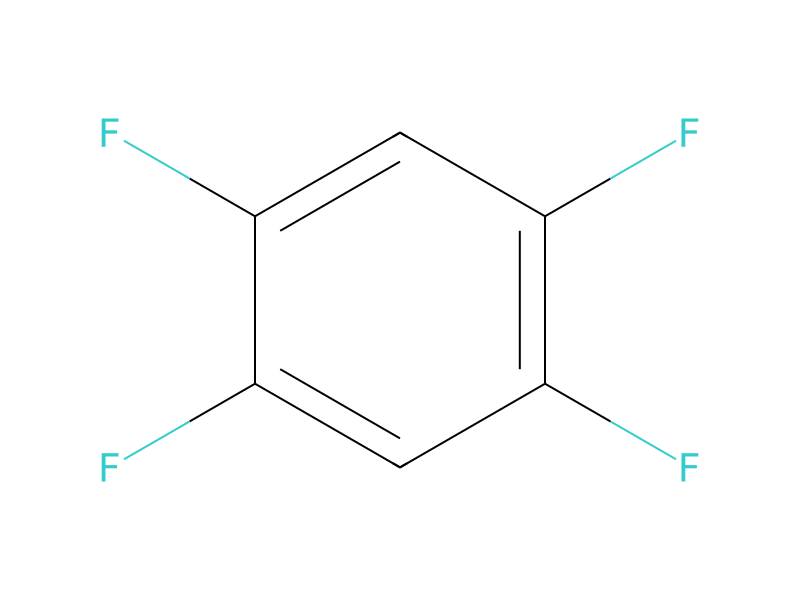
Grundinformationen
- Standard-SMILES
Fc1cc(F)c(F)cc1F- InChIKey
SDXUIOOHCIQXRP-UHFFFAOYSA-N- Summenformel
- C6H2F4
- Durchschnittliche Molmasse
- 150,07 g/mol
- Monoisotopische Masse
- 150,00926271
Namen und Bezeichner
- Bevorzugter Name
- 1,2,4,5-Tetrafluorobenzene
- IUPAC
- 1,2,4,5-tetrafluorobenzene
- Lokaler Name
- 1,2,4,5-Tetrafluorbenzol
- Englischer Name
- 1,2,4,5-Tetrafluorobenzene
- Summenformel
- C6H2F4
- Molmasse
- 150.07
Namen und Synonyme
1,2,4,5-TETRAFLUOROBENZENE327-54-82,3,5,6-TetrafluorobenzeneNSC-10249AB3CL8US2HDTXSID90186367RefChem:71464DTXCID00108858206-319-3Benzene, 1,2,4,5-tetrafluoro-MFCD000003071,2,4,5-tetrafluoro-benzene
Weitere Namen anzeigen
1,2,4,5-TetrafLp-Tetrafluorobenzene1,2,4,5-Tetrafluorbenzol1,2,4,5-Tetrafluorobenzylbenzene,1,2,4,5-tetrafluoro-1,2,4,5-Tetrafluorobenzene,98%1,2,4,5-Tetrafluorobenzene 99%1,2,4,5-TETRAFLUOROBENZENE, 99+%
2,3,5,6-Tetrafluorobenzene;p-Tetrafluorobenzene2,3,5,6-Tetrafluorobenzene;NSC 10249;p-Tetrafluorobenzene;NSC10249EINECS 206-319-31,4,5-Tetrafluorobenzene2,5,6-TetrafluorobenzeneSCHEMBL78459Benzene,2,4,5-tetrafluoro-
Datenbank-Bezeichner
- CAS
327-54-8- PubChem CID
- 9474
- DTXSID
DTXSID90186367- UNII
- AB3CL8US2H
- EC Number
- 206-319-3
- Nikkaji
- J28K
Eigenschaften
Berechnete Struktureigenschaften
- XLogP
- 2,3
- Polarare Oberfläche (TPSA)
- 0 Ų
- H-Brücken-Donoren
- 0
- H-Brücken-Akzeptoren
- 4
- Frei drehbare Bindungen
- 0
- Schwere Atome
- 10
- Formalladung
- 0
- Komplexität
- 90
Experimentelle und physikochemische Eigenschaften
Kovats Retention Index604
Physikochemische Eigenschaften
- Schmelzpunkt
- 4 °C · 4 °C (lit.)
- Siedepunkt
- 90 °C · 90 °C (lit.)
- Dichte
- 1.344 g/mL · 1.344 g/mL at 25 °C (lit.)
- Brechungsindex
- 20 · n20/D 1.407(lit.)
- Flammpunkt
- 61 °F · 61 °F
- storage temp.
- 2 · Sealed in dry,2-8°C
- Aggregatzustand
- clear liquid
- Farbe
- Colorless to Almost colorless
- Wichte
- 1.344 · 1.344
- Wasserlöslichkeit
- Not miscible or difficult to mix in water.
- BRN
- 1909052 · 1909052
- Henry's Law Constant
- 5.6 · 5.6×10-4 mol/(m3Pa) at 25℃, Duchowicz et al. (2020)
- InChI
- InChI=1S/C6H2F4/c7-3-1-4(8)6(10)2-5(3)9/h1-2H
- InChIKey
- SDXUIOOHCIQXRP-UHFFFAOYSA-N
- SMILES
- C1(F)=CC(F)=C(F)C=C1F
- CAS Datenbank
- 327 · 327-54-8(CAS DataBase Reference)
- NIST chemische Informationen
- 1 · Benzene, 1,2,4,5-tetrafluoro-(327-54-8)
Sicherheit und Regulatorisches
GHS-Klassifizierung
GHS Classification
Danger
H225 (100%): Highly Flammable liquid and vapor [Danger Flammable liquids];H315 (100%): Causes skin irritation [Warning Skin corrosion/irritation];H319 (100%): Causes serious eye irritation [Warning Serious eye damage/eye irritation];H335 (98.5%): May cause respiratory irritation [Warning Specific target organ toxicity, single exposure; Respiratory tract irritation]
P210, P233, P240, P241, P242, P243, P261, P264, P264+P265, P271, P280, P302+P352, P303+P361+P353, P304+P340, P305+P351+P338, P319, P321, P332+P317, P337+P317, P362+P364, P370+P378, P403+P233, P403+P235, P405, and P501 (click each P-code to see the statement)
Aggregated GHS information provided per 68 reports by companies from 7 notifications to the ECHA C&L Inventory. Each notification may be associated with multiple companies.;Information may vary between notifications depending on impurities, additives, and other factors. The percentage value in parenthesis indicates the notified classification ratio from companies that provide hazard codes. Only hazard codes with percentage values above 10% are shown. For more detailed information, please visit ECHA C&L website.
Gefahrenhinweise
Hazard Classes and CategoriesFlam. Liq. 2 (100%);Skin Irrit. 2 (100%);Eye Irrit. 2 (100%);STOT SE 3 (98.5%)
Sicherheitsdaten
- wgk
- 3
- ridadr
- UN 1993 3/PG 2
- hs_code
- 29039990
- risk_code
- 11-36/37/38
- hazard_code
- F,Xi
- hazard_note
- Flammable/Irritant
- safety_code
- 16-26-36/37/39-37/39-33-7/9
- hazard_class
- 3
- packing_group
- II
- Speicherklasse
- 3 - Flammable liquids
- Hazard Classifications
- Eye Irrit. 2Flam. Liq. 2Skin Irrit. 2STOT SE 3
Chemie und Industrie
Anwendungen
VerwendenIt is employed as intermediate in organic synthesis. It is also used as pharmaceutical intermediate.
Vor- und nachgelagerte Produkte
Vorgelagerte Rohstoffe
Nachgelagerte Produkte
Anbieter50 Anbieter
国药集团化学试剂有限公司86-21-63210123 · [email protected]
梯希爱(上海)化成工业发展有限公司021-67121386 · [email protected]
郑州阿尔法化工有限公司+86-18530059196 · [email protected]
湖北永阔科技有限公司027-59223108 15972152991 · [email protected]
常州新氟化学有限公司13275212658 · [email protected]
武汉欣扬瑞和化学科技有限公司13720274133 · [email protected]
上海遐瑞医药科技有限公司+86-021-61551413 · [email protected]
环生美森医药技术(山东)有限公司0531-88762217 18301471076 · [email protected]
爱斯特(成都)生物制药股份有限公司+86-28-85122536 85324413 · [email protected]
上海赫文斯化工有限公司15721252604 17321035817 · [email protected]
Dayang Chem (Hangzhou) Co.,Ltd.+86-0571-88938639 17705817739 · [email protected]
Syntechem Co.,Ltd[email protected]
阿法埃莎(中国)化学有限公司400-6106006 · [email protected]
安耐吉化学&3A(安徽泽升科技股份有限公司)400-0056266 · [email protected]
武汉凯威斯科技有限公司86-027-67849912 · [email protected]
Allfluoro Pharmaceutical Company Limited+86-400-0216110 +86-15958047586 · [email protected]
上海瀚鸿科技股份有限公司021-54306202 13764082696 · [email protected]
嘉兴市艾森化工有限公司0573-85285100 18627885956 · [email protected]
郑州研德生物科技有限公司0371-63682289 15538176268 · [email protected]
玛雅试剂+86 (573) 82222445 (0)18006601000 452520369 · [email protected]
四川库利南科技有限公司400-1166-196 18981987031 · [email protected]
天津希恩思生化科技有限公司400 638 7771 · [email protected]
南京维奥化工有限公司Please Send Email 18652950785 · [email protected]
艾科试剂4008-755-333 18080918076 · [email protected]
上海遐瑞医药科技有限公司+86 21 61551611
江苏艾康生物医药研发有限公司025-66113011 13913916777 · [email protected]
TOKYO CHEMICAL INDUSTRY CO., LTD.03-36680489 · [email protected]
上氟科技021-65170832 15601903708
越林试剂021-62960152 · [email protected]
Clearsynth Labs Limited+91-22-26355700 · [email protected]
苏州亚科科技股份有限公司0512-87182055 13451648594 · [email protected]
无锡中坤生化科技有限公司+86 0510-85629785
上海将来实业股份有限公司400-0066400 13621662912 · [email protected]
安徽科迪达化工有限公司0554-2106669 · [email protected]
郑州鸿晟医药科技有限公司0371-0371-13526885213 15637198702 · [email protected]
北京奥秘佳得医药科技有限公司+86-13522808617 · [email protected]
上海石洋化工有限公司021-56795766 · [email protected]
雷丁试剂0510-85629785 18013409632 · [email protected]
杭州杰恒化工有限公司0571-87396432 · [email protected]
北京海力扬化学科技有限公司13718199399 · [email protected]
北京欣赛维化学科技有限公司010-56218822 13717722232 · [email protected]
上海凯赛化工有限公司021-33516722 13701817765 · [email protected]
北京华扬致成科技有限公司13716033033 · [email protected]
上海容立化学科技有限公司021-69992220 13701886816 · [email protected]
Sigma-Aldrich西格玛奥德里奇(上海)贸易有限公司021-61415566 800-8193336 · [email protected]
九鼎化学(上海)科技有限公司4009209199 · [email protected]
厦门志信化学有限公司+86-5922680277 +86-13806087780 · [email protected]
南京普鑫医药科技有限公司17366295326 · [email protected]
郑州阿尔法化工有限公司0371-53765687 18937137882 · [email protected]
成都京欣科技有限公司028-85005297 13980656781 · [email protected]
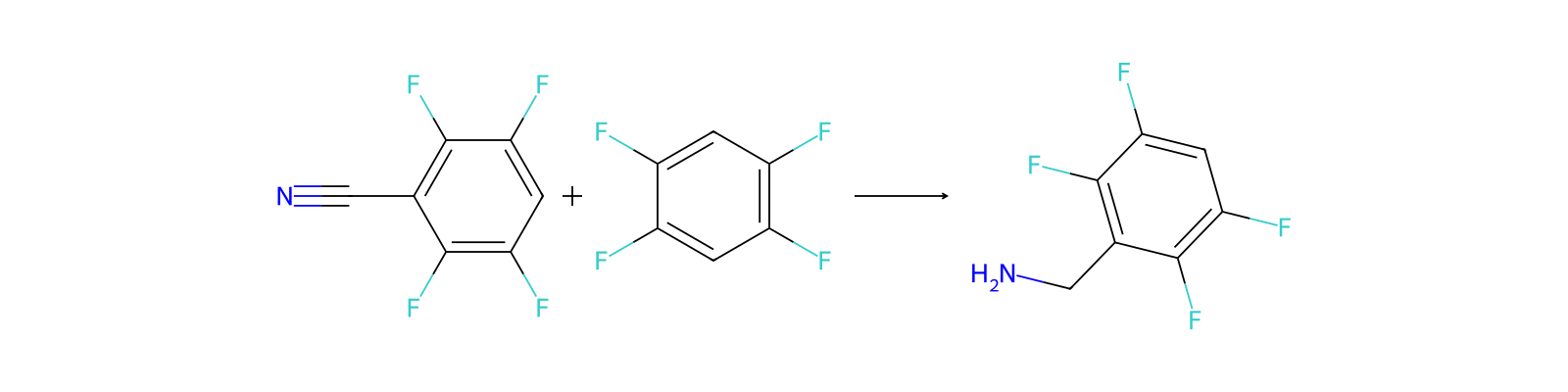
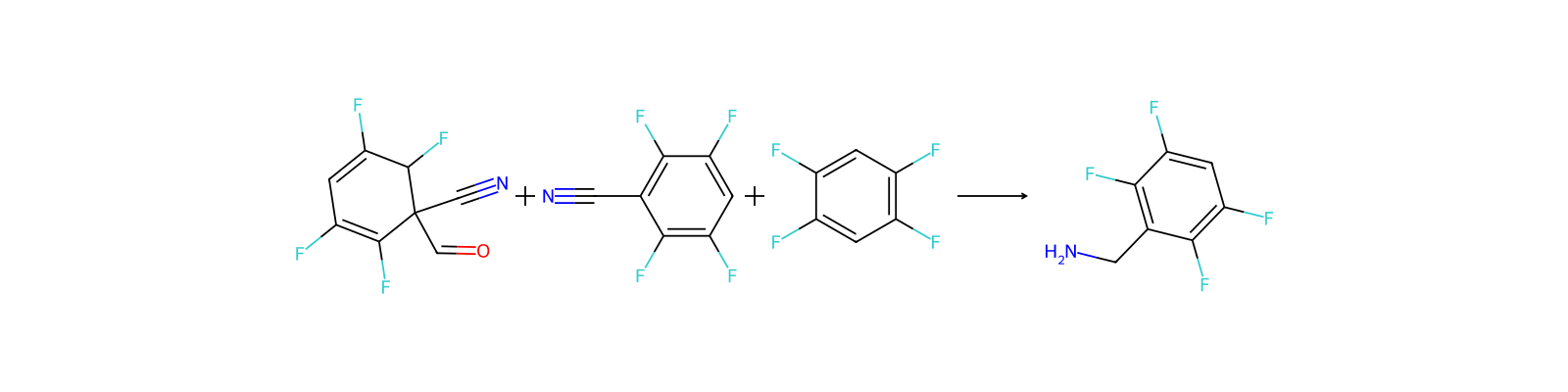
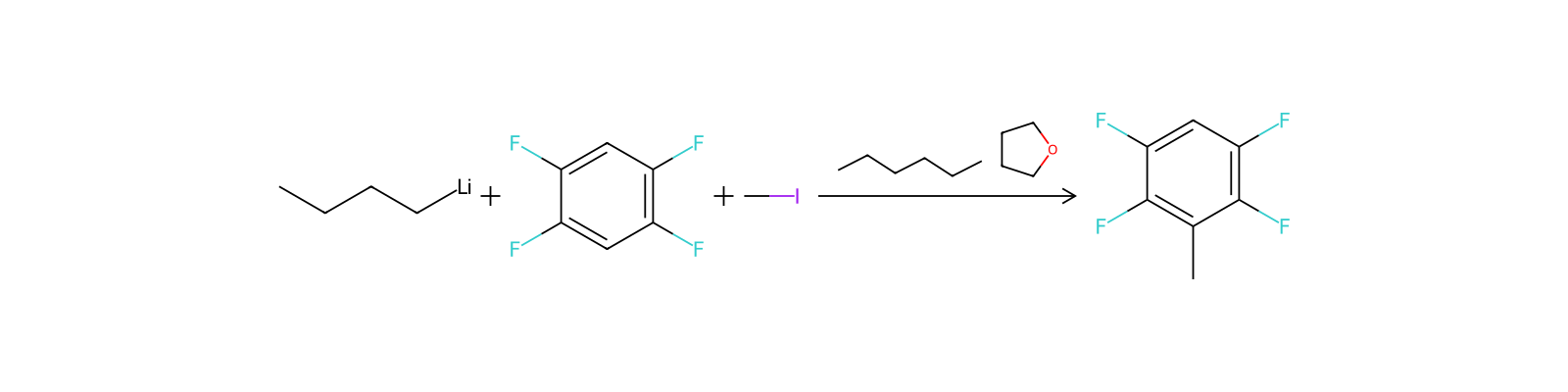
Zugehörige Reaktionen
25




Verknüpfte Notizen
Wird geladen…