
Grundinformationen
- Standard-SMILES
O- InChIKey
XLYOFNOQVPJJNP-UHFFFAOYSA-N- Summenformel
- H2O
- Durchschnittliche Molmasse
- 18,015 g/mol
- Monoisotopische Masse
- 18,01056468
Namen und Bezeichner
- Bevorzugter Name
- Water
- IUPAC
- oxidane
- Englischer Name
- POLY[6-[4-(4-CYANOPHENYL)PHENOXY]HEXYL
- Summenformel
- C23H25NO3
- Molmasse
- 363.46
Namen und Synonyme
water7732-18-5Distilled waterDihydrogen oxidePurified waterSterile waterWater vaporWater, deionizedoxidaneaquaWater, purifiedWater, mineral
Weitere Namen anzeigen
POLY[6-[4-(4-CYANOPHENYL)PHENOXY]HEXYL
Dihydrogen MonoxidesteamDeionized waterDHMOWater, sterileWater, distilledWater for injectionSterile purified water
Datenbank-Bezeichner
- CAS
117318-92-0、17778-80-2、7732-18-5- PubChem CID
- 962
- DTXSID
DTXSID6026296- ChEMBL
CHEMBL1098659- ChEBI
CHEBI:15377- UNII
- 059QF0KO0R
- EC Number
- 231-791-2、634-210-4、686-299-4
- Nikkaji
- J2.261.720F、J43.587B
Eigenschaften
Berechnete Struktureigenschaften
- XLogP
- -0,5
- Polarare Oberfläche (TPSA)
- 1 Ų
- H-Brücken-Donoren
- 1
- H-Brücken-Akzeptoren
- 1
- Frei drehbare Bindungen
- 0
- Schwere Atome
- 1
- Formalladung
- 0
- Komplexität
- 0
Experimentelle und physikochemische Eigenschaften
LogP-1.38
OdorOdorless
TasteTasteless
Density
1
0.9950 g/cu cm at 25 °C
Chemical and physical properties[Table#8152]
Expands on freezing. Temp of max density 3.98 °C. density: 1.000000g/mL at 3.98 °C; 0.917 g/cc at 0 °C (ice); 0.999868 at 0 °C/4 °C (liquid)
Weight of sea water: approximately 63.93 lb/cu ft at 15 °C; density of sea water: approximately 1.025 g/cu cm at 25 °C
Ice Properties[Table#8154]
ViscosityDynamic viscosity: 0.8949 cP at 25 °C; Kinematic viscosity: 0.8976 cP at 25 °C
Color/Form
Colorless liquid
Liquid
Solubility
Completely miscible
Water dissolves some amount of virtually every solid or gas with wich it comes in contact.
Very soluble in ethanol, methanol, acetone
55.5 mol/L
CorrosivityThe solvent powers of water exerted in man-made conduit/pipe systems ... lead to ... corrosion and scaling
Boiling Point
212 °F at 760 mmHg
100
99.974 °C
Melting Point
32 °F
0
0 °C
0 °C
Vapor Pressure
23.75 [mmHg]
VP: 760 mm Hg at 100 °C
VP: 611.657 Pa at 273.16 K
Surface Tension71.97 dyne/cm at 25 °C
Physikochemische Eigenschaften
- Schmelzpunkt
- 101 · 101-106 °C(lit.)
- Aggregatzustand
- solid
Sicherheit und Regulatorisches
GHS-Klassifizierung
GHS Classification
This chemical does not meet GHS hazard criteria for 99.5% (1866 of 1876) of all reports.
Not Classified;Reported as not meeting GHS hazard criteria by 1866 of 1876 companies (only 0.5% companies provided GHS information). For more detailed information, please visit ECHA C&L website.
Aggregated GHS information provided per 1876 reports by companies from 9 notifications to the ECHA C&L Inventory.;Reported as not meeting GHS hazard criteria per 1866 of 1876 reports by companies.;There are 7 notifications provided by 10 of 1876 reports by companies with hazard statement code(s).;Information may vary between notifications depending on impurities, additives, and other factors. The percentage value in parenthesis indicates the notified classification ratio from companies that provide hazard codes. Only hazard codes with percentage values above 10% are shown. For more detailed information, please visit ECHA C&L website.
Warning
H315 (100%): Causes skin irritation [Warning Skin corrosion/irritation];H319 (100%): Causes serious eye irritation [Warning Serious eye damage/eye irritation];H335 (100%): May cause respiratory irritation [Warning Specific target organ toxicity, single exposure; Respiratory tract irritation]
Gefahrenhinweise
Regulatory Information
Chemical: Water
Regulation (EC) No 178/2002 (amended)
Water is listed on the EPA's Chemical Data Reporting (CDR) system. Manufacturers and importers of Water are required to report information about their production and use of this chemical to the EPA under the Toxic Substances Control Act (TSCA). (40 eCFR Part 711)
XU - indicates a substance exempt from reporting under the Chemical Data Reporting Rule, (40 CFR 711).
Water: Non hazardous
Other Safety InformationIMAP assessments - Water: Human health tier I assessment
Health HazardsWater itself is nontoxic and is in fact essential for life. Solutes dissolved in water may be toxic, but those interactions are covered by the reactive groups that the solute belongs to.
Reactive GroupWater and Aqueous Solutions
Special ReportsEPA; Water: Laboratory Certification.[EPA; Water: Laboratory Certification; Drinking Water Analytical Methods; Available from, as of February 4, 2014: http://water.epa.gov/scitech/drinkingwater/labcert/analyticalmethods.cfm#approved]
EPA Safer ChemicalChemical: Water; Green circle - The chemical has been verified to be of low concern based on experimental and modeled data.
Reactivity Profile
Water reacts with many substances, including but not limited to alkali metals, hydrides, strong halogenating agents, and chlorosilanes. These reactions can be hazardous and may result in flammable or toxic gas production, or generation of excessive heat that may cause pressurization to occur. Another reactive hazard is heat of mixing. Mixing substances such as sulfuric acid or sodium hydroxide with water may generate significant heat. Additionally, water is a good solvent for polar molecules, so it can form aqueous solutions if it comes into contact with such molecules.
Air and Water ReactionsNo rapid reaction with air. No rapid reaction with water.
Hazard Classes and Categories
Not Classified
Skin Irrit. 2 (100%);Eye Irrit. 2 (100%);STOT SE 3 (100%)
Not Classified
Critical Temperature and PressureCritical temperature: 374.2 °C; critical pressure: 218 atm
CSL Reaction Information
CSL00038
SODIUM BOROHYDRIDE + WATER
Gas evolution. Ensure complete destruction of borane by using appropriate quench time and pH
Gas Under Pressure
borohydride
User-Reported
Toxikologische Informationen
Interactions
Because groundwater contamination is an important environmental concern, we examined the hepatic and renal effects of repeated exposure to a mixture of 25 chemicals frequently found in groundwater near hazardous-waste disposal sites and the effect of such exposure on carbon tetrachloride (CCI4) toxicity. Adult male F-344 rats received ad libitum deionized water and feed (Ad Lib Water) or ad libitum 10% MIX (referring to 10% of a technically achievable stock mixture) and feed for 14 d. Because exposure to the 25-chemical mixture via the drinking water resulted in decreased water and feed consumption, restricted deionized water and feed controls (Restricted Water) were included. On d 14, rats were gavaged with 0, 0.0375, 0.05, 0.075 or 0.15 mL CCl4/kg, and hepatic and renal toxicity assessed 24 hr later. Little or no hepatic and renal toxicity was observed in rats exposed to 10% MIX alone. No hepatic or renal lesions occurred that could be attributed to 10% MIX alone. Slight but statistically significant alterations, of uncertain biological significance, resulted from the water treatments: 10% MIX increased alanine aminotransferase, urea nitrogen (BUN), and BUN/creatinine ratio; Restricted Water increased 5'-nucleotidase and decreased alkaline phosphatase. Relative kidney weight was increased by both 10% MIX and Restricted Water. CCI4 resulted in significant dosage-dependent hepatotoxicity in all three water treatment groups but had little or no effect on renal indicators of toxicity. Relative to Ad Lib Water, significantly greater hepatotoxicity occurred in both 10% MIX and Restricted Water rats. The response to CCI4 in the Restricted Water rats was similar to that of 10% MIX rats, indicating that a substantial portion of the effect of 10% MIX on CCI4 hepatotoxicity is due to decreased water and feed intake.
Environmental Fate
Water which evaporates from the surface of oceans, fresh watercourses, and vegetation is carried in the air to be precipitated as rainfall or snow. The molecules of water vapor in air are pure water; falling raindrops formed by their condensation are saturated with nitrogen, oxygen and other atmospheric gases. During precipitation, raindrops entrain dust, smoke particles and fumes. Rain which falls on land surfaces runs over the ground to the nearest watercourse, carrying with it eroded soil, decaying vegetation, microorganisms and colloidal and suspended matter. The remainder of the rain seeps into soil and flows underground. Except in areas where groundwater is over-pumped, this water eventually flows out into an open watercourse. In its transit through topsoil, this water dissolves carbon dioxide which makes it more acid. With passage through ground and rocks, it dissolves many minerals such as calcium, magnesium, iron and manganese; also sulfates, silicates and chlorides(1).
Natural water systems contain numerous minerals and often a gas phase ... The distribution of chemical species in waters is strongly influenced by an interaction of mixing cycles and biological cycles. ... The maintenance of life in aquatic ecosystems results directly or indirectly from the steady impact of solar energy. Photosynthesis is carried out mostly by algae and water plants; it may be conceived as a disproportionation of water into an oxygen reservoir and hydrogen which forms high energy bonds with carbon, nitrogen, sulfur, and phosphorus compounds that are incorporated as organic matter in the biomass. ... The composition of natural waters is strongly influenced by the growth, distribution, and decay of algae and other organisms. Organisms regulate the oceanic and lacustrine composition and its variation with depth. Dissolved constituents are taken up by organisms. Their remains sink under the influence of gravity and are gradually destroyed by oxidation. The superposition of this particular cycle upon the ordinary mixing cycle in the ocean or in lakes accounts for the variation in depth and distribution of chemical properties.
Plant ConcentrationsThe top 40 plants containing water(1).[Table#8155]
Ongoing Test Status
The following link will take the user to the National Toxicology Program (NTP) Test Agent Search Results page, which tabulates all of the "Standard Toxicology & Carcinogenesis Studies", "Developmental Studies", and "Genetic Toxicity Studies" performed with this chemical. Clicking on the "Testing Status" link will take the user to the status (i.e., in review, in progress, in preparation, on test, completed, etc.) and results of all the studies that the NTP has done on this chemical.[Available from, as of February 5, 2014: http://ntp-apps.niehs.nih.gov/ntp_tox/index.cfm?fuseaction=ntpsearch.searchresults&searchterm=7732-18-5]
Effluent Concentrations
Stormwater runoff carries urban pollution into rivers and lakes(1,2). Stormwater runoff is generated when rain and snowmelt do not soak into the ground but flow over land or impervious surfaces such as streets, parking lots, and building rooftops, accumulating debris, chemicals, sediment or other pollutants that could adversely affect water quality if the runoff is discharged untreated(1). Agriculture is the leading source of impairment to freshwater sources in the US. When excess fertilizer washes into rivers and lakes it causes algal blooms that lead to taste and health problems. Nitrogen-laden waters can also damage aquatic life leading to the formation of "dead zones"(2).
Natural Pollution Sources
Water is absolutely essential to all life. The protoplasm of most living cells contains about 80% water. Most of the earth's surface is covered with water(1). The most striking feature of the earth is the extensive hydrosphere, lacking from neighboring planets. 97.22% of earth's water is captured in oceans, with approximately 2% of water locked up in polar icecaps and glaciers. Water found in land, including surface and groundwater, makes up <1% of the earth's water resources. Groundwater represents more than 97% of the usable freshwater resources and is a major source of replenishment for surface water. Water resources are renewable but finite and scarce. Only freshwater flowing through the solar-powered hydrological cycle is renewable(2).
The most abundant gas typically released into the atmosphere from volcanic systems is water vapor, followed by cabon dioxide and sulfur dioxide. Locally sulfur dioxide gas can lead to acid rain and air pollution downwind from a volcano(1).
Human Toxicity Excerpts
/SIGNS AND SYMPTOMS/ Human systemic effects by ingestion of very large amounts: body temperature increase, convulsions, diarrhea, fever, hypermotility, muscle contraction or spasticity, mydriasis, nausea or vomiting, tremors.
/CASE REPORTS/ Dilutional hyponatremia is a serious adverse effect of desmopressin, a vasopressin analog that is widely prescribed to manage monosymptomatic enuresis. The presentation of hyponatremia, largely related to cerebral dysfunction, can include severe signs like altered mental status and seizures. /The authors/ reviewed the literature dealing with altered mental status or seizures in enuretic subjects on desmopressin. The retained publications included patients who were described individually, revealing data on mode of administration, further identifiable factors predisposing to hyponatremia, presentation and clinical course. /It was/ found 54 cases of hyponatremia secondary to desmopressin treatment presenting with altered mental status or seizures. In most cases the complication developed 14 days or less after starting desmopressin. An intranasal formulation had been used in 47 patients. Excess fluid intake was documented as a contributing factor in at least 22 cases. In 6 cases severe signs of hyponatremia developed in the context of intercurrent illnesses. Altered mental status or seizures are very rare but recognized complications of desmopressin in enuresis. This complication mostly develops in subjects managed with the intranasal formulation 14 days or less after starting the medication, following excess fluid intake and during intercurrent illnesses.
/CASE REPORTS/ A 62-year-old man with no major comorbidities became acutely hyponatremic on the second postoperative day following a routine carotid endarterectomy. He developed a headache, became hypertensive and confused, and then had a seizure and required intubation and admission to the intensive care unit. A CT angiogram of his head and carotid arteries was normal, as was a subsequent MRI head. His serum and urine osmolality were low. He was treated by fluid restriction and his hyponatraemia resolved over 3 days. On discontinuation of sedation the patient woke up appropriately. The cause of his hyponatremia was initially a mystery but when questioned by the medical team he admitted that he drank about 5 liters of water in the afternoon on the second postoperative day. At this point the diagnosis of dilutional hypervolemic hyponatremia secondary to water intoxication could be made.
/CASE REPORTS/ A syndrome of hyponatremia associated with excessive beer drinking was first recognised in 1971. This syndrome has been referred to as beer potomania. Dilutional hyponatremia occurs due to excessive consumption of an exclusive beer diet which is poor in salt and protein. /The authors/ report a case of beer potomania who improved dramatically with introduction of solute load, with no subsequent neurological sequelae.
For more Human Toxicity Excerpts (Complete) data for Water (9 total), please visit the HSDB record page.
Artificial Pollution SourcesHousehold leaks can waste more than 1 trillion gallons annually in the US. Ten percent of homes in the USA have leaks that waste 90 gallons or more of water per day(1).
Sediment/Soil Concentrations
Wetlands are part of the foundation of water resources and are vital to the health of waterways and communities downstream. Wetlands feed downstream waters, trap floodwaters, recharge groundwater supplies, filter pollution, and provide fish and wildlife habitat. Wetlands include swamps, marshes and bogs. Wetlands also reduce flood risks(1). Forests, grasslands, wetlands, and flood plains stabilize water flow into rivers, lakes, and groundwater(2).
Drug Induced Liver Injury
Drug Induced Liver Injury Rank (DILIrank 2.0)
Sterile water
vNo-DILI-concern
0
No match
DOI:10.1016/j.drudis.2016.02.015
Non-Human Toxicity Excerpts
/LABORATORY ANIMALS: Developmental or Reproductive Toxicity/ The Sprague Dawley rat was used to assess the reproductive and teratologic effects of the highly treated reclaimed water derived from secondary wastewater by the Denver Water Department. A two-generation reproduction study with teratology phase was conducted using test groups receiving a 500x concentration of reclaimed wastewater or a 500x concentration of wastewater processed by an ultrafiltration process and control groups receiving commercially obtained distilled water or a 500x concentration of Denver's present high quality water. Fifty rats per sex in the first generation (F0) received the specified dosing regimen. From the offspring of this generation, 35 rats/sex/group (F1) received the appropriate drinking water through growth and maturation and during three breeding (F2a, b and c) and gestation periods... The evaluation of data from two generations of growth, breeding, gestation and lactation indicated no adverse reproductive effects from exposure to any of the dose-water regimens.
/LABORATORY ANIMALS: Developmental or Reproductive Toxicity/ Increasing usage of the energy generated by nuclear fission and fusion plants leads to release a large quantity of tritiated water (HTO) into the environment. From the point of radiation hazard, it is urgent needs to evaluate biological effect of HTO. In particular, it appears of interest to assess the effects on the development of fetuses exposed continuously by HTO throughout pregnancy. To determine the radiation effect of tritiated water on fetal development, BC3F1 female mice were provided various doses (50-500 uCi/mL) of HTO throughout pregnancy. The litter size decreased gradually as the doses became higher. The number of stillbirth per litter increased in turn. For lower doses of HTO, pre-implantation death would be a major factor for the reduction of the litter size. Fetal body weight, brain weight, head size and protein contents of the brain were examined in the fetuses irradiated. At relatively low dose (50 uCi/mL), no observable effect was found. But for higher doses, HTO had detrimental effect on the embryonal development. /Tritiated water/
/LABORATORY ANIMALS: Developmental or Reproductive Toxicity/ Objective: To determine the impact of new types of drinking water on health. Methods: Parents mice were fed with magnetized mineral water, activated water, purified water, mineral water, alkaline ionized water and natural water respectively for 3 months, and of offspring mice for 3 months. Results: To compare with natural water, activated water and magnetized mineral water could significantly increase the body weight of paternal mice (P < 0 .05), while mineral water and alkaline ionized water could significantly decrease the body weight of offspring male mice (P < 0.05), magnetized mineral water could significantly decrease the body weight of offspring mice (P < 0.05). Purified water could significantly decrease the neonatal mice weight (P < 0.05). Activated water and magnetized mineral water could significantly increase the neonatal mice number (P < 0.05). All the 5 new types of water had no effect on mice, pregnancy rate, gestation rate and birth livability. In offspring mice, SOD /superoxide dismutase/ activity could be increased significantly (P < 0.05) by treating with magnetized mineral water, activated water, purified water, mineral water, while alkaline ionized water could decrease the activity of SOD significantly (P < 0.05) . Conclusion: Five new types of drinking water could affect the body weight of mice, but had no effect on pregnancy rate, gestation rate and birth livability of mice. Magnetized mineral water, activated water, purified water and mineral water could increase SOD activity.
/DEVELOPMENTAL NEUROTOXICITY/ Pregnant mice were injected intraperitoneally with different doses of tritiated water on day 13 of pregnancy. The litters received total cumulative absorbed beta-irradiation of 0 (control), 0.1, 0.2, 0.4 or 0.8 Gy due to exponentially decreasing exposure. The 0.4 Gy irradiation caused a significant reduction in brain weight but not in body weight examined at 8 weeks of age. The highest dose (0.8 Gy) inhibited both body and brain development. Histological examination showed that the cortical architecture and laminar organization were well preserved. Thickness of somatosensory cortex was decreased by the treatment, and there was significant difference between groups exposed to 0.4 Gy or more and the control. Quantitative analysis revealed that 8-week-old mice had a dose-related reduction in pyramidal cell densities. These effects were apparent in groups exposed to 0.2 Gy or more. The effect of prenatal exposure to chronic low dose-rate beta-irradiation from tritiated water may be a little greater than the same dose of acute X- or beta-irradiation. /Tritiated water/
For more Non-Human Toxicity Excerpts (Complete) data for Water (7 total), please visit the HSDB record page.
Populations at Special Risk
Exercise Associated Hyponatremia (EAH) is an occurrence of endurance sports that can cause severe clinical manifestations such as cerebral edema or respiratory failure. EAH is a dilutional hyponatremia, variant of SIADH, characterized by a plasma concentration of sodium lower than 135 mEq/L. Female gender and the duration of the competitions are associated with higher risk of hyponatremia. The incidence of hyponatremia, in fact, increases with duration, especially 4-8 hours after the start of the race. Women seem to be at greater risk than men. The pathophysiological mechanisms include increased loss of sodium through sweating and excessive intake of hypotonic fluids during and after the sporting event. In the genesis of EAH seems to have a decisive role the inadequate secretion of AVP by non osmotic stimuli, including IL-6. Indications for the prevention of hyponatremia include education of athletes for adequate consumption of fluids and monitoring of changes in body weight. Following the identification of electrolyte imbalance, the treatment requires a water restriction and infusion of hypertonic solutions 3%, especially in cases of severe hyponatremia.
Dilutional hyponatremia, although not uncommon, is an underestimated problem in the pediatric population. In most cases, it results from excessive hydration or water retention, also described as the so-called water intoxication. One of the most known causes is the use of desmopressin in enuretic children. This drug enhances the free water reabsorption in the renal collecting ducts.
Regulatorische Informationen
Regulatory Information
Chemical: Water
Regulation (EC) No 178/2002 (amended)
Water is listed on the EPA's Chemical Data Reporting (CDR) system. Manufacturers and importers of Water are required to report information about their production and use of this chemical to the EPA under the Toxic Substances Control Act (TSCA). (40 eCFR Part 711)
XU - indicates a substance exempt from reporting under the Chemical Data Reporting Rule, (40 CFR 711).
Water: Non hazardous
Sicherheitsdaten
- wgk
- 3
- risk_code
- 36/37/38
- hazard_code
- Xi
- safety_code
- 26-36
- Speicherklasse
- 11 - Combustible Solids
- Hazard Classifications
- Eye Irrit. 2Skin Irrit. 2STOT SE 3
Chemie und Industrie
Pharmakologische Informationen
Absorption, Distribution and Excretion
Tritium radioactivity in mouse fetus taken from the pregnant female mouse which had been given tritium containing drinking water was measured to estimate the absorbed radiation dose from the incorporated tritium. BC3F1 female mice mated with ICR male were given drinking water containing various concentrations of tritium for whole pregnant period, from the morning when the vaginal plug was observed to the day just before term. At various times of the pregnant period, blood and fetuses were taken from the female mice to measure the tritium concentration using a Packard model of sample oxidizer. The absorbed radiation dose of the fetus from the incorporated tritium was estimated on the basis of the tritium concentration measured. The tritium concentration of the embryos increased gradually from the first pregnant day to reach the plateau level at the 7 to 9th day. The estimated radiation dose increased almost linearly depending on the tritium concentration in the drinking water. /Tritium containing drinking water/
Tissue LocationsAll Tissues
Cellular LocationsCytoplasm;Endoplasmic reticulum;Extracellular;Golgi apparatus;Lysosome;Mitochondria;Nucleus;Peroxisome
Metabolite Pathways
11-beta-hydroxylase deficiency (CYP11B1);17-alpha-hydroxylase deficiency (CYP17);17-Beta Hydroxysteroid Dehydrogenase III Deficiency;2-aminoadipic 2-oxoadipic aciduria;2-Hydroxyglutric Aciduria (D And L Form);2-ketoglutarate dehydrogenase complex deficiency;2-Methyl-3-Hydroxybutryl CoA Dehydrogenase Deficiency;21-hydroxylase deficiency (CYP21);27-Hydroxylase Deficiency;3-Beta-Hydroxysteroid Dehydrogenase Deficiency;Total 46599 pathways, visit the HMDB page for details
Verwendung und Herstellung
Uses
The most universal solvent; [Merck Index] Used as a solvent, suspending agent, industrial coolant, diluent, moderator in nuclear reactors, nutrient, power source, hydration of lime, paper coatings, textile processing, debarking logs, filtration, washing and scouring, sulfur mining, hydrolysis, Portland cement, hydraulic systems, steam generation, and in foods and beverages; [NTP] Permitted for use as an inert ingredient in non-food pesticide products; [EPA]
Steel Producing [Category: Industry];Electroplating [Category: Plate];Petroleum Production and Refining [Category: Industry];Pulp and Paper Processing [Category: Industry];Textiles (Fiber & Fabric Manufacturing) [Category: Industry];Painting (Solvents) [Category: Paint];Mining [Category: Industry];Sewer and Wastewater Treatment [Category: Industry];Firefighting [Category: Other];Leather Tanning and Processing [Category: Industry];Photographic Processing [Category: Other];Cement Producing [Category: Industry];Textiles (Printing, Dyeing, or Finishing) [Category: Industry];Dressing Hair [Category: Other];Metal Extraction and Refining [Category: Industry]
Physiologically water is classed as a nutrient substance.
Drinking, culinary purposes, bathing, washing, laundering, heating, air conditioning, agriculture, stock raising and gardens, for industrial processes and cooling, for water power and steam power, for fire protection, for disposal of wastes, for fishing, swimming, boating and other recreational purposes, for fish and wildlife propagation, and for navigation
Estimated Water Use in the US.;Table: Use in Billion Gallons/Day [Table#8157]
U.S. Production
2023: 10,000,000 - <50,000,000 lb;2022: 10,000,000 - <50,000,000 lb;2021: 5,000,000 - <10,000,000 lb;2020: 5,500,000 - <7,000,000 lb
Production volumes for non-confidential chemicals reported under the Inventory Update Rule.[Table#8156]
Production volume for non-confidential chemicals reported under the 2006 Inventory Update Rule. Chemical: Water. Aggregated National Production Volume: 1 billion pounds and greater.
Non-confidential 2012 Chemical Data Reporting (CDR) information on the production and use of chemicals manufactured or imported into the United States. Chemical: Water. National Production Volume: 10,000,000 - 50,000,000 lb/yr.
Consumption Patterns
Agriculture consumes by far the most of any use category to which the accessible runoff worldwide is applied ... The number of acres irrigated with sprinkler and microirrigation systems has continued to increase and comprises more than half the total irrigated acreage.
Water Source Use in the US.;Table: Withdrawals in Billion gallons/day [Table#8151]
Consumer UsesNot Known or Reasonably Ascertainable
Industry UsesNot Known or Reasonably Ascertainable
Methods of ManufacturingDerivation: (1) Oxidation of hydrogen; (2) end product of combustion; (3) end product of acid-base reaction; (4) end product of condensation reaction.
Household Products
Information on 10362 consumer products that contain Water in the following categories is provided:;• Auto Products;• Commercial / Institutional;• Hobby/Craft;• Home Maintenance;• Home Office;• Inside the Home;• Landscaping/Yard;• Personal Care;• Pesticides;• Pet Care
Use Classification
EPA Safer Chemical Functional Use Classes -> Solvents
Safer Chemical Classes -> Green circle - The chemical has been verified to be of low concern
Fragrance Ingredients
Cosmetics -> Solvent
General Manufacturing Information
Not Known or Reasonably Ascertainable;Other (requires additional information)
Water: ACTIVE
Some bottled waters contain fluoride, and some do not. Fluoride can occur naturally in source waters used for bottling or be added. Most bottled waters contain fluoride at levels that are less than optimal for good oral health.
People with compromised immune systems may want to take special precautions with the water they drink. In healthy individuals, the parasite Cryptosporidium can cause illness; however, for those with weakened immune systems, it can cause severe illness and possibly death. Look for bottled water treatments that protect against Cryptosporidium, which include: Reverse Osmosis Distillation Filtration with an absolute 1 micron filter.
The proper amount of fluoride from infancy through old age helps prevent and control tooth decay. Community water fluoridation is a widely accepted practice for preventing and controlling tooth decay by adjusting the concentration of fluoride in the public water supply
According to the EPA, approximately 286 million Americans receive their tap water from a community water system. These public water systems are monitored and regulated as set by the EPA. An estimated 15% of Americans, or about 45 million people, get their water from private ground water wells that are not subject to EPA regulations. Private ground water wells can provide safe, clean water. However, well water can also become contaminated, leading to illness. It is the responsibility of well owners to maintain and treat their well.
Anwendungen
VerwendenSide chain liquid crystalline homopolymer.
Anbieter3 Anbieter
Aladdin Scientific[email protected]
Sigma-Aldrich西格玛奥德里奇(上海)贸易有限公司021-61415566 800-8193336 · [email protected]
郑州九亿时光新材料有限公司+86-15225627621 +86-13213167925 · [email protected]
Zugehörige Reaktionen
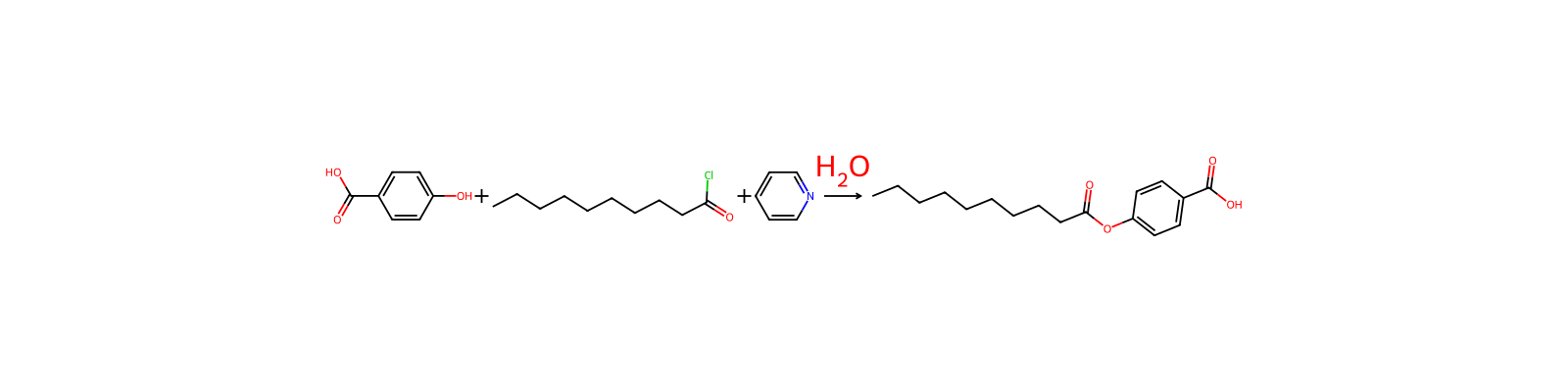
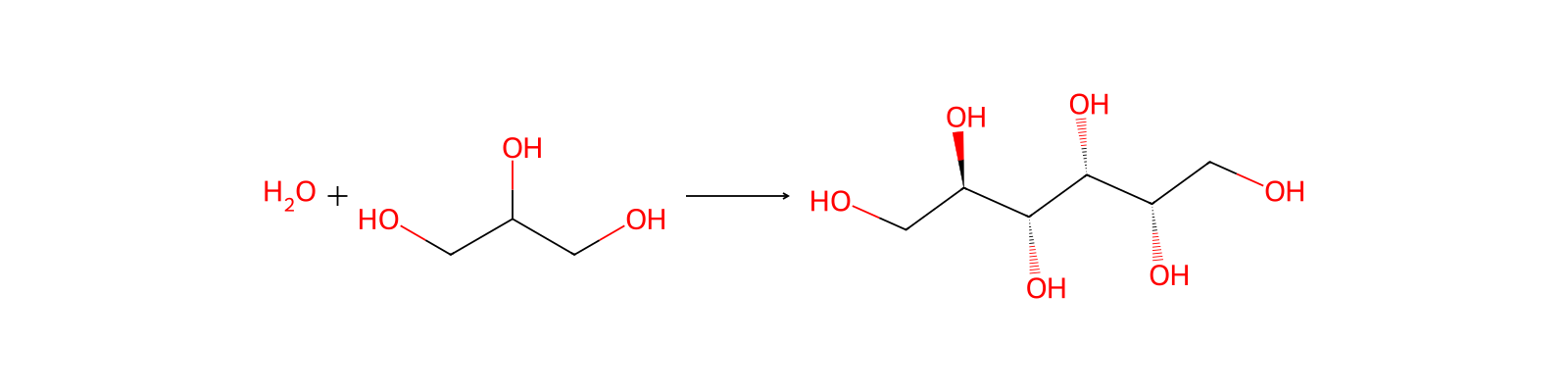
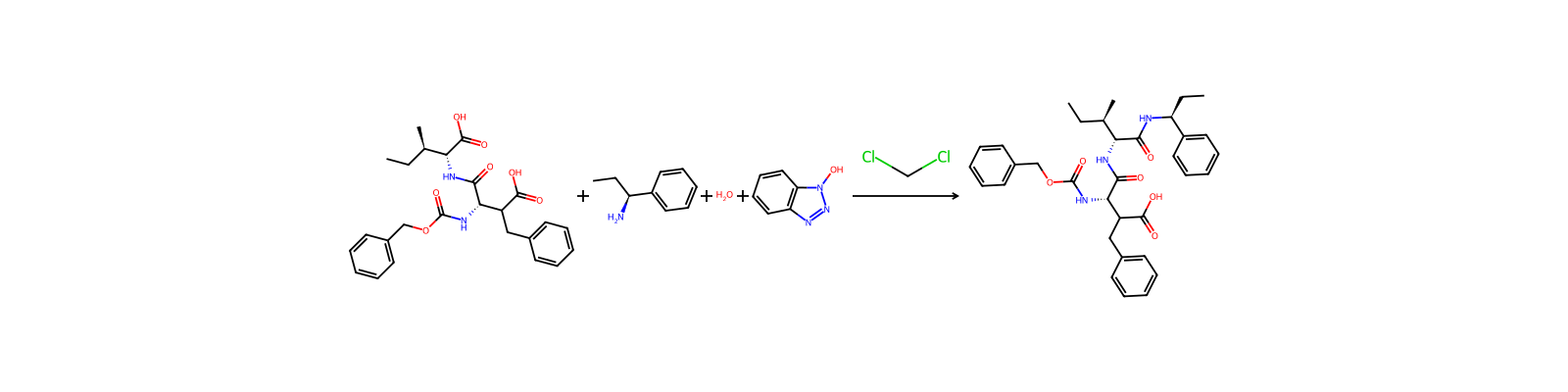
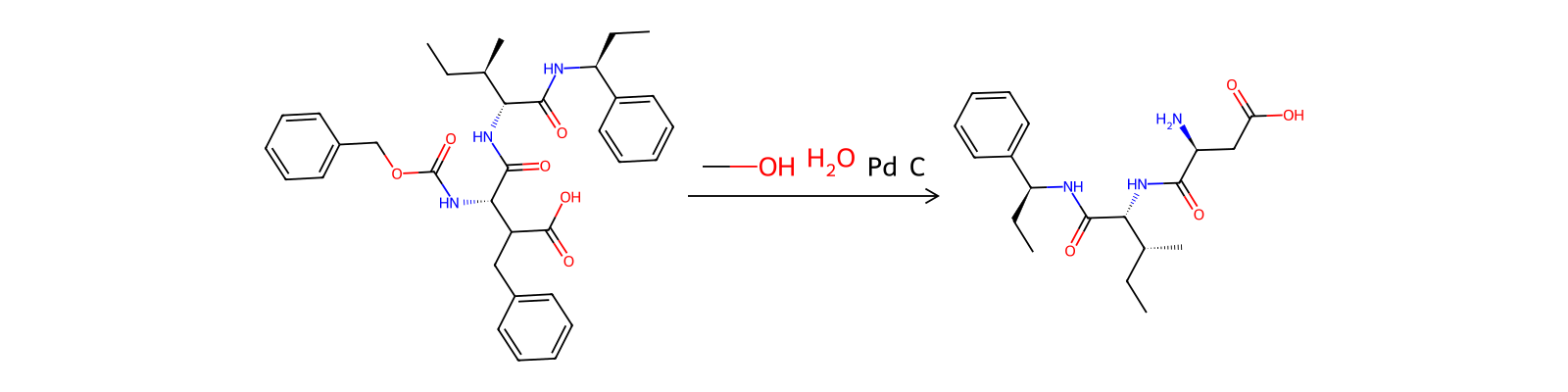
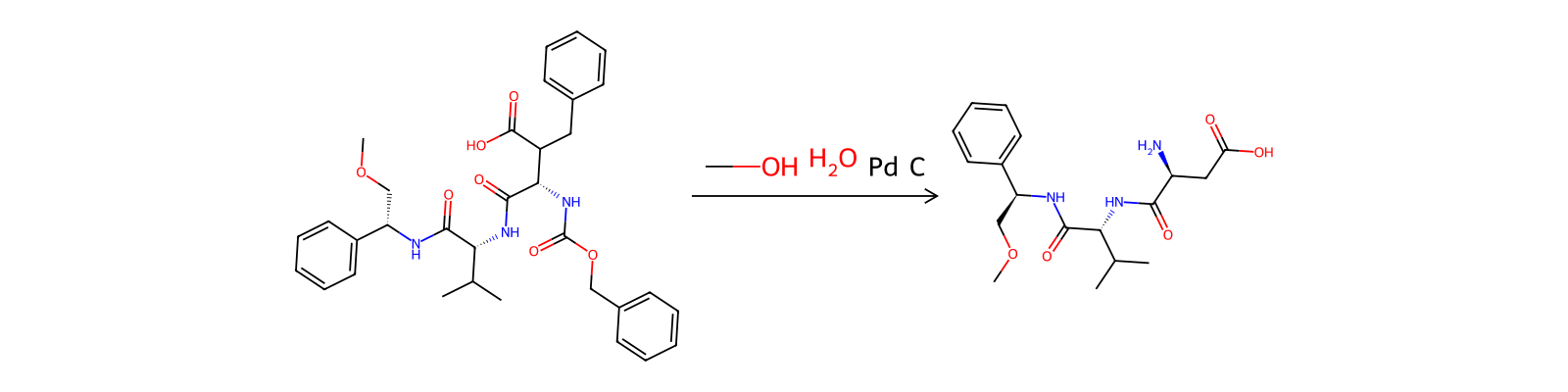
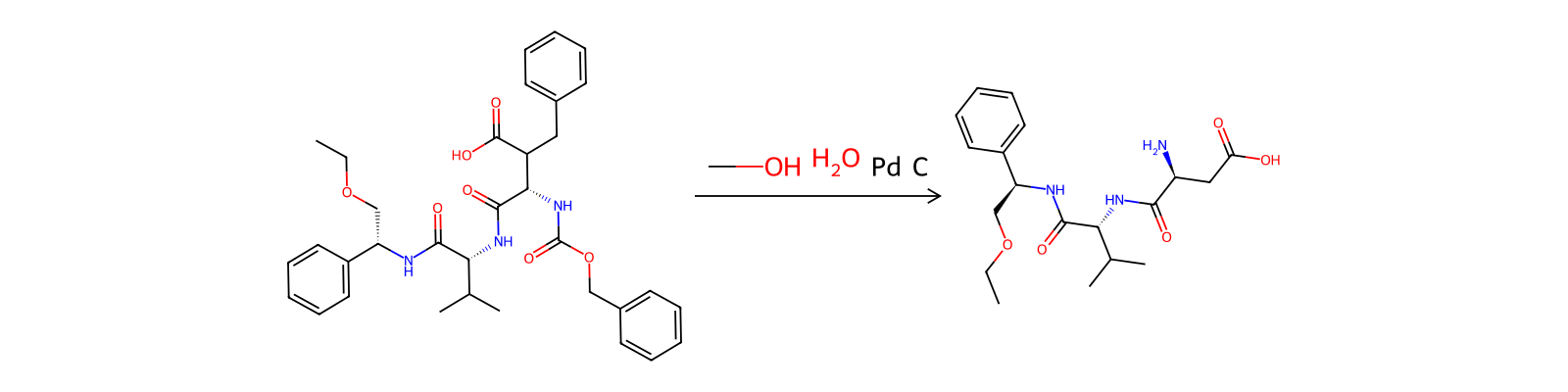
444.642


Verknüpfte Notizen
Wird geladen…