HRID 863649als Produkt

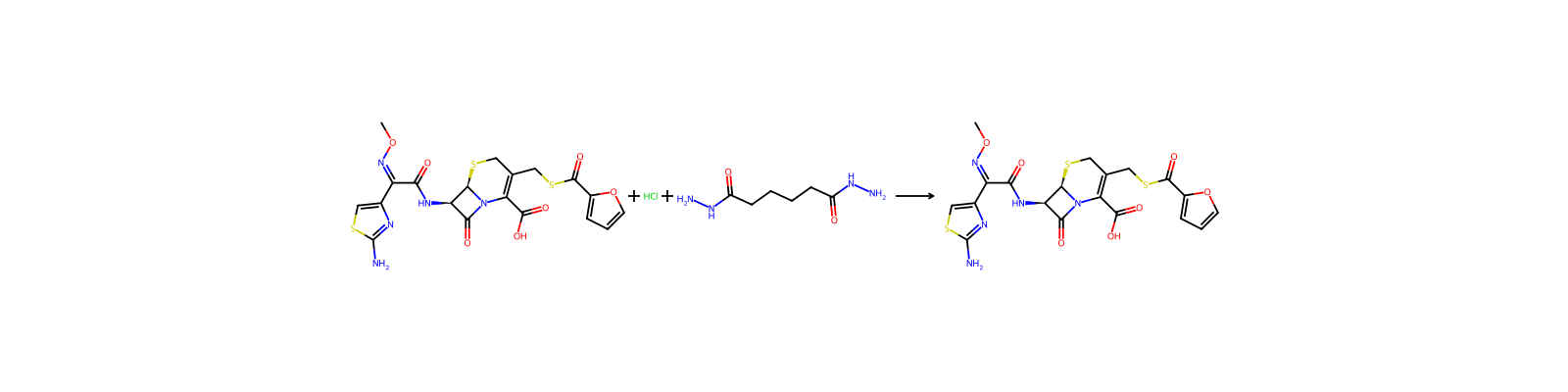
103980-44-5CO/N=C(\C(=O)N[C@@H]1C(=O)N2C(C(=O)O)=C(CSC(=O)c3ccco3)CS[C@H]12)c1csc(N)n1.ClKEQFDTJEEQKVLM-JUODUXDSSA-NCeftiofur Hydrochloride is the hydrochloride salt form of ceftiofur, a semisynthetic, beta-lactamase-stable, broad-spectrum, third-generation cephalosporin with antibacterial activity. Ceftiofur binds to and inactivates penicillin-binding proteins (PBPs) located on the inner membrane of the bacterial cell wall. PBPs are enzymes involved in the terminal stages of assembling the bacterial cell wall and in reshaping the cell wall during growth and division. Inactivation of PBPs interferes with the cross-linkage of peptidoglycan chains necessary for bacterial cell wall strength and rigidity. This results in the weakening of the bacterial cell wall and causes cell lysis.
103980-44-5DTXSID101034300CHEMBL2106486Sicherheitsangaben dienen nur zur Orientierung und ersetzen weder das Sicherheitsdatenblatt (SDB) des Lieferanten noch geltende Vorschriften oder eine fachliche Bewertung.
This chemical does not meet GHS hazard criteria for 1.1% (1 of 90) of reports.
Danger
H317 (60%): May cause an allergic skin reaction [Warning Sensitization, Skin]
P233, P260, P261, P271, P272, P280, P284, P302+P352, P304+P340, P319, P321, P333+P317, P342+P316, P362+P364, P403, and P501 (click each P-code to see the statement)
Aggregated GHS information provided per 90 reports by companies from 3 notifications to the ECHA C&L Inventory. Each notification may be associated with multiple companies.
REACH registered substance: (6R,7R)-7-[[(2Z)-2-(2-amino-1,3-thiazol-4-yl)-2-methoxyiminoacetyl]amino]-3-(furan-2-carbonylsulfanylmethyl)-8-oxo-5-thia-1-azabicyclo[4.2.0]oct-2-ene-2-carboxylic acid;hydrochloride (EC: 600-507-2)
Ceftiofur hydrochloride: Does not have an individual approval but may be used under an appropriate group standard
BeschreibungCeftiofur Hydrochloride is the hydrochloride salt form of ceftiofur, a semisynthetic, beta-lactamase-stable, broad-spectrum, third-generation cephalosporin with antibacterial activity. Ceftiofur binds to and inactivates penicillin-binding proteins (PBPs) located on the inner membrane of the bacterial cell wall. PBPs are enzymes involved in the terminal stages of assembling the bacterial cell wall and in reshaping the cell wall during growth and division. Inactivation of PBPs interferes with the cross-linkage of peptidoglycan chains necessary for bacterial cell wall strength and rigidity. This results in the weakening of the bacterial cell wall and causes cell lysis.
VerwendenCeftiofur hydrochloride (ceftiofur) has been approved for treatment against respiratory diseases in many animals.1,3,8–10 The recommended dosage regimen of ceftiofur for the treatment of swine respiratory disease is 3–5 mg/kg body weight (BW) administered intramuscularly once daily for 3–5 consecutive days.