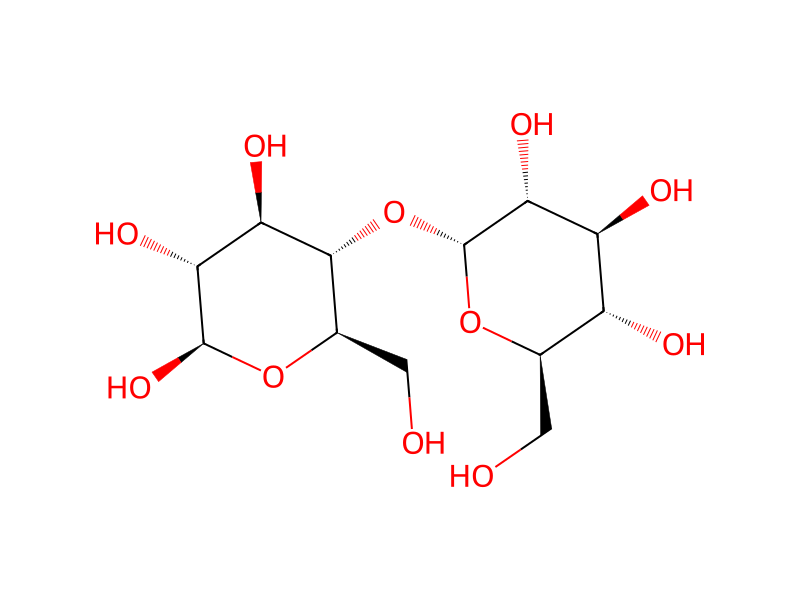
beta-Maltose → beta-Maltose
HRID 1004393
Reaktionsgleichung

[CH2:1]([OH:23])[C@H:2]1[O:7][C@H:6]([O:8][C@H:9]2[C@H:14]([OH:15])[C@@H:13]([OH:16])[C@H:12]([OH:17])[O:11][C@@H:10]2[CH2:18][OH:19])[C@H:5]([OH:20])[C@@H:4]([OH:21])[C@@H:3]1[OH:22].B(O)(O)O>>[CH2:1]([OH:23])[C@H:2]1[O:7][C@H:6]([O:8][C@H:9]2[C@H:14]([OH:15])[C@@H:13]([OH:16])[C@H:12]([OH:17])[O:11][C@@H:10]2[CH2:18][OH:19])[C@H:5]([OH:20])[C@@H:4]([OH:21])[C@@H:3]1[OH:22].[CH2:1]([OH:23])[C@H:2]1[O:7][C@H:6]([O:8][C@@H:9]([C@H:14]([OH:15])[C:13]([CH2:12][OH:17])=[O:16])[C@H:10]([OH:11])[CH2:18][OH:19])[C@H:5]([OH:20])[C@@H:4]([OH:21])[C@@H:3]1[OH:22]Komponenten
4

Versuchsvorschrift
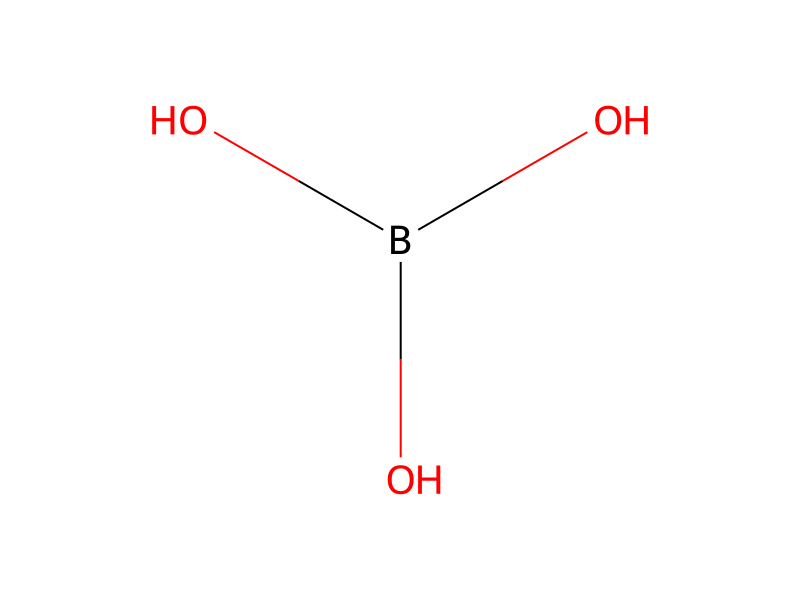
For example, the isomerisation of a maltose rich syrup is achieved by the addition of boric acid in at least equimolar quantities. The pH is then set at a value above 10, preferably close to 11. Isomerisation is then carried out at a temperature of about 50° C., over a period of between 4 and 5 hours. At the end of this isomerisation reaction, the yield from the conversion of maltose to maltulose is above 80%.