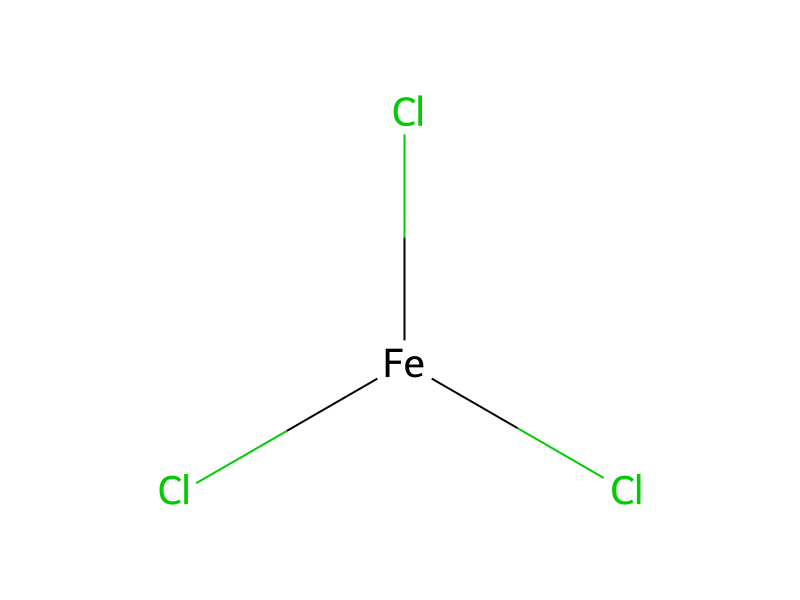
To a solution of N,N-dimethyl-2-[5-(methyloxy)-6-nitro-2,3-dihydro-1H-indol-1-yl]-2-oxoethanamine (1.0 g, 3.58 mmol) in methanol (30 mL) was added activated carbon (1.0 g), iron (III) chloride (0.120 mg, 0.2 equiv.) and hydrazine hydrate (0.800 mL, 25 mmol, 7.0 equiv.). The resulting slurry was warmed to 60° C. and maintained overnight. The next morning the reaction was filtered, taken to a residue under reduced pressure, and partitioned between ethyl acetate and brine. The organic layer was dried over sodium sulfate. Volatiles were removed and the derived 1-[(dimethylamino)acetyl]-5-(methyloxy)-2,3-dihydro-1H-indol-6-amine was isolated as a white solid of sufficient purity for use in subsequent transformations (0.550 g, 2.20 mmol, 62% yield). 1H NMR (400 MHz, DMSO-d6) δ ppm 2.23 (s, 6 H), 2.95 (t, J=8.43 Hz, 2 H), 3.11 (s, 2 H), 3.68 (s, 3 H), 4.05 (t, J=8.25 Hz, 2 H), 4.61 (s, 2 H), 6.68 (s, 1 H), 7.53 (s, 1 H).