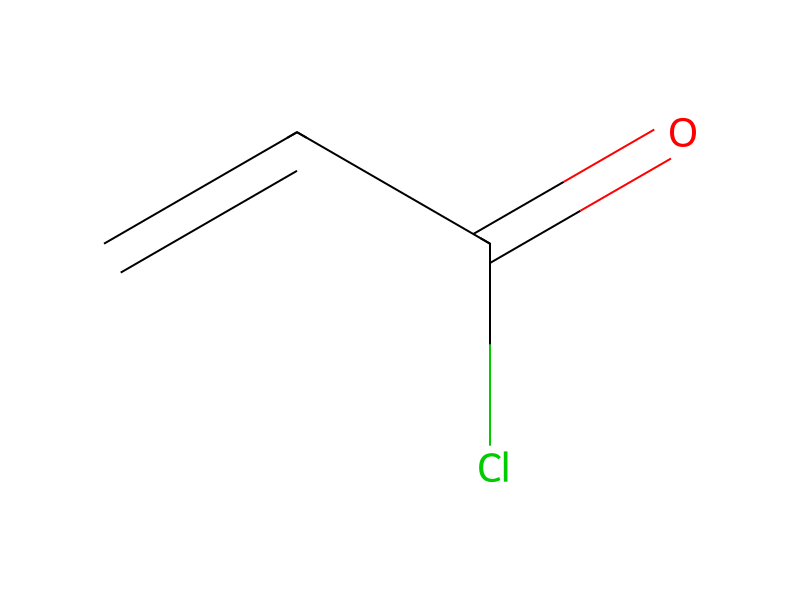
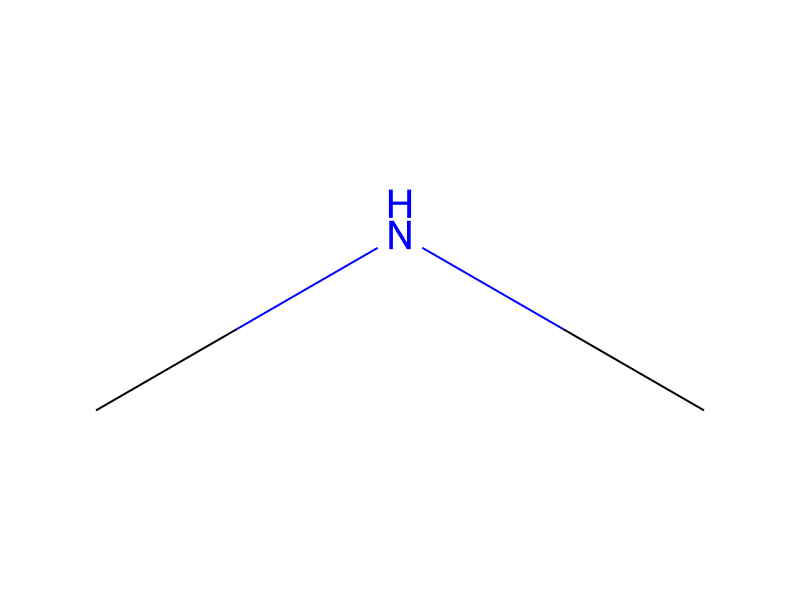
A suspension of 5-(methyloxy)-6-nitro-2,3-dihydro-1 H-indole (1.50 g, 7.73 mmol) and polymer supported diisopropylethylamine (4.1 g, 16 mmol) in dichloromethane (100 mL) was cooled to 0° C. and 2-propenoyl chloride (0.750 mL, 9.3 mmol) was added dropwise. The solution was warmed slowly to room temperature and all solids were observed to dissolve. The mixture was filtered through celite, the celite washed twice with dichloromethane, and the combined filtrates were concentrated under reduced pressure to give a crude residue which was dissolved directly in a 1.0M dimethyl amine solution in tetrahydrofuran (40 mL). The solution was maintained at 60° C. for 12 hours, cooled, taken to a residue under reduced pressure, and purified by chromatography on SiO2 to afford N,N-dimethyl-3-[5-(methyloxy)-6-nitro-2,3-dihydro-1H-indol-1-yl]-3-oxo-1-propanamine (1.52 g, 67% Yield). 1H NMR (400 MHz, CDCl3) δ ppm 8.68 (s, 1 H), 6.91 (s, 1 H), 4.15 (t, J=8.43 Hz, 2 H), 3.91 (s, 3 H), 3.26 (t, J=8.43 Hz, 2 H), 2.81 (t, J=7.33 Hz, 2 H), 2.66 (t, J=7.15 Hz 2 H), 2.27-2.41 (m, 6H). U24644/64/1