Ethyldiisopropylamin
Diisopropylethylamine
Daten werden ergänzt – lade die Seite später neu, um den aktuellen Stand zu sehen

Grundinformationen
- CAS
7087-68-5- Standard-SMILES
CCN(C(C)C)C(C)C- InChIKey
JGFZNNIVVJXRND-UHFFFAOYSA-N- Summenformel
- C8H19N
- Durchschnittliche Molmasse
- 129,24 g/mol
- Monoisotopische Masse
- 129,15174961
Namen und Bezeichner
- Bevorzugter Name
- Diisopropylethylamine
- IUPAC
- N-ethyl-N-propan-2-ylpropan-2-amine
- Lokaler Name
- Ethyldiisopropylamin
- Englischer Name
- N,N-Diisopropylethylamine
- Summenformel
- C8H19N
- Molmasse
- 129.24
Namen und Synonyme
N,N-Diisopropylethylamine7087-68-5EthyldiisopropylamineDiisopropylethylamineN-EthyldiisopropylaminedieaDIPEAHunig's Base2-Propanamine, N-ethyl-N-(1-methylethyl)-1,1'-Dimethyltriethylamine5SIQ15721LNSC-147491
Weitere Namen anzeigen
DIEPAi-Pr2NEt
DTXSID8064561RefChem:161220DTXCID3046829230-392-0N-ethyl-N-isopropylpropan-2-amineethylbis(propan-2-yl)amineN-Ethyl-N,N-diisopropylamineN-ethyl-N-propan-2-ylpropan-2-amine
Datenbank-Bezeichner
- CAS
7087-68-5- PubChem CID
- 81531
- DTXSID
DTXSID8064561- ChEBI
CHEBI:193590- UNII
- 5SIQ15721L
- EC Number
- 230-392-0
- Nikkaji
- J108.742H
Eigenschaften
Berechnete StruktureigenschaftenWird ergänzt
- XLogP
- 2,2
- Polarare Oberfläche (TPSA)
- 3,2 Ų
- H-Brücken-Donoren
- 0
- H-Brücken-Akzeptoren
- 1
- Frei drehbare Bindungen
- 3
- Schwere Atome
- 9
- Formalladung
- 0
- Komplexität
- 59
Experimentelle und physikochemische Eigenschaften
Density0.742 @25 °C
Boiling Point126.5 °C @760 [mm Hg]
Vapor Pressure12.0 [mmHg]
Physical DescriptionClear colorless liquid; [Sigma-Aldrich MSDS]
Physikochemische Eigenschaften
- Schmelzpunkt
- 50 to · −50 to −46 °C (−58 to −51 °F; 223 to 227 K)
- Siedepunkt
- 126.6 °C; · 126.6 °C; 259.8 °F; 399.7 K
- Dichte
- 0.742 g · 0.742 g mL−1
- Dampfdruck
- 31 mmHg · 31 mmHg ( 37.7 °C)
- Brechungsindex
- 1.414 · 1.414
- Flammpunkt
- 10 °C · 10 °C (50 °F; 283 K)
- storage temp.
- 30 °C · Store below +30°C.
- Löslichkeit
- miscible
Sicherheit und Regulatorisches
Sicherheitsangaben dienen nur zur Orientierung und ersetzen weder das Sicherheitsdatenblatt (SDB) des Lieferanten noch geltende Vorschriften oder eine fachliche Bewertung.
GHS-Klassifizierung
GHS Classification
This chemical does not meet GHS hazard criteria for < 0.1% (1 of 2527) of reports.
Danger
H225 (97.8%): Highly Flammable liquid and vapor [Danger Flammable liquids];H302 (92.3%): Harmful if swallowed [Warning Acute toxicity, oral];H318 (96.4%): Causes serious eye damage [Danger Serious eye damage/eye irritation];H331 (91.3%): Toxic if inhaled [Danger Acute toxicity, inhalation];H335 (91.3%): May cause respiratory irritation [Warning Specific target organ toxicity, single exposure; Respiratory tract irritation]
P210, P233, P240, P241, P242, P243, P261, P264, P264+P265, P270, P271, P280, P301+P317, P303+P361+P353, P304+P340, P305+P354+P338, P316, P317, P319, P321, P330, P370+P378, P403+P233, P403+P235, P405, and P501 (click each P-code to see the statement)
Aggregated GHS information provided per 2527 reports by companies from 28 notifications to the ECHA C&L Inventory. Each notification may be associated with multiple companies.;Reported as not meeting GHS hazard criteria per 1 of 2527 reports by companies.;There are 27 notifications provided by 2526 of 2527 reports by companies with hazard statement code(s).;Information may vary between notifications depending on impurities, additives, and other factors. The percentage value in parenthesis indicates the notified classification ratio from companies that provide hazard codes. Only hazard codes with percentage values above 10% are shown. For more detailed information, please visit ECHA C&L website.
Gefahrenhinweise
Regulatory Information
Chemical: 2-Propanamine, N-ethyl-N-(1-methylethyl)-
2-Propanamine, N-ethyl-N-(1-methylethyl)- is listed on the EPA's Chemical Data Reporting (CDR) system. Manufacturers and importers of 2-Propanamine, N-ethyl-N-(1-methylethyl)- are required to report information about their production and use of this chemical to the EPA under the Toxic Substances Control Act (TSCA). (40 eCFR Part 711)
Status: Active Update: 01-06-2022 https://echa.europa.eu/registration-dossier/-/registered-dossier/13609;Status: Active Update: 24-10-2022 https://echa.europa.eu/registration-dossier/-/registered-dossier/28157
Chemie und Industrie
Verwendung und Herstellung
Uses
Used to make and/or formulate industrial products; [BASF MSDS]
Synthetic Polymer MALDI Matrix Compounds
U.S. Production2022: 50,000 - <250,000 lb;2021: 50,000 - <250,000 lb;2020: 50,000 - <250,000 lb
Industry UsesIntermediate
General Manufacturing Information
All Other Basic Organic Chemical Manufacturing
2-Propanamine, N-ethyl-N-(1-methylethyl)-: ACTIVE
Anwendungen
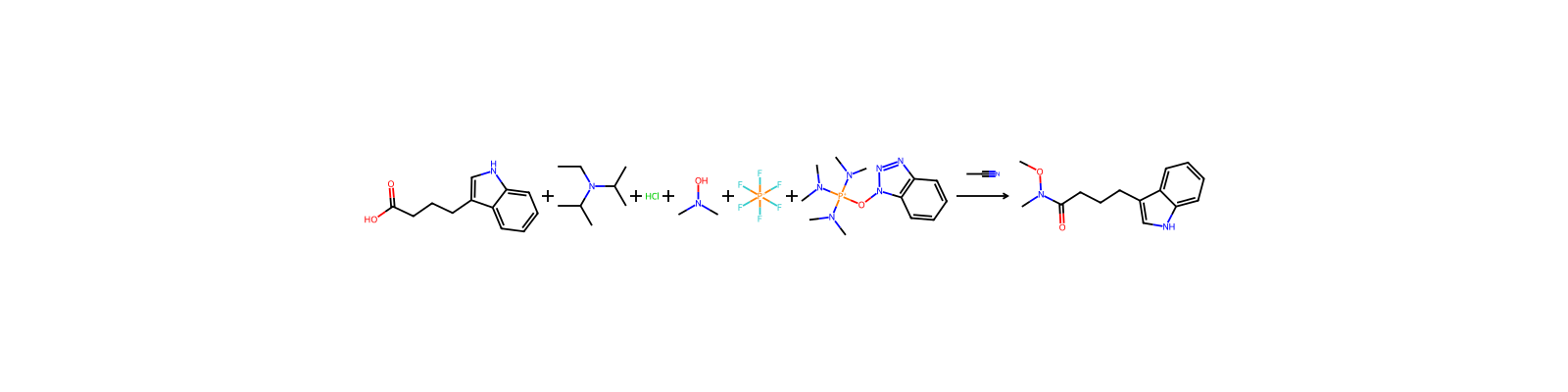
VerwendenN,N-Diisopropylethylamine is used as a base in organic reactions. Used in the preparation of (-)Gambierol a marine polycyclic ether toxin. It is also used in the synthesis of potent inhibitors of human brain memapsin, a key effector in the progression of Alzheimer’s disease.
Darstellung
synthetischeN,N-Diisopropylethylamine is used as a non-nucleophilic base in organic synthesis. It is prepared by the alkylation of diisopropylamine with diethyl sulphate. DIPEA can then be purified through distillation from potassium hydroxide if necessary.
Vor- und nachgelagerte Produkte
Nachgelagerte Produkte
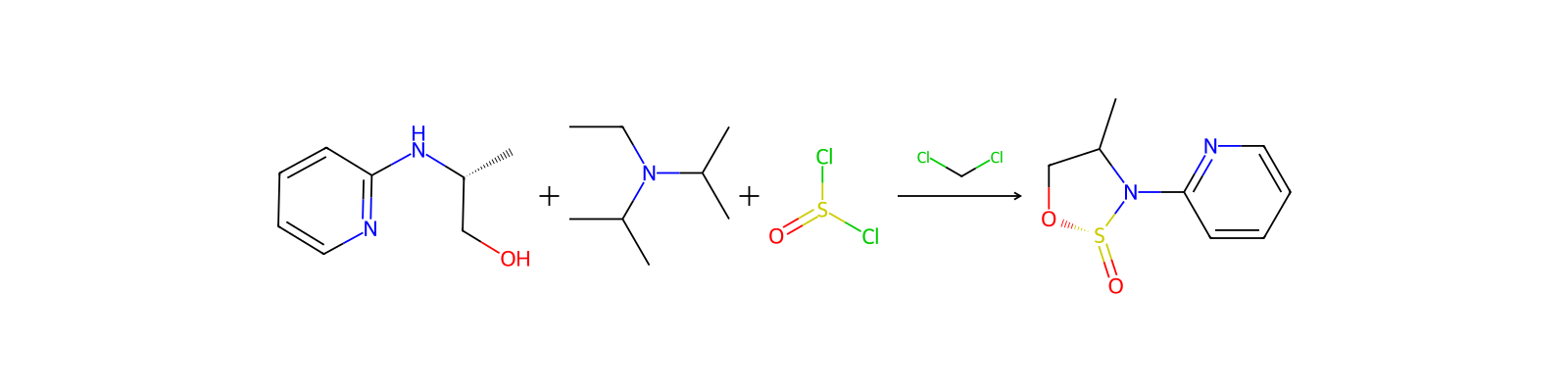
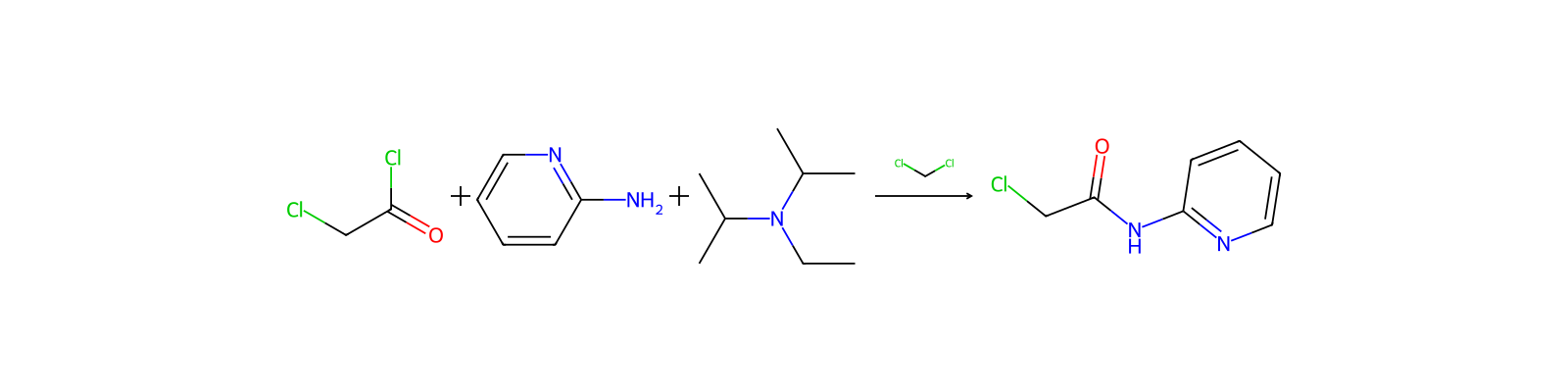
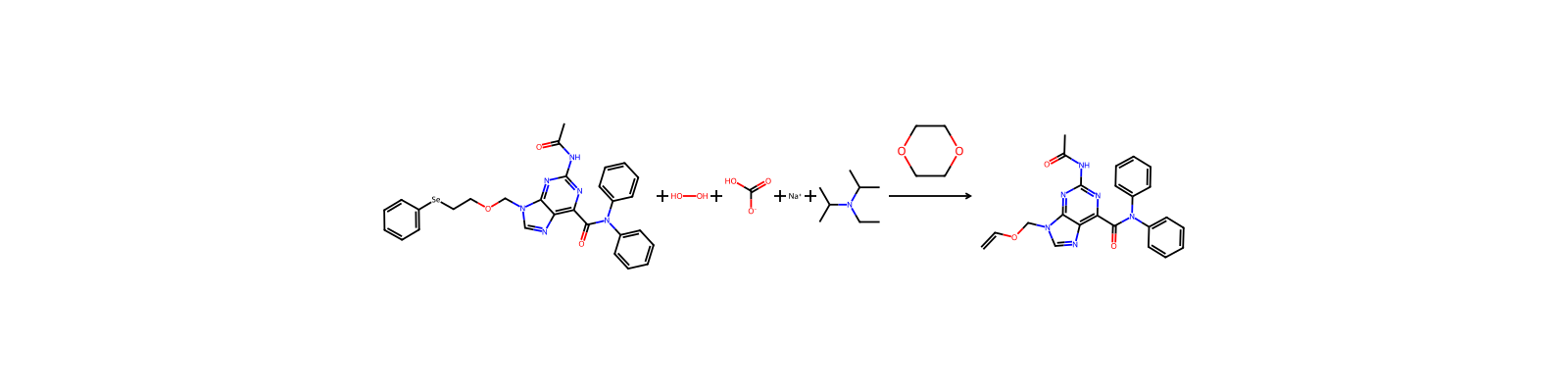
Zugehörige Reaktionen
107.525


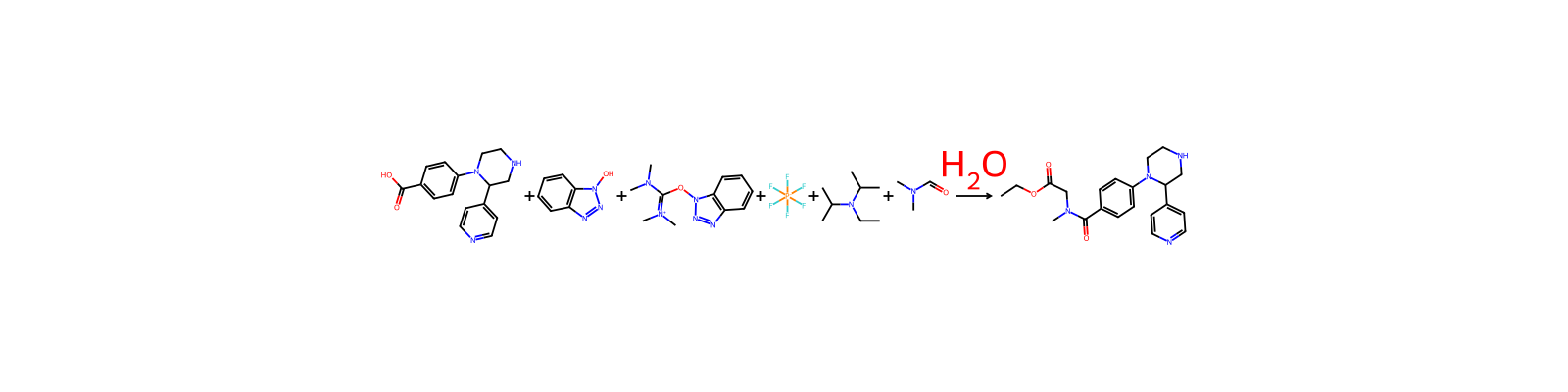

Notizen zur Verbindung
Wird geladen…