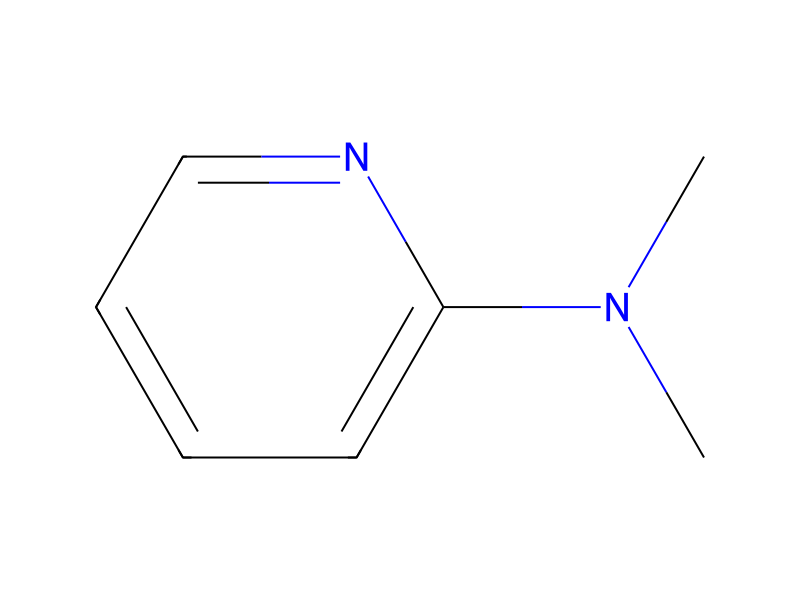
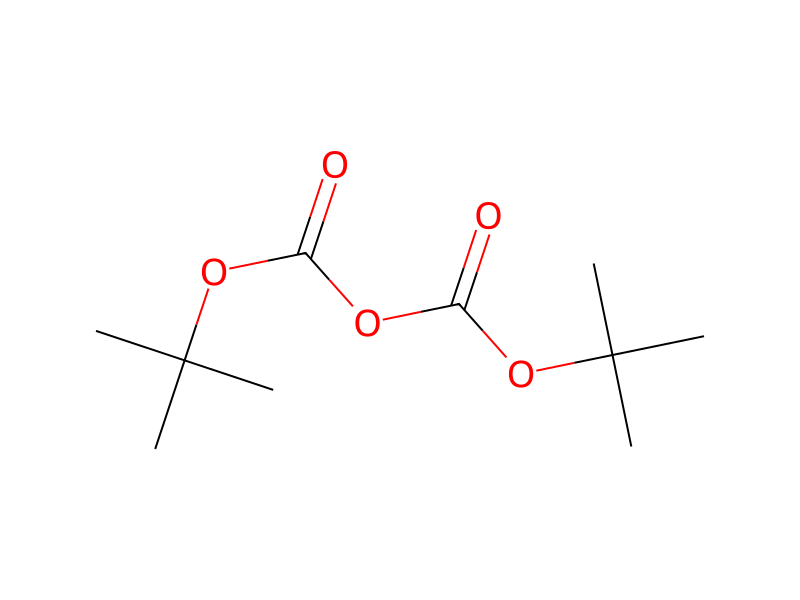
tert-Butyl 5-bromo-1H-benzo[d]imidazole-2-carboxylate. A solution of 5-bromo-1H-benzimidazole (1.06 g, 5.38 mmol), di-tert-butyl dicarbonate (1.3 g, 5.91 mmol), triethylamine (0.9 mL, 6.45 mmol) and dimethylaminopyridine (few crystals) in anhydrous tetrahydrofuran (15 mL) was allowed to stir at room temperature overnight. The reaction mixture was concentrated under reduced pressure and the crude product was purified by Biotage chromatography (0-55% ethyl acetate in hexanes) to provide the desired product (0.85 g, 54%) as a white solid. MS (ESI) m/z 297.3 [M+1]+.