1-Phenethylamine → 3-(1-Phenylethyl)-5-(quinolin-5-YL)-1H-imidazo[4,5-B]pyridin-2(3H)-one
HRID 1014716
Reaktionsgleichung

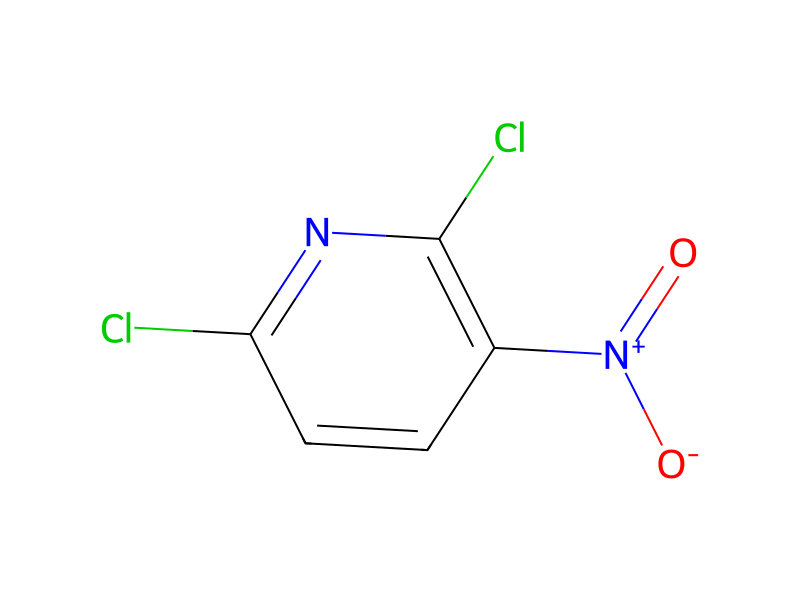
Cl[C:2]1[N:7]=[C:6]([NH:8][CH:9]([C:11]2[CH:16]=[CH:15][CH:14]=[CH:13][CH:12]=2)[CH3:10])[C:5]([N+:17]([O-])=O)=[CH:4][CH:3]=1.Cl[C:21]1[C:26]([N+]([O-])=O)=[CH:25][CH:24]=[C:23](Cl)[N:22]=1.C(N(C(C)C)CC)(C)C.[C:40]1(C(N)C)C=C[CH:43]=[CH:42][CH:41]=1.[O:49]1CCC[CH2:50]1>>[C:11]1([CH:9]([N:8]2[C:6]3=[N:7][C:2]([C:43]4[CH:42]=[CH:41][CH:40]=[C:21]5[C:26]=4[CH:25]=[CH:24][CH:23]=[N:22]5)=[CH:3][CH:4]=[C:5]3[NH:17][C:50]2=[O:49])[CH3:10])[CH:16]=[CH:15][CH:14]=[CH:13][CH:12]=1