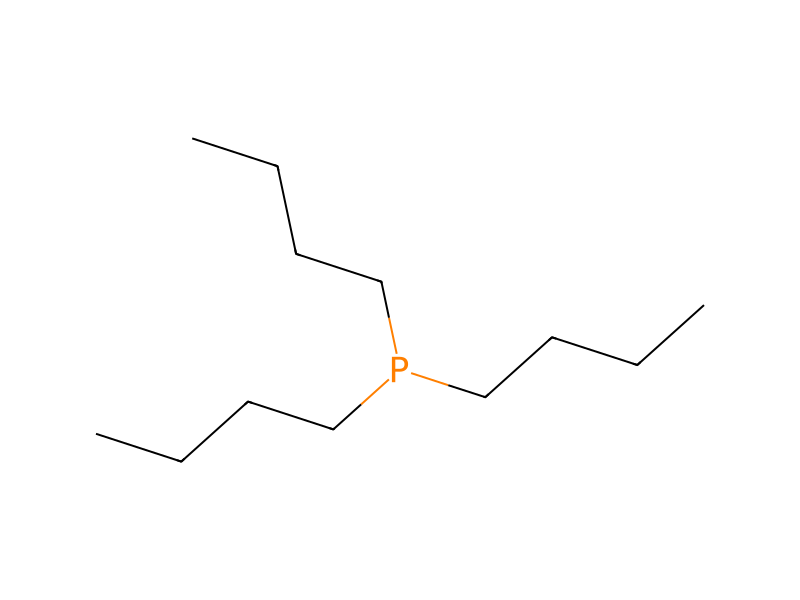
Tributylphosphine → 6-(2,2-difluoroethoxy)-3-(3,4-dimethoxybenzyl)-7-fluoro-1-(tetrahydro-2H-pyran-4-yl)-quinazoline-2,4(1H,3H)-dione
Reaktionsgleichung

[F:1][C:2]([F:5])(O)[CH3:3].C(P(CCCC)CCCC)CCC.CC(OC(/N=N/C(OC(C)C)=O)=O)C.[CH3:33][O:34][C:35]1[CH:36]=[C:37]([CH:59]=[CH:60][C:61]=1[O:62][CH3:63])[CH2:38][N:39]1[C:48](=[O:49])[C:47]2[C:42](=[CH:43][C:44]([F:51])=[C:45]([OH:50])[CH:46]=2)[N:41]([CH:52]2[CH2:57][CH2:56][O:55][CH2:54][CH2:53]2)[C:40]1=[O:58]>C1COCC1>[F:1][CH:2]([F:5])[CH2:3][O:50][C:45]1[CH:46]=[C:47]2[C:42](=[CH:43][C:44]=1[F:51])[N:41]([CH:52]1[CH2:57][CH2:56][O:55][CH2:54][CH2:53]1)[C:40](=[O:58])[N:39]([CH2:38][C:37]1[CH:59]=[CH:60][C:61]([O:62][CH3:63])=[C:35]([O:34][CH3:33])[CH:36]=1)[C:48]2=[O:49]Komponenten
6