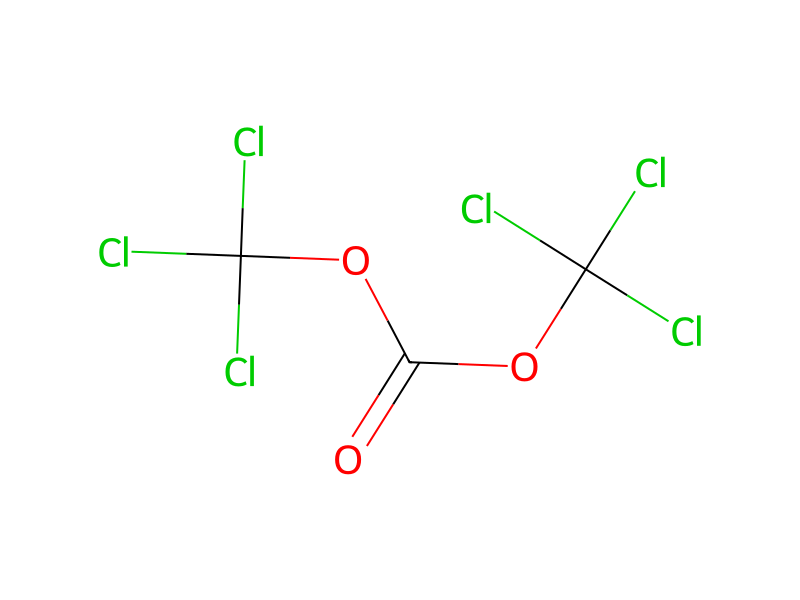
[NH2:1][C@H:2]([CH2:23][CH3:24])[C:3]([NH:5][C:6]1[CH:7]=[N:8][C:9]([O:12][C:13]2[CH:18]=[CH:17][C:16]([CH3:19])=[C:15]([O:20][CH2:21][CH3:22])[CH:14]=2)=[N:10][CH:11]=1)=[O:4].Cl[C:26](Cl)([O:28]C(=O)OC(Cl)(Cl)Cl)Cl>ClCCl>[CH2:23]([C@H:2]1[NH:1][C:26](=[O:28])[N:5]([C:6]2[CH:7]=[N:8][C:9]([O:12][C:13]3[CH:18]=[CH:17][C:16]([CH3:19])=[C:15]([O:20][CH2:21][CH3:22])[CH:14]=3)=[N:10][CH:11]=2)[C:3]1=[O:4])[CH3:24]To a solution of ((2R)-2-amino-N-(2-{[3-(ethyloxy)-4-methylphenyl]oxy}-5-pyrimidinyl)butanamide (Intermediate 94, 62 mg) in dry dichloromethane (4 mL), TEA (158 μl, 1.13 mmol) was added and the reaction mixture was cooled to 0° C. A solution of triphosgene (25.2 mg, 0.085 mmol) in dry dichloromethane (2 mL) was then added dropwise and the reaction mixture was stirred at 0° C. for 20 minutes. The reaction mixture was evaporated under vacuum. The residue obtained was purified by silica gel chromatography chromatography (Companion system, 12 g silica cartridge) with Cyclohexane/EtOAc as eluents from 100/0 to 50/50 in 20 minutes and then 50/50 during 15 minutes to afford the title compound as a white solid (40 mg).