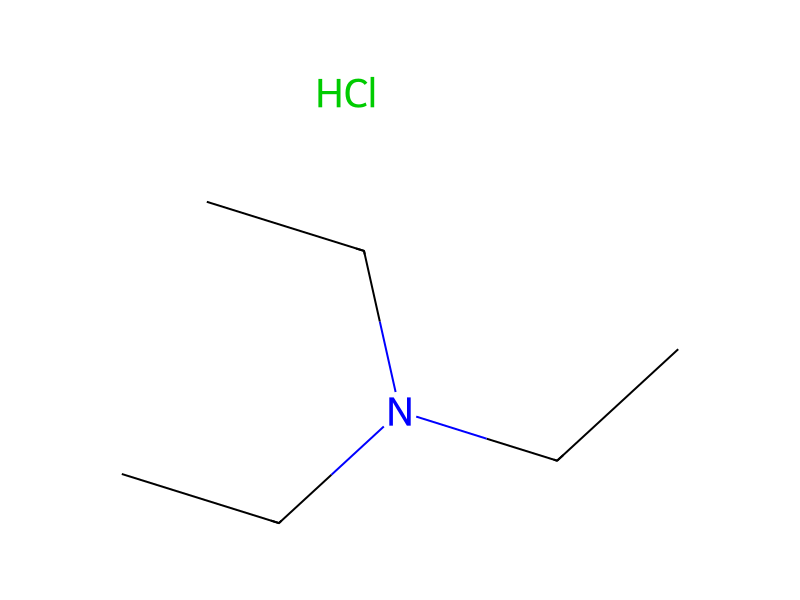
[O:1]1[CH:5]=[CH:4][CH:3]=[C:2]1[CH:6]([NH2:9])[C:7]#[N:8].C(N(CC)CC)C.[CH3:17][C:18]1[S:19][C:20]([C:24](Cl)=[O:25])=[C:21]([CH3:23])[N:22]=1.Cl.C(N(CC)CC)C>C(OC(=O)C)C.O>[C:7]([CH:6]([NH:9][C:24]([C:20]1[S:19][C:18]([CH3:17])=[N:22][C:21]=1[CH3:23])=[O:25])[C:2]1[O:1][CH:5]=[CH:4][CH:3]=1)#[N:8]In 120 ml of ethylacetate were dissolved 6.2 g of alpha-(2-furyl)-alpha-aminoacetonitrile and 6.0 g of triethylamine, and with stirring, the 2,4-dimethylthiazole5-carboxylic acid chloride was added dropwise to the solution, and the mixture was stirred at room temperature for 1 hour. Water (150 ml) was added, and the precipitated triethylamine hydrochloride was dissolved. The ethyl acetate layer was separated, washed with water, and dried over sodium sulfate. The dried ethyl acetate layer was distilled under reduced pressure to remove the solvent. The residue was recrystallized from isopropyl ether to give 11.65 g (yield 90.0%) of the desired N-(alpha-cyanofurfuryl)-2,4-dimethylthiazole-5-carboxylic acid amide.