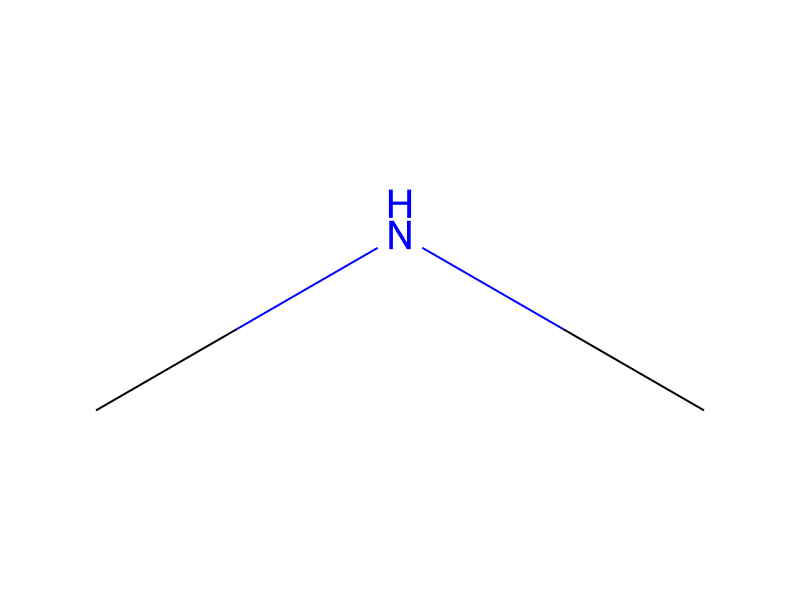
[OH:1][C:2]1[C:7]([C:8]([CH3:11])([CH3:10])[CH3:9])=[CH:6][C:5]([C:12]([CH3:15])([CH3:14])[CH3:13])=[CH:4][C:3]=1[N:16]1[N+:20]([O-])=[C:19]2[CH:22]=[CH:23][C:24]([Cl:26])=[CH:25][C:18]2=[N:17]1.C1(C)C=CC=CC=1.CNC.[H][H]>[C].[Pd].O.CC(O)CC>[OH:1][C:2]1[C:7]([C:8]([CH3:10])([CH3:11])[CH3:9])=[CH:6][C:5]([C:12]([CH3:13])([CH3:14])[CH3:15])=[CH:4][C:3]=1[N:16]1[N:20]=[C:19]2[CH:22]=[CH:23][C:24]([Cl:26])=[CH:25][C:18]2=[N:17]137.4 g (0.1 mol) of 2-(2'-hydroxy-3',5'-di-t-butylphenyl)-5-chlorobenzotriazole-N-oxide, 0.125 g of palladium carbon, 300 ml of a solvent mixture comprising toluene, 2-butanol and water (ratio by volume of 10:7:10) and 5 g of 50% dimethylamine were charged into a 500- ml stainless autoclave equipped with an agitator. After the air in the autoclave had been replaced by hydrogen, the pressure of hydrogen was set to 10 kg/cm2. The temperature of the resultant mixture was increased to 60° C. under agitation, and reaction was been effected while agitation being continued until no more hydrogen was absorbed by the mixture. After the reaction had been completed, the autoclave was cooled, and the catalyst was filtered off. After most part of the solvent had been distilled off from the filtrate, the residual solid was washed with ethanol and dried to obtain 30.4 g of 2-(2'-hydroxy-3',5'-di-t-butylphenyl)-5-chlorobenzotriazole as a target substance (yield, 85.0%; melting point, 153° to 155° C.).