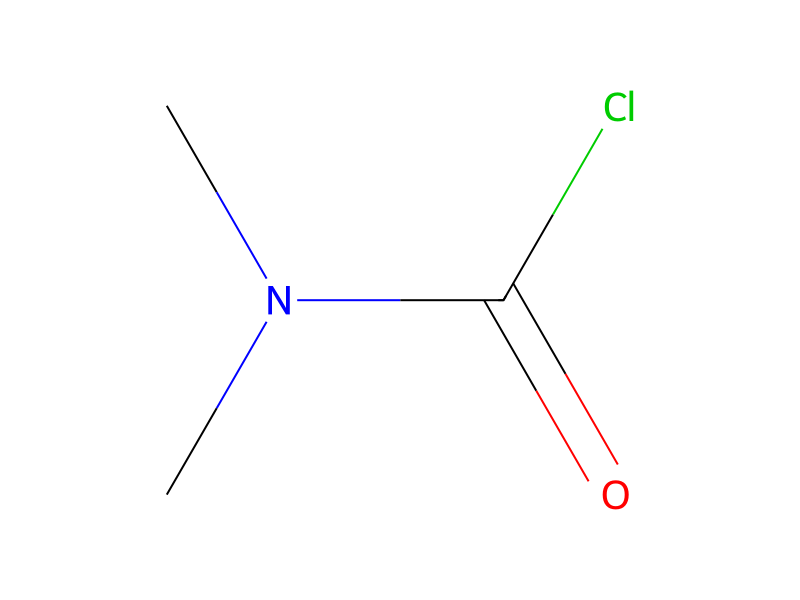
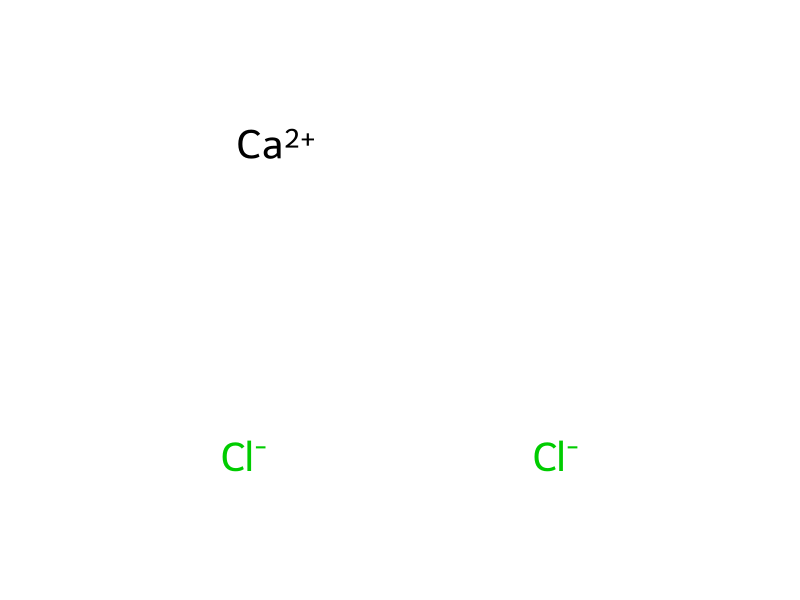
C(O)(=O)C(O)=O.[F:7][C:8]([F:21])([F:20])[C:9]1[CH:10]=[C:11]([CH:17]=[CH:18][CH:19]=1)[O:12][CH:13]1[CH2:16][NH:15][CH2:14]1.C(N(CC)CC)C.[CH3:29][N:30]([CH3:34])[C:31](Cl)=[O:32].[Cl-].[Ca+2].[Cl-]>O1CCCC1.O>[CH3:29][N:30]([CH3:34])[C:31]([N:15]1[CH2:16][CH:13]([O:12][C:11]2[CH:17]=[CH:18][CH:19]=[C:9]([C:8]([F:7])([F:20])[F:21])[CH:10]=2)[CH2:14]1)=[O:32]A stirred slurry of 5 g (0.0163 mole) of 3-[3-(trifluoromethyl)phenoxy]azetidine oxalate in 50 ml of tetrahydrofuran was treated with 5 ml of triethylamine and after 1 hr, 1.95 g (0.018 mole) of dimethylcarbamoyl chloride was added. After stirring an additional 15 hr, the reaction mixture was treated with 20 ml of water and 10 g of calcium chloride. The tetrahydrofuran layer was decanted and the residue triturated with 20 ml of ethyl acetate, then decanted. The combined tetrahydrofuran and ethyl acetate solution was concentrated in vacuo. The crude residue was chromatographed on a Water's Prep-LC using 50% ethyl acetate/toluene as the eluent. After concentration of the main fractions, 3.6 g (76.6%) of pale yellow oil was obtained.