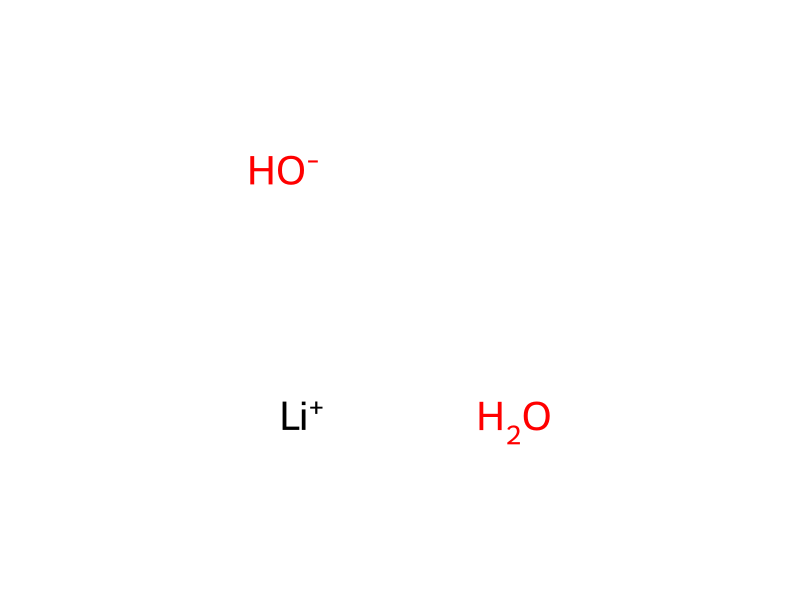
[C:1]([O:5][C:6]([CH:8]1[CH2:13][CH2:12][CH:11]([C:14]2[CH:24]=[CH:23][C:17]([C:18]([O:20]CC)=[O:19])=[CH:16][CH:15]=2)[CH2:10][CH2:9]1)=[O:7])([CH3:4])([CH3:3])[CH3:2].O1CCCC1.O.[OH-].[Li+]>CO>[C:1]([O:5][C:6]([CH:8]1[CH2:9][CH2:10][CH:11]([C:14]2[CH:15]=[CH:16][C:17]([C:18]([OH:20])=[O:19])=[CH:23][CH:24]=2)[CH2:12][CH2:13]1)=[O:7])([CH3:4])([CH3:2])[CH3:3]400 mg of ethyl 4-(4-tert-butoxycarbonylcyclohexyl)benzoate (1.2 mmol, 1 eq) are placed in 6 mL of a 2/1 mixture of tetrahydrofuran and methanol. The reaction medium is cooled using an ice bath, and 202 mg of lithium hydroxide monohydrate (4.81 mmol, 4 eq.) dissolved in 2 mL are added and stirring is continued for 18 hours. The reaction medium is evaporated and acidified with aqueous 6% sulfur dioxide solution. After stirring for 1 hour, the solid obtained is filtered off by suction, and washed successively with water, ethanol and ethyl acetate. The residue is chromatographed on silica gel, eluting with a gradient of methanol in dichloromethane ranging from 3% to 5%. 125 mg of 4-(4-tert-butoxycarbonylcyclohexyl)benzoic acid are obtained.