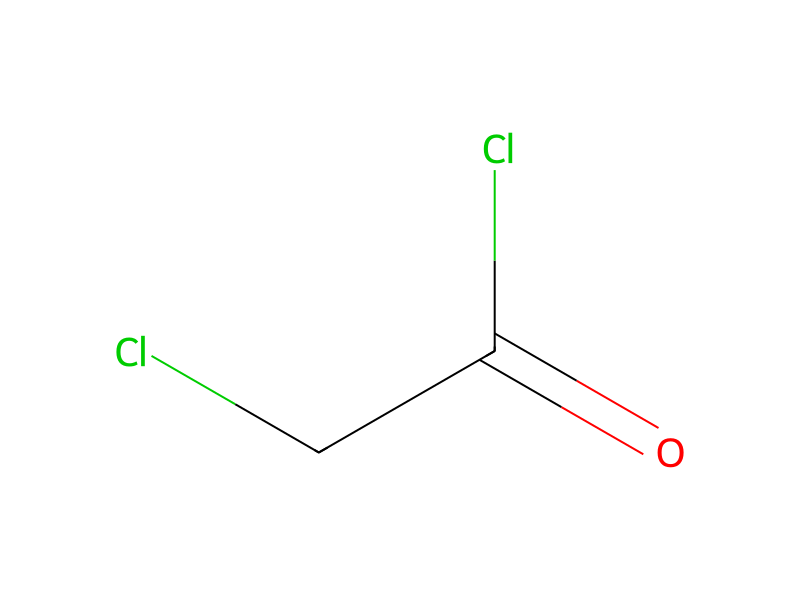
[ClH:1].F[C:3]1[CH:12]=[CH:11]C(F)=[C:9]2[C:4]=1[CH2:5][CH2:6][NH:7][CH2:8]2.C(N(C(C)C)CC)(C)C.[Cl:23][CH2:24][C:25](Cl)=[O:26].Cl[CH2:29][Cl:30]>>[Cl:23][CH2:24][C:25]([N:7]1[CH2:6][CH2:5][C:4]2[C:9](=[C:29]([Cl:30])[CH:11]=[CH:12][C:3]=2[Cl:1])[CH2:8]1)=[O:26]To a stirred suspension of 5,8-di-fluoro-1,2,3,4-tetrahydroisoquinoline hydrochloride (0.69 g, 3.36 mmol) in dichloromethane (20 ml) at 0° C. under nitrogen, diisopropylethylamine (1.40 ml, 8.05 mmol) followed by chloroacetyl chloride (0.32 ml, 4.03 mmol) were added. The mixture was stirred at 0° C. for 2 hr. After being quenched with saturated sodium carbonate solution, water and dichloromethane were added. Layers were separated and the separated aqueous layer was extracted with dichloromethane. The combined organic layers were dried (MgSO4), filtered and solvents were removed in vacuum. Column purification [Hexanes-Ethyl acetate, 4:1 (v/v)] gave chloride 1AC (619 mg, 75%) as colourless oil.