Triethylamine → [1-(4-Carbamoyl-oxazol-2-yl)-cyclopropyl]-carbamic acid benzyl ester
HRID 1040495
Reaktionsgleichung

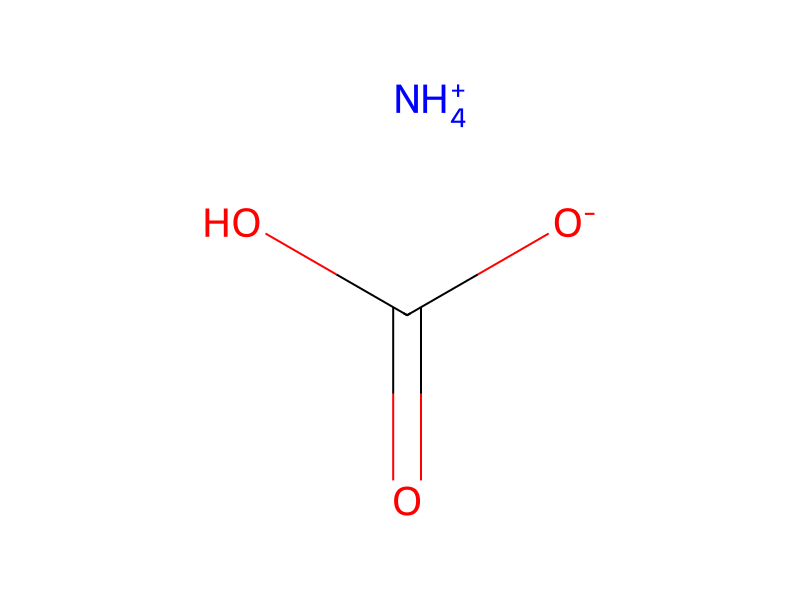
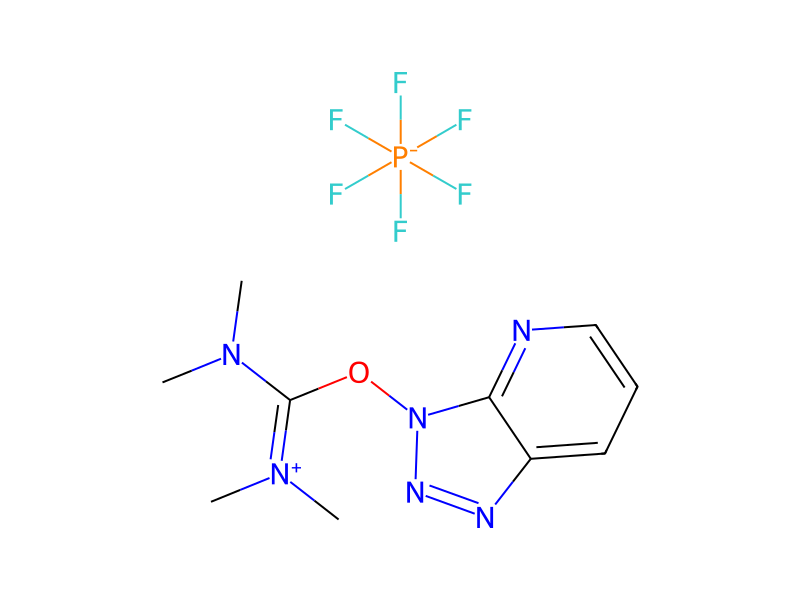
[CH2:1]([O:8][C:9]([NH:11][C:12]1([C:15]2[O:16][CH:17]=[C:18]([C:20]([OH:22])=O)[N:19]=2)[CH2:14][CH2:13]1)=[O:10])[C:2]1[CH:7]=[CH:6][CH:5]=[CH:4][CH:3]=1.C[N:24](C(ON1N=NC2C=CC=NC1=2)=[N+](C)C)C.F[P-](F)(F)(F)(F)F.CCN(CC)CC.C(=O)([O-])O.[NH4+]>CN(C=O)C.O>[CH2:1]([O:8][C:9](=[O:10])[NH:11][C:12]1([C:15]2[O:16][CH:17]=[C:18]([C:20](=[O:22])[NH2:24])[N:19]=2)[CH2:13][CH2:14]1)[C:2]1[CH:3]=[CH:4][CH:5]=[CH:6][CH:7]=1Komponenten
7