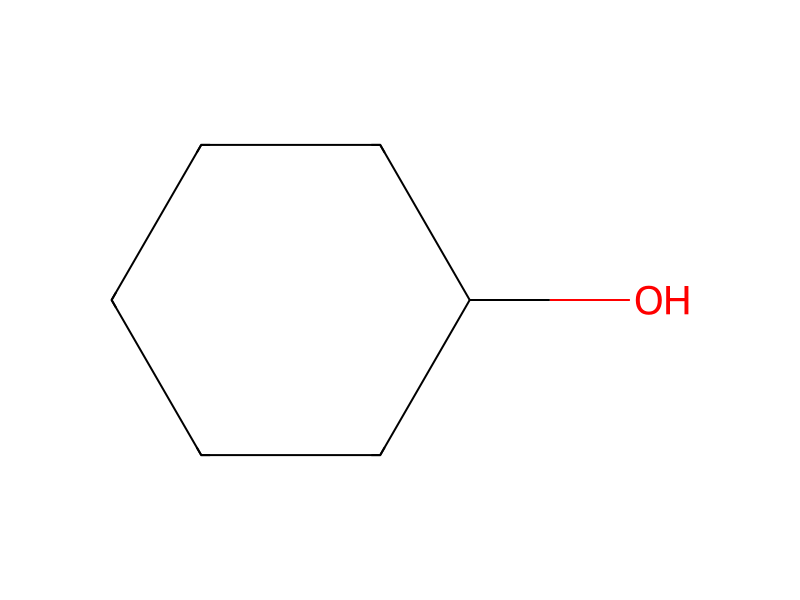
Cyclohexanol → Cyclohexyl 2-(1-{[3,5-bis(difluoromethyl)-1H-pyrazol-1-yl]acetyl}piperidin-4-yl)-1,3-thiazole-4-carboxylate
HRID 1047322
Reaktionsgleichung

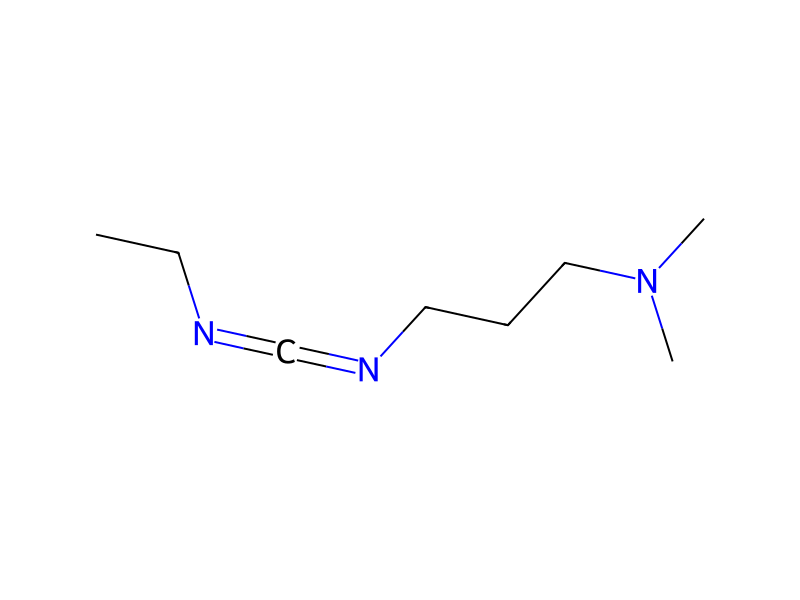
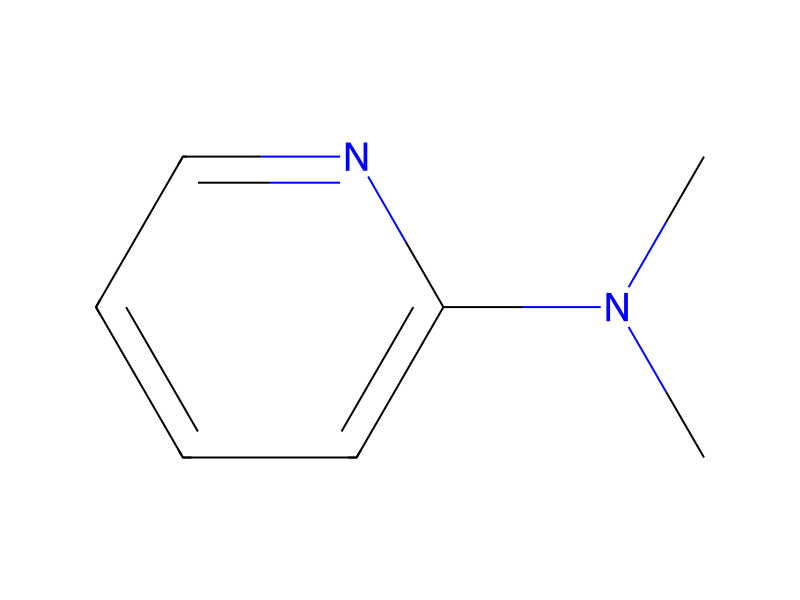
[CH:1]1([OH:7])[CH2:6][CH2:5][CH2:4][CH2:3][CH2:2]1.CN(C1C=CC=CN=1)C.C(N=C=NCCCN(C)C)C.[F:28][CH:29]([F:55])[C:30]1[CH:34]=[C:33]([CH:35]([F:37])[F:36])[N:32]([CH2:38][C:39]([N:41]2[CH2:46][CH2:45][CH:44]([C:47]3[S:48][CH:49]=[C:50]([C:52](O)=[O:53])[N:51]=3)[CH2:43][CH2:42]2)=[O:40])[N:31]=1>ClCCl.O>[F:55][CH:29]([F:28])[C:30]1[CH:34]=[C:33]([CH:35]([F:36])[F:37])[N:32]([CH2:38][C:39]([N:41]2[CH2:42][CH2:43][CH:44]([C:47]3[S:48][CH:49]=[C:50]([C:52]([O:7][CH:1]4[CH2:6][CH2:5][CH2:4][CH2:3][CH2:2]4)=[O:53])[N:51]=3)[CH2:45][CH2:46]2)=[O:40])[N:31]=1Komponenten
7