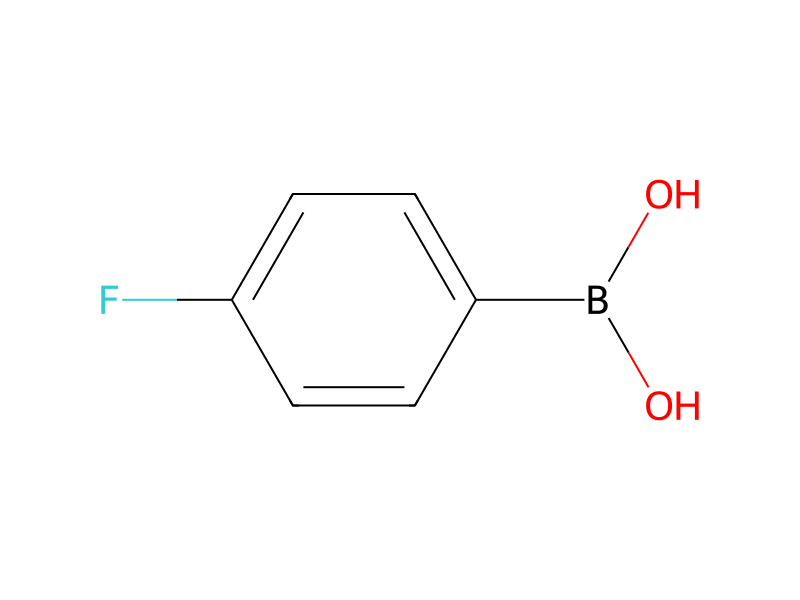
[Br:1][C:2]1[C:3]([OH:17])=[C:4]2[C:9](=[CH:10][CH:11]=1)[N:8]([C:12]([O:14][CH3:15])=[O:13])[C@@H:7]([CH3:16])[CH2:6][CH2:5]2.[F:18][C:19]1[CH:24]=[CH:23][C:22](B(O)O)=[CH:21][CH:20]=1.C(N(CC)CC)C.N1C=CC=CC=1>ClCCl.C([O-])(=O)C.[Cu+2].C([O-])(=O)C>[Br:1][C:2]1[C:3]([O:17][C:22]2[CH:23]=[CH:24][C:19]([F:18])=[CH:20][CH:21]=2)=[C:4]2[C:9](=[CH:10][CH:11]=1)[N:8]([C:12]([O:14][CH3:15])=[O:13])[C@@H:7]([CH3:16])[CH2:6][CH2:5]2A mixture of (S)-methyl 6-bromo-5-hydroxy-2-methyl-3,4-dihydroquinoline-1(2H)-carboxylate (2.00 g, 6.66 mmol), (4-fluorophenyl)boronic acid (1.865 g, 13.33 mmol), copper (II) acetate (1.33 g, 7.33 mmol), 4 Å molecular sieves (1 g), triethylamine (0.93 mL, 6.66 mmol), and pyridine (1.08 mL, 13.33 mmol) in dichloromethane (30 mL) was stirred opened to air at rt for two days. The reaction mixture was filtered through Celite and the filtrate was concentrated to afford a brown oil. This material was purified via column chromatography on silica gel (Biotage 25 g column, gradient elution with 0-10% ethyl acetate-hexane) to afford methyl (S)-6-bromo-5-(4-fluorophenoxy)-2-methyl-3,4-dihydroquinoline-1(2H)-carboxylate (1.81 g, 69%) as a colorless film. MS (ESI, pos. ion) m/z 394, 396 [M+H]+.