StartseiteMCPWorkbenchSkills
StartseiteWorkbenchBenachrichtigungenMein Bereich
llms.txt · MCP-AnleitungDatenschutz · Nutzungsbedingungen · Supportv1.8.0
  1. Startseite
  2. /Verbindung

Essigsäure, Kupfer(II)-Salz

Cupric acetate

HCID 8895
Neue NotizNeue ReaktionAnfrage stellen
Druckvorschau

Daten werden ergänzt – lade die Seite später neu, um den aktuellen Stand zu sehen

GrundinformationenÜberblickNamen und BezeichnerEigenschaftenSicherheit und RegulatorischesChemie und IndustrieZugehörige ReaktionenNotizen zur Verbindung
TeilstruktursucheÄhnliche Strukturen suchen

Grundinformationen

CAS
142-71-2
Standard-SMILES
CC(=O)[O-].CC(=O)[O-].[Cu+2]
InChIKey
OPQARKPSCNTWTJ-UHFFFAOYSA-L
Summenformel
C4H6CuO4
Durchschnittliche Molmasse
181,63 g/mol
Monoisotopische Masse
180,95620617

Überblick

Cupric acetate appears as a blue-green crystalline solid. The primary hazard is the threat to the environment. Immediate steps should be taken to limit its spread to the environment. It is used as an insecticide, in the preparation of other chemicals, as a fungicide, and mildew preventive.

Namen und Bezeichner

Bevorzugter Name
Cupric acetate
IUPAC
copper diacetate
Lokaler Name
Essigsäure, Kupfer(II)-Salz
Englischer Name
Copper(II) acetate
Summenformel
C2H4O2.1/2Cu
Molmasse
181.63

Namen und Synonyme

Copper(II) acetate142-71-2CUPRIC ACETATECopper diacetateCopper(2+) diacetateVenus copperCopper(2+) acetateCrystals of venusCrystallized verdigriscopper (II) acetateCupric diacetateOctan mednaty
Weitere Namen anzeigen
Cu(oAc)2COPPER ACETATECopper (II) AcetataeacetatedecuivreCopper(Ⅱ) acetateBARFOED'S REAGENTAI-61-AoctanmednatyCupper acetate
Neutral verdigrisAcetate de cuivreAcetic acid, copper(2+) saltAcetic acid, cupric saltCopper acetate (Cu(C2H3O2)2)Copper acetate (Cu(OAc)2)Acetic acid copper(2+) saltCu(II) acetate

Datenbank-Bezeichner

CAS
142-71-2、52503-64-7
PubChem CID
8895
DTXSID
DTXSID2059720

Eigenschaften

Berechnete StruktureigenschaftenWird ergänzt

Polarare Oberfläche (TPSA)
80,3 Ų
H-Brücken-Donoren
0
H-Brücken-Akzeptoren
4
Frei drehbare Bindungen
0
Schwere Atome
9
Formalladung
0
Komplexität
25,5

Experimentelle und physikochemische Eigenschaften

Chemical ClassesMetals -> Organic Acids, Metal Salts
CosmeticsSkin conditioning
Density1.9 at 68 °F (USCG, 1999) - Denser than water; will sink
Color/FormBlue-green hydroscopic powder
DecompositionWhen heated to decomposition it emits acrid smoke & irritating fumes.
Melting Point239 °F (USCG, 1999)
Food Contact Substances · 2 Einträge

FCS -> FDA Cumulative Estimated Daily Intake (CEDI)

FCS -> FDA Inventory of Food Contact Substances Listed in 21 CFR

Refractive IndexINDEX OF REFRACTION: 1.545, 1.550; SOL 7.2 G/100 CC COLD WATER; 20 G/100 CC HOT WATER /MONOHYDRATE/
Physical Description · 2 Einträge

Cupric acetate appears as a blue-green crystalline solid. The primary hazard is the threat to the environment. Immediate steps should be taken to limit its spread to the environment. It is used as an insecticide, in the preparation of other chemicals, as a fungicide, and mildew preventive.

Sicherheit und Regulatorisches

Sicherheitsangaben dienen nur zur Orientierung und ersetzen weder das Sicherheitsdatenblatt (SDB) des Lieferanten noch geltende Vorschriften oder eine fachliche Bewertung.

GHS-Klassifizierung

GHS Classification · 6 Einträge

This chemical does not meet GHS hazard criteria for 6.8% (41 of 605) of reports.

Danger

H301 (19.8%): Toxic if swallowed [Danger Acute toxicity, oral]

P260, P262, P264, P264+P265, P270, P273, P280, P301+P316, P301+P317, P301+P330+P331, P302+P352, P302+P361+P354, P304+P340, P305+P354+P338, P316, P317, P321, P330, P361+P364, P363, P391, P405, and P501 (click each P-code to see the statement)

Aggregated GHS information provided per 605 reports by companies from 25 notifications to the ECHA C&L Inventory. Each notification may be associated with multiple companies.

Not Classified

Gefahrenhinweise

Regulatory Information · 4 Einträge

Chemical: Acetic acid, copper(2+) salt

Status: Active Update: 27-03-2023 https://echa.europa.eu/registration-dossier/-/registered-dossier/5859

Copper (II) acetate: Does not have an individual approval but may be used under an appropriate group standard

The New Jersey Worker and Community Right to Know Act requires public and private employers to provide information about hazardous substances at their workplaces. (N.J.S.A. 34:5A-1 et. seq.)

Other Safety InformationIMAP assessments - Acetic acid, copper(2+) salt: Human health tier I assessment
DOT LabelClass 9
Fire HazardsSpecial Hazards of Combustion Products: Irritating vapors of acetic acid may form in fires. (USCG, 1999)
Fire PotentialIt is noncombustible.
Health Hazards · 1 Eintrag

Inhalation of dust causes irritation of throat and lungs. Ingestion of large amounts causes violent vomiting and purging, intense pain, collapse, coma, convulsions, and paralysis. Contact with solutions irritates eyes; contact with solid causes severe eye surface injury and irritation of skin. (USCG, 1999)

Chemie und Industrie

Pharmakologische Informationen

Mechanism of Action · 2 Einträge

The effects of cadmium and copper on the sodium ion (Na(+)) glucose cotransport in the kidney cortical cells of 4 week old male C57B16-rats were studied. Different concentrations of cadmium chloride, zinc chloride, or cupric acetate were added to the culture media. The Na(+)-glucose cotransport was estimated from the uptake of radiolabeled alpha-methylglucoside using scintillation counting techniques. Metallothionein was measured by Sephadex-G-75 column chromatography and subsequent high performance liquid chromatography. For Cd(2+) and Cu(2+), an increase in concentration resulted in an increase in the extent of inhibition of the Na(+)-glucose cotransport with approximately 3 hour lag times for the induction of inhibition. Increases in metal ion concentration also resulted in slower increases of metallothionein protein, with the rapid induction of metallothionein messenger RNA after incubation with the ions. Pretreatment of the cells with zinc(2+) reduced the effects of Cd(2+) and Cu(2+) on the cotransport by delaying the onset and reducing the extent of the inhibition.

Ascorbic acid incubation reduced the occurrence of copper acetate induced increases in methemoglobin, while not effecting changes in glutathione in rats.

Metabolism/Metabolites · 1 Eintrag

Copper is mainly absorbed through the gastrointestinal tract, but it can also be inhalated and absorbed dermally. It passes through the basolateral membrane, possibly via regulatory copper transporters, and is transported to the liver and kidney bound to serum albumin. The liver is the critical organ for copper homoeostasis. In the liver and other tissues, copper is stored bound to metallothionein, amino acids, and in association with copper-dependent enzymes, then partitioned for excretion through the bile or incorporation into intra- and extracellular proteins. The transport of copper to the peripheral tissues is accomplished through the plasma attached to serum albumin, ceruloplasmin or low-molecular-weight complexes. Copper may induce the production of metallothionein and ceruloplasmin. The membrane-bound copper transporting adenosine triphosphatase (Cu-ATPase) transports copper ions into and out of cells. Physiologically normal levels of copper in the body are held constant by alterations in the rate and amount of copper absorption, compartmental distribution, and excretion. (L277, L279)

Absorption, Distribution and Excretion

Zugehörige Reaktionen

5.105
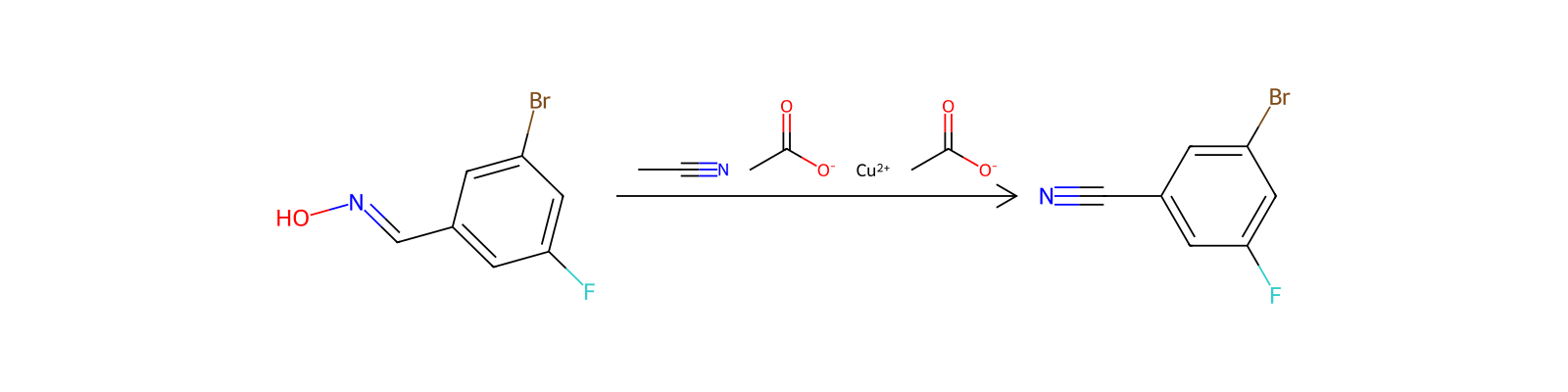
Reaktionsaufzeichnung erstellen
Reaktionsgleichung von HRID 3682
HRID 3682als Katalysatoruspto-grants-1998_03
Reaktionsgleichung von HRID 7002
HRID 7002als Katalysatoruspto-grants-2006_08
Reaktionsgleichung von HRID 9314
HRID 9314als Katalysatoruspto-grants-2006_08
Reaktionsgleichung von HRID 12291
HRID 12291als Katalysatoruspto-grants-2010_06
Reaktionsgleichung von HRID 13066
HRID 13066als Katalysatoruspto-grants-2010_06
Reaktionsgleichung von HRID 13629
HRID 13629als Katalysatoruspto-grants-2010_06
Reaktionsgleichung von HRID 19636
HRID 19636als Katalysatoruspto-grants-2010_06
Reaktionsgleichung von HRID 19637
HRID 19637als Katalysatoruspto-grants-2010_06
Seite 1 von 500

Notizen zur Verbindung

Wird geladen…

Auf dieser SeiteGrundinformationenÜberblickNamen und BezeichnerEigenschaftenSicherheit und RegulatorischesChemie und IndustrieZugehörige ReaktionenNotizen zur Verbindung
Weitere Aktionen
Neue NotizNeue ReaktionAnfrage stellen
UNII
39M11XPH03
EC Number
205-553-3、257-974-7
Nikkaji
J43.166D

Blue-green hygroscopic solid; [HSDB] Green, odorless, hygroscopic crystals; Soluble in water; [Alfa Aesar MSDS]

Other Experimental Properties · 3 Einträge

Dark green, monoclinic crystals; exists in dimeric units; mp: 115 °C; decomp @ 240 °C; density: 1.882. Sol in water, alcohol; slightly sol in ether, glycerol. /Monohydrate/

Efflorescent /Monohydrate/

Odorless /Monohydrate/

Physikochemische Eigenschaften

Schmelzpunkt
115 °C · 115°C
Dichte
1.92 at · 1.92 at 21.9℃
Dampfdichte
6.9 · 6.9 (vs air)
Dampfdruck
0.002 Pa · 0.002Pa at 25℃
storage temp.
Inert atmosphere,Room Temperature
Löslichkeit
DMSO (Slightly, Heated), Methanol (Slightly, Heated)
Aggregatzustand
Powder
Farbe
Green to blue
Flame Color
Green
Wasserlöslichkeit
Soluble in water and alcohol. Slightly soluble in ether and glycerol.
Merck
14 · 14,2624
BRN
3595638 · 3595638
Stabilität
hygroscopic
Kosmetik-Inhaltsstoffe Funktionen
SKIN CONDITIONING
InChI
1S/2C2H4O2.Cu/c2*1-2(3)4;/h2*1H3,(H,3,4);/q;;+2/p-2
InChIKey
OPQARKPSCNTWTJ-UHFFFAOYSA-L
SMILES
CC(=O)O[Cu]OC(C)=O
LogP
-0.285 · -0.285 (est)
Oberflächenspannung
72 mN/m · 72mN/m at 1.01-1.08g/L and 21.2-21.6℃
CAS Datenbank
142 · 142-71-2(CAS DataBase Reference)
EPA chemische Informationen
Cupric acetate (142-71-2)
Hazards Summary · 1 Eintrag

A skin irritant; May cause severe eye injury; Inhalation of dust causes throat and lung irritation; Chronic exposure in dogs causes liver degeneration; [CHRIS] Acute copper poisoning after ingestion can cause liver injury, methemoglobinemia, and hemolytic anemia. Acute renal failure may result, secondary to massive hemoglobinuria. [Goldfrank, p. 1259] A severe eye irritant that may cause serious injury; Toxic by ingestion; [Alfa Aesar MSDS] See Copper.

Reactive GroupSalts, Basic
Special Reports · 5 Einträge

NAS; Medical and Biologic Effects of Environmental Pollutants Copper (1974)

USEPA; Ambient Water Quality Criteria Doc: Copper (1980) EPA 440/5-80-036.

USEPA; Health Issue Assessment: Copper (1987) EPA/600/8-87/001.

USEPA; Drinking Water Criteria Document for Copper (Final Draft) (1985) EPA-600/X-84-190-1

USEPA; Ambient Water Quality Criteria Doc: Copper (1984) EPA 440/5-84-031.

OSHA StandardsPermissible Exposure Limit: Table Z-1 8-hr Time Weighted Avg: 1 mg/cu m. /Copper dusts and mists (as Cu)/
Reactivity Profile · 1 Eintrag

Salts, basic, such as CUPRIC ACETATE, are generally soluble in water. The resulting solutions contain moderate concentrations of hydroxide ions and have pH's greater than 7.0. They react as bases to neutralize acids. These neutralizations generate heat, but less or far less than is generated by neutralization of the bases in reactivity group 10 (Bases) and the neutralization of amines. They usually do not react as either oxidizing agents or reducing agents but such behavior is not impossible.

Air and Water ReactionsWater soluble.

Sicherheit und Schutzausrüstung

Fire FightingExcerpt from ERG Guide 171 [Substances (Low to Moderate Hazard)]:
First AidINHALATION: move to fresh air.
Exposure Control and Personal Protection0.01 [mg/m3], respirable fraction (Cu, inorganic cmpnds)[German Research Foundation (DFG)]
Cleanup Methods · 2 Einträge

Environmental consideration - land spill: Dig a pit, pond, lagoon, holding area to contain liquid or solid material. /SRP: If time permits, pits, ponds, lagoons, soak holes, or holding areas should be sealed with an impermeable flexible membrane liner./ Cover solids with a plastic sheet to prevent dissolving in rain or fire fighting water.

Environmental consideration - water spill: Neutralize with agricultural lime (calcium oxide), crushed limestone (calcium carbonate), or sodium bicarbonate (NaHCO3). Adjust pH to neutral (pH= 7). Use mechanical dredges or lifts to remove immobilized masses of pollutants & precipitates.

Nonfire Spill ResponseExcerpt from ERG Guide 171 [Substances (Low to Moderate Hazard)]:
Disposal Methods · 1 Eintrag

SRP: At the time of review, criteria for land treatment or burial (sanitary landfill) disposal practices are subject to significant revision. Prior to implementing land disposal of waste residue (including waste sludge), consult with environmental regulatory agencies for guidance on acceptable disposal practices.

Preventive Measures · 4 Einträge

If material not involved in fire: Keep material out of water sources & sewers. Build dikes to contain flow as necessary.

Personnel protection: Keep upwind. Avoid breathing vapors or dusts. Wash away any material which may have contacted the body with copious amt of water or soap & water.

SRP: Local exhaust ventilation should be applied wherever there is an incidence of point source emissions or dispersion of regulated contaminants in the work area. Ventilation control of the contaminant as close to its point of generation is both the most economical and safest method to minimize personnel exposure to airborne contaminants.

SRP: The scientific literature for the use of contact lenses in industry is conflicting. The benefit or detrimental effects of wearing contact lenses depend not only upon the substance, but also on factors including the form of the substance, characteristics and duration of the exposure, the uses of other eye protection equipment, and the hygiene of the lenses. However, there may be individual substances whose irritating or corrosive properties are such that the wearing of contact lenses would be harmful to the eye. In those specific cases, contact lenses should not be worn. In any event, the usual eye protection equipment should be worn even when contact lenses are in place.

Isolation and EvacuationExcerpt from ERG Guide 171 [Substances (Low to Moderate Hazard)]:
Minimum Risk LevelAcute Oral: 0.01 mg/kg/day (L134) Intermediate Oral: 0.01 mg/kg/day (L134)
Threshold Limit Values (TLV) · 4 Einträge

1.0 [mg/m3], as Cu

8 hr Time Weighted Avg (TWA): 1 mg/cu m. /Copper dusts and mists, as Cu/

8 hr Time Weighted Avg (TWA): 0.2 mg/cu m. /Copper fume/

Excursion Limit Recommendation: Excursions in worker exposure levels may exceed 3 times the TLV-TWA for no more than a total of 30 minutes during a work day, and under no circumstances should they exceed 5 times the TLV-TWA, provided that the TLV-TWA is not exceeded. /Copper fume, and copper dusts and mists, as Cu/

Permissible Exposure Limit (PEL)1.0 [mg/m3], as Cu
Protective Action Criteria (PAC) · 3 Einträge

8.6 [mg/m3]

17 [mg/m3]

99 [mg/m3]

Toxikologische Informationen

Interactions · 3 Einträge

The effect of cupric acetate on dimethylnitrosamine induced hepatocarcinogenesis in rats was investigated. The surviving rats in the group given dimethylnitrosamine (25 ppm) in the drinking water alone were killed at 26 wk and it was found that 12 of 16 rats had developed liver tumors. In the group given dimethylnitrosamine and cupric acetate (sc injections of 2 copper/kg once a week for 26 wk), 7 of 22 rats developed liver tumors. The incidence of liver tumors in rats given dimethylnitrosamine and cupric acetate was thus only about 40% of that in rats given dimethylnitrosamine alone. No tumor was observed in the group given saline or cupric acetate alone. The thymidine incorporation into the liver DNA of rats given dimethylnitrosamine was significantly suppressed by the administration of cupric acetate. The methylation of liver DNA in rats given a single dose of dimethylnitrosamine was also significantly suppressed by sc injection of cupric acetate; the formation of both O6-methylguanine and 7-methylguanine was reduced. This result suggests that sc injection of cupric acetate may have a suppressive effect on the initiation of carcinogenesis in the liver.

Hepatic lesions by D-L-ethionine in rats produce a significant increase in the blood serum xanthine dehydrogenase activity. Cupric acetate is a potent inhibitor (Ki = 3.42 X 10(-6) M) of the xanthine dehydrogenase activity. Ethionine protects against the inhibitory effect of cupric acetate by formation of a copper complex with behaviour different from that of free ethionine.

The effects of copper acetate and aflatoxin dietary supplements on serum vitamins A and E, albumin, cholesterol and the formed elements of blood in male rats were investigated. CuAc and aflatoxin dietary supplements were 0.5% and 7.8 ppm, respectively. Vitamins A and E, red blood cell count (RBC), mean cell volume (MCV), mean cell Hb content (MCHC) and hematocrit (Hct) were not significantly altered by either supplement while albumin and cholesterol was significantly elevated in groups receiving CuAc or aflatoxin. Serum Hb (HBG) was depressed in animals receiving aflatoxin + CuAc supplement while the WBC (white blood cell) count was depressed in both groups receiving CuAc while aflatoxin had no effect.

Health Effects · 1 Eintrag

People must absorb small amounts of copper every day because copper is essential for good health, however, high levels of copper can be harmful. Very-high doses of copper can cause damage to your liver and kidneys, and can even cause death. Copper may induce allergic responses in sensitive individuals. (L278, L279)

Ecotoxicity Values · 5 Einträge

LC50 Palaemonetes pugio 37.0 mg/l/96 hr (95% confidence limit 12.7-110.9) /Static bioassay/

LC50 Pimephales promelas (fathead minnow) 0.39 mg/l/96 hr (95% confidence limit 0.30-0.51) /Static bioassay/

EC50 Selenastrum capricornatum (green alga) 85 ug/l/14 days /Cell volume bioassay/

EC50 Thalassiosira pseudonana (alga, saltwater) 5 ug/l/72 hr /Growth rate bioassay/

For more Ecotoxicity Values (Complete) data for COPPER(II) ACETATE (9 total), please visit the HSDB record page.

Adverse EffectsOccupational hepatotoxin - Secondary hepatotoxins: the potential for toxic effect in the occupational setting is based on cases of poisoning by human ingestion or animal experimentation.
Exposure RoutesOral (L277) ; inhalation (L277) ; dermal (L277)
Toxicity Summary · 1 Eintrag

Excess copper is sequestered within hepatocyte lysosomes, where it is complexed with metallothionein. Copper hepatotoxicity is believed to occur when the lysosomes become saturated and copper accumulates in the nucleus, causing nuclear damage. This damage is possibly a result of oxidative damage, including lipid peroxidation. Copper inhibits the sulfhydryl group enzymes such as glucose-6-phosphate 1-dehydrogenase, glutathione reductase, and paraoxonases, which protect the cell from free oxygen radicals. It also influences gene expression and is a co-factor for oxidative enzymes such as cytochrome C oxidase and lysyl oxidase. In addition, the oxidative stress induced by copper is thought to activate acid sphingomyelinase, which lead to the production of ceramide, an apoptotic signal, as well as cause hemolytic anemia. Copper-induced emesis results from stimulation of the vagus nerve. (L277, T49, A174, L280)

Signs and SymptomsBreathing high levels of copper can cause irritation of the nose and throat. Ingesting high levels of copper can cause nausea, vomiting, diarrhea, headache, dizziness, and respiratory difficulty. (L278, L279)
Carcinogen ClassificationNo indication of carcinogenicity to humans (not listed by IARC).
Non-Human Toxicity Excerpts · 5 Einträge

Chronic poisoning of rats with copper acetate (0.125% in the drinking water for 30 days) caused no liver necrosis that could be detected morphologically or by measurement of serum transaminases, but upon isolation and perfusion of the liver, reduced bile and bromsulfalein secreting capacities were found. Accumulation of copper in the hepatocytes may thus impair liver function before overt structural damage becomes evident.

Changes in the follicle stimulating hormone and luteinizing hormone secretion associated with the induction of ovulation by intravenous injection of 5 mg copper acetate were observed in the ferret. Conscious estrus ferrets with copper acetate injection caused a great initial increase in plasma luteinizing hormone concentration. The anestrus ferrets had an initial surge in plasma luteinizing hormone content which was followed by a steady decline toward the control values. The changes in plasma follicle stimulating hormone concentration produced by copper acetate were similar but less pronounced.

Copper acetate was tested for teratogenicity and lethality in 8 day chicken embryos. The parameters measured were early deaths, recorded within 2 days of injection, late deaths of malformed embryos, late deaths of nonmalformed embryos, and malformed survivors. Embryotoxicity was seen in chicken embryos that were tested with copper acetate, but was not as significant as dithiocarbamates.

There are limited data concerning toxicity of copper in experimental animals. Heavy accumulation of copper was observed in the liver and kidneys of rats maintained for 16 mo on a diet supplemented with 5,000 ppm copper acetate. Similar depositions were seen in the liver and kidney as well as the brain and the large and small bowel in rats exposed to 1250 ppm cupric acetate monohydrate in the drinking water for up to 902 days.

For more Non-Human Toxicity Excerpts (Complete) data for COPPER(II) ACETATE (12 total), please visit the HSDB record page.

Toxicity DataLD50: 501 mg/kg (Oral, Rat) (L339) LD50: 20 mg/kg (Intravenous, Mouse) (L339)
Acceptable Daily Intakes · 1 Eintrag

The available human data indicate that gastrointestinal distress occurred following ingestion of solutions that contained 5-7 mg of copper and other unknown chemicals as a single dose. These data were used to derive a 1 day health advisory of 1.3 mg/l which, when spread over a day, should provide protection from these acute effects. Since the effects appear to be local irritation, this health advisory is recommended for both the child and the adult. There are no data indicating that human exposure to copper results in chronic toxic effects. Furthermore, there is a nutritional requirement for copper and acute effects appear to be the effects of concern. Therefore, the one day health advisory, 1.3 mg/l, will also be used as the adjustable acceptable daily intake. /Copper/

Non-Human Toxicity ValuesLD50 Rat Oral 595 mg/kg body weight [equivalent copper dose: 208 mg Cu/kg body weight /from table/

Regulatorische Informationen

CERCLA Reportable Quantities · 1 Eintrag

Persons in charge of vessels or facilities are required to notify the National Response Center (NRC) immediately, when there is a release of this designated hazardous substance, in an amount equal to or greater than its reportable quantity of 100 lb or 45.4 kg. The toll free number of the NRC is (800) 424-8802; In the Washington D.C. metropolitan area (202) 426-2675. The rule for determining when notification is required is stated in 40 CFR 302.4 (section IV. D.3.b).

Clean Water Act Requirements · 4 Einträge

Designated as a hazardous substance under section 311(b)(2)(A) of the Federal Water Pollution Control Act and further regulated by the Clean Water Act Amendments of 1977 and 1978. These regulations apply to discharges of this substance.

The permissible concn of total recoverable copper in water to protect freshwater aquatic life is 5.6 ug/l as a 24 hr avg. The log of this concn should not exceed the numerical value of log (0.94 In (hardness) -1.23). The corresponding value to protect saltwater aquatic life is 4.0 ug/l as a 24 hr avg, and should not exceed 23 ug/l at any time. /Total recoverable copper/

Toxic pollutant designated pursuant to section 307(a)(1) of the Clean Water Act and is subject to effluent limitations. /Copper and compounds/

Toxic pollutant designated pursuant to section 307(a)(1) of the Federal Water Pollution Control Act and is subject to effluent limitations. /Copper and cmpd/

State Drinking Water Guidelines(AZ) ARIZONA 1300 ug/l /Copper/
Federal Drinking Water StandardsEPA 1300 ug/l (Action Level) /Copper/
Federal Drinking Water GuidelinesEPA 1000 ug/l /Copper/

Sicherheitsdaten

F
3-10
wgk
3
tsca
TSCA listed
ridadr
UN 3077 9/PG 3
hs_code
29152990
RTECS-Nr.
AG3480000
risk_code
22-36/37/38-50/53
Toxizität
mouse,LD50,intraperitoneal,2500ug/kg (2.5mg/kg),Biochemical Pharmacology. Vol. 30, Pg. 771, 1981.
hazard_code
Xn,N
safety_code
26-60-61-37/39-29
hazard_class
9
Speicherklasse
8B - Non-combustible corrosive hazardous materials
Giftige Stoffe Daten
142-71-2(Hazardous Substances Data)
Hazard Classifications
Acute Tox. 4 OralAquatic Acute 1Aquatic Chronic 2Eye Dam. 1Skin Corr. 1B
· 1 Eintrag

There are limited data concerning toxicity of copper in experimental animals. Heavy accumulation of copper was observed in the liver and kidneys of rats maintained for 16 mo on a diet supplemented with 5,000 ppm copper acetate. Similar depositions were seen in the liver and kidney as well as the brain and the large and small bowel in rats exposed to 1250 ppm cupric acetate monohydrate in the drinking water for up to 902 days.

Verwendung und Herstellung

Uses · 6 Einträge

Used to make Paris Green, as a catalyst, ceramic pigment, mildew preventative, shark repellent, preservative for cellulosic materials, stabilizer for polyurethanes and nylons, in textile dying, and veterinary medicine; Formerly used as a pesticide and fungicide; [HSDB]

Not found in any pesticide products registered in the US; [NPIRS]

Farming (Pesticides) [Category: Industry]

Ceramics making [Category: Hobbies]

Intermediate in manufacture of Paris Green; as fungicide /former/; as catalyst for organic reactions, incl rubber aging; in textile dyeing; as pigment for ceramics

Pesticide /former/, catalysts, fungicide /former/, pigments, manufacture of Paris green

Methods of Manufacturing · 3 Einträge

Prepd by action of acetic acid on CuO or CuCO3: Winter et al., in Kirk-Othmer Encycl Chem Technology, vol 6 (Interscience, New York, 2nd ed., 1965) p. 267

Copper(II) acetate is usually made by the reaction of copper(II) oxide with hot acetic acid. /Monohydrate/

Action of acetic acid on copper oxide and subsequent crystallization

Formulations/PreparationsGrades or purity: technical, 95-99%; reagent, 99%
Use ClassificationCosmetics -> Skin conditioning
General Manufacturing Information · 3 Einträge

Acetic acid, copper(2+) salt (2:1): ACTIVE

First factory-made basic copper fungicide introduced in 1889

Cupric acetate and cupric nitrate, showed excellent preservation of mosses and lichens, and very good preservation of ferns and grasses.

Anwendungen · 3 Einträge

BeschreibungCopper (II) acetate, also referred to as cupric acetate, is the chemical compound with the formula Cu(OAc)22 where OAc- is acetate (CH3CO2-). The hydrated derivative, which contains one molecule of water for each Cu atom, is available commercially. Anhydrous Cu(OAc)2 is a dark green crystalline solid, whereas Cu2(OAc)4(H2O)2 is more bluish-green. Since ancient times, copper acetates of some form have been used as fungicides and green pigments. Today, copper acetates are used as reagents for the synthesis of various inorganic and organic compounds. Copper acetate, like all copper compounds, emits a blue-green glow in a flame.

HistoryCopper (II) acetate was historically prepared in vineyards, since acetic acid is a byproduct of fermentation. Copper sheets were alternately layered with fermented grape skins and dregs left over from wine production and exposed to air. This would leave a blue substance on the outside of the sheet. This was then scraped off and dissolved in water. The resulting solid was used as a pigment, or combined with arsenic trioxide to form copper acetoarsenite, a powerful insecticide and fungicide called Paris Green or Schweinfurt Green. During the Second World War copper acetate was used as shark repellent . Under war conditions, before adoption it has been tested only very briefly (while in general successfully). The source says copper acetate does repel sharks in some situations but not in all.

VerwendenUsed as a catalyst or oxidizing agent in organic syntheses

Vor- und nachgelagerte Produkte

Vorgelagerte Rohstoffe

C. I. Pigment Blue 30 (77420)Copper(II) sulfate pentahydrateKupfersulfatSodium carbonate decahydrateKupfer(II)-carbonat, basisch

Nachgelagerte Produkte

N,N,N',N'-Tetramethylbut-2-enylendiaminNabumetone3-(Methylthio)butanalDye-fixing agent MOxin-kupfer2-((3-(Trifluormethyl)phenyl)-amino)benzoesäureD-Streptamin, O-3-Deoxy-4-C-methyl-3-(methylamino)-β-L-arabinopyranosyl-(1-6)-O-[2,6-diamino-2,3,4,6-tetradeoxy-α-D-glycero-hex-4-enopyranosyl-(1-4)]-2-deoxy-N1-ethyl-, Sulfat (2:5) (Salz)9,10-Anthracendion, 1,4-Diamino-, N,N'-gemischte 2-Hydroxyethyl und Methylderivate4,6-Dimethylpyrimidine-5-carboxylic acid2,6-Dimethylheptan-3,5-dion4-Formyl-2-methoxyphenylacetatmeso-Tetrakis(4-chlorophenyl)porphyrin-Cu(II)Thioacetanilid2-methyl oxazole 4-ethyl ester2-Iodo-4-nitroaniline