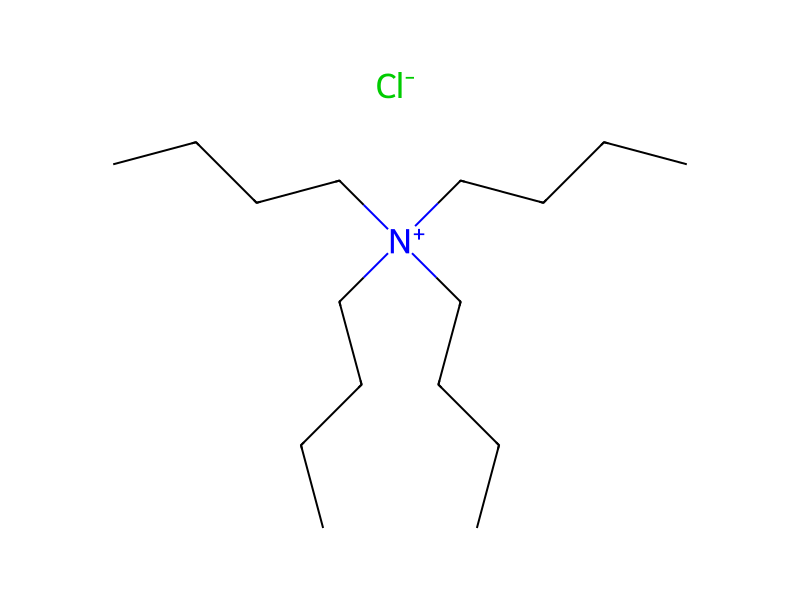
A microwave vial was charged with palladium acetate (0.165 g, 0.733 mmol), 1,2-dichloro-4-iodobenzene (2.00 g, 7.33 mmol), but-3-en-2-ol (0.793 g, 11.0 mmol), tetrabutylammonium chloride, hydrate (2.17 g, 7.33 mmol), and sodium bicarbonate (1.539 g, 18.32 mmol). DMF (5 mL) was added via syringe and the reaction mixture was degassed three times. The mixture was heated at 60° C. for 16 h. The reaction mixture was allowed to cool to room temperature, and diluted with ether. The organic layer was washed with water, separated, dried with MgSO4, filtered and concentrated. The crude residue was purified by silica gel chromatography with an eluant of 10% ethyl acetate/hexanes to afford the desired product Intermediate 4A (1.4 g, 6.5 mmol, 88% yield). LC-MS (ESI) m/z 216.9 (M+H), RT=2.01 min (Method B).