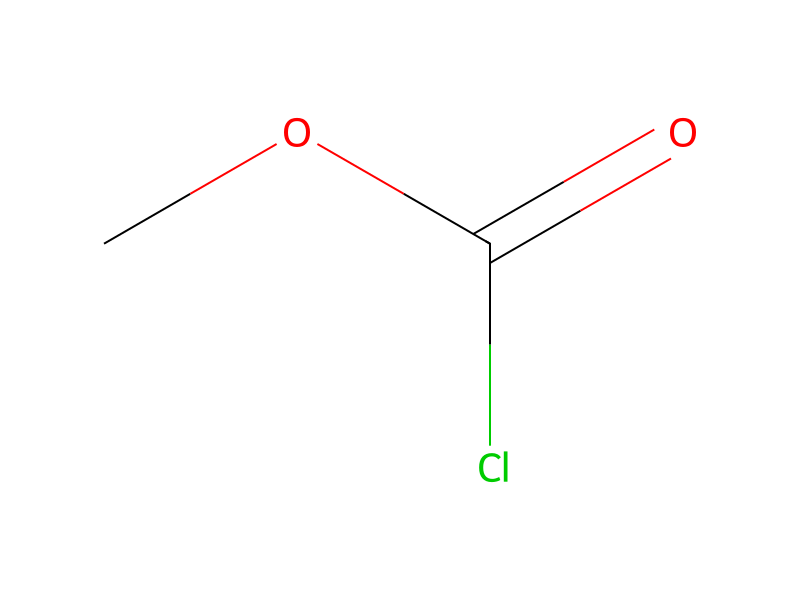
Cl[C:2]([O:4][CH3:5])=[O:3].Br[C:7]1[CH:8]=[CH:9][CH:10]=[C:11]2[C:16]=1[N:15]=[C:14]([NH:17][C:18]1[CH:23]=[CH:22][CH:21]=[CH:20][CH:19]=1)[CH:13]=[CH:12]2.CCN(C(C)C)C(C)C.C1C[O:36][CH2:35][CH2:34]1>>[C:35]([C:7]1[CH:8]=[CH:9][CH:10]=[C:11]2[C:16]=1[N:15]=[C:14]([N:17]([C:18]1[CH:23]=[CH:22][CH:21]=[CH:20][CH:19]=1)[C:2](=[O:3])[O:4][CH3:5])[CH:13]=[CH:12]2)(=[O:36])[CH3:34]Methyl chloroformate (0.155 ml, 2.006 mmol) was added to a solution of 8-bromo-N-phenylquinolin-2-amine (Example 165c; 0.500 g, 1.671 mmol) and DIPEA (0.438 ml, 2.507 mmol) in 5 mL THF and stirred over the weekend. The reaction was then sealed and heated at 70° C. for 6 h. Additional DIPEA (0.438 ml, 2.507 mmol) and methyl chloroformate (0.155 ml, 2.006 mmol) were added and the reaction was stirred overnight at RT. The reaction was heated for several hours at 70° C. The reaction mixture was then quenched with saturated aq. NaHCO3 and diluted with DCM. The organic layer was separated, and the aq. layer was extracted 3×DCM. The combined organic layers were then dried over Na2SO4, filtered, and concentrated in vacuo. The material was treated with DCM and purified by column chromatography (silica gel: 0-10% EtOAc/hexane). The product-containing fractions were concentrated under reduced pressure to afford a mixture of starting material and desired product (0.376 g) that was used in the next step without additional purification.