Reaktionsgleichung

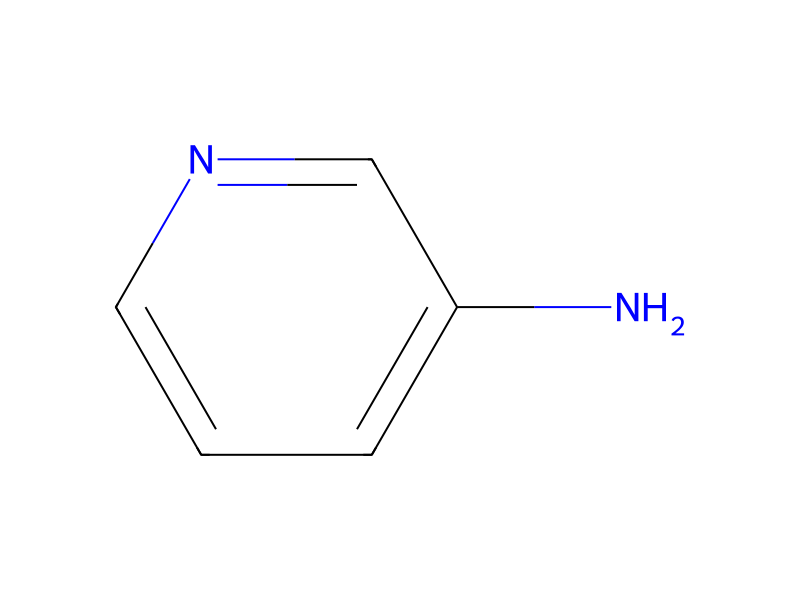
[C:1]([CH2:4][CH:5]1[C:9]2[C:10]([C:16]([NH:18][C:19]3[C:24]([Cl:25])=[CH:23][N:22]=[CH:21][C:20]=3[Cl:26])=[O:17])=[CH:11][CH:12]=[C:13]([O:14][CH3:15])[C:8]=2[O:7][CH2:6]1)([OH:3])=O.[NH2:27][C:28]1[CH:29]=[N:30][CH:31]=[CH:32][CH:33]=1>>[Cl:26][C:20]1[CH:21]=[N:22][CH:23]=[C:24]([Cl:25])[C:19]=1[NH:18][C:16]([C:10]1[C:9]2[CH:5]([CH2:4][C:1]([NH:27][C:28]3[CH:29]=[N:30][CH:31]=[CH:32][CH:33]=3)=[O:3])[CH2:6][O:7][C:8]=2[C:13]([O:14][CH3:15])=[CH:12][CH:11]=1)=[O:17]Komponenten
3


Versuchsvorschrift
Substantially the same procedure as in Example 13 was repeated using Compound 9 (0.30 g) obtained in Example 9 and 3-aminopyridine to give Compound 19 (0.18 g, 51%) as a white solid.
Quellen und Nachweise
- ORD-Eintrag
- ord-18dca805e7e34c3a95e2bec662f285d9
- Quelldatensatz
- uspto-grants-2003_02
- Patentnummer
- US06514996B2
Verknüpfte Notizen
Wird geladen…