Hydrochloric Acid → (Z)-3-(4-bromophenyl)-2-[[2-chloro-4-[[(3-hydroxybenzyl)amino]carbonyl]benzoyl]amino]propenoic acid methyl ester
HRID 1058427
Reaktionsgleichung

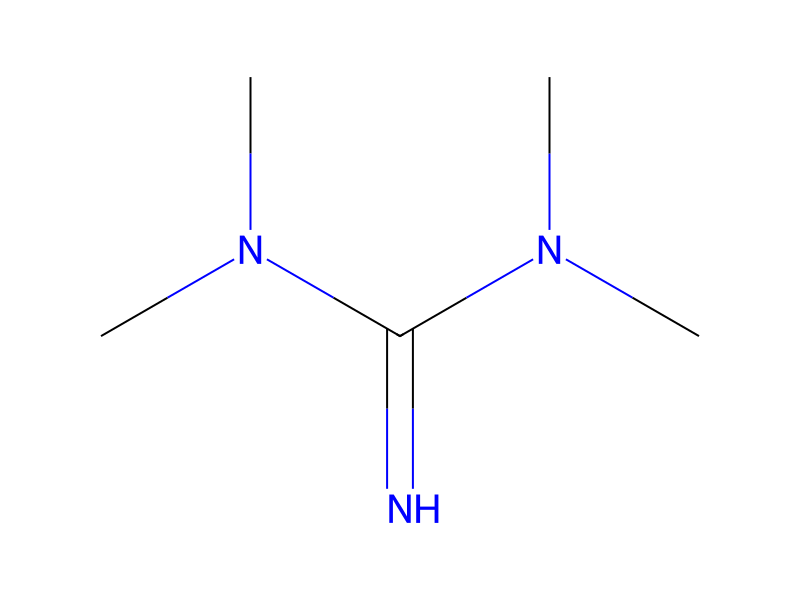
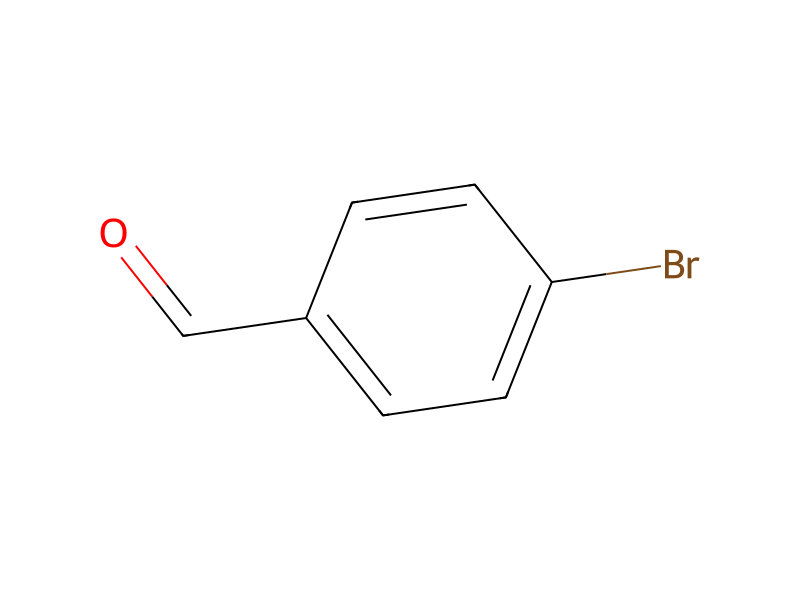
CN(C)C(N(C)C)=N.[CH3:9][O:10][C:11](=[O:40])[CH:12](P(OC)(OC)=O)[NH:13][C:14](=[O:33])[C:15]1[CH:20]=[CH:19][C:18]([C:21]([NH:23][CH2:24][C:25]2[CH:30]=[CH:29][CH:28]=[C:27]([OH:31])[CH:26]=2)=[O:22])=[CH:17][C:16]=1Cl.[Br:41][C:42]1[CH:49]=[CH:48][C:45]([CH:46]=O)=[CH:44][CH:43]=1.[ClH:50]>O1CCCC1.O1CCOCC1>[CH3:9][O:10][C:11](=[O:40])/[C:12](/[NH:13][C:14](=[O:33])[C:15]1[CH:16]=[CH:17][C:18]([C:21]([NH:23][CH2:24][C:25]2[CH:30]=[CH:29][CH:28]=[C:27]([OH:31])[CH:26]=2)=[O:22])=[CH:19][C:20]=1[Cl:50])=[CH:46]/[C:45]1[CH:48]=[CH:49][C:42]([Br:41])=[CH:43][CH:44]=1Komponenten
7