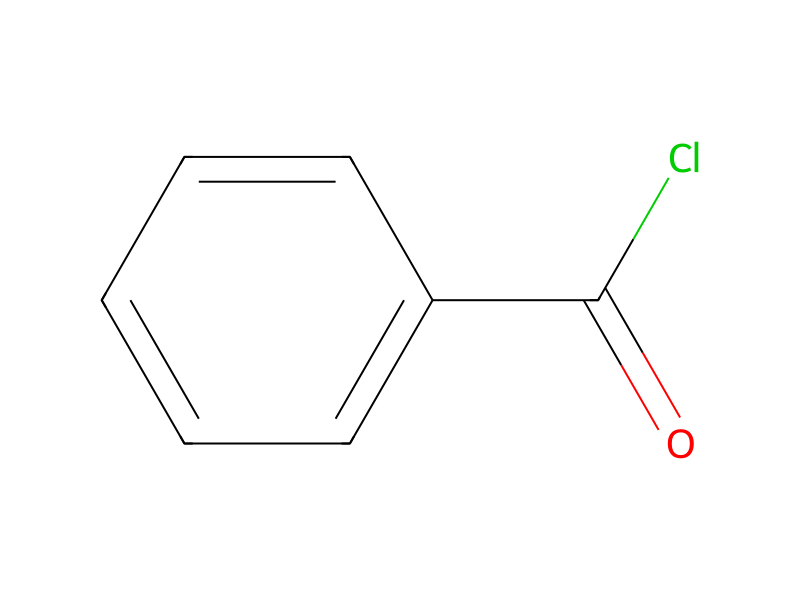
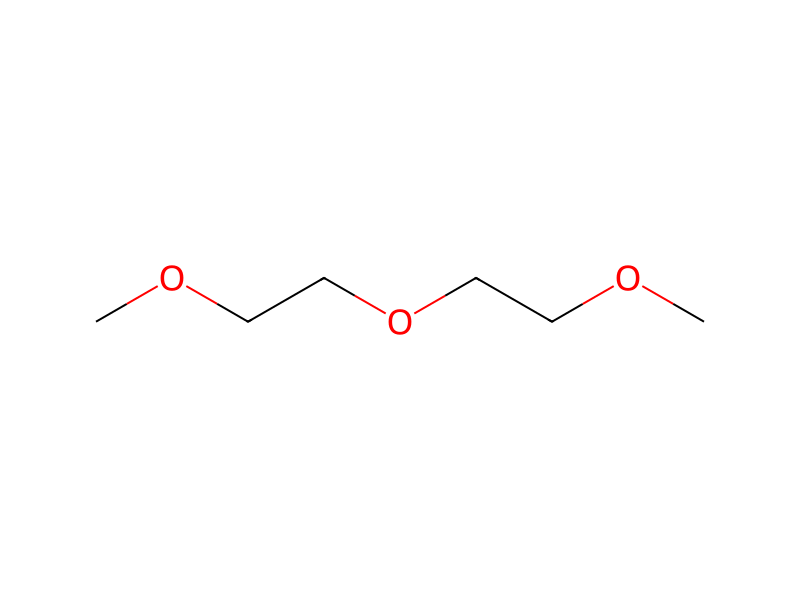
[Cl:1][C:2]1[CH:11]=[CH:10][C:5]2[N:6]=[C:7]([CH3:9])[NH:8][C:4]=2[CH:3]=1.[C:12](Cl)(=[O:19])[C:13]1[CH:18]=[CH:17][CH:16]=[CH:15][CH:14]=1.[OH2:21]>COCCOCCOC>[Cl:1][C:2]1[CH:11]=[CH:10][C:5]2[NH:6][C:7](=[C:9]([C:12]([C:13]3[CH:18]=[CH:17][CH:16]=[CH:15][CH:14]=3)=[O:21])[C:12]([C:13]3[CH:18]=[CH:17][CH:16]=[CH:15][CH:14]=3)=[O:19])[NH:8][C:4]=2[CH:3]=15-Chloro-2-methylbenzimidazole (833 mg) was dissolved in Diglyme (4 ml), and TEA (2.43 ml) was added thereto. Benzoyl chloride (2.0 ml) was further added thereto, followed by 15 minutes of stirring at about 100° C. Water (0.1 ml) was added dropwise to the reaction solution and the whole was heated under stirring at 175° C. for 10 minutes. After the reaction solution was cooled with air, water (15 ml) was added and the mixture was stirred, then the supernatant was decanted. Methanol (5 ml) was added to the residue and the precipitated crystals were collected by filtration, washed with cold methanol, and dried to obtain 2-(5-chloro-1,3-dihydro-2H-benzimidazol-2-yliden)-1,3-diphenylpropan-1,3-dione (706 mg, 38%) as pale yellow powdery crystals. Hereinafter, the compounds of Examples 2 to 25, 119 and 126 were obtained similarly.