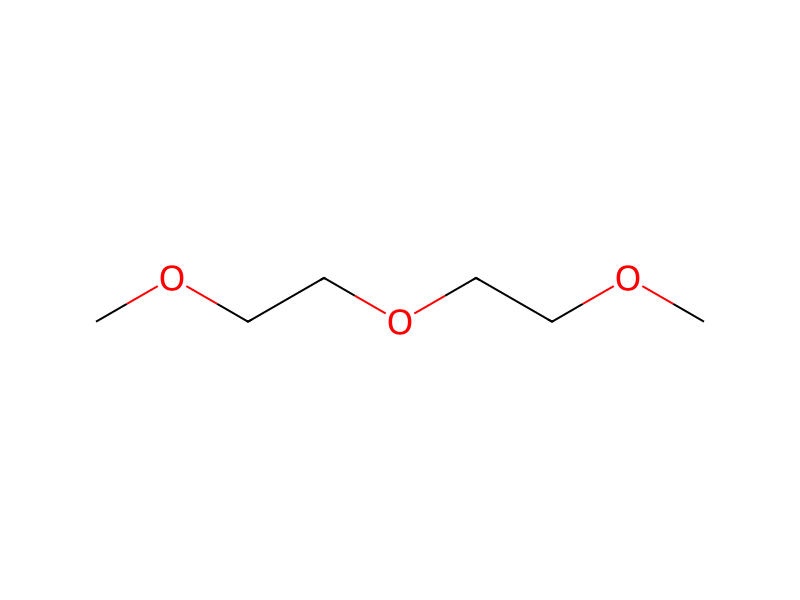
[C:1](Cl)(=[O:8])[C:2]1[CH:7]=[CH:6][CH:5]=[CH:4][CH:3]=1.[CH3:10][N:11]1[C:15]2[CH:16]=[CH:17][CH:18]=[CH:19][C:14]=2[N:13]=[C:12]1[CH3:20].[OH2:21]>COCCOCCOC>[CH3:10][N:11]1[C:15]2[CH:16]=[CH:17][CH:18]=[CH:19][C:14]=2[N:13]=[C:12]1[CH:20]([C:1]([C:2]1[CH:7]=[CH:6][CH:5]=[CH:4][CH:3]=1)=[O:21])[C:1]([C:2]1[CH:7]=[CH:6][CH:5]=[CH:4][CH:3]=1)=[O:8]Benzoyl chloride (1.68 g) was added to a mixture of 1,2-dimethylbenzimidazole (0.5 g) and TEA (1.21 g) in Diglyme (5 ml) at room temperature. The reaction mixture was stirred at 120° C. for 1 hour and successively at 150° C. for 6 hours. Water was added to the reaction mixture, followed by extraction with ethyl acetate. The organic layer was washed with water and dried over anhydrous magnesium sulfate, and then the solvent was evaporated under reduced pressure. The obtained residue was subjected to silica gel column chromatography to obtain crude crystals from the fractions eluted with chloroform. The crystals were recrystallized from ethyl acetate to obtain 2-(1-methyl-1H-benzimidazol-2-yl)-1,3-diphenylpropane-1,3-dione (0.81 g). Hereinafter, the compound of Example 115 was obtained similarly.
Wird geladen…