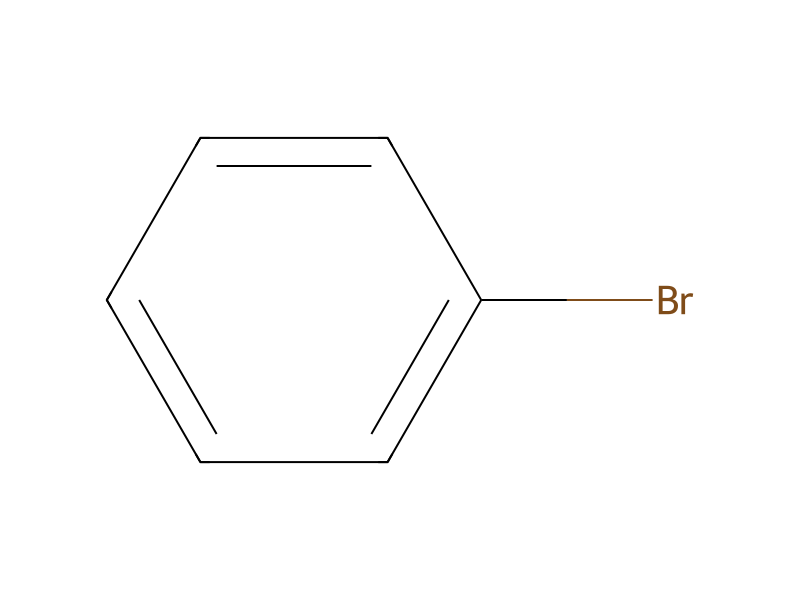
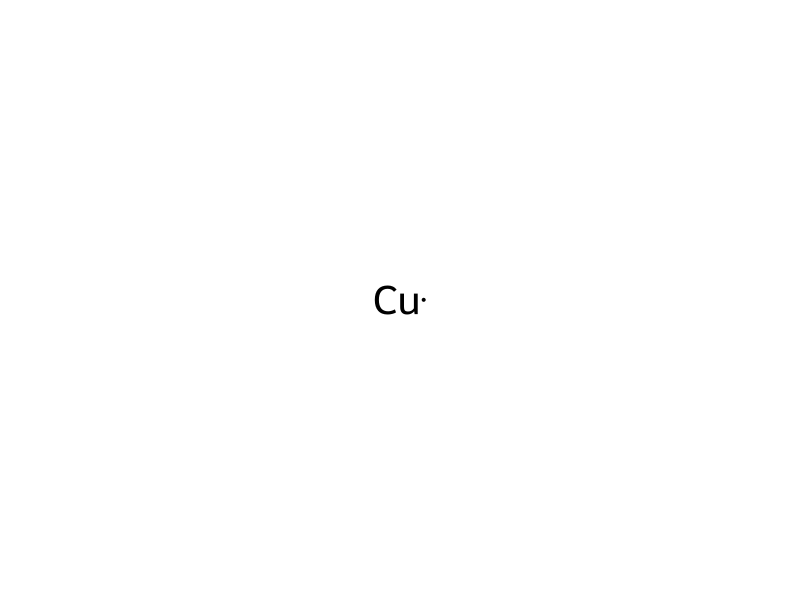
24 g. of 3-methoxy-6-acetylaminotoluene, 31.6 g. of bromobenzene, 10.38 g. of potassium carbonate, 0.6 g. of copper powder and 0.01 g. of iodine were refluxed under ordinary pressure on the oil bath for 48 hours. Then excess bromobenzene was recovered by means of steam distillation, and the reamining reaction mixture was distilled in a vacuum to obtain 29.2 g. (85.0 percent of theoretical yields) of 3-methoxy-6-(N-acetylanilino) toluene as a light yellowish brown solid having a melting point at 86° to 87° C., having the formula: ##STR12## 25 g. of this intermediate was hydrolyzed by heating at 180° C. for 8 hours in the autoclave, together with 130 ml. of water and 9 g. of caustic soda. After cooling, the reaction product was filtered to collect a solid and thereafter recrystallized by using a double amount of ethyl alcohol. 18.8 g. (90.5 percent of theoretical yields) of 3-methoxy-6-anilinotoluene was obtained as light brown crystals having a melting point of 79° to 80.5° C.