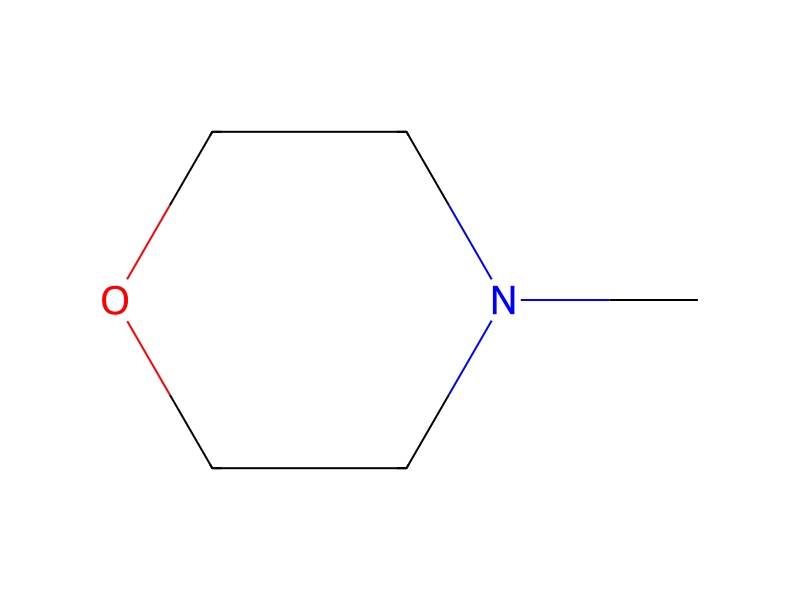
C[N:2]1[CH2:7][CH2:6][O:5]CC1.Cl[C:9]([O:11][CH2:12][CH:13]([CH3:15])[CH3:14])=[O:10].[NH2:16][C:17]1[C:25]2[C:20](=[N:21][CH:22]=[N:23][C:24]=2[NH:26][C:27]2[CH:32]=[CH:31][CH:30]=[C:29]([Cl:33])[CH:28]=2)[NH:19][N:18]=1>C1COCC1>[CH2:12]([O:11][C:9]([NH:2][C@H:7]([C:6]([NH:16][C:17]1[C:25]2[C:20](=[N:21][CH:22]=[N:23][C:24]=2[NH:26][C:27]2[CH:32]=[CH:31][CH:30]=[C:29]([Cl:33])[CH:28]=2)[NH:19][N:18]=1)=[O:5])[CH:27]([CH3:32])[CH3:28])=[O:10])[C:13]1[CH:15]=[CH:20][CH:25]=[CH:24][CH:14]=1Analogously to Example 5, 386 mg (1.53 mmol) of N-benzyloxycarbonyl-(D,L)valine in 3.2 ml of THF and 337 μl (3.07 mmol) of NMM are activated with 219 μl (1.68 mmol) of isobutyl chloroformate and then reacted with 400 mg (1.53 mmol) of 3-amino-4-(3-chloro-phenylamino)-1H-pyrazolo[3,4-d]pyrimidine (see Step 1.6). The reaction mixture is concentrated by evaporation; ethyl acetate is added to the residue and the ethyl acetate suspension is washed with 2N HCl solution, sat. NaHCO3 solution and brine and finally the insoluble crude product is filtered off. Crystallization from a hot mixture of 1.1 ml of DMSO and 10 ml of ethanol yields rac.-3-([N-benzyloxycarbonyl-valyl]-amino)-4-(3-chlorophenylamino)-1H-pyrazolo[3,4-d]pyrimidine; HPLC:tRet(grad20-100/20)=1 4.9; FAB-MS: (M+H)+=494.