Reaktionsgleichung

[CH3:1][N:2]([CH2:4][C:5]1[S:6][CH:7]=[C:8]([CH2:10]O)[N:9]=1)[CH3:3].Cl.[SH:13][CH2:14][CH2:15][CH2:16][NH2:17].CO[C:20]1[C:24](OC)=[N:23][S:22](=[O:28])(=[O:27])[N:21]=1.[CH3:29][NH2:30]>Br>[CH3:1][N:2]([CH2:4][C:5]1[S:6][CH:7]=[C:8]([CH2:10][S:13][CH2:14][CH2:15][CH2:16][NH:17][C:20]2[C:24]([NH:30][CH3:29])=[N:23][S:22](=[O:28])(=[O:27])[N:21]=2)[N:9]=1)[CH3:3]Komponenten
6
Edukt 4
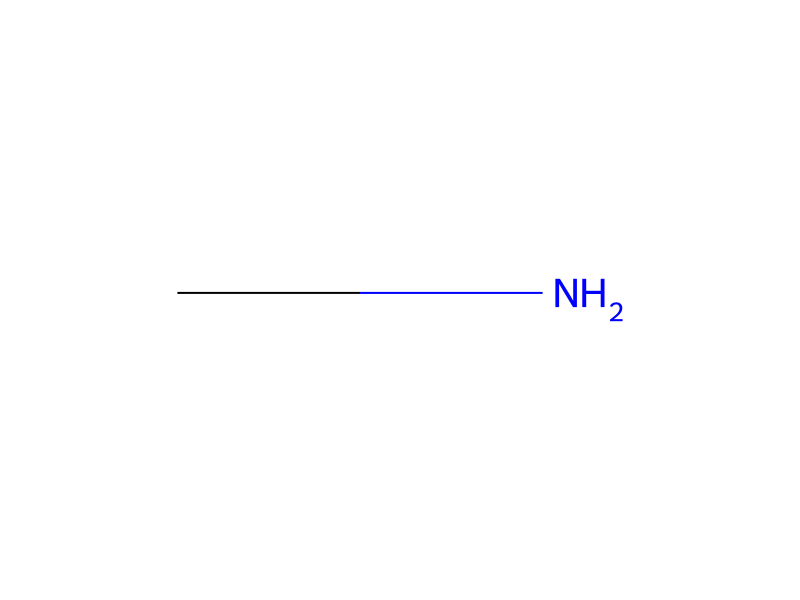


Produkt 1

Reagenzien, Katalysatoren, Lösungsmittel 1

Versuchsvorschrift
When 2-dimethylaminomethyl-4-hydroxymethylthiazole [prepared in Example 34, Step D] is reacted with 3-mercaptopropylamine hyrochloride [prepared according to the procedure described in J. Org. Chem., 27, 2846 (1962)] in aqueous hydrobromic acid (48%), and the resultant amine is successively treated with 3,4-dimethoxy-1,2,5-thiadiazole 1,1-dioxide and excess methylamine as in the general procedure of Example 31, the title compound is produced.
Aufarbeitung
- customprepared
Quellen und Nachweise
- ORD-Eintrag
- ord-18c292dfca954221bfdf601dfca5224e
- Quelldatensatz
- uspto-grants-1983_07
- Patentnummer
- US04394508
Verknüpfte Notizen
Wird geladen…