Potassium Chloride → Benzene, 1,4-bis(phenylthio)-
Reaktionsgleichung

[C:1]1([S:7]([C:9]2[CH:14]=[CH:13][C:12]([S:15][C:16]3[CH:21]=[CH:20][CH:19]=[CH:18][CH:17]=3)=[CH:11][CH:10]=2)=O)[CH:6]=[CH:5][CH:4]=[CH:3][CH:2]=1.BrBr.[Cl-].[K+]>ClCCl>[C:16]1([S:15][C:12]2[CH:13]=[CH:14][C:9]([S:7][C:1]3[CH:6]=[CH:5][CH:4]=[CH:3][CH:2]=3)=[CH:10][CH:11]=2)[CH:21]=[CH:20][CH:19]=[CH:18][CH:17]=1Komponenten
5
Edukt 3
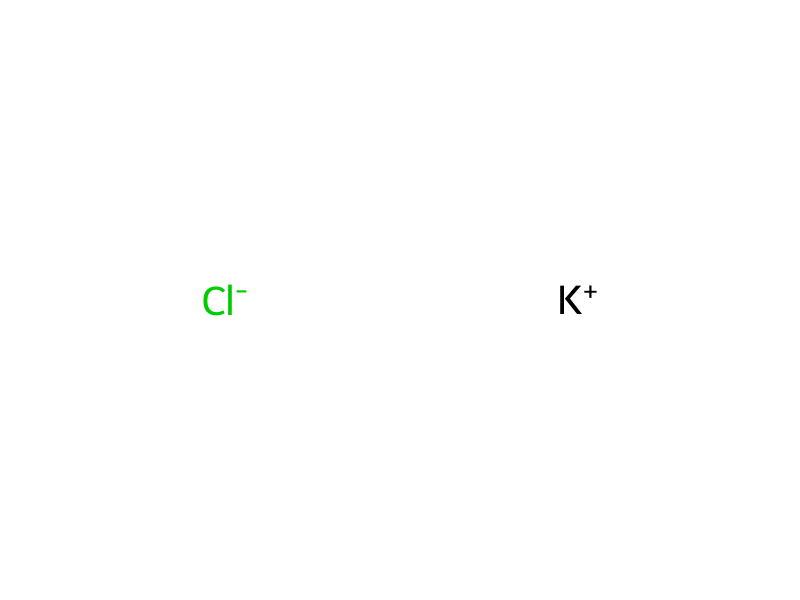


Produkt 1

Reagenzien, Katalysatoren, Lösungsmittel 1

Versuchsvorschrift
A 500-mL, round-bottom flask with a Teflon-covered magnetic stirring bar is charged with dichloromethane (50 mL), 10% KHCO3 (43 mL), and phenyl[4-(thiophenoxy)phenyl] sulfoxide (5 g, 17.0 mmol). To the reaction mixture is added bromine (2.72 g, 17.0 mmol) in dichloromethane (50 mL) over a period of 5 min with vigorous stirring. The reaction is continued for 30 min. To the reaction mixture is added a KCl saturated solution and dichloromethane (100 mL). The aqueous layer is extracted with dichloromethane (2×50 mL). The organic layer is washed with water, dried over anhydrous sodium sulfate, and filtered. After recrystallization from ether, the solid is obtained. The solid is dried under vacuum at room temperature for 20 h and then is used without further purification for polymerization.